
金钗石斛碱治疗结直肠癌的网络药理学及抗癌机制研究
Network pharmacology and anticancer mechanism study of Dendrobium nobile dendrobine in the treatment of colorectal cancer.
作者信息
Luo Pei, Huang Can, Guo Jun, Yao Xin, Pan Chao, Bao Aijin, Li Fei, Li Ying-Ying
机构信息
Department of Gastroenterology, People's Hospital of Qianxinan Prefecture, Xingyi, 562400, Guizhou, China.
Department of Gerontology, People's Hospital of Qianxinan Prefecture, Xingyi, 562400, Guizhou, China.
出版信息
Discov Oncol. 2024 Dec 18;15(1):768. doi: 10.1007/s12672-024-01641-6.
OBJECTIVE
This study aims to explore the potential targets and anticancer mechanisms of dendrobine from Dendrobium nobile in the treatment of colorectal cancer through network pharmacology, and to experimentally validate its specific effects.
METHODS
Initially, potential targets of dendrobine were identified using the ITCM Traditional Chinese Medicine database, while colorectal cancer-related genes were obtained from the NCBI Gene database, with the intersection of these datasets taken for further analysis. Functional enrichment analysis was conducted using the Metascape database, and a protein-protein interaction (PPI) network was constructed. Additionally, cell culture, cell proliferation assays, and wound healing assays were performed. The Wnt/β-catenin and NF-κB/COX-2/PGE signaling pathways were analyzed using PCR and Western blot experiments.
RESULTS
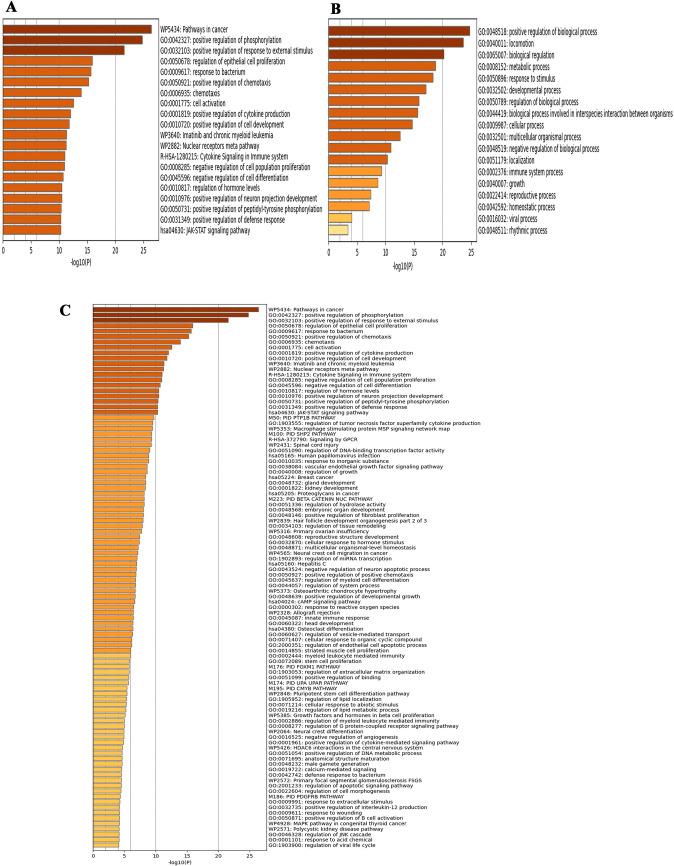
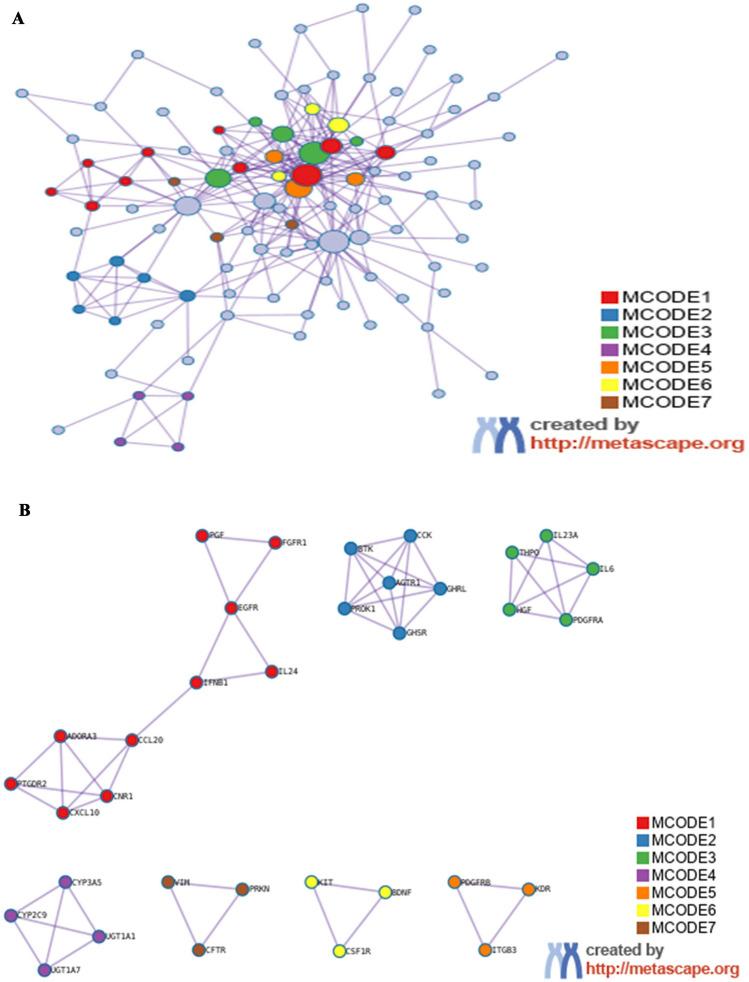
The PPI network constructed from 152 intersecting genes revealed that these genes play crucial roles in processes such as cell proliferation, apoptosis, and signal transduction. Cell-based assays demonstrated that dendrobine significantly inhibits the proliferation and migration of colorectal cancer cells. Furthermore, PCR and Western blot results indicated that dendrobine suppresses colorectal cancer cell proliferation and migration by modulating the Wnt/β-catenin and NF-κB/COX-2/PGE signaling pathways.
CONCLUSION
Dendrobine exhibits significant anticancer potential against colorectal cancer by regulating the Wnt/β-catenin and NF-κB/COX-2/PGE signaling pathways, providing a theoretical foundation and experimental evidence for its therapeutic application in colorectal cancer.
目的
本研究旨在通过网络药理学探索铁皮石斛中石斛碱治疗结直肠癌的潜在靶点和抗癌机制,并通过实验验证其具体作用。
方法
首先,利用ITCM中药数据库确定石斛碱的潜在靶点,同时从NCBI基因数据库中获取结直肠癌相关基因,取这些数据集的交集进行进一步分析。使用Metascape数据库进行功能富集分析,并构建蛋白质-蛋白质相互作用(PPI)网络。此外,进行细胞培养、细胞增殖测定和伤口愈合测定。使用PCR和蛋白质印迹实验分析Wnt/β-连环蛋白和NF-κB/COX-2/PGE信号通路。
结果
由152个交集基因构建的PPI网络显示,这些基因在细胞增殖、凋亡和信号转导等过程中起关键作用。基于细胞的实验表明,石斛碱显著抑制结直肠癌细胞的增殖和迁移。此外,PCR和蛋白质印迹结果表明,石斛碱通过调节Wnt/β-连环蛋白和NF-κB/COX-2/PGE信号通路抑制结直肠癌细胞的增殖和迁移。
结论
石斛碱通过调节Wnt/β-连环蛋白和NF-κB/COX-2/PGE信号通路对结直肠癌具有显著的抗癌潜力,为其在结直肠癌治疗中的应用提供了理论基础和实验证据。




 Zotero 插件