Raut Sanket B, Joly Fanny, Haass Nikolas K, Eri Rajaraman, Canales Juan J, Benedek David M, Ursano Robert J, Johnson Luke R
School of Psychological Sciences, College of Health and Medicine, University of Tasmania, Tasmania, TAS, Australia.
INSERM U1216, Grenoble Institute of Neurosciences (GIN), University of Grenoble-Alpes (UGA), Grenoble, France.
Transl Psychiatry. 2024 Dec 18;14(1):492. doi: 10.1038/s41398-024-03190-6.
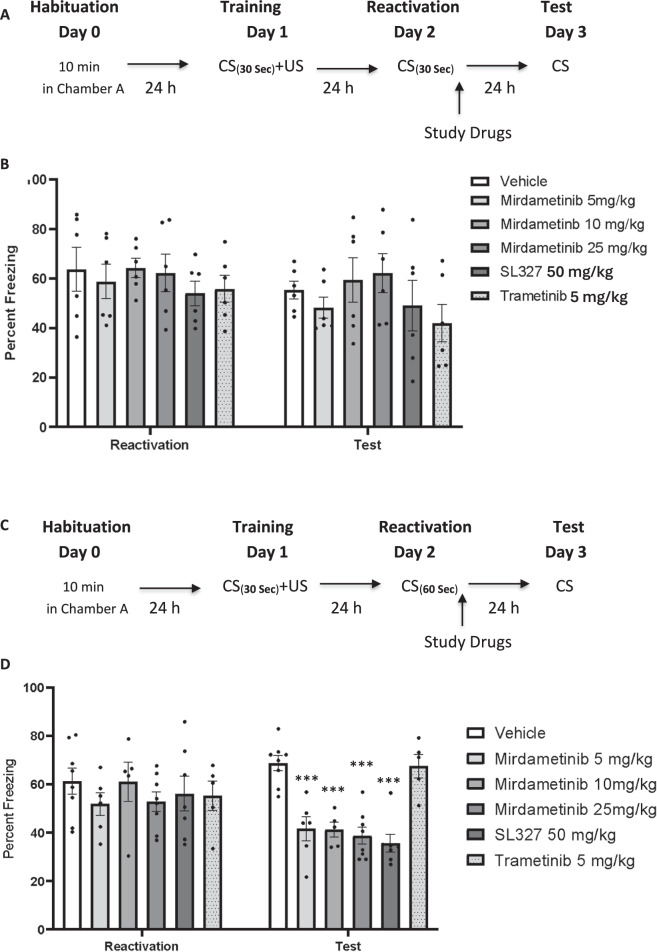
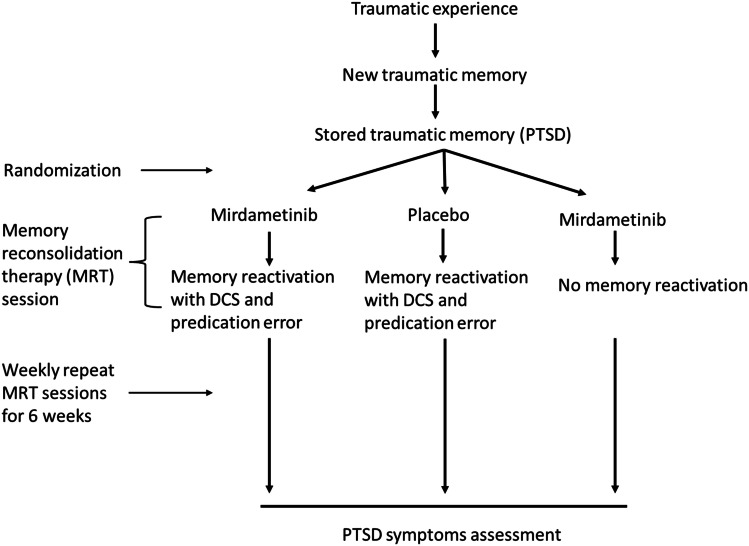
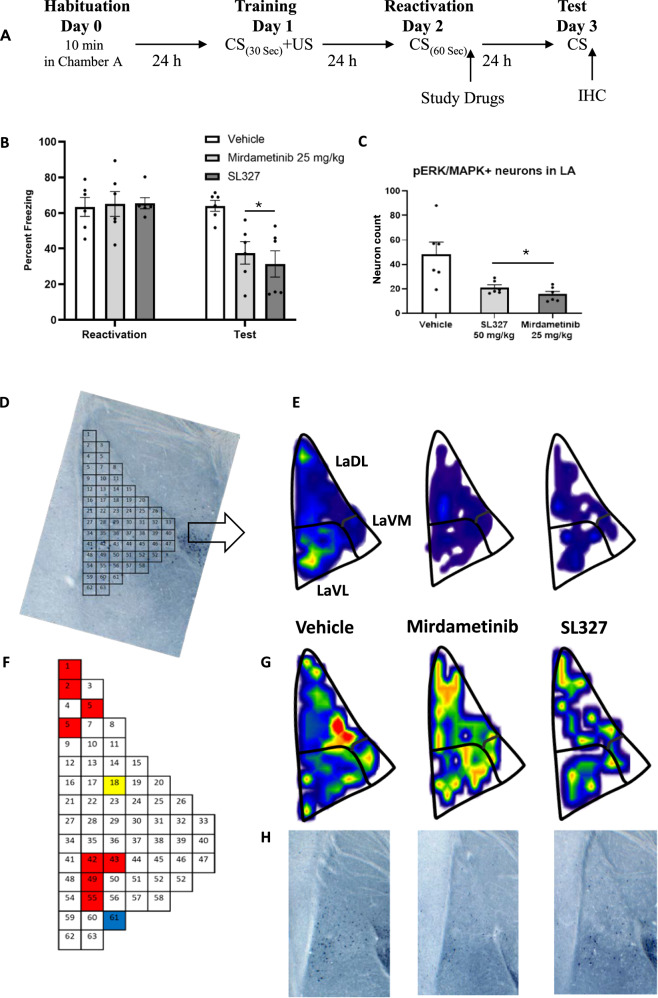
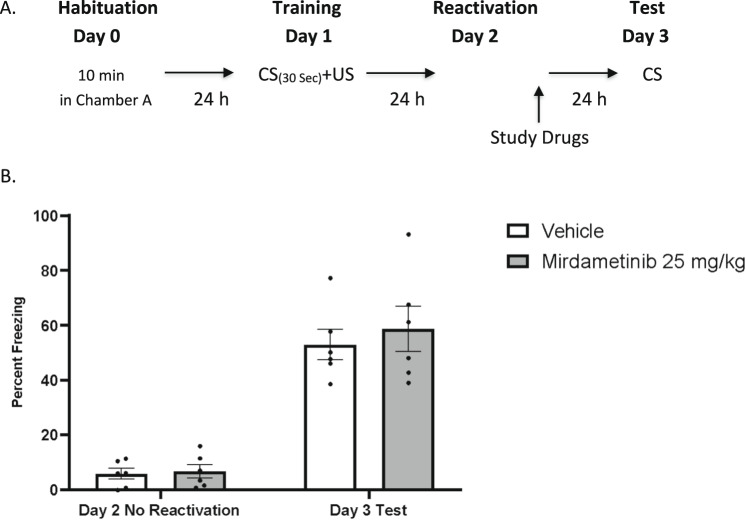
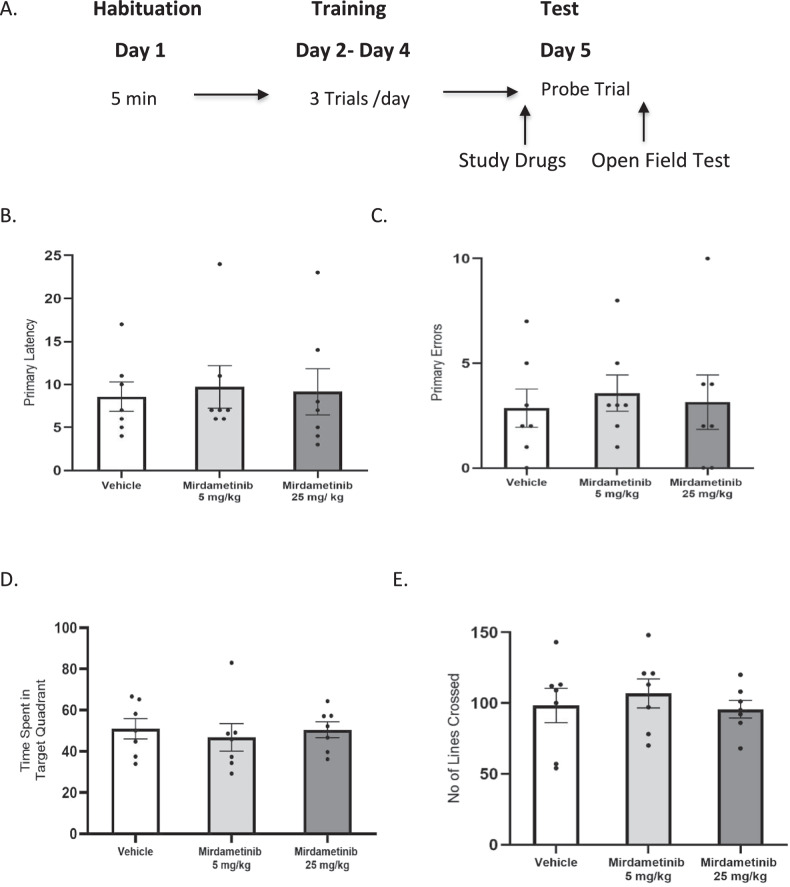
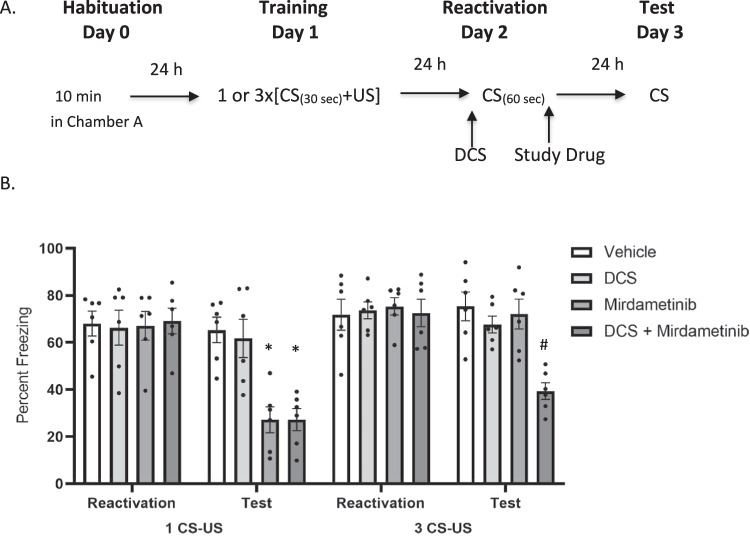
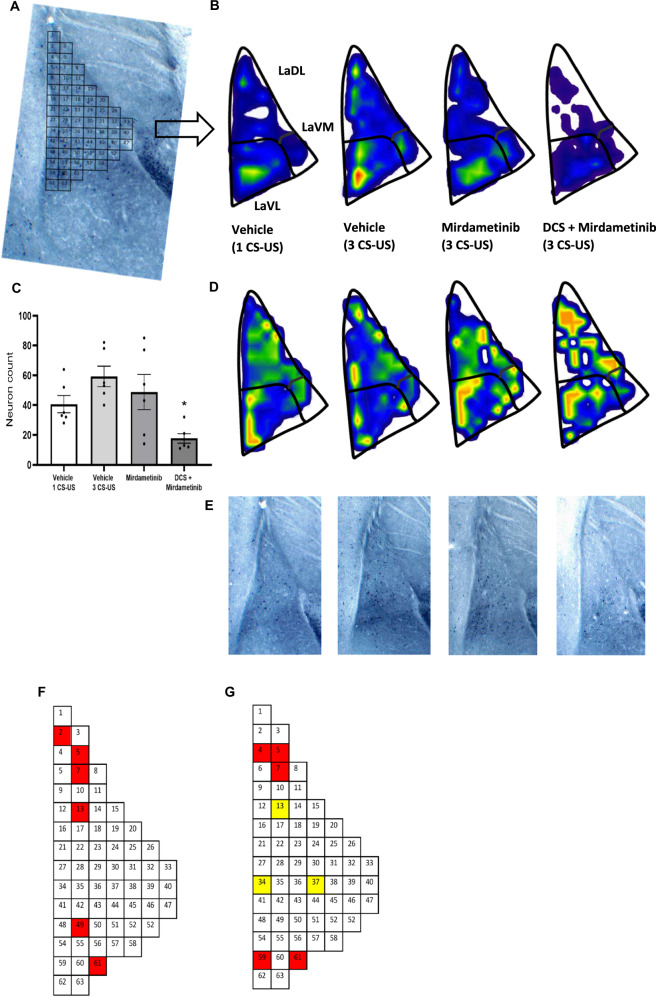
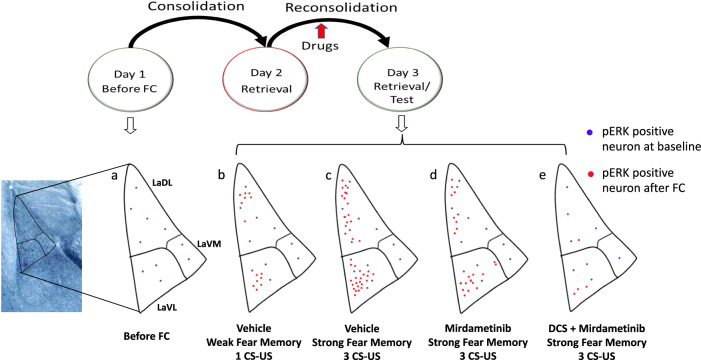
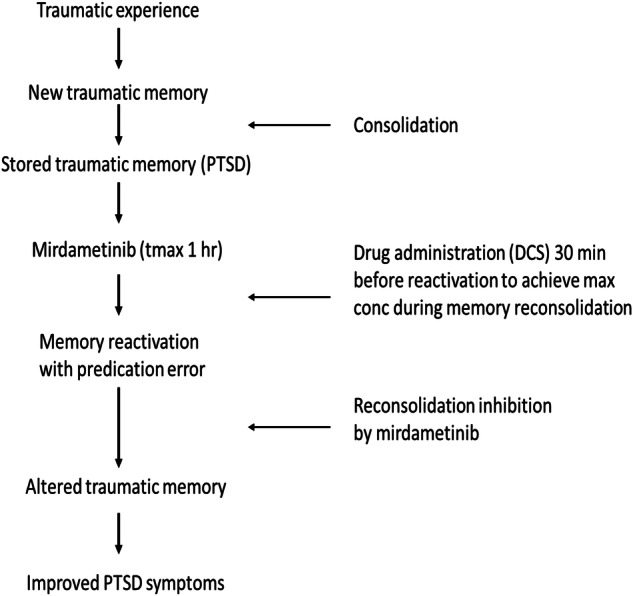
This study establishes mirdametinib as the first MEK inhibitor that can undergo clinical development for psychiatric indications such as post-traumatic stress disorder (PTSD). PTSD is characterized by persistent traumatic memories with limited effective treatment options. A body of evidence suggests that memory storage is dynamic and constantly updated through post-retrieval modification a process termed reconsolidation. Although ERK/MAPK signaling plays a central role in fear memory consolidation, no clinically translatable MEK inhibitor has been tested in experimental models or in clinical trials to disrupt this process. Furthermore, there is need to develop pharmacological and behavioral strategies to labilize the memory to make it susceptible for disruption. Here, we disrupted fear memory reconsolidation with the clinically relevant MEK inhibitor mirdametinib in C57BL/6 mice and tested memory destabilization strategies using an auditory fear conditioning paradigm, with drugs administered following reactivation of memory. We found prediction error effective in labilizing weak fear memory and combined D-cycloserine (DCS) and predication error effective in labilizing strong fear memory. Mirdametinib disrupted the weak fear memory and reduced ERK phosphorylation in lateral amygdala when coupled with prediction error at the time of memory reactivation but required coordinated combination of DCS, prediction error and mirdametinib to disrupt strong fear memory. Barnes maze spatial memory test and open field test revealed that mirdametinib did not affect retrieval of other forms (spatial) of long-term memory and locomotor activity. Furthermore, the effect of mirdametinib was specific to reconsolidation as it had no effect on fear memory when given without reactivation. These translational findings identify a new drug that can be adapted for the treatment of PTSD.
本研究确定了米哚妥林是首个可用于创伤后应激障碍(PTSD)等精神疾病适应症进行临床开发的MEK抑制剂。PTSD的特征是创伤记忆持续存在,且有效治疗选择有限。有证据表明,记忆存储是动态的,并通过检索后修饰(一个称为重新巩固的过程)不断更新。虽然ERK/MAPK信号通路在恐惧记忆巩固中起核心作用,但尚无临床可转化的MEK抑制剂在实验模型或临床试验中进行测试以破坏这一过程。此外,需要开发药理学和行为策略来使记忆不稳定,使其易于被破坏。在此,我们在C57BL/6小鼠中用临床相关的MEK抑制剂米哚妥林破坏恐惧记忆重新巩固,并使用听觉恐惧条件反射范式测试记忆不稳定策略,在记忆重新激活后给药。我们发现预测误差对使弱恐惧记忆不稳定有效,联合D-环丝氨酸(DCS)和预测误差对使强恐惧记忆不稳定有效。当在记忆重新激活时与预测误差结合时,米哚妥林破坏了弱恐惧记忆并降低了外侧杏仁核中的ERK磷酸化,但需要DCS、预测误差和米哚妥林的协同组合来破坏强恐惧记忆。巴恩斯迷宫空间记忆测试和旷场测试表明,米哚妥林不影响其他形式(空间)长期记忆的检索和运动活动。此外,米哚妥林的作用对重新巩固具有特异性,因为在未重新激活的情况下给药时对恐惧记忆没有影响。这些转化研究结果确定了一种可用于治疗PTSD的新药。