Villain Hélène, Benkahoul Aïcha, Birmes Philippe, Ferry Barbara, Roullet Pascal
Centre de Recherches sur la Cognition Animale, Centre de Biologie Intégrative, Université de Toulouse, CNRS, UPS, Toulouse, France.
Toulouse NeuroImaging Center, Université de Toulouse, Inserm, UPS,Toulouse, France.
PLoS One. 2018 Jan 19;13(1):e0191563. doi: 10.1371/journal.pone.0191563. eCollection 2018.
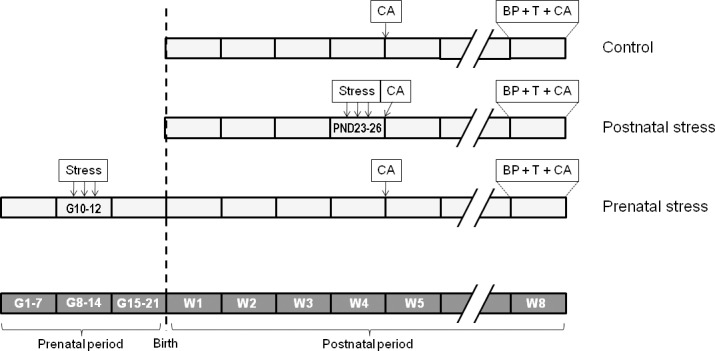
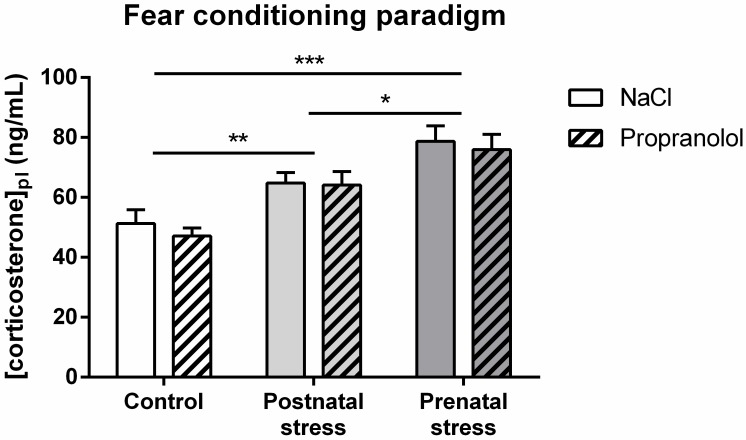
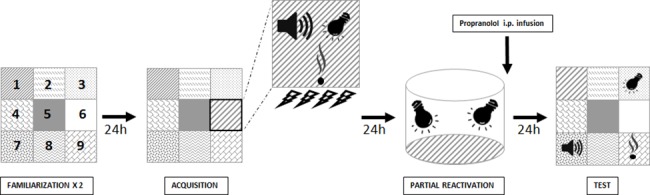
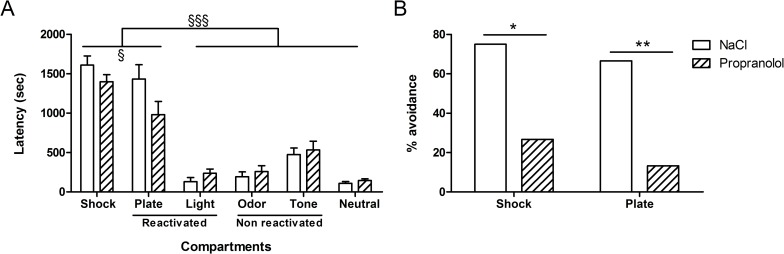
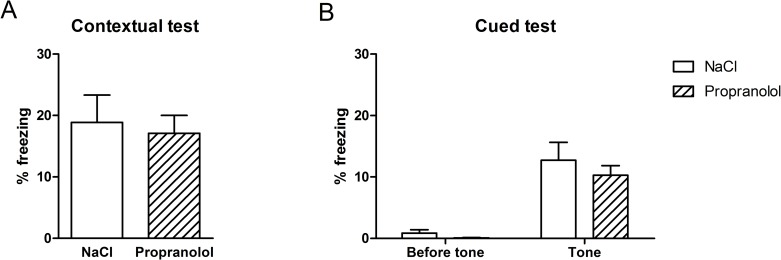
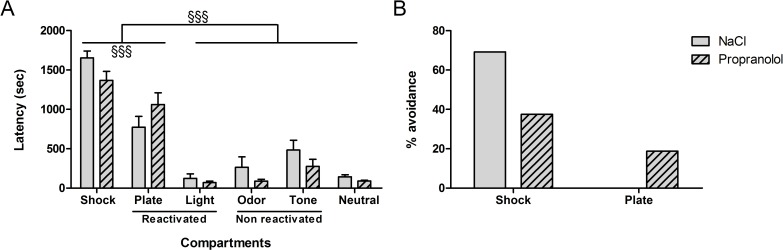
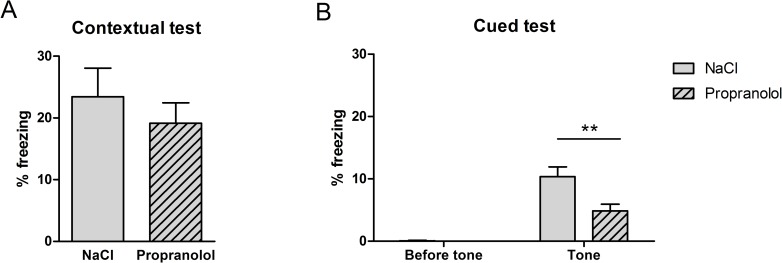
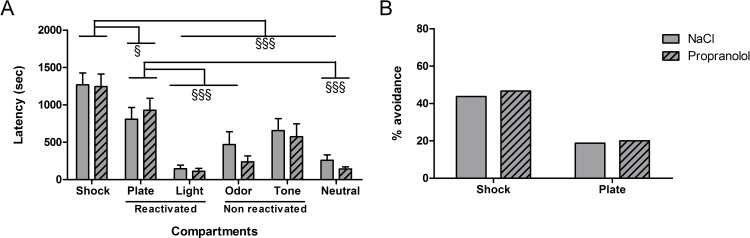
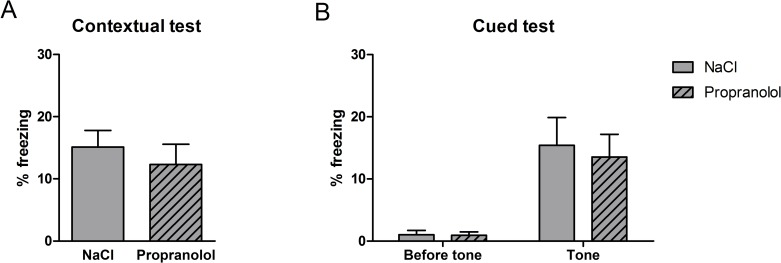
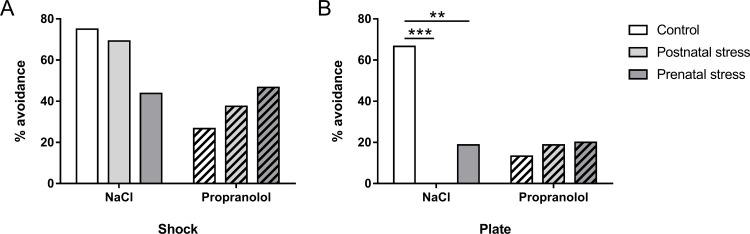
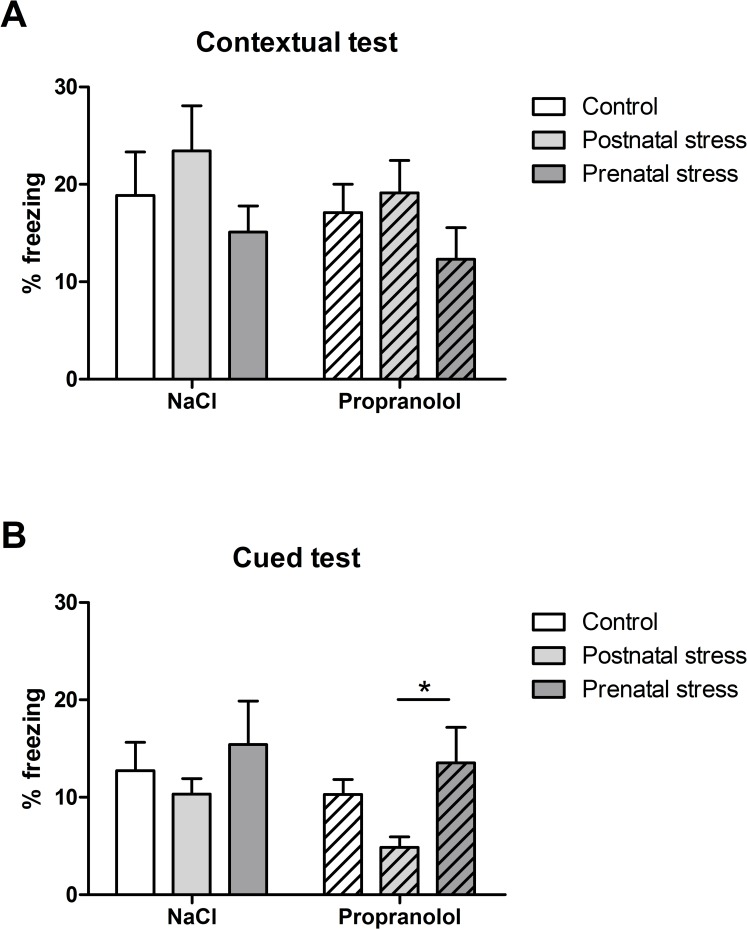
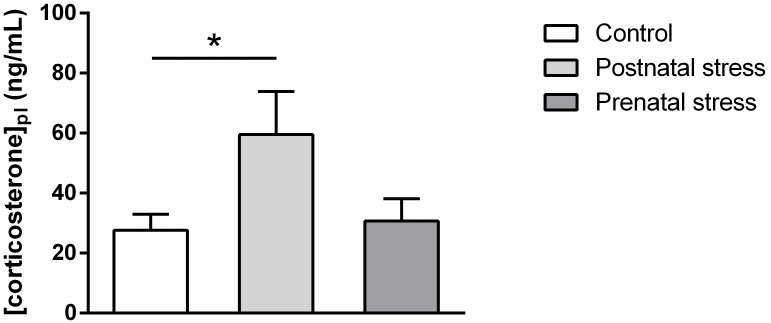
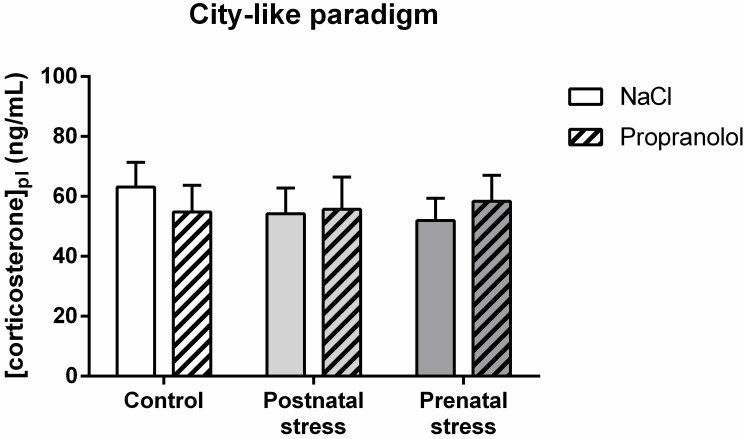
Post-traumatic stress disorder (PTSD) is a common consequence of exposure to a life-threatening event. Currently, pharmacological treatments are limited by high rates of relapse, and novel treatment approaches are needed. We have recently demonstrated that propranolol, a β-adrenergic antagonist, inhibited aversive memory reconsolidation in animals. Following this, in an open-label study 70% of patients with PTSD treated with propranolol during reactivation of traumatic memory exhibited full remission. However, the reason why 30% of these patients did not respond positively to propranolol treatment is still unclear. One of the major candidates as factor of treatment resistance is the patient's early-life traumatic history. To test the role of this factor, mice with pre- or postnatal stress are being tested in fear conditioning and in a new behavioral task, the "city-like", specifically designed as a mouse model of PTSD. After reactivation of the traumatic event, mice received propranolol injection to block the noradrenergic system during memory reconsolidation. Results show that, in the "city-like" test, control mice strongly avoided the shock compartment but also the compartments containing cues associated with the electric shocks. Injection of propranolol after reactivation greatly reduced the memory of the traumatic event, but this effect was not present when mice had received pre- or postnatal stress. Moreover, propranolol produced only a very weak effect in the fear conditioning test, and never changed the corticosterone level whatever the behavioral experiment. Taken together our results suggest that our new behavioural paradigm is well adapted to PTSD study in mice, and that early stress exposure may have an impact on propranolol PTSD treatment outcome. These data are critical to understanding the effect of propranolol treatment, in order to improve the therapeutic protocol currently used in humans.
创伤后应激障碍(PTSD)是暴露于危及生命事件后的常见后果。目前,药物治疗受到高复发率的限制,需要新的治疗方法。我们最近证明,β-肾上腺素能拮抗剂普萘洛尔可抑制动物的厌恶记忆再巩固。在此之后,在一项开放标签研究中,70%在创伤性记忆重新激活期间接受普萘洛尔治疗的PTSD患者实现了完全缓解。然而,这些患者中有30%对普萘洛尔治疗没有积极反应的原因仍不清楚。作为治疗抵抗因素的主要候选因素之一是患者早年的创伤史。为了测试这个因素的作用,正在对有产前或产后应激的小鼠进行恐惧条件反射测试以及一项专门设计的名为“城市样”的新行为任务测试,该任务作为PTSD的小鼠模型。在创伤事件重新激活后,小鼠接受普萘洛尔注射以在记忆再巩固期间阻断去甲肾上腺素能系统。结果表明,在“城市样”测试中,对照小鼠强烈避开电击隔室以及包含与电击相关线索的隔室。重新激活后注射普萘洛尔大大降低了对创伤事件的记忆,但当小鼠有产前或产后应激时,这种效果不存在。此外,普萘洛尔在恐惧条件反射测试中仅产生非常微弱的效果,并且无论进行何种行为实验,其都不会改变皮质酮水平。综合我们的结果表明,我们的新行为范式非常适合小鼠中的PTSD研究,并且早期应激暴露可能会影响普萘洛尔对PTSD的治疗效果。这些数据对于理解普萘洛尔治疗的效果至关重要,以便改进目前在人类中使用的治疗方案。