SPARED Center, Department of Psychiatry, McLean Hospital, Harvard Medical School, Boston, MA, USA.
Nat Rev Neurol. 2022 May;18(5):273-288. doi: 10.1038/s41582-022-00635-8. Epub 2022 Mar 29.
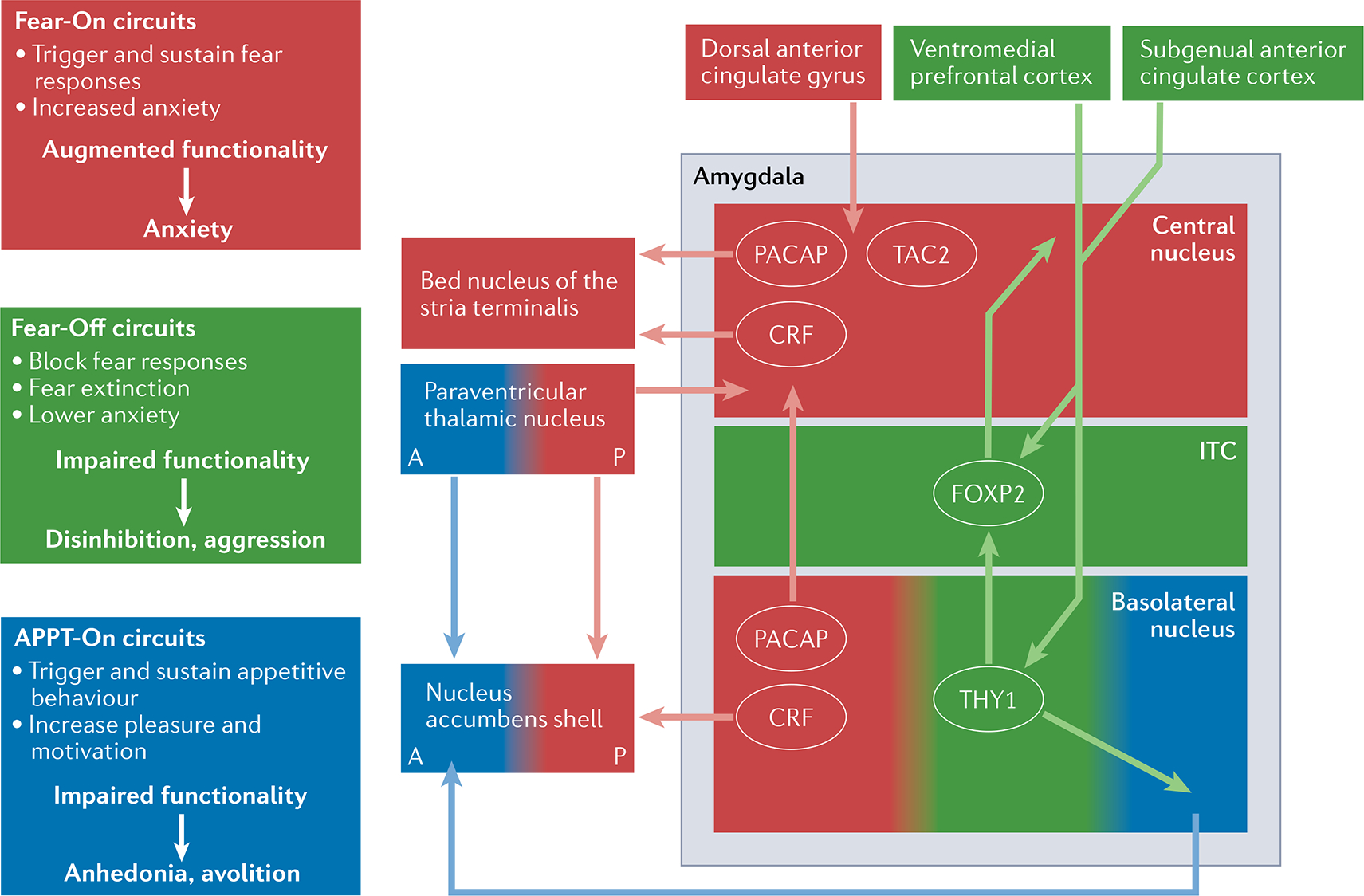
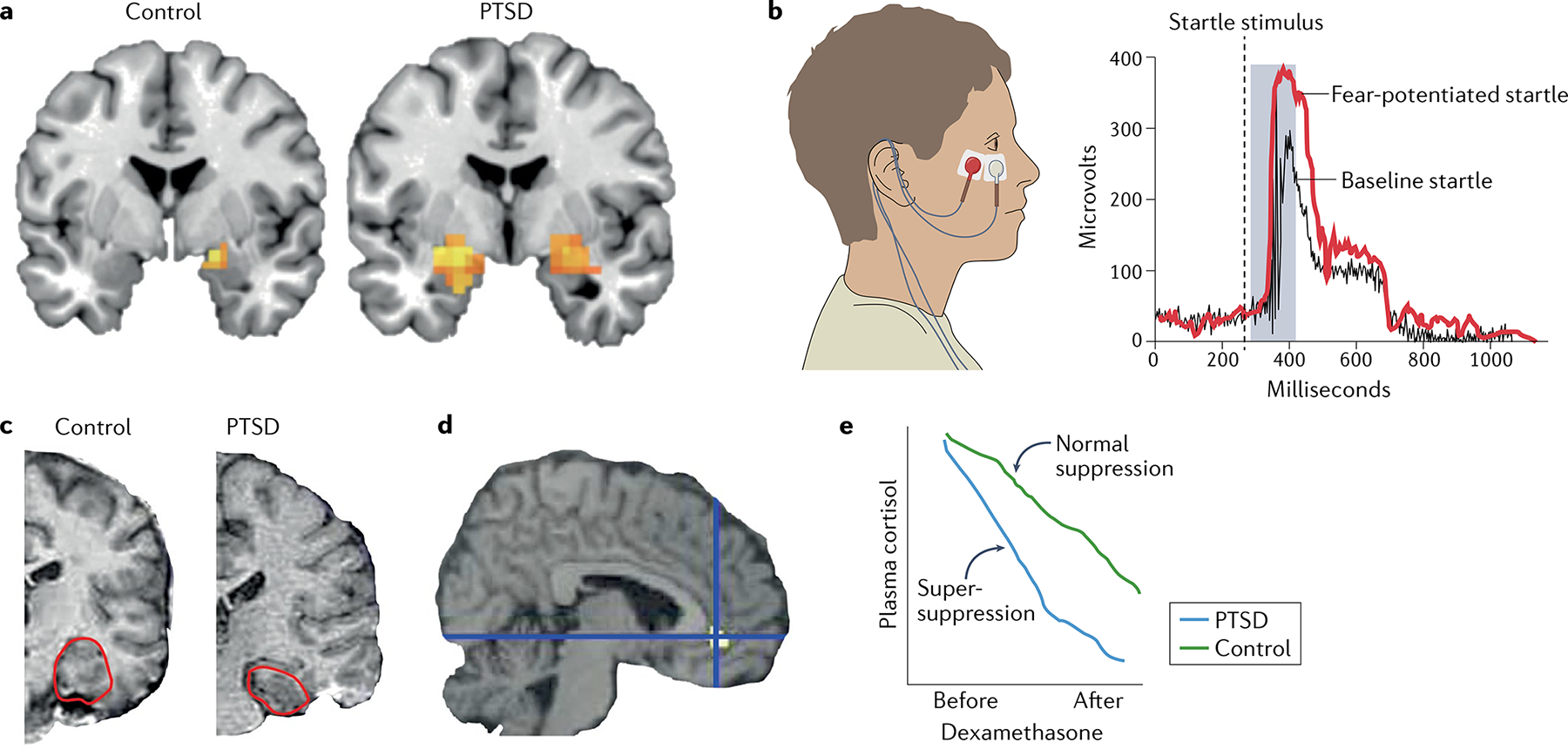
Post-traumatic stress disorder (PTSD) is a maladaptive and debilitating psychiatric disorder, characterized by re-experiencing, avoidance, negative emotions and thoughts, and hyperarousal in the months and years following exposure to severe trauma. PTSD has a prevalence of approximately 6-8% in the general population, although this can increase to 25% among groups who have experienced severe psychological trauma, such as combat veterans, refugees and victims of assault. The risk of developing PTSD in the aftermath of severe trauma is determined by multiple factors, including genetics - at least 30-40% of the risk of PTSD is heritable - and past history, for example, prior adult and childhood trauma. Many of the primary symptoms of PTSD, including hyperarousal and sleep dysregulation, are increasingly understood through translational neuroscience. In addition, a large amount of evidence suggests that PTSD can be viewed, at least in part, as a disorder that involves dysregulation of normal fear processes. The neural circuitry underlying fear and threat-related behaviour and learning in mammals, including the amygdala-hippocampus-medial prefrontal cortex circuit, is among the most well-understood in behavioural neuroscience. Furthermore, the study of threat-responding and its underlying circuitry has led to rapid progress in understanding learning and memory processes. By combining molecular-genetic approaches with a translational, mechanistic knowledge of fear circuitry, transformational advances in the conceptual framework, diagnosis and treatment of PTSD are possible. In this Review, we describe the clinical features and current treatments for PTSD, examine the neurobiology of symptom domains, highlight genomic advances and discuss translational approaches to understanding mechanisms and identifying new treatments and interventions for this devastating syndrome.
创伤后应激障碍(PTSD)是一种适应不良和使人衰弱的精神障碍,其特征是在经历严重创伤后的数月和数年内重新体验、回避、消极情绪和思想以及过度警觉。 PTSD 在普通人群中的患病率约为 6-8%,但在经历过严重心理创伤的人群中,如退伍军人、难民和性侵犯受害者,这一比例可增加到 25%。 PTSD 的发病风险受多种因素的影响,包括遗传因素——至少 30-40%的 PTSD 风险是可遗传的——以及过去的经历,例如以前的成人和儿童创伤。 PTSD 的许多主要症状,包括过度警觉和睡眠失调,通过转化神经科学得到了越来越多的理解。此外,大量证据表明,PTSD 至少在一定程度上可以被视为一种涉及正常恐惧过程失调的疾病。哺乳动物的恐惧和与威胁相关的行为和学习的神经回路,包括杏仁核-海马体-内侧前额叶皮质回路,是行为神经科学中研究得最透彻的神经回路之一。此外,对威胁反应及其潜在回路的研究导致了对学习和记忆过程的理解的快速进展。通过将分子遗传方法与恐惧回路的转化、机制知识相结合,有可能在 PTSD 的概念框架、诊断和治疗方面取得突破性进展。在这篇综述中,我们描述了 PTSD 的临床特征和当前治疗方法,检查了症状领域的神经生物学,强调了基因组学的进展,并讨论了理解机制和确定新的治疗方法和干预措施的转化方法,以治疗这种毁灭性的综合征。