Zhao Jiang, Zhang Qian, Zhu Cunle, Yuqi Wu, Zhang Guohui, Wang Qianliang, Dong Xingyou, Li Benyi, Wang Xiangwei
Department of Urology, Guangdong Provincial Key Laboratory of Autophagy and Major Chronic Non-Communicable Diseases, Affiliated Hospital of Guangdong Medical University, Zhanjiang, 524001, China.
Department of Urology, Second Affiliated Hospital, Army Medical University, Chongqing, 400037, China.
BioData Min. 2024 Dec 18;17(1):59. doi: 10.1186/s13040-024-00377-x.
Bladder cancer (BLCA) is a tumor that affects men more than women. The biological function and prognostic value of androgen-responsive genes (ARGs) in BLCA are currently unknown. To address this, we established an androgen signature to determine the prognosis of BLCA.
Sequencing data for BLCA from the TCGA and GEO datasets were used for research. The tumor microenvironment (TME) was measured using Cibersort and ssGSEA. Prognosis-related genes were identified and a risk score model was constructed using univariate Cox regression, LASSO regression, and multivariate Cox regression. Drug sensitivity analysis was performed using Genomics of drug sensitivity in cancer (GDSC). Real-time quantitative PCR was performed to assess the expression of representative genes in clinical samples.
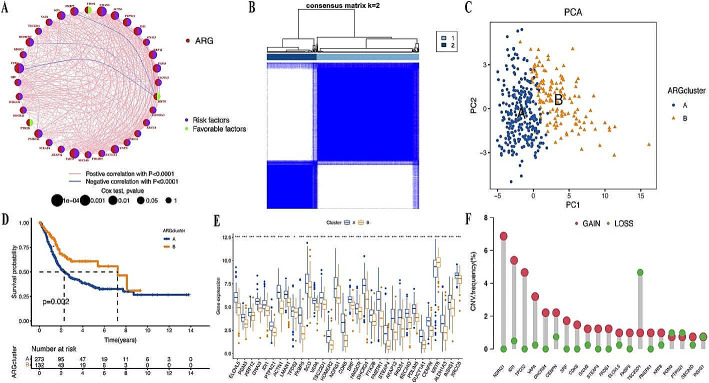
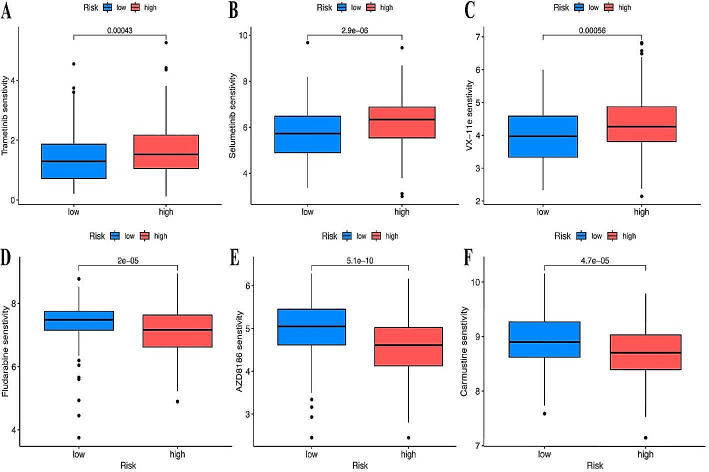
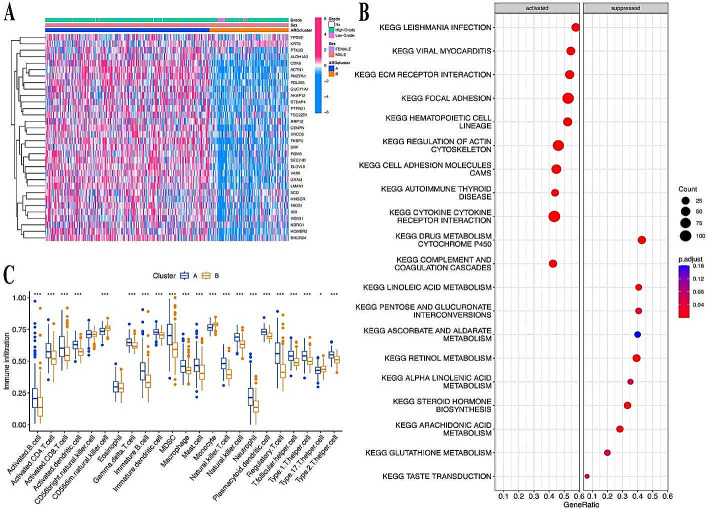
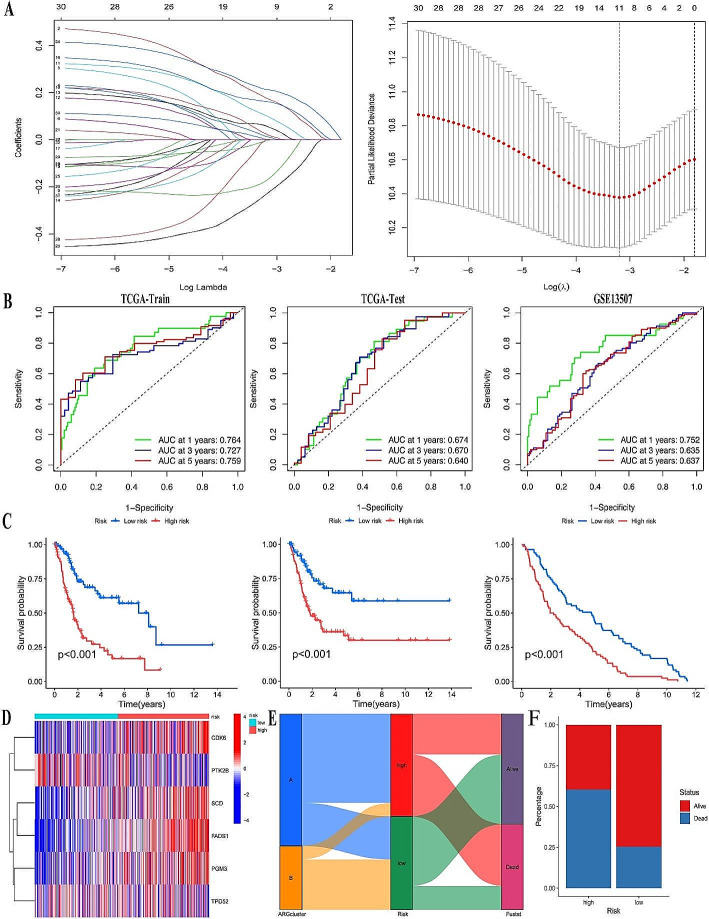
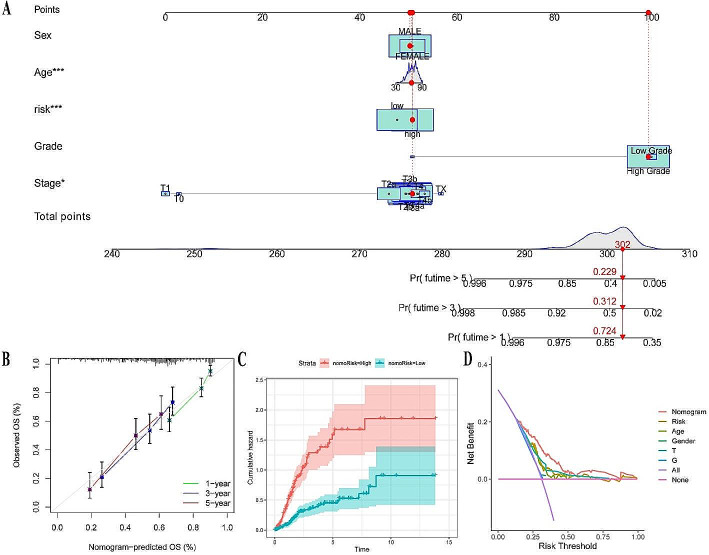
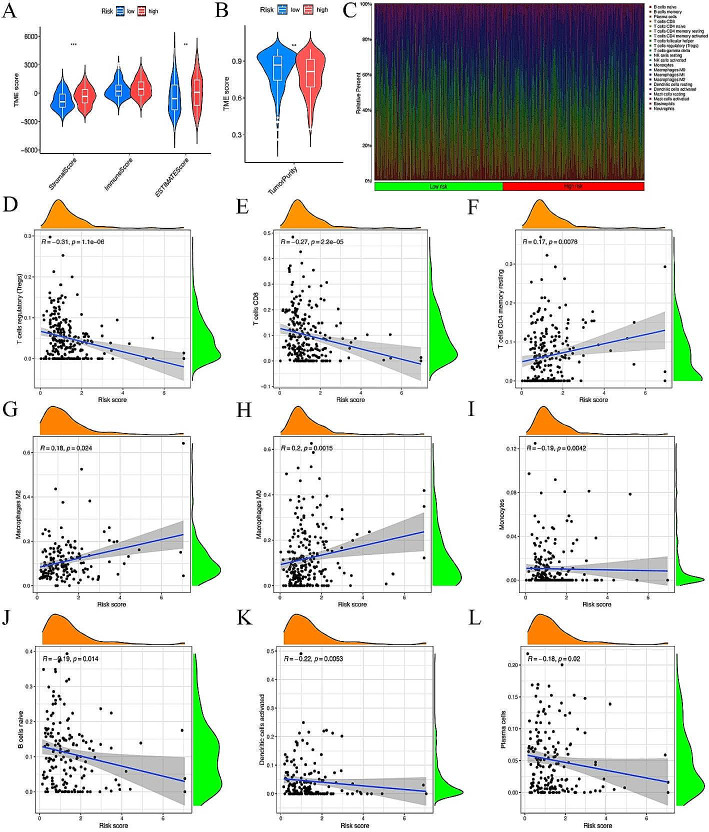
ARGs (especially the CDK6, FADS1, PGM3, SCD, PTK2B, and TPD52) might regulate the progression of BLCA. The different expression patterns of ARGs may lead to different immune cell infiltration. The risk model indicates that patients with higher risk scores have a poorer prognosis, more stromal infiltration, and an enrichment of biological functions. Single-cell RNA analysis, bulk RNA data, and PCR analysis support the reliability of this risk model, and a nomogram was also established for clinical use. Drug prediction analysis showed that high-risk patients had a better response to fludarabine, AZD8186, and carmustine.
ARGs played an important role in the progression, immune infiltration, and prognosis of BLCA. The ARGs model has high accuracy in predicting the prognosis of BLCA patients and provides more effective medication guidelines.
膀胱癌(BLCA)是一种男性患者多于女性患者的肿瘤。目前尚不清楚雄激素反应基因(ARGs)在BLCA中的生物学功能和预后价值。为解决这一问题,我们建立了一种雄激素特征来确定BLCA的预后。
使用来自TCGA和GEO数据集的BLCA测序数据进行研究。使用Cibersort和ssGSEA测量肿瘤微环境(TME)。通过单变量Cox回归、LASSO回归和多变量Cox回归鉴定预后相关基因并构建风险评分模型。使用癌症药物敏感性基因组学(GDSC)进行药物敏感性分析。进行实时定量PCR以评估临床样本中代表性基因的表达。
ARGs(尤其是CDK6、FADS1、PGM3、SCD、PTK2B和TPD52)可能调节BLCA的进展。ARGs的不同表达模式可能导致不同的免疫细胞浸润。风险模型表明,风险评分较高的患者预后较差,基质浸润更多,生物学功能富集。单细胞RNA分析、批量RNA数据和PCR分析支持该风险模型的可靠性,并且还建立了用于临床的列线图。药物预测分析表明,高危患者对氟达拉滨、AZD8186和卡莫司汀反应更好。
ARGs在BLCA的进展、免疫浸润和预后中起重要作用。ARGs模型在预测BLCA患者预后方面具有较高的准确性,并提供了更有效的用药指南。