Song Wei-Fang, Wang Rui-Jun, Yao Rui-Xin, Jiang Qiu-Yan, Feng Juan, Luo Kun, Di Zheng-Han, Ma Cheng-Mei, Xie Lan
Department of Pathophysiology, Fenyang College, Shanxi Medical University, Fenyang, 032200, China.
Medical Systems Biology Research Center, Tsinghua University School of Medicine, Beijing, 100084, China.
Chin Med. 2024 Dec 19;19(1):172. doi: 10.1186/s13020-024-01044-3.
Pulsatilla chinensis (PC) is a traditional Chinese medicine (TCM) known for its beneficial activities. It has been historically used to treat dysentery, vaginal trichomoniasis, bacterial infections, and malignant tumors. The therapeutic potential of PC in the management of hypercholesterolemia remains largely unexplored.
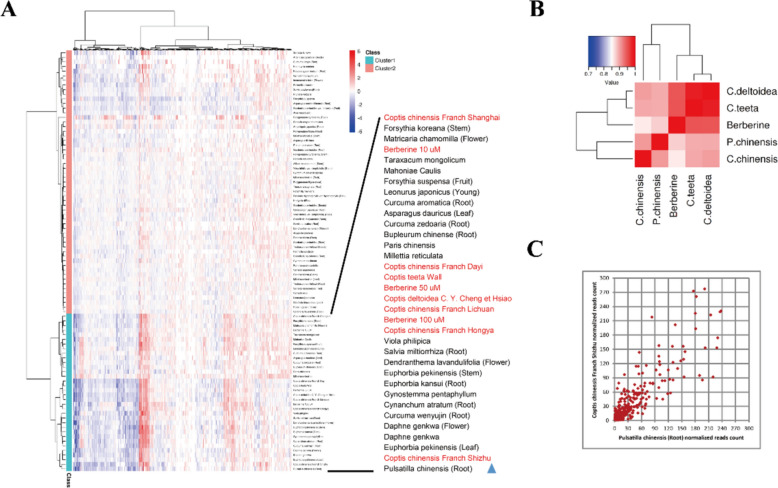
A high-throughput screening based on high-throughput sequencing was conducted in HepG2 cells to construct gene expression profiles for several hundred TCMs. In vivo evaluation of the efficacy of PC was performed using rats with hypercholesterolemia. Transcriptome analysis was carried out on PC-treated rat livers and HepG2 cells to investigate the mechanism of action of PC in vitro. The findings were further validated using RT-qPCR and western blot techniques.
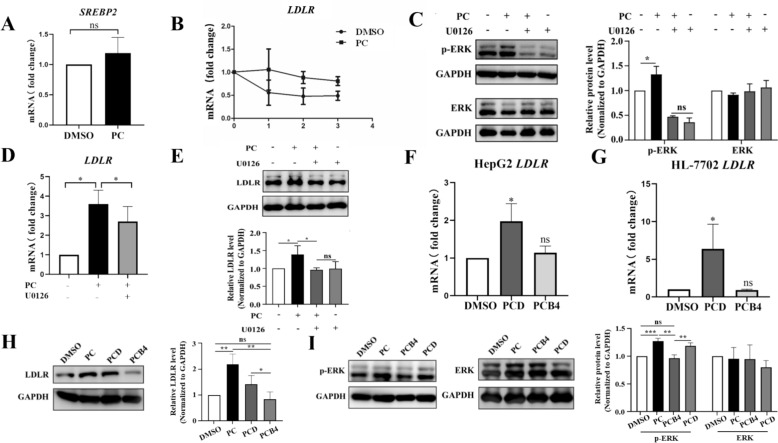
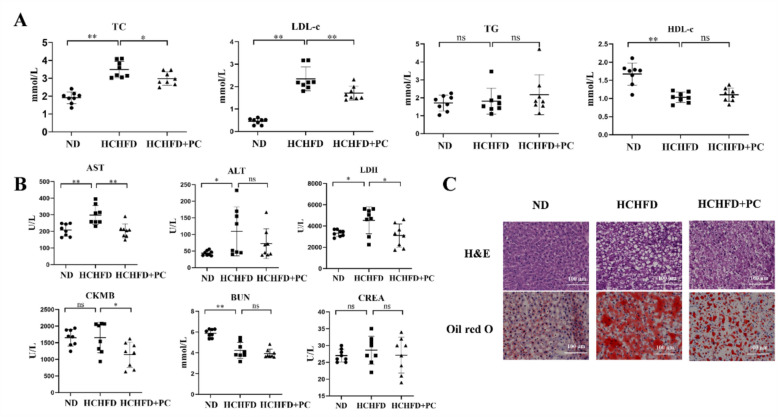
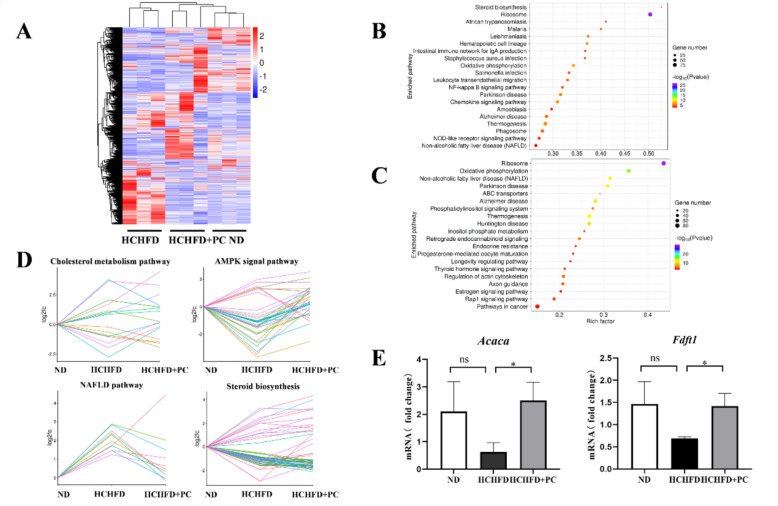
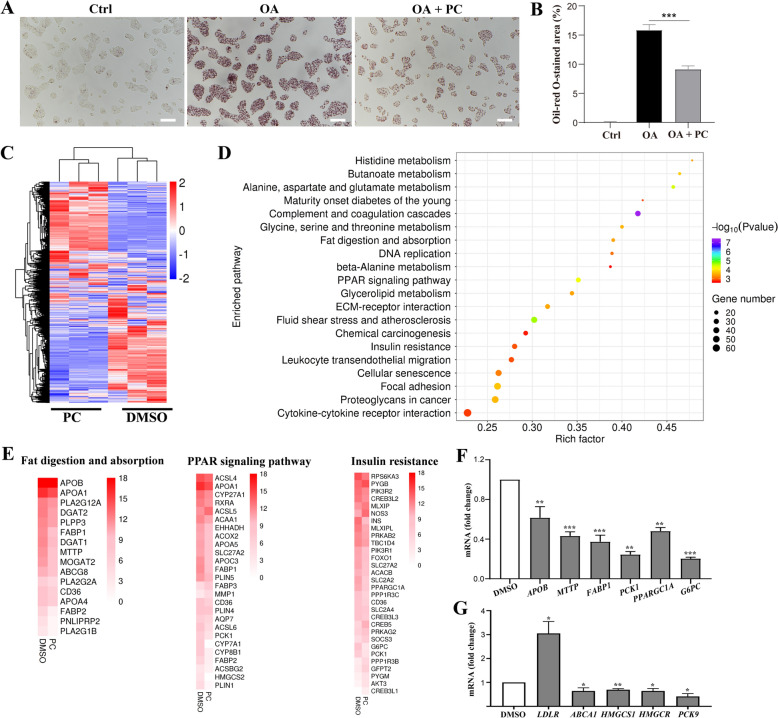
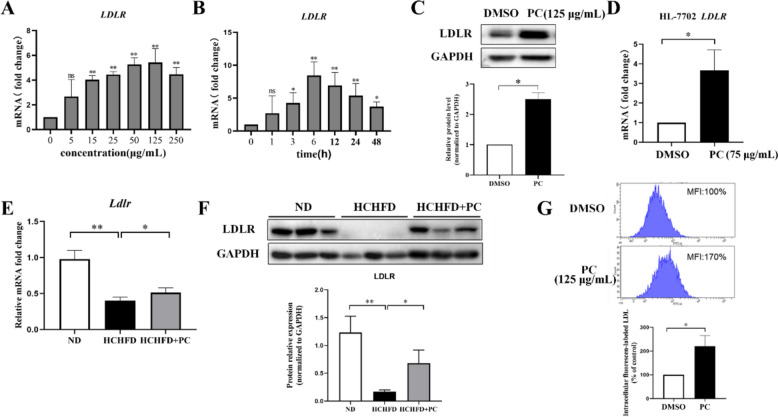
PC was identified as similar to Rhizoma Coptidis based on signature genes related to metabolism. Administration of PC via gavage in rats with hypercholesterolemia for 11 weeks resulted in substantially reduced serum total cholesterol and low-density lipoprotein (LDL) cholesterol and ameliorated fatty liver. Transcriptome analysis revealed that PC regulated various pathways associated with lipid metabolism. The LDL receptor (LDLR), a key player in cholesterol metabolism, was upregulated by PC both in vivo and in vitro. It was discovered that PC achieved this upregulation by activating extracellular regulated protein kinase (ERK) signaling in HepG2 cells. To uncover the major bioactive components responsible for the anti- hypercholesterolemia effect of PC, two major saponins, named Pulsatilla saponin D (PCD) and PC anemoside B4 (PCB4), were assessed. PCD, but not PCB4, was identified as the active ingredient responsible for the upregulation of LDLR by PC.
These findings demonstrated that PC acts as an antihypercholesterolemic agent by upregulating LDLR in an ERK-dependent manner and holds potential in the treatment of hypercholesterolemia.
白头翁是一种具有多种有益活性的传统中药。历史上它被用于治疗痢疾、阴道滴虫病、细菌感染和恶性肿瘤。白头翁在高胆固醇血症管理方面的治疗潜力在很大程度上仍未被探索。
在HepG2细胞中基于高通量测序进行高通量筛选,以构建数百种中药的基因表达谱。使用高胆固醇血症大鼠对白头翁的疗效进行体内评估。对经白头翁处理的大鼠肝脏和HepG2细胞进行转录组分析,以研究白头翁在体外的作用机制。使用RT-qPCR和蛋白质印迹技术进一步验证研究结果。
基于与代谢相关的特征基因,白头翁被鉴定为与黄连相似。对高胆固醇血症大鼠进行11周的灌胃给予白头翁后,血清总胆固醇和低密度脂蛋白(LDL)胆固醇大幅降低,脂肪肝得到改善。转录组分析表明,白头翁调节了与脂质代谢相关的各种途径。LDL受体(LDLR)是胆固醇代谢的关键参与者,在体内和体外均被白头翁上调。发现白头翁通过激活HepG2细胞中的细胞外调节蛋白激酶(ERK)信号来实现这种上调。为了揭示负责白头翁抗高胆固醇血症作用的主要生物活性成分,评估了两种主要皂苷,即白头翁皂苷D(PCD)和白头翁皂苷B4(PCB4)。PCD而非PCB4被鉴定为负责白头翁上调LDLR的活性成分。
这些发现表明,白头翁通过以ERK依赖的方式上调LDLR发挥抗高胆固醇血症作用,在高胆固醇血症治疗方面具有潜力。