
α-硫辛酸通过靶向[具体内容缺失]表达来抑制宫颈癌进展。
Alpha-lipoic acid targets expression to inhibit cervical cancer progression.
作者信息
Mao Yi, Li Hongtao, Xu Gang, Tian Jiazhen, Chen Yuechan, Zhang Zhiwei
机构信息
Department of Histology and Embryology/Key Laboratory of Xinjiang Endemic and Ethnic Diseases of Ministry of Education, Shihezi University School of Medicine, Shihezi 832000, China.
Department of Reproductive Medicine, the First Affiliated Hospital of Shihezi University, Shihezi 832000, China.
出版信息
Acta Biochim Biophys Sin (Shanghai). 2024 Dec 17;57(2):237-249. doi: 10.3724/abbs.2024212.
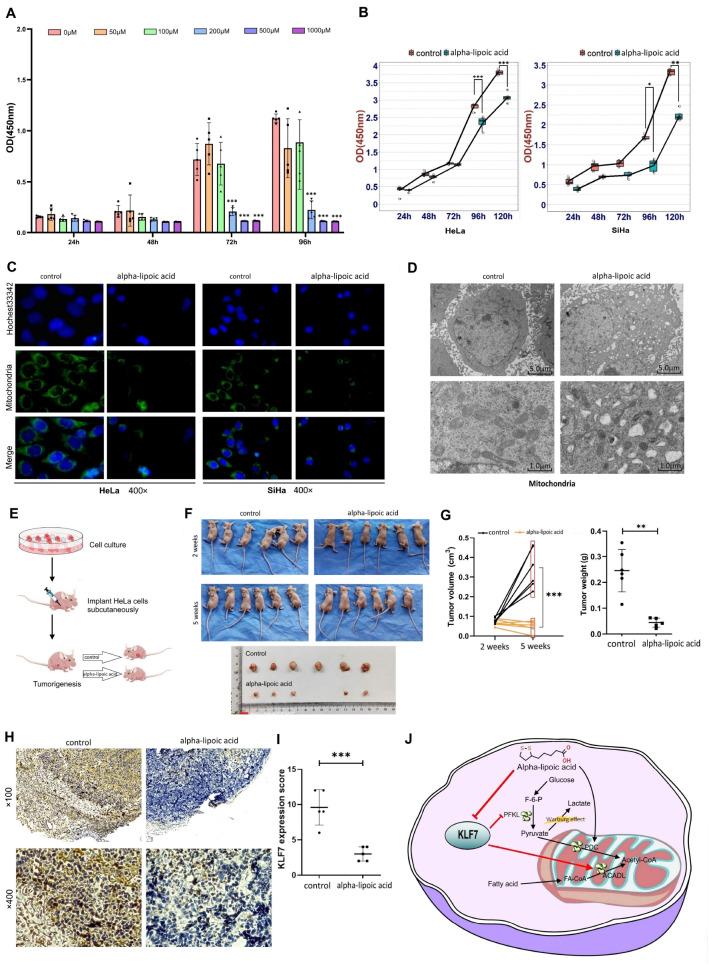
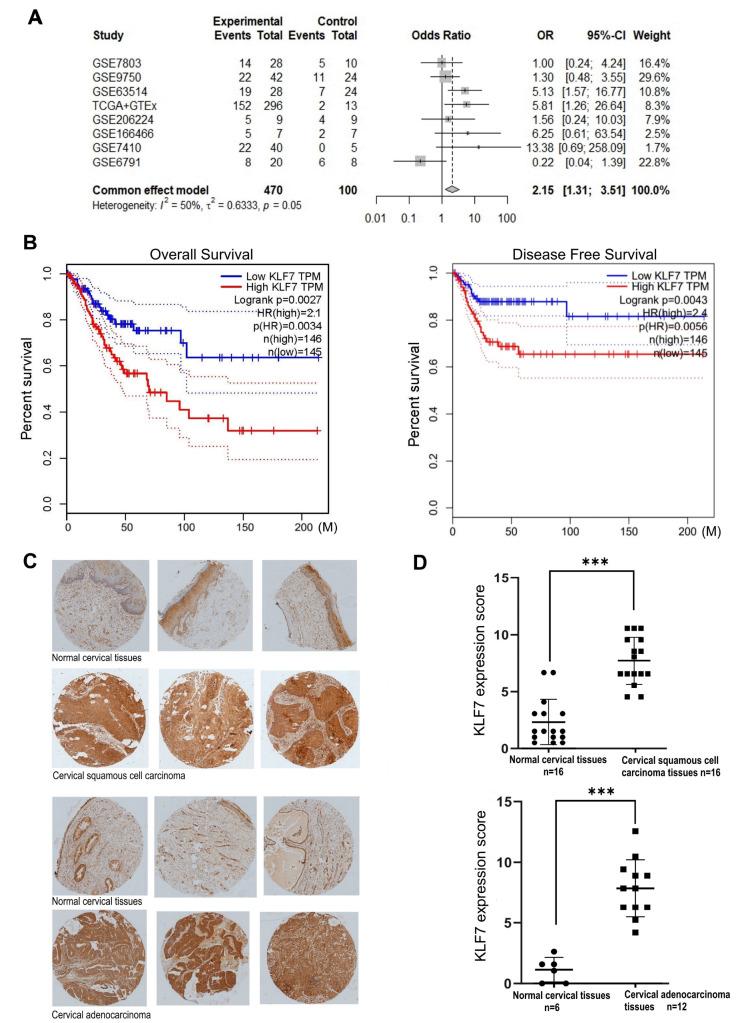
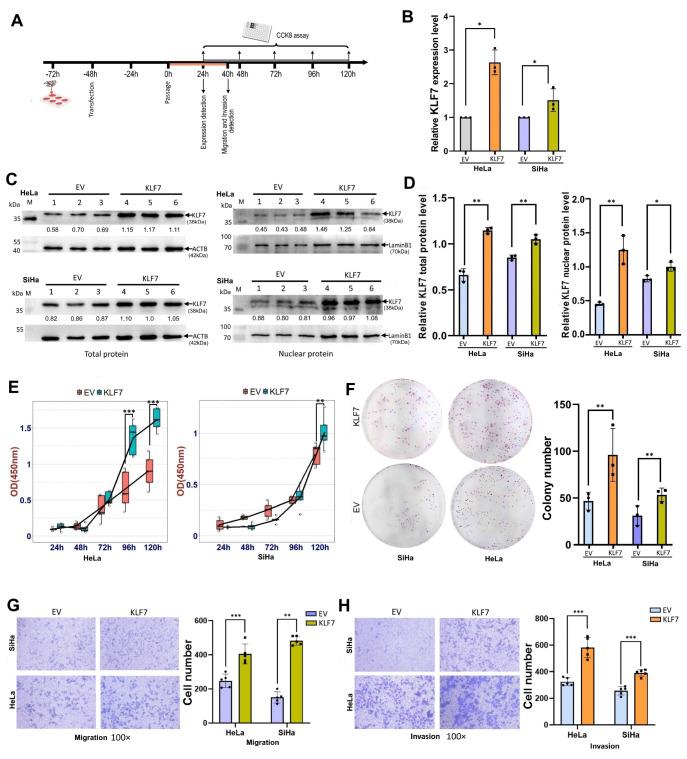
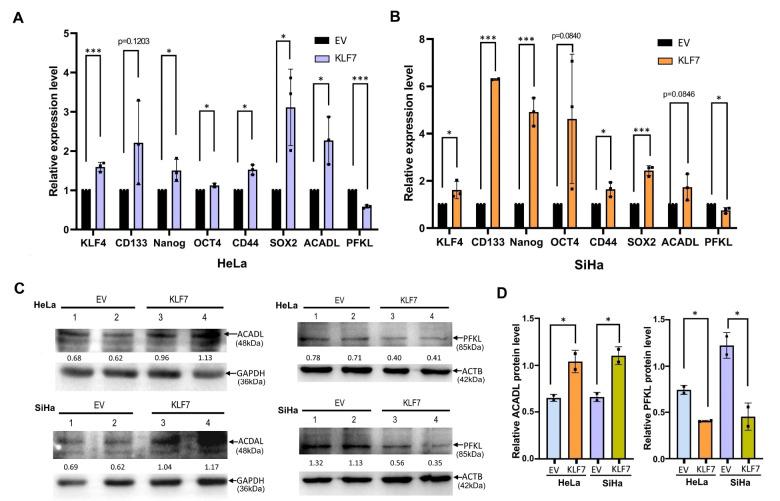
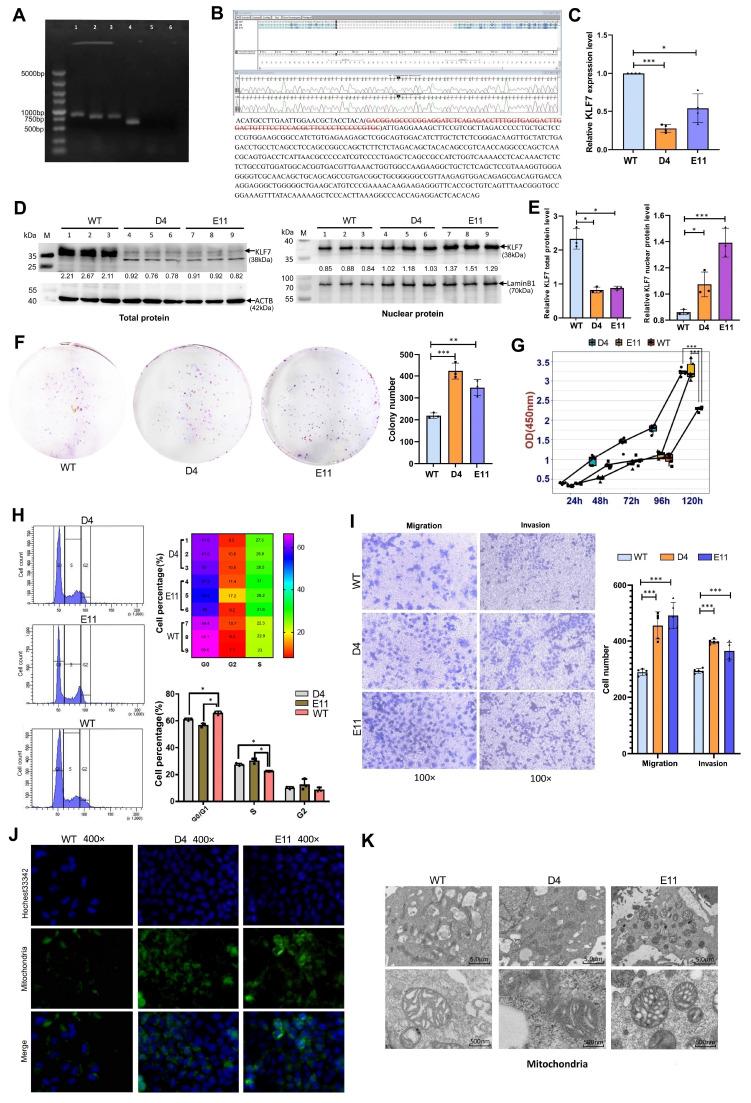
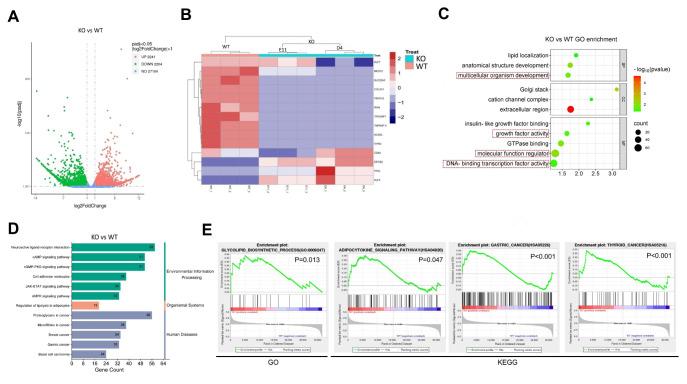
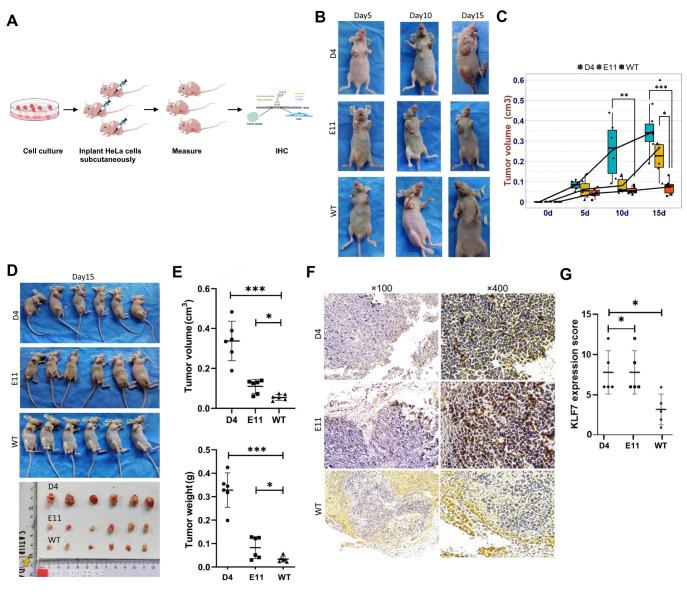
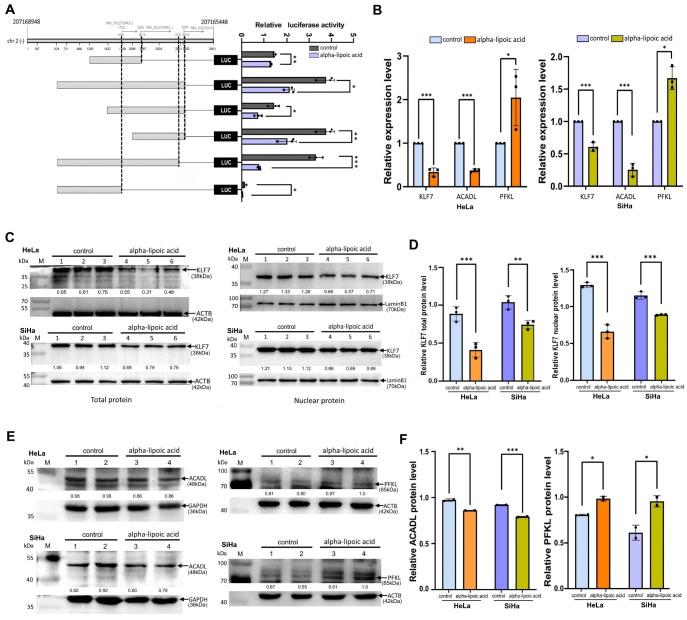
It is unclear what part KLF7 plays in cervical cancer. In this study, immunohistochemical and bioinformatics analyses reveal that KLF7 expression is lower in normal cervical tissues than in cervical cancer tissues, and the high level of transcripts in cervical cancer tissues is negatively correlated with patients' overall and disease-free survival. In addition, KLF7 overexpression facilitates the proliferation, migration, and invasion of cervical cells, reduces PFKL expression, and increases the expressions of , , , , , and . Additionally, knocking out the Exon 2 of in HeLa cells results in a decrease in the total expression of KLF7 but an increase in the nuclear expression of KLF7, an increase in the capacity for proliferation, migration, invasion, and oncogenicity, and an increase in the density and ridge density of mitochondria. Consistent with these findings, RNA-seq analysis shows that knocking out the Exon 2 of facilitates the expression of gene sets associated with cancer compared with that in wild-type HeLa cells. Moreover, the administration of alpha-lipoic acid (ALA) leads to a reduction in KLF7 expression in cells and tumor tissues, a suppression of the proliferation, migration, and invasion of HeLa and SiHa cells, and an increase in the carcinogenic potential of HeLa cells, while KLF7 overexpression shows the opposite effect on the expressions of ACADL and PFKL in HeLa and SiHa cells. In conclusion, KLF7 promotes the development of cervical cancer, and ALA can downregulate KLF7 expression and play a positive role in cervical cancer treatment.
KLF7在宫颈癌中发挥何种作用尚不清楚。在本研究中,免疫组织化学和生物信息学分析表明,正常宫颈组织中KLF7的表达低于宫颈癌组织,且宫颈癌组织中转录本的高水平与患者的总生存期和无病生存期呈负相关。此外,KLF7过表达促进宫颈细胞的增殖、迁移和侵袭,降低PFKL表达,并增加 、 、 、 、 和 的表达。另外,在HeLa细胞中敲除 的外显子2导致KLF7总表达量下降,但KLF7核表达量增加,增殖、迁移、侵袭和致癌能力增强,线粒体密度和嵴密度增加。与这些发现一致,RNA测序分析表明,与野生型HeLa细胞相比,敲除 的外显子2促进了与癌症相关的基因集的表达。此外,给予α-硫辛酸(ALA)导致细胞和肿瘤组织中KLF7表达降低,抑制HeLa和SiHa细胞的增殖、迁移和侵袭,并增加HeLa细胞的致癌潜力,而KLF7过表达对HeLa和SiHa细胞中ACADL和PFKL的表达显示出相反的作用。总之,KLF7促进宫颈癌的发展,ALA可下调KLF7表达并在宫颈癌治疗中发挥积极作用。
 Zotero 插件