• 文献检索
  • 文档翻译
  • 深度研究
  • 学术资讯
  • Suppr Zotero 插件Zotero 插件
  • 邀请有礼
  • 套餐&价格
  • 历史记录
应用&插件
Suppr Zotero 插件Zotero 插件浏览器插件Mac 客户端Windows 客户端微信小程序
定价
高级版会员购买积分包购买API积分包
服务
文献检索文档翻译深度研究API 文档MCP 服务
关于我们
关于 Suppr公司介绍联系我们用户协议隐私条款
关注我们

Suppr 超能文献

核心技术专利:CN118964589B侵权必究
粤ICP备2023148730 号-1Suppr @ 2026

文献检索

告别复杂PubMed语法,用中文像聊天一样搜索,搜遍4000万医学文献。AI智能推荐,让科研检索更轻松。

立即免费搜索

文件翻译

保留排版,准确专业,支持PDF/Word/PPT等文件格式,支持 12+语言互译。

免费翻译文档

深度研究

AI帮你快速写综述,25分钟生成高质量综述,智能提取关键信息,辅助科研写作。

立即免费体验

用于小头畸形建模、胶质瘤侵袭研究和药物筛选的高质量人脑类器官的可靠性

Reliability of high-quantity human brain organoids for modeling microcephaly, glioma invasion and drug screening.

作者信息

Ramani Anand, Pasquini Giovanni, Gerkau Niklas J, Jadhav Vaibhav, Vinchure Omkar Suhas, Altinisik Nazlican, Windoffer Hannes, Muller Sarah, Rothenaigner Ina, Lin Sean, Mariappan Aruljothi, Rathinam Dhanasekaran, Mirsaidi Ali, Goureau Olivier, Ricci-Vitiani Lucia, D'Alessandris Quintino Giorgio, Wollnik Bernd, Muotri Alysson, Freifeld Limor, Jurisch-Yaksi Nathalie, Pallini Roberto, Rose Christine R, Busskamp Volker, Gabriel Elke, Hadian Kamyar, Gopalakrishnan Jay

机构信息

Institute of Human Genetics, University Hospital, Friedrich-Schiller-Universität Jena, 07740, Jena, Germany.

Department of Ophthalmology, University Hospital Bonn, Medical Faculty, Bonn, Germany.

出版信息

Nat Commun. 2024 Dec 19;15(1):10703. doi: 10.1038/s41467-024-55226-6.

DOI:10.1038/s41467-024-55226-6
PMID:39702477
原文链接:https://pmc.ncbi.nlm.nih.gov/articles/PMC11659410/
Abstract

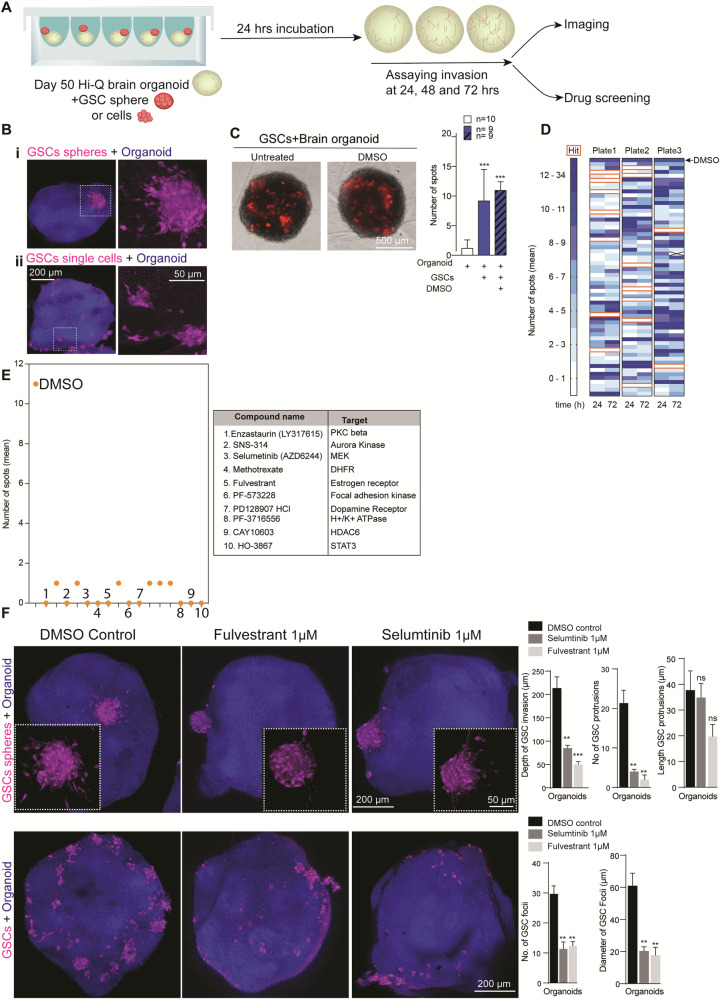
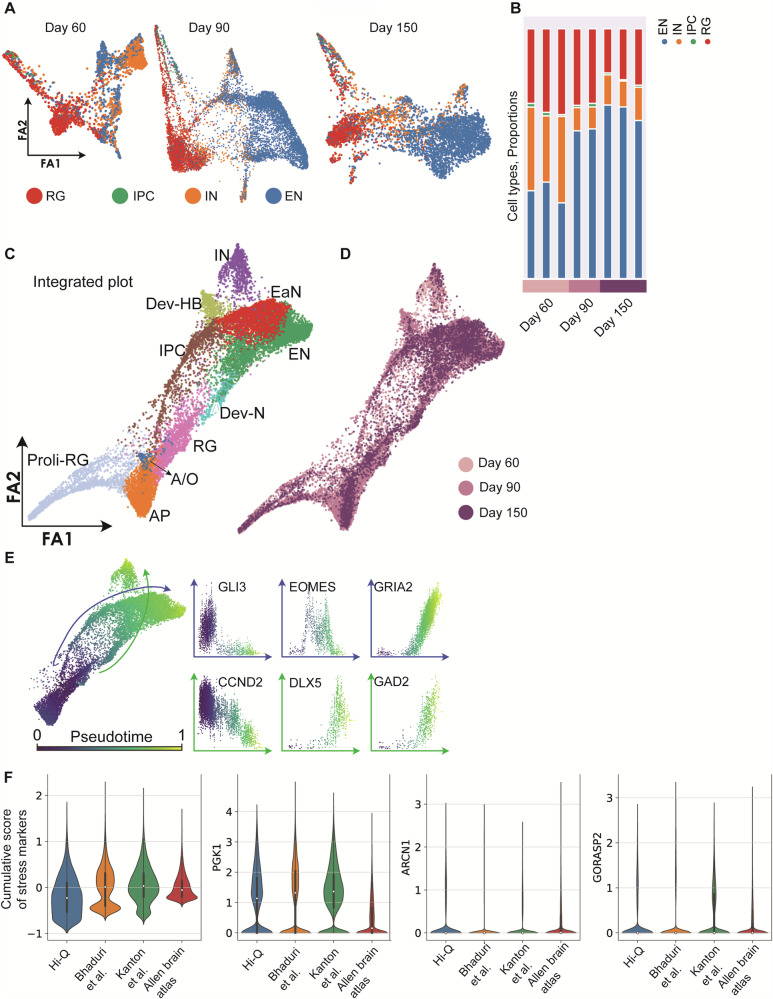
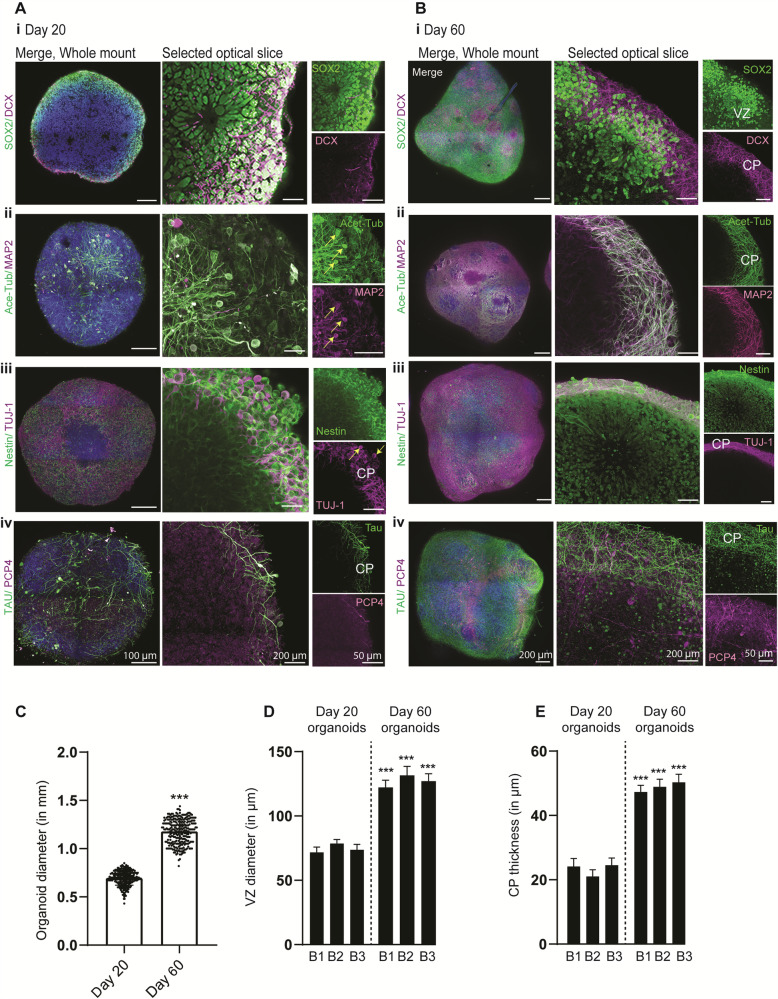
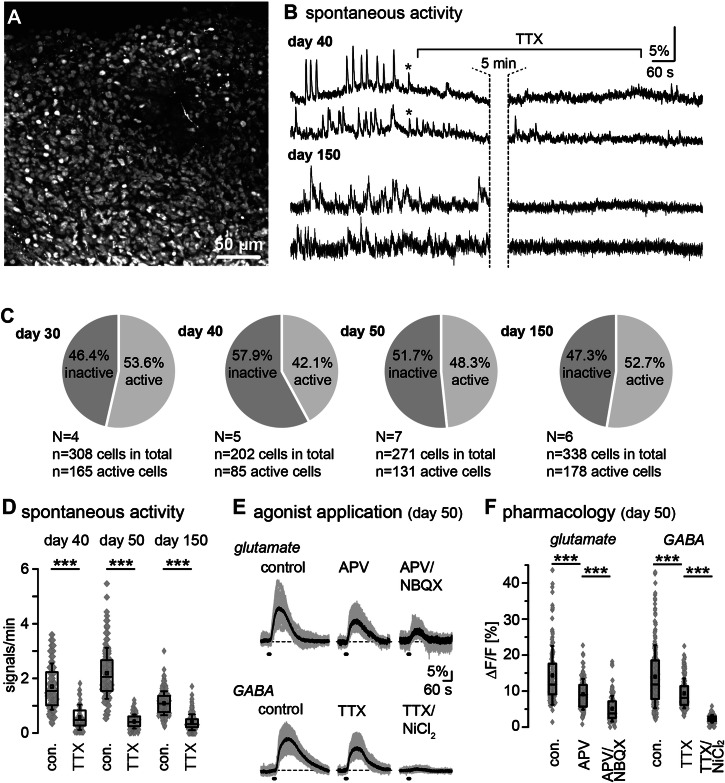
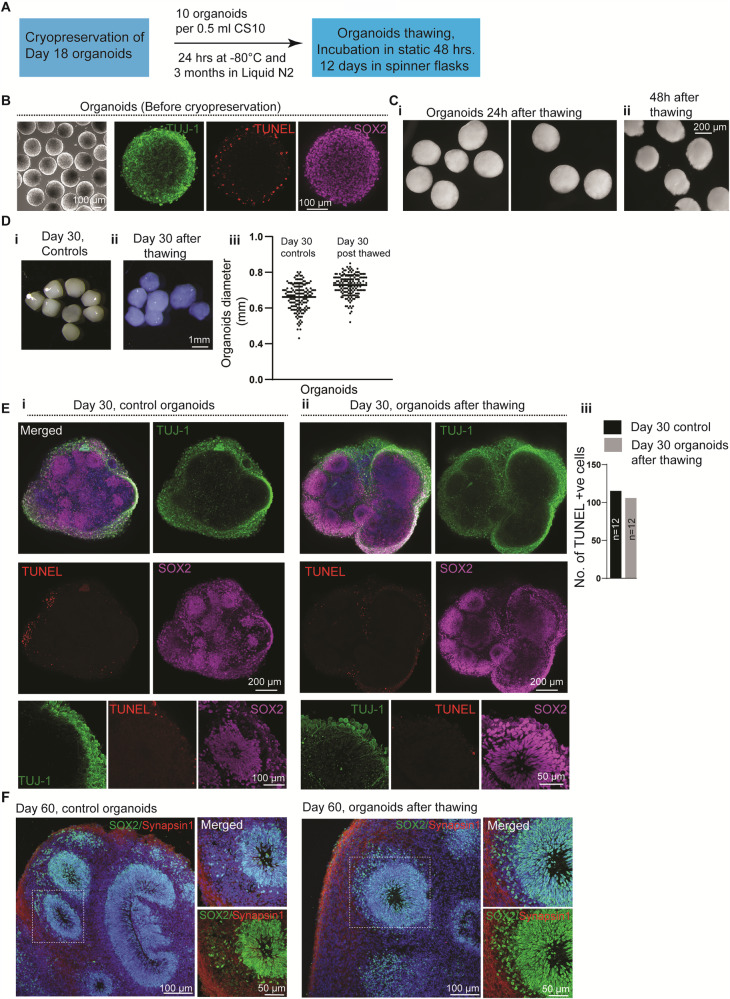
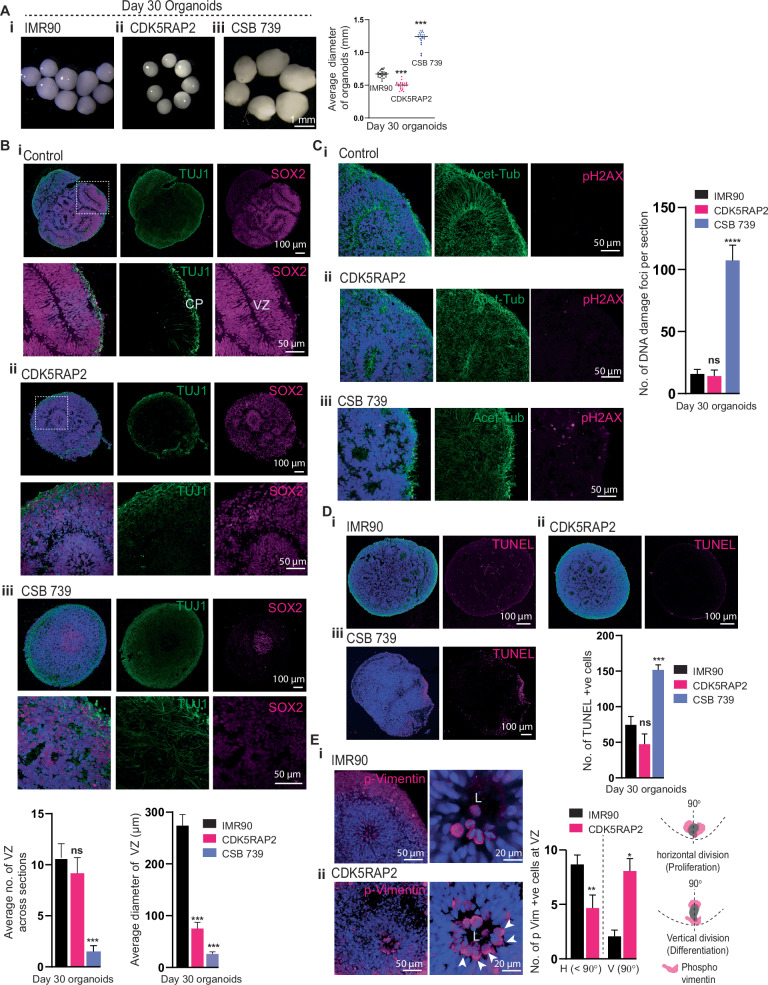
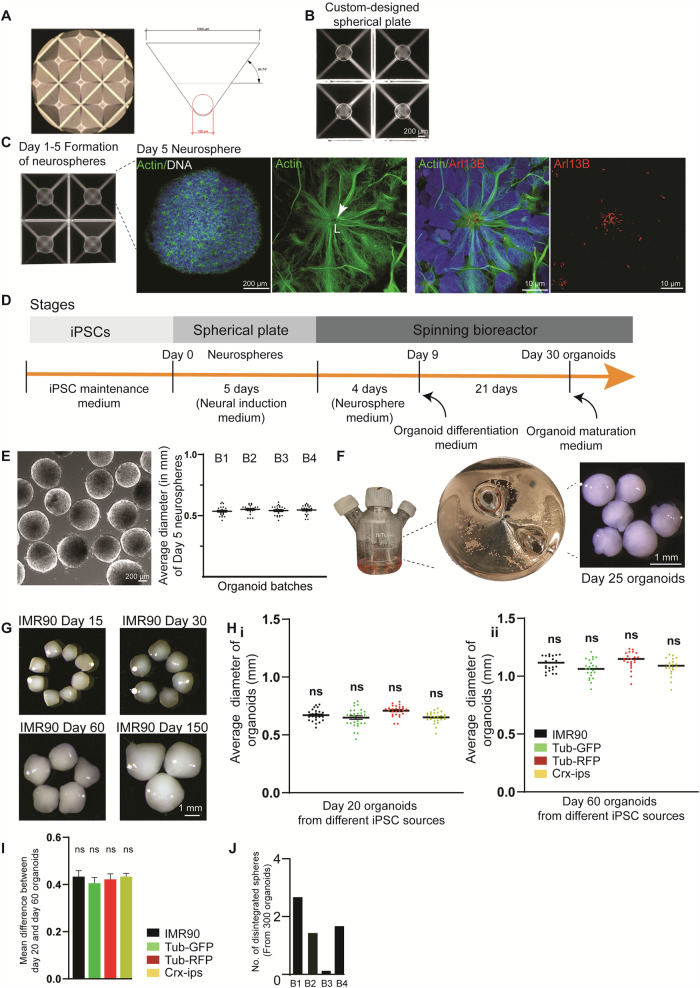
Brain organoids offer unprecedented insights into brain development and disease modeling and hold promise for drug screening. Significant hindrances, however, are morphological and cellular heterogeneity, inter-organoid size differences, cellular stress, and poor reproducibility. Here, we describe a method that reproducibly generates thousands of organoids across multiple hiPSC lines. These High Quantity brain organoids (Hi-Q brain organoids) exhibit reproducible cytoarchitecture, cell diversity, and functionality, are free from ectopically active cellular stress pathways, and allow cryopreservation and re-culturing. Patient-derived Hi-Q brain organoids recapitulate distinct forms of developmental defects: primary microcephaly due to a mutation in CDK5RAP2 and progeria-associated defects of Cockayne syndrome. Hi-Q brain organoids displayed a reproducible invasion pattern for a given patient-derived glioma cell line. This enabled a medium-throughput drug screen to identify Selumetinib and Fulvestrant, as inhibitors of glioma invasion in vivo. Thus, the Hi-Q approach can easily be adapted to reliably harness brain organoids' application for personalized neurogenetic disease modeling and drug discovery.

摘要

脑类器官为大脑发育和疾病建模提供了前所未有的见解,并有望用于药物筛选。然而,显著的障碍包括形态和细胞异质性、类器官间大小差异、细胞应激以及可重复性差。在此,我们描述了一种可在多个诱导多能干细胞系中可重复地生成数千个类器官的方法。这些高数量脑类器官(Hi-Q脑类器官)展现出可重复的细胞结构、细胞多样性和功能,不存在异位激活的细胞应激途径,并允许冷冻保存和重新培养。患者来源的Hi-Q脑类器官重现了不同形式的发育缺陷:由CDK5RAP2突变导致的原发性小头畸形以及与早衰相关的科凯恩综合征缺陷。对于给定的患者来源的胶质瘤细胞系,Hi-Q脑类器官呈现出可重复的侵袭模式。这使得能够进行中通量药物筛选,以鉴定司美替尼和氟维司群作为体内胶质瘤侵袭的抑制剂。因此,Hi-Q方法可以很容易地进行调整,以可靠地利用脑类器官在个性化神经遗传疾病建模和药物发现中的应用。
https://cdn.ncbi.nlm.nih.gov/pmc/blobs/ebc8/11659410/818ca8104131/41467_2024_55226_Fig7_HTML.jpg
https://cdn.ncbi.nlm.nih.gov/pmc/blobs/ebc8/11659410/9a312c9a8d4a/41467_2024_55226_Fig1_HTML.jpg
https://cdn.ncbi.nlm.nih.gov/pmc/blobs/ebc8/11659410/64019f7c5139/41467_2024_55226_Fig2_HTML.jpg
https://cdn.ncbi.nlm.nih.gov/pmc/blobs/ebc8/11659410/1f94eb8f54b1/41467_2024_55226_Fig3_HTML.jpg
https://cdn.ncbi.nlm.nih.gov/pmc/blobs/ebc8/11659410/51043ef147e3/41467_2024_55226_Fig4_HTML.jpg
https://cdn.ncbi.nlm.nih.gov/pmc/blobs/ebc8/11659410/3f89aab2bf4a/41467_2024_55226_Fig5_HTML.jpg
https://cdn.ncbi.nlm.nih.gov/pmc/blobs/ebc8/11659410/f1ff75101f65/41467_2024_55226_Fig6_HTML.jpg
https://cdn.ncbi.nlm.nih.gov/pmc/blobs/ebc8/11659410/818ca8104131/41467_2024_55226_Fig7_HTML.jpg
https://cdn.ncbi.nlm.nih.gov/pmc/blobs/ebc8/11659410/9a312c9a8d4a/41467_2024_55226_Fig1_HTML.jpg
https://cdn.ncbi.nlm.nih.gov/pmc/blobs/ebc8/11659410/64019f7c5139/41467_2024_55226_Fig2_HTML.jpg
https://cdn.ncbi.nlm.nih.gov/pmc/blobs/ebc8/11659410/1f94eb8f54b1/41467_2024_55226_Fig3_HTML.jpg
https://cdn.ncbi.nlm.nih.gov/pmc/blobs/ebc8/11659410/51043ef147e3/41467_2024_55226_Fig4_HTML.jpg
https://cdn.ncbi.nlm.nih.gov/pmc/blobs/ebc8/11659410/3f89aab2bf4a/41467_2024_55226_Fig5_HTML.jpg
https://cdn.ncbi.nlm.nih.gov/pmc/blobs/ebc8/11659410/f1ff75101f65/41467_2024_55226_Fig6_HTML.jpg
https://cdn.ncbi.nlm.nih.gov/pmc/blobs/ebc8/11659410/818ca8104131/41467_2024_55226_Fig7_HTML.jpg

相似文献

1
Reliability of high-quantity human brain organoids for modeling microcephaly, glioma invasion and drug screening.用于小头畸形建模、胶质瘤侵袭研究和药物筛选的高质量人脑类器官的可靠性
Nat Commun. 2024 Dec 19;15(1):10703. doi: 10.1038/s41467-024-55226-6.
2
A novel integrated system using patient-derived glioma cerebral organoids and xenografts for disease modeling and drug screening.一种新型的集成系统,使用患者来源的神经胶质瘤类器官和异种移植物进行疾病建模和药物筛选。
Cancer Lett. 2021 Mar 1;500:87-97. doi: 10.1016/j.canlet.2020.12.013. Epub 2020 Dec 10.
3
Trends and challenges in modeling glioma using 3D human brain organoids.使用 3D 人类大脑类器官建模神经胶质瘤的趋势和挑战。
Cell Death Differ. 2021 Jan;28(1):15-23. doi: 10.1038/s41418-020-00679-7. Epub 2020 Dec 1.
4
Patient-derived organoids and orthotopic xenografts of primary and recurrent gliomas represent relevant patient avatars for precision oncology.患者来源的类器官和原发及复发性脑胶质瘤的原位异种移植为精准肿瘤学提供了相关的患者替身。
Acta Neuropathol. 2020 Dec;140(6):919-949. doi: 10.1007/s00401-020-02226-7. Epub 2020 Oct 3.
5
Modeling Patient-Derived Glioblastoma with Cerebral Organoids.利用脑类器官对患者来源的脑胶质瘤进行建模。
Cell Rep. 2019 Mar 19;26(12):3203-3211.e5. doi: 10.1016/j.celrep.2019.02.063.
6
Opportunities and challenges of glioma organoids.脑胶质瘤类器官的机遇与挑战。
Cell Commun Signal. 2021 Oct 11;19(1):102. doi: 10.1186/s12964-021-00777-0.
7
A fully automated high-throughput workflow for 3D-based chemical screening in human midbrain organoids.一种全自动高通量工作流程,用于基于 3D 的人类中脑细胞类器官中的化学筛选。
Elife. 2020 Nov 3;9:e52904. doi: 10.7554/eLife.52904.
8
Development of glioblastoma organoids and their applications in personalized therapy.胶质母细胞瘤类器官的发展及其在个性化治疗中的应用。
Cancer Biol Med. 2023 Jun 5;20(5):353-68. doi: 10.20892/j.issn.2095-3941.2023.0061.
9
Advancing Drug Discovery for Neurological Disorders Using iPSC-Derived Neural Organoids.利用 iPSC 衍生的神经类器官推进神经紊乱药物研发。
Int J Mol Sci. 2021 Mar 6;22(5):2659. doi: 10.3390/ijms22052659.
10
Using brain organoids to understand Zika virus-induced microcephaly.利用脑类器官了解寨卡病毒引发的小头畸形。
Development. 2017 Mar 15;144(6):952-957. doi: 10.1242/dev.140707.

引用本文的文献

1
Navigating Brain Organoid Maturation: From Benchmarking Frameworks to Multimodal Bioengineering Strategies.驾驭脑类器官成熟:从基准框架到多模态生物工程策略
Biomolecules. 2025 Aug 4;15(8):1118. doi: 10.3390/biom15081118.
2
Brain Organoids and Assembloids-From Disease Modeling to Drug Discovery.脑类器官和组装体——从疾病建模到药物发现
Cells. 2025 Jun 4;14(11):842. doi: 10.3390/cells14110842.
3
Generation of Neural Organoids and Their Application in Disease Modeling and Regenerative Medicine.神经类器官的生成及其在疾病建模和再生医学中的应用。

本文引用的文献

1
Protocol for generating embedding-free brain organoids enriched with oligodendrocytes.生成富含少突胶质细胞的无嵌合脑类器官的方案。
STAR Protoc. 2023 Dec 15;4(4):102725. doi: 10.1016/j.xpro.2023.102725. Epub 2023 Nov 16.
2
Assembloid CRISPR screens reveal impact of disease genes in human neurodevelopment.聚集型 CRISPR 筛选揭示了疾病基因对人类神经发育的影响。
Nature. 2023 Oct;622(7982):359-366. doi: 10.1038/s41586-023-06564-w. Epub 2023 Sep 27.
3
Updated overall survival from the MONALEESA-3 trial in postmenopausal women with HR+/HER2- advanced breast cancer receiving first-line ribociclib plus fulvestrant.
Adv Sci (Weinh). 2025 Aug;12(29):e01198. doi: 10.1002/advs.202501198. Epub 2025 May 24.
4
Advancing Glioblastoma Research with Innovative Brain Organoid-Based Models.利用基于脑类器官的创新模型推动胶质母细胞瘤研究。
Cells. 2025 Feb 16;14(4):292. doi: 10.3390/cells14040292.
MONALEESA-3 试验更新结果,绝经后激素受体阳性/人表皮生长因子受体 2 阴性的晚期乳腺癌患者接受一线哌柏西利联合氟维司群治疗的总生存期。
Breast Cancer Res. 2023 Aug 31;25(1):103. doi: 10.1186/s13058-023-01701-9.
4
Generation of iPSC-derived human forebrain organoids assembling bilateral eye primordia.诱导多能干细胞衍生的人类前脑类器官组装双侧眼原基。
Nat Protoc. 2023 Jun;18(6):1893-1929. doi: 10.1038/s41596-023-00814-x. Epub 2023 May 17.
5
Long-term safety and efficacy of selumetinib in children with neurofibromatosis type 1 on a phase 1/2 trial for inoperable plexiform neurofibromas.在一项用于不可切除丛状神经纤维瘤的 1/2 期试验中,塞来替尼在儿童 1 型神经纤维瘤病中的长期安全性和疗效。
Neuro Oncol. 2023 Oct 3;25(10):1883-1894. doi: 10.1093/neuonc/noad086.
6
Cockayne syndrome without UV-sensitivity in Vietnamese siblings with novel variants.越南同胞患有 Cockayne 综合征,无紫外线敏感性,携带新型变异。
Aging (Albany NY). 2022 Jun 22;14(13):5299-5310. doi: 10.18632/aging.204139.
7
Whole exome sequencing identifies a novel variant causing cockayne syndrome type I in a consanguineous Pakistani family.全外显子组测序在一个有亲缘关系的巴基斯坦家庭中发现了导致 Cockayne 综合征 I 型的新型变异。
Int J Neurosci. 2024 Jun;134(1):28-33. doi: 10.1080/00207454.2022.2082967. Epub 2022 Jun 12.
8
Robust and Highly Reproducible Generation of Cortical Brain Organoids for Modelling Brain Neuronal Senescence In Vitro.用于模拟脑神经元衰老的皮质脑类器官的稳健且高度可重现生成。
J Vis Exp. 2022 May 5(183). doi: 10.3791/63714.
9
A simple and efficient cryopreservation method for mouse small intestinal and colon organoids for regenerative medicine.一种用于再生医学的简单高效的小鼠小肠和结肠类器官的低温保存方法。
Biochem Biophys Res Commun. 2022 Mar 5;595:14-21. doi: 10.1016/j.bbrc.2021.12.021. Epub 2022 Jan 15.
10
Liver Organoids: Updates on Disease Modeling and Biomedical Applications.肝脏类器官:疾病建模与生物医学应用的最新进展
Biology (Basel). 2021 Aug 27;10(9):835. doi: 10.3390/biology10090835.