Vu Lehoanganh, Xu Fei, Li Ting, Hua Qikai, Kuang Xiaocong, Jiang Yongqiang, Liang Yanfei, Niu Xing, Chen Yixuan, Huang Chengyu, Mo Weiliang, Wang Kejian, Tang Kaihua, Mo Jianwen, Lu Ke-Er, Mo Yan, Mo Steven, Yang Dengfeng, Zhao Jinmin
Department of Bone and Joint Surgery, The First Affiliated Hospital of Guangxi Medical University, Nanning, 530021, Guangxi, China.
Systems Biology Research Center, Biology Institute, Guangxi Academy of Sciences, Nanning , 530007, Guangxi, China.
Eur J Med Res. 2024 Dec 19;29(1):606. doi: 10.1186/s40001-024-02179-7.
Diabetes mellitus (DM) can cause severe complications, including diabetic foot ulcers (DFU). There is a significant gap in understanding the single-cell ecological atlas of DM and DFU tissues.
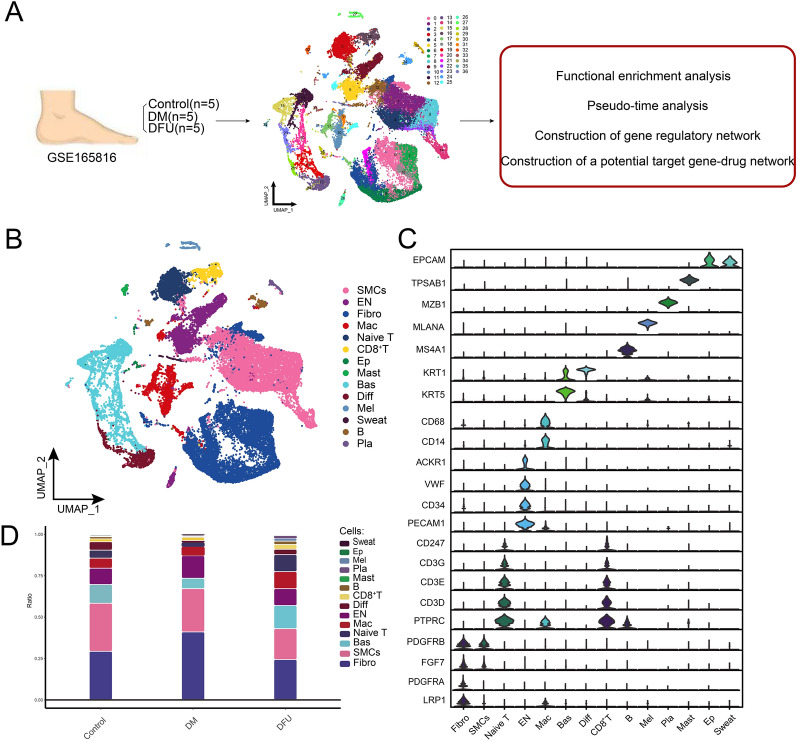
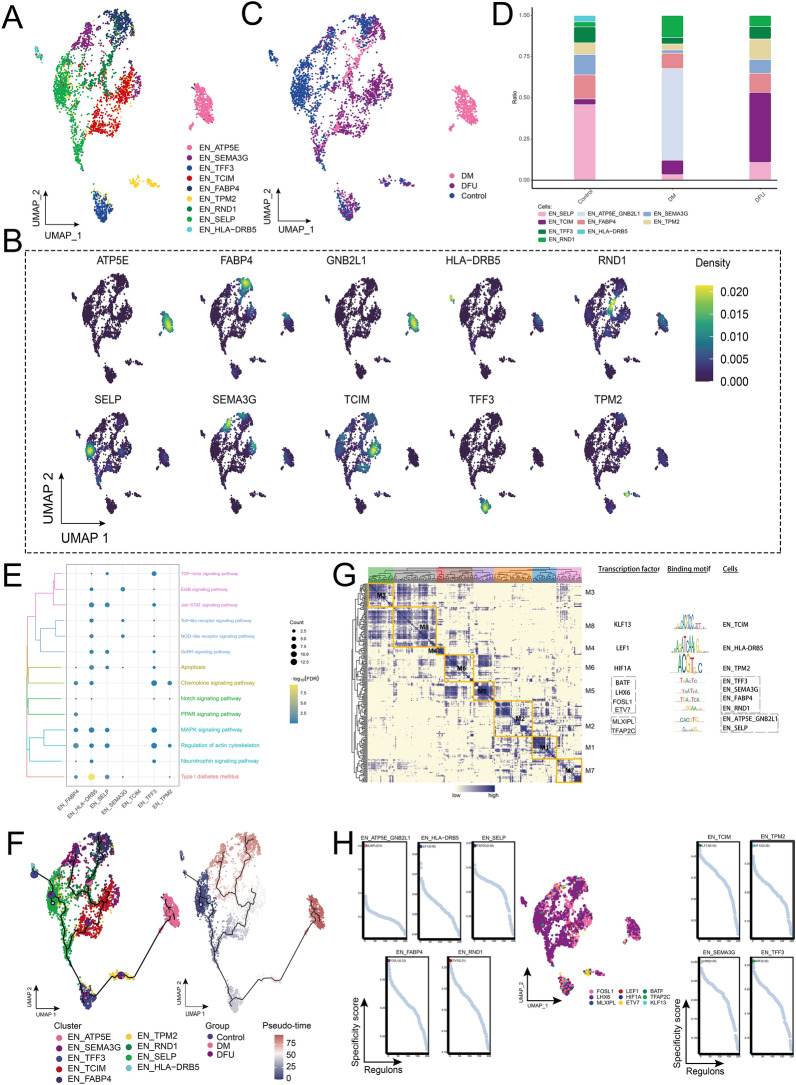
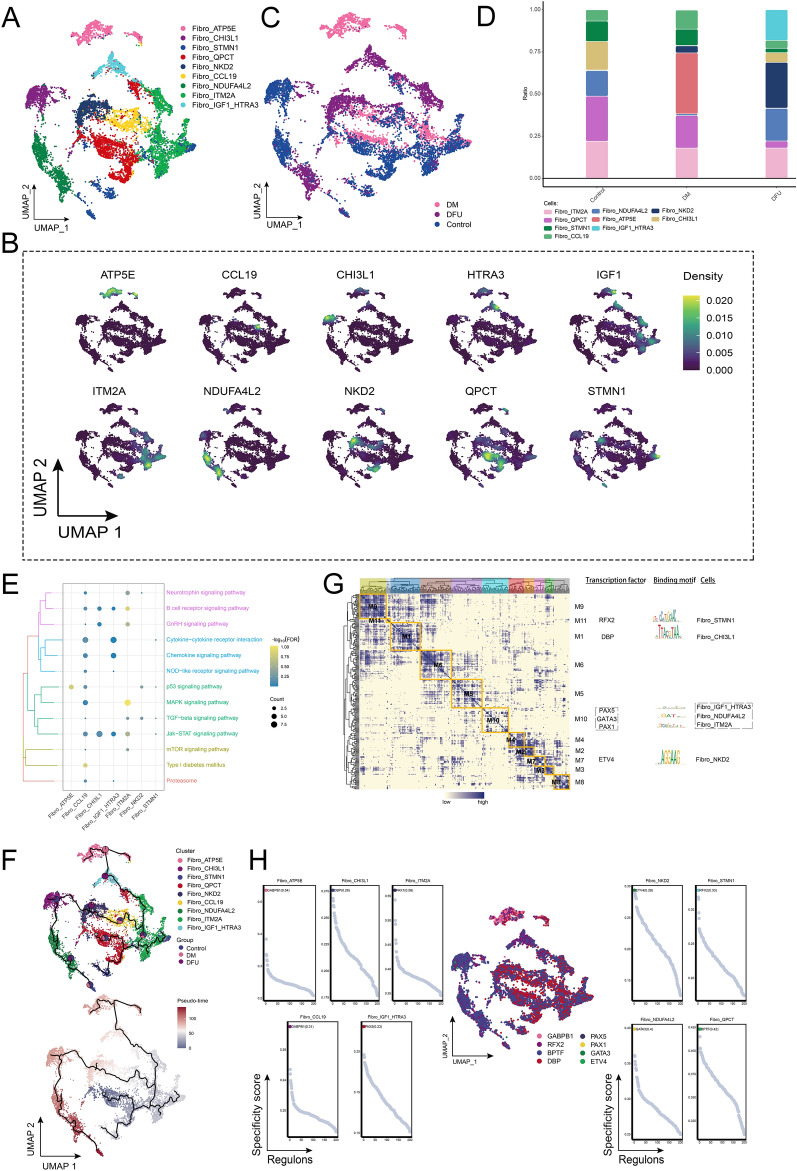
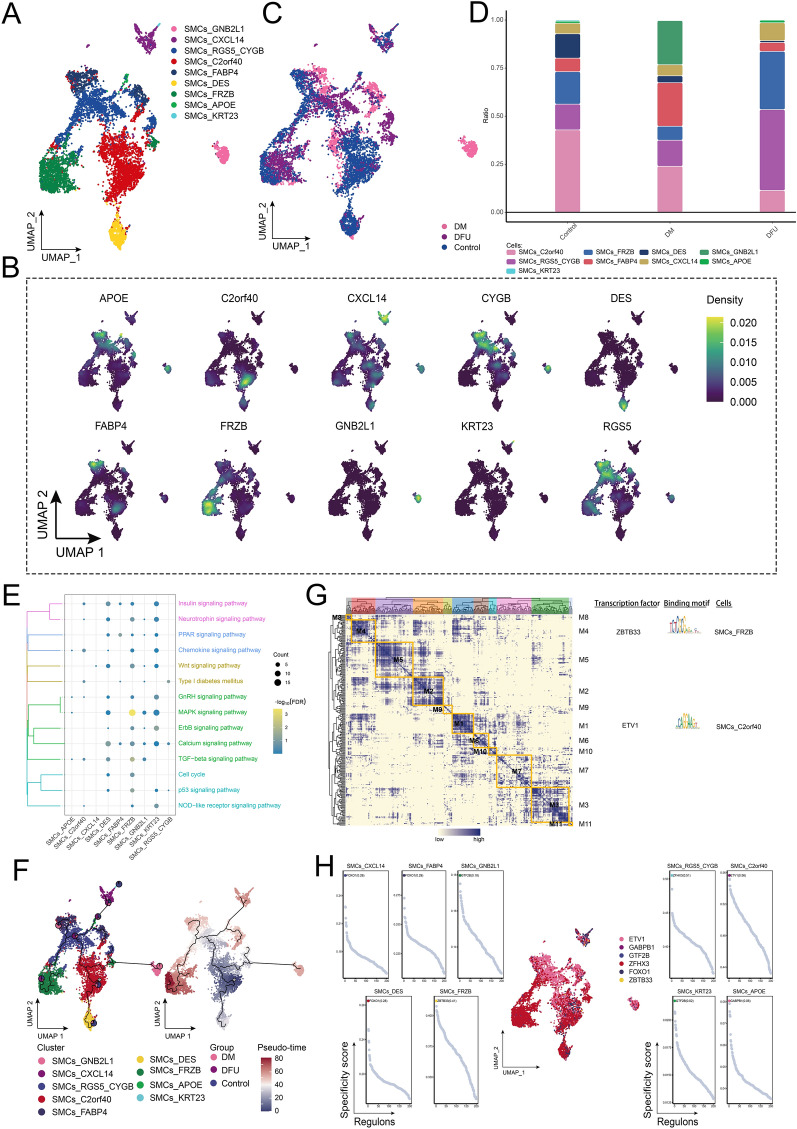
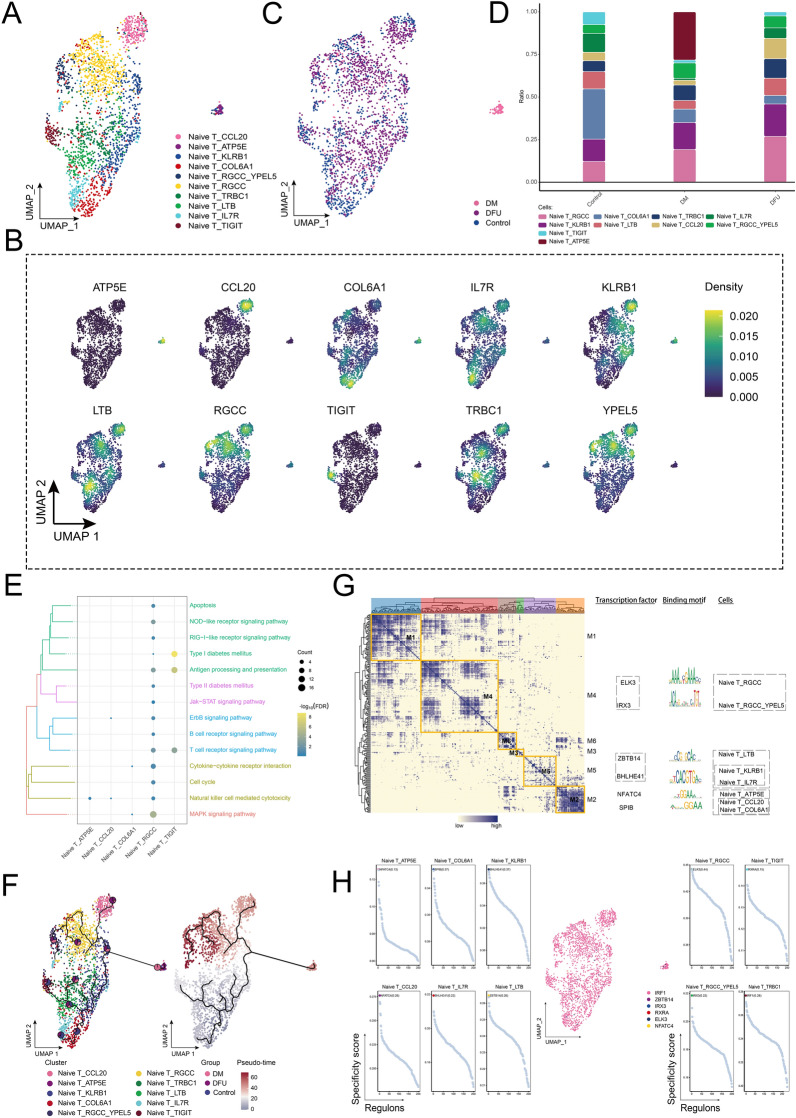
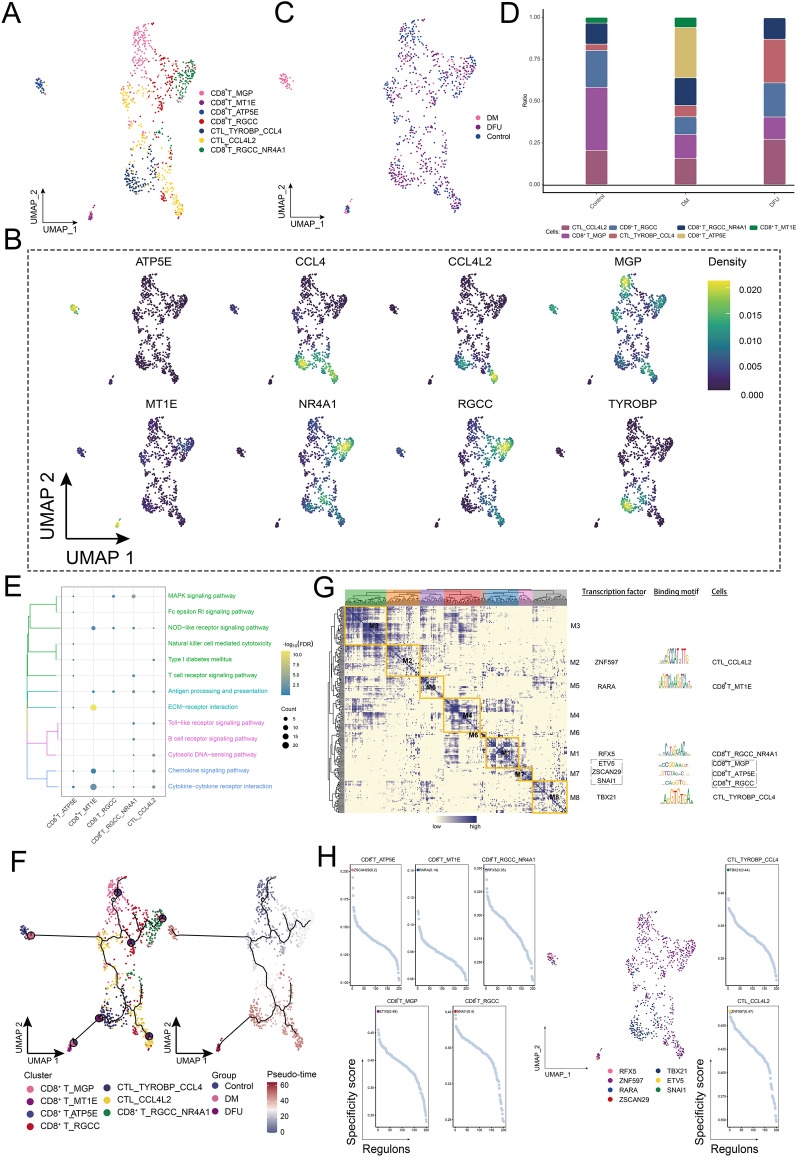
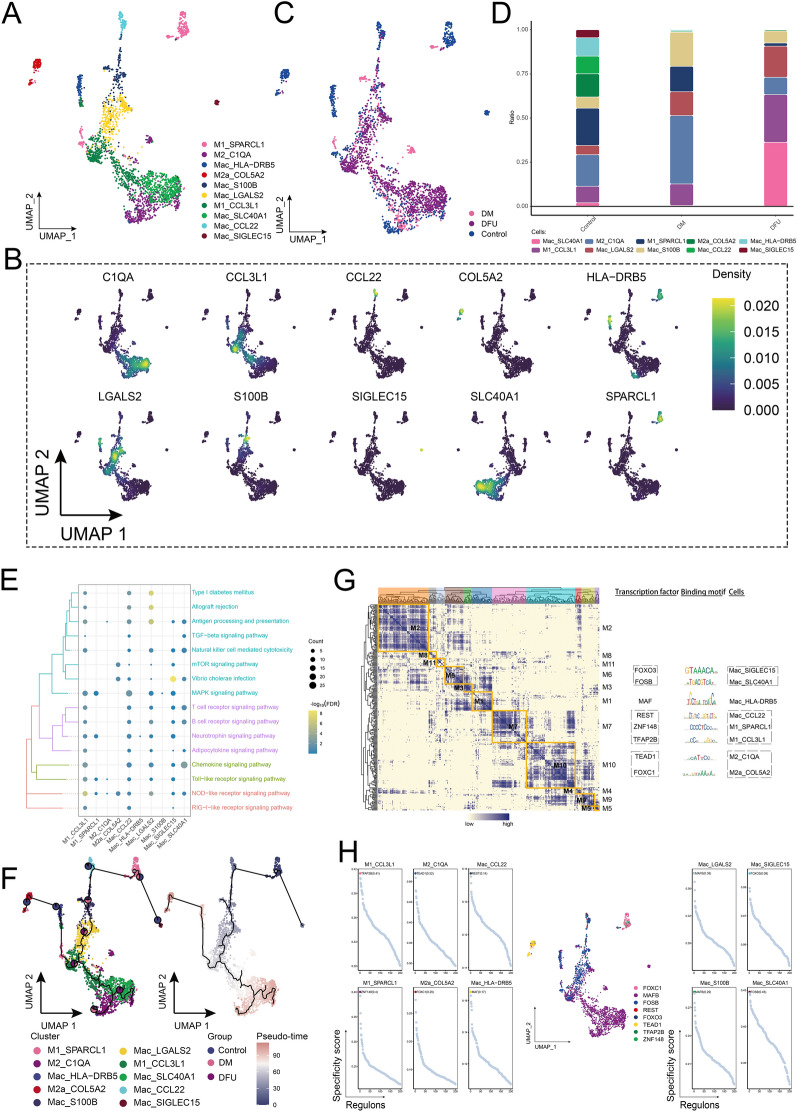
Single-cell RNA sequencing data were used to create a detailed single-cell ecological landscape of DM and DFU. Enrichment analysis identified pathways involved in cellular subpopulations, and pseudo-time analysis inferred cell development processes. A gene regulatory network explored the role of transcription factors in DFU progression, and a potential herbal drug-target gene interaction network was constructed.
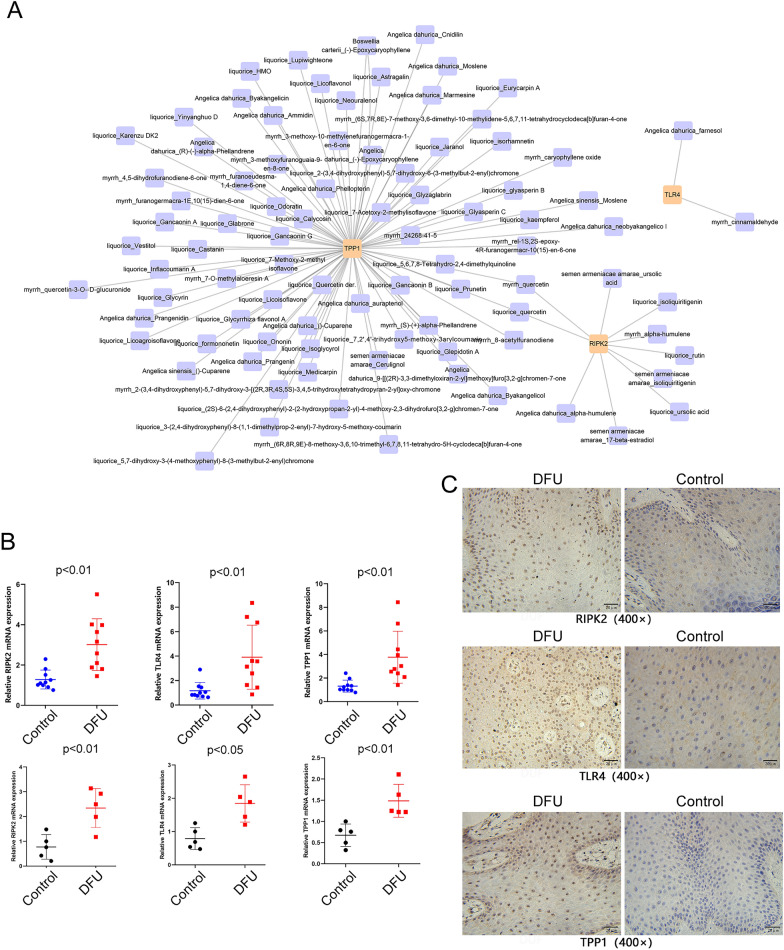
In the DFU group, immune cells were activated, with notable changes in several subpopulations. ATP5E was significantly overexpressed in Naive T cells, fibroblasts, endothelial cells, and CD8 T cells in DM patients. Specific immune cell subsets, such as Naive T_RGCC, CTL_TYROBP_CL4, Mac_SLC40A1, and M1_CCL3L1, likely contribute to DFU formation through overactivation and proliferation, leading to tissue damage and ulcer exacerbation. Key genes TPP1, TLR4, and RIPK2 were identified, and 88 active ingredients in the herbal drug-target network showed strong correlations with these targets. Herbs like Angelica dahurica, Angelica sinensis, Boswellia carterii, liquorice, myrrh, and Semen armeniacae amarae were included.
This study offers insights into DM and DFU cytology. T cells in DFU are activated, attacking normal tissues and worsening tissue damage. The ATP5E gene may be related to the ecological remodeling of DM, and TPP1, TLR4, and RIPK2 are potential targets for DFU treatment.
糖尿病(DM)可引发严重并发症,包括糖尿病足溃疡(DFU)。在理解DM和DFU组织的单细胞生态图谱方面存在显著差距。
利用单细胞RNA测序数据构建DM和DFU详细的单细胞生态景观。富集分析确定细胞亚群涉及的通路,拟时间分析推断细胞发育过程。基因调控网络探索转录因子在DFU进展中的作用,并构建潜在的草药-靶基因相互作用网络。
在DFU组中,免疫细胞被激活,几个亚群有显著变化。ATP5E在DM患者的初始T细胞、成纤维细胞、内皮细胞和CD8 T细胞中显著过表达。特定的免疫细胞亚群,如初始T_RGCC、CTL_TYROBP_CL4、Mac_SLC40A1和M1_CCL3L1,可能通过过度激活和增殖导致DFU形成,进而导致组织损伤和溃疡加重。鉴定出关键基因TPP1、TLR4和RIPK2,草药-靶基因网络中的88种活性成分与这些靶点显示出强相关性。其中包括白芷、当归、乳香、甘草、没药和苦杏仁等草药。
本研究为DM和DFU的细胞学提供了见解。DFU中的T细胞被激活,攻击正常组织并加重组织损伤。ATP5E基因可能与DM的生态重塑有关,TPP1、TLR4和RIPK2是DFU治疗的潜在靶点。