Speciale Immacolata, Notaro Anna, Bruijns Sven, van Kooyk Yvette, Esmael Ahmed, Molinaro Antonio, Balzarini Fabio, Rodriguez Ernesto, Petro Thomas M, Agarkova Irina V, Pattee Gary L, Van Etten James L, De Castro Cristina, Chiodo Fabrizio
Department of Chemical Sciences, University of Napoli, Napoli, Italy.
Department of Molecular Cell Biology and Immunology, Amsterdam UMC, Vrije Universiteit Amsterdam, Amsterdam, The Netherlands.
Commun Biol. 2024 Dec 19;7(1):1670. doi: 10.1038/s42003-024-07244-9.
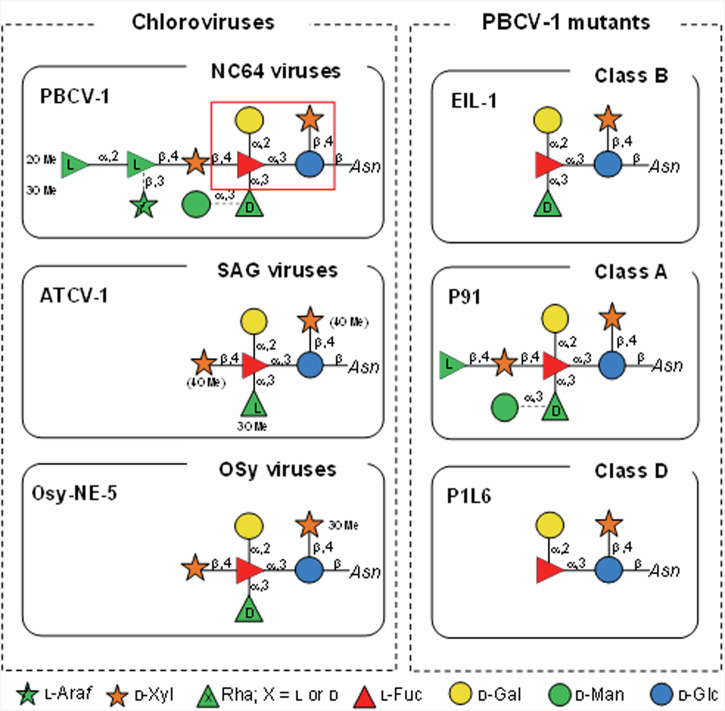
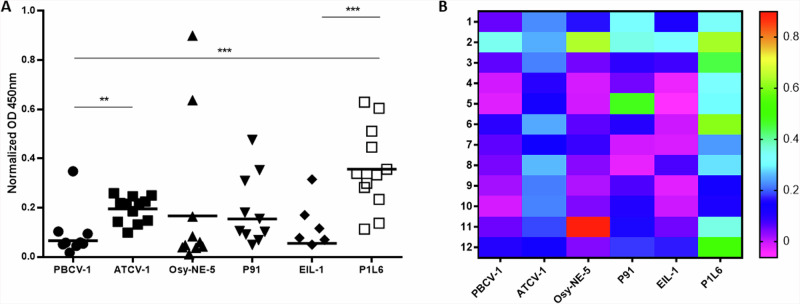
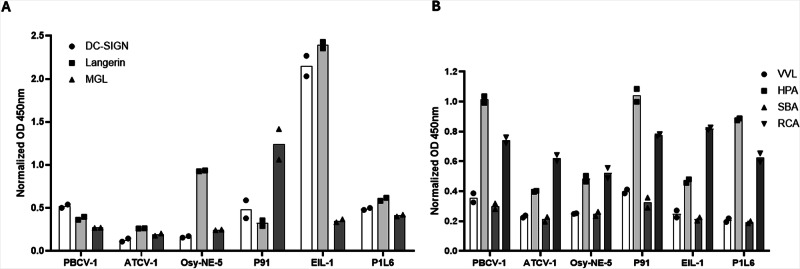
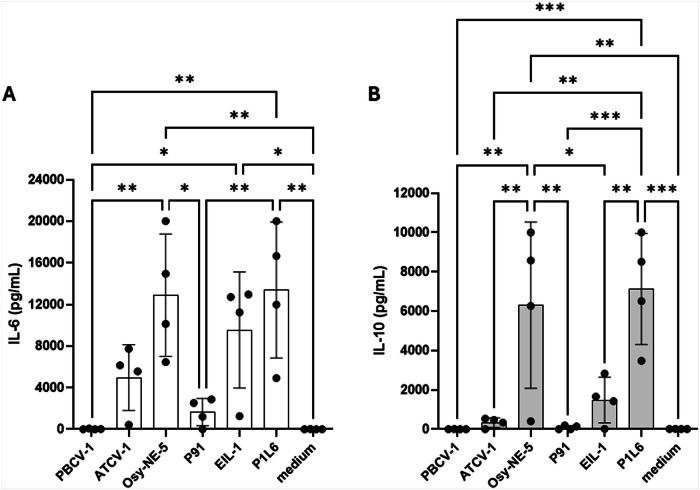
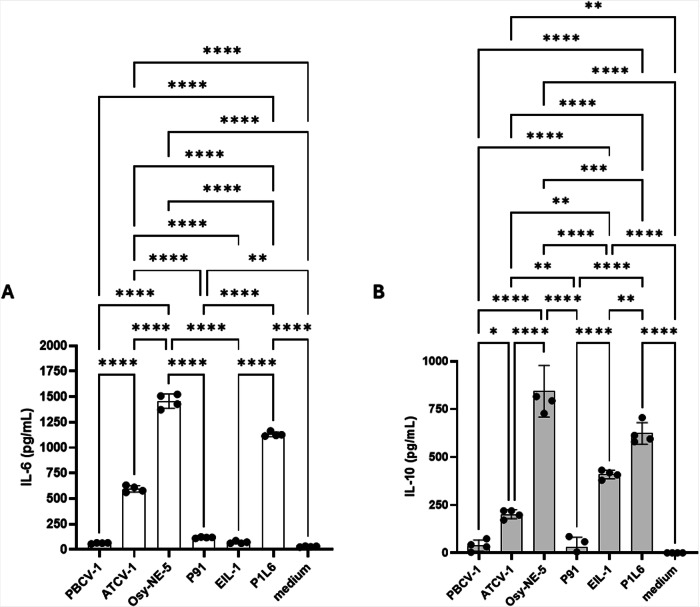
Understanding the molecular mechanisms which drive and modulate host-pathogen interactions are essential when designing effective therapeutic and diagnostic approaches aimed at controlling infectious diseases. Certain large and giant viruses have recently been discovered as components of the human virome, yet little is known about their interactions with the host immune system. We have dissected the role of viral N-linked glycans during the interaction between the glycoproteins from six chloroviruses (belonging to three chlorovirus classes: NC64A, SAG, and Osy viruses) and the representative carbohydrate-binding receptors of the innate immune system. Using solid-phase assays we have identified the binding of viral glycoproteins to different C-type lectins in a carbohydrate-dependent manner. These experiments verified the importance of D-rhamnose in modulating their binding to C-type lectins DC-SIGN and Langerin. In vitro assays further determined the ability of the chlorovirus glycoproteins to trigger secretion of cytokines Interleukins 6 and 10 (IL-6 and IL-10) in human monocyte-derived dendritic cells and mouse macrophages. Additionally, IgG from healthy human controls recognized certain chlorovirus glycoproteins, indicating the significance of human environmental viral exposures. Collectively, these results demonstrate the ability of the innate and adaptive immune systems to recognize chlorovirus glycoproteins, a process dependent on their specific N-glycan structures.
在设计旨在控制传染病的有效治疗和诊断方法时,了解驱动和调节宿主-病原体相互作用的分子机制至关重要。最近发现某些大型和巨型病毒是人类病毒组的组成部分,但对它们与宿主免疫系统的相互作用知之甚少。我们剖析了六种绿藻病毒(属于三个绿藻病毒类别:NC64A、SAG和Osy病毒)的糖蛋白与先天免疫系统代表性碳水化合物结合受体相互作用过程中病毒N-连接聚糖的作用。通过固相分析,我们确定了病毒糖蛋白以碳水化合物依赖的方式与不同C型凝集素的结合。这些实验证实了D-鼠李糖在调节它们与C型凝集素DC-SIGN和朗格汉斯蛋白结合中的重要性。体外分析进一步确定了绿藻病毒糖蛋白在人单核细胞衍生树突状细胞和小鼠巨噬细胞中触发细胞因子白细胞介素6和10(IL-6和IL-10)分泌的能力。此外,来自健康人类对照的IgG识别某些绿藻病毒糖蛋白,表明人类环境中病毒暴露的重要性。总体而言,这些结果证明了先天和适应性免疫系统识别绿藻病毒糖蛋白的能力,这一过程取决于它们特定的N-聚糖结构。