Guo Hui, Tao Wei, Gao Huiyong, Chen Lei, Zhong Xiaoyuan, Tang Maoyan, Gao Guoqing, Liang Tianfeng, Zhang Xiaoli
Guangxi Key Laboratory of Rice Genetics and Breeding, Rice Research Institute, Guangxi Academy of Agricultural Sciences, Nanning, China.
Guangxi Academy of Agricultural Sciences, Nanning, China.
Front Plant Sci. 2024 Dec 4;15:1489331. doi: 10.3389/fpls.2024.1489331. eCollection 2024.
INTRODUCTION/BACKGROUND: Global warming greatly limits the productivity of rice. Rice plants are highly sensitive to heat stress at the flowering stage. The selection of heat-tolerant varieties is considered the most effective approach for ensuring global food security in the coming decades.
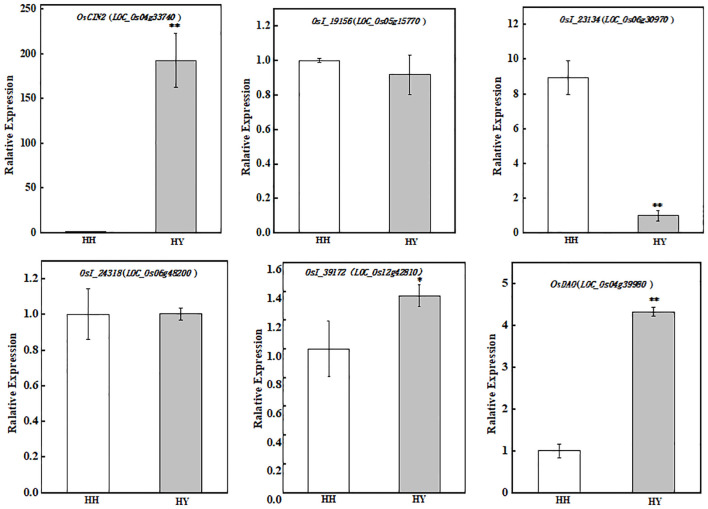
Based on previous screening and QTL localization results, we selected tolerant varieties (Huang Huazhan, HZ) and susceptible varieties (Yang Dao6, YD) of rice and studied their physiological characteristics, gene expression responses, and proteomic differences of their anthers under heat stress. The differentially expressed proteins (DEPs) were validated by real-time PCR.
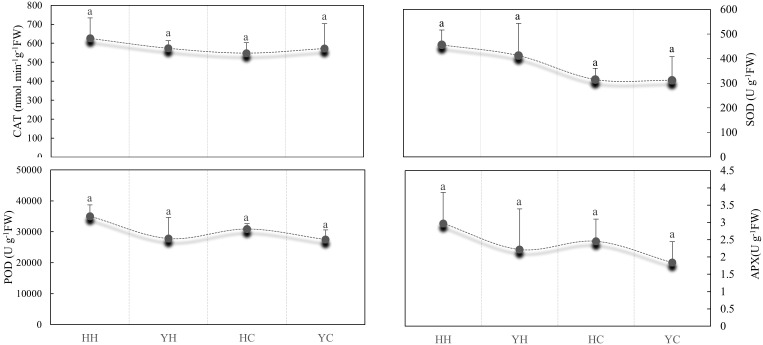
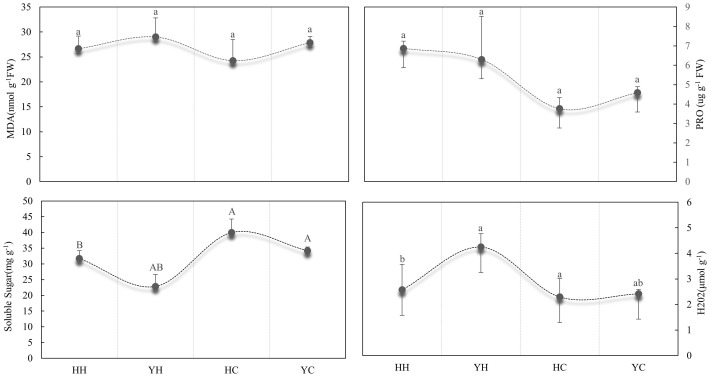
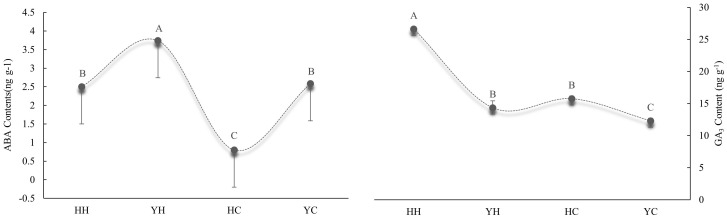
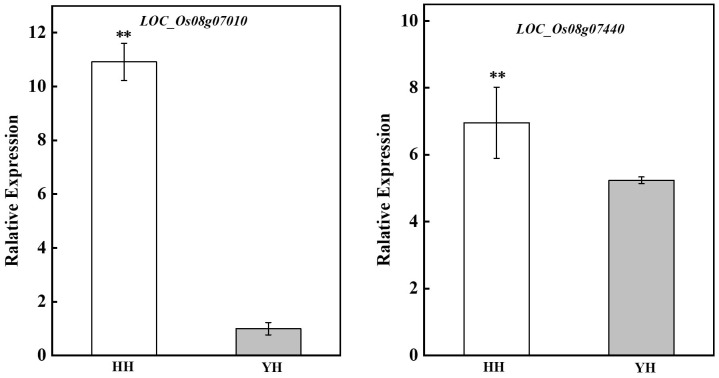
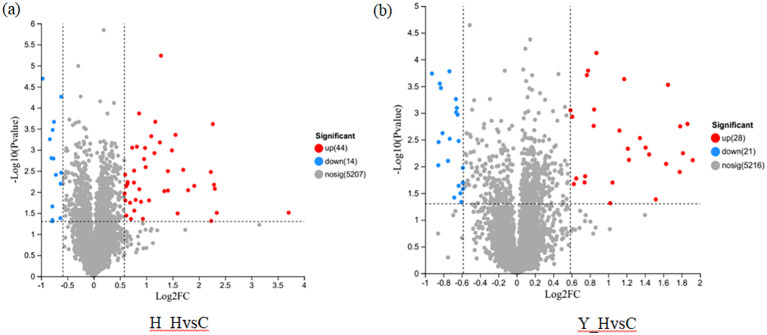
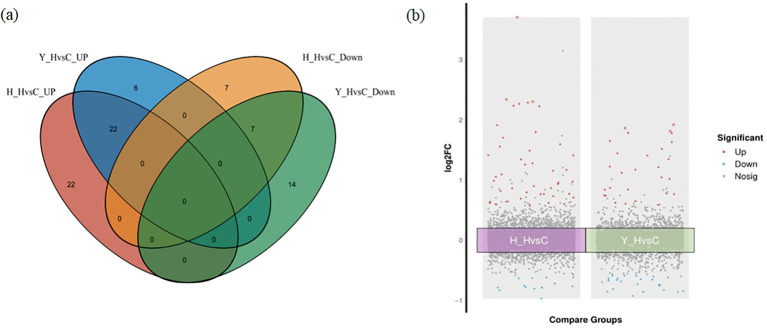
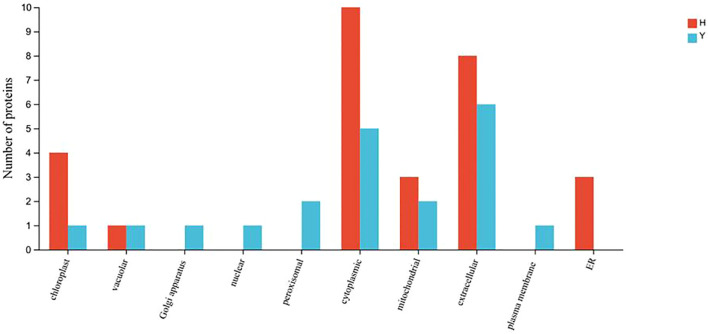
The activities of the antioxidant enzymes CAT, SOD, POD, and APX were 8.36%, 9.56%, 20.61%, and 25.34% higher in HZ than in YD under heat stress, respectively. Similarly, the content of proline and soluble sugar was 8.32% and 14.47% higher in HZ than in YD, respectively. The content of MDA and HO was 8.11% and 39.5% lower in HZ than in YD, respectively. The ratio of endogenous GA/ABA in HZ was 10.65, which was significantly higher than that of YD (3.84). In addition, we validated the candidate genes LOC_Os08g07010 and LOC_Os08g07440 that our team located in 2021, and the result showed that the expression of these two heat-tolerant genes in the anthers was significantly higher in HH than in YH. DEPs involved in the response to heat stress were identified by TMT proteomics, five upregulated and three downregulated differential expression proteins in HH. DEPs were verified by RT-qPCR.
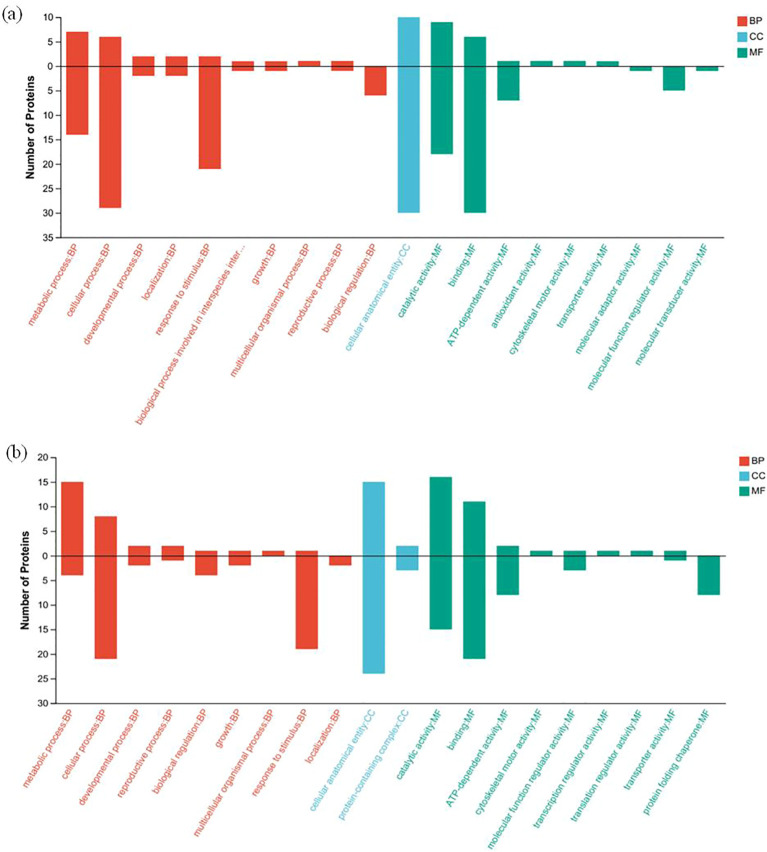
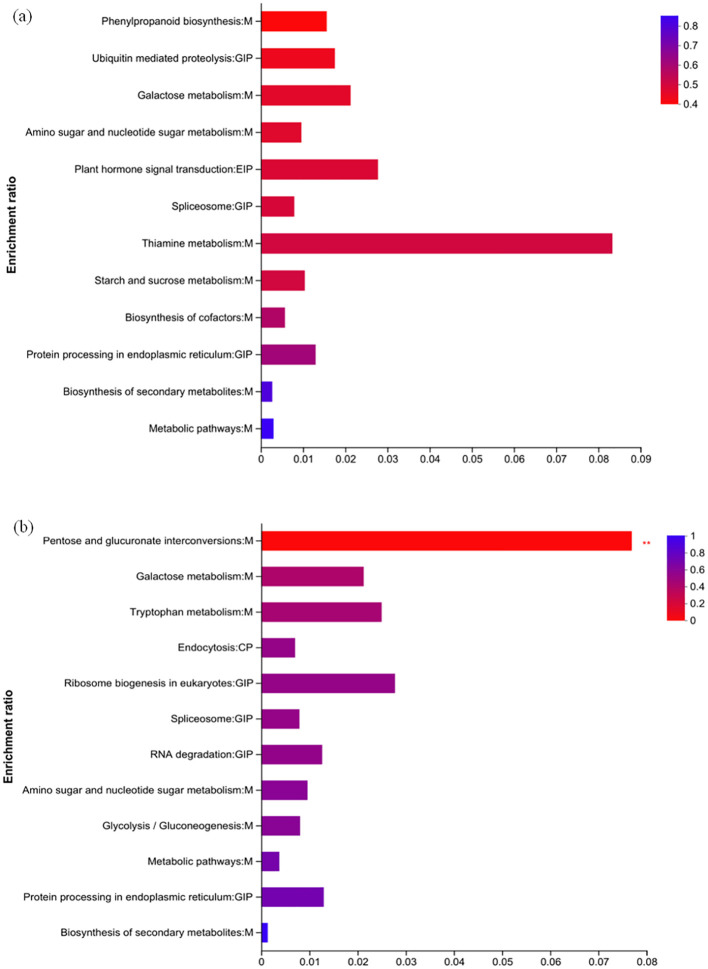
These results provide new insights into the physiological characteristics, dominant DEPs, and gene expression responses in both rice varieties under heat stress. Our results indicate that the antioxidant and osmoregulatory capacities, the ratio of endogenous GA and ABA, these DEPs are mainly involved in the pathways of phenylpropanoid biosynthesis, ubiquitin-mediated proteolysis, carbohydrate metabolism, thiamine metabolism, protein processing in the endoplasmic reticulum, and folding, sorting, and degradation were upregulated to a greater degree in HZ than in YD. Additional studies were performed to clarify the roles of these proteins in response to heat stress.
引言/背景:全球变暖极大地限制了水稻的产量。水稻植株在开花期对热胁迫高度敏感。选择耐热品种被认为是确保未来几十年全球粮食安全的最有效途径。
基于之前的筛选和QTL定位结果,我们选择了水稻的耐性品种(黄华占,HZ)和敏感品种(扬稻6号,YD),并研究了它们在热胁迫下的生理特性、基因表达反应以及花药的蛋白质组差异。通过实时PCR验证差异表达蛋白(DEPs)。
在热胁迫下,HZ中抗氧化酶CAT、SOD、POD和APX的活性分别比YD高8.36%、9.56%、20.61%和25.34%。同样,HZ中脯氨酸和可溶性糖的含量分别比YD高8.32%和14.47%。HZ中MDA和HO的含量分别比YD低8.11%和39.5%。HZ中内源GA/ABA的比值为10.65,显著高于YD(3.84)。此外,我们验证了我们团队在2021年定位的候选基因LOC_Os08g07010和LOC_Os08g07440,结果表明这两个耐热基因在HZ花药中的表达显著高于YH。通过TMT蛋白质组学鉴定了参与热胁迫反应的DEPs,HZ中有5个上调和3个下调的差异表达蛋白。通过RT-qPCR对DEPs进行了验证。
这些结果为两个水稻品种在热胁迫下的生理特性、主要DEPs和基因表达反应提供了新的见解。我们的结果表明,抗氧化和渗透调节能力、内源GA和ABA的比值,这些DEPs主要参与苯丙烷生物合成、泛素介导的蛋白水解、碳水化合物代谢、硫胺素代谢、内质网中的蛋白质加工以及折叠、分选和降解途径,在HZ中比在YD中上调程度更大。进行了额外的研究以阐明这些蛋白质在热胁迫反应中的作用。