Zhang Qingli, Zhu Lei, Li Hailong, Chen Qu, Li Nan, Li Jiansheng, Zhao Zichu, Xiao Di, Tang Tingting, Bi Chunhua, Zhang Yan, Zhang Haili, Zhang Guizhen, Li Mingyang, Zhu Yanli, Zhang Jingjing, Kong Jingjing
Department of Medicine, Qingdao Binhai University, Qingdao, Shandong, China.
Department of Rehabilitation, Qingdao Binhai College Affiliated Hospital, Qingdao, China.
PeerJ. 2024 Dec 16;12:e18712. doi: 10.7717/peerj.18712. eCollection 2024.
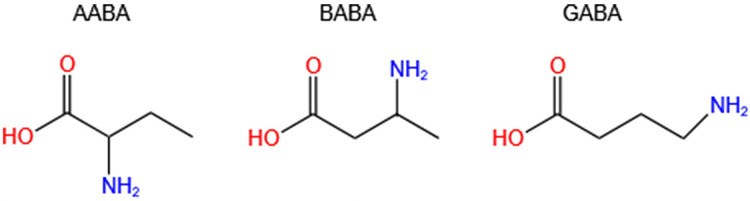
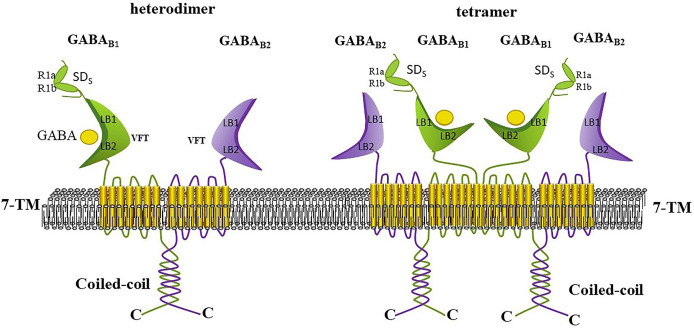
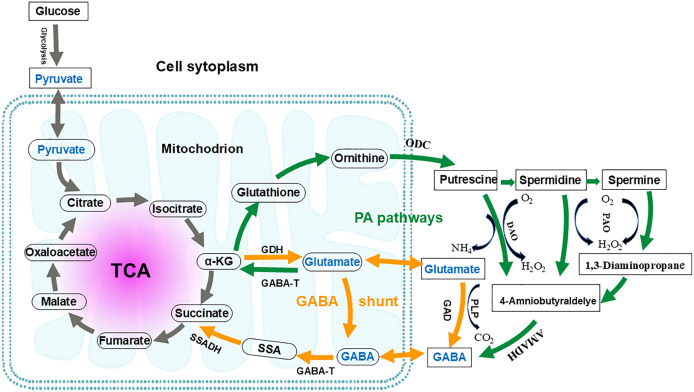
GABA (γ-aminobutyric acid) is a non-protein amino acid that occurs naturally in the human brain, animals, plants and microorganisms. It is primarily produced by the irreversible action of glutamic acid decarboxylase (GAD) on the α-decarboxylation of L-glutamic acid. As a major neurotransmitter in the brain, GABA plays a crucial role in behavior, cognition, and the body's stress response. GABA is mainly synthesized through the GABA shunt and the polyamine degradation pathways. It works through three receptors (GABA, GABA, and GABA), each exhibiting different pharmacological and physiological characteristics. GABA has a variety of physiological roles and applications. In plants, it regulates growth, development and stress responses. In mammals, it influences physiological functions such as nervous system regulation, blood pressure equilibrium, liver and kidneys enhancement, hormone secretion regulation, immunity enhancement, cancer prevention, as well as anti-aging effects. As a biologically active ingredient, GABA possesses unique physiological effects and medicinal value, leading to its widespread application and substantially increased market demand in the food and pharmaceutical industries. GABA is primarily produced through chemical synthesis, plant enrichment and microbial fermentation. In this review, we first make an overview of GABA, focusing on its synthesis, metabolism, GABA receptors and physiological functions. Next, we describe the industrial production methods of GABA. Finally, we discuss the development of ligands for the GABA receptor binding site, the prospects of GABA production and application, as well as its clinical trials in potential drugs or compounds targeting GABA for the treatment of epilepsy. The purpose of this review is to attract researchers from various fields to focus on GABA research, promote multidisciplinary communications and collaborations, break down disciplinary barriers, stimulate innovative research ideas and methods, and advance the development and application of GABA in medicine, agriculture, food and other fields.
γ-氨基丁酸(GABA)是一种非蛋白质氨基酸,天然存在于人类大脑、动物、植物和微生物中。它主要由谷氨酸脱羧酶(GAD)对L-谷氨酸的α-脱羧作用不可逆地产生。作为大脑中的主要神经递质,GABA在行为、认知和身体应激反应中起着至关重要的作用。GABA主要通过GABA分流和多胺降解途径合成。它通过三种受体(GABA A、GABA B和GABA C)发挥作用,每种受体都表现出不同的药理和生理特性。GABA具有多种生理作用和应用。在植物中,它调节生长、发育和应激反应。在哺乳动物中,它影响诸如神经系统调节、血压平衡、肝脏和肾脏功能增强、激素分泌调节、免疫力增强、癌症预防以及抗衰老等生理功能。作为一种生物活性成分,GABA具有独特的生理作用和药用价值,导致其在食品和制药行业中得到广泛应用且市场需求大幅增加。GABA主要通过化学合成、植物富集和微生物发酵生产。在本综述中,我们首先对GABA进行概述,重点关注其合成、代谢、GABA受体和生理功能。接下来,我们描述GABA的工业生产方法。最后,我们讨论GABA受体结合位点配体的开发、GABA生产和应用的前景,以及其在治疗癫痫的潜在药物或化合物针对GABA的临床试验。本综述的目的是吸引各个领域的研究人员关注GABA研究,促进多学科交流与合作,打破学科壁垒,激发创新研究思路和方法,推动GABA在医学、农业、食品等领域的开发和应用。