Silva Amanda G, Rostirola João Vitor Cerávolo, Speri Filipe Duo, Pina Juliana Guanaes, Kitahara Marcelo V, Longato Giovanna B, Sciani Juliana M
Laboratório de Produtos Naturais, Universidade São Francisco, Bragança Paulista, Brazil.
Unidade Integrada de Farmacologia e Gastroenterologia (UNIFAG), Bragança Paulista, Brazil.
J Cell Mol Med. 2024 Dec;28(24):e70165. doi: 10.1111/jcmm.70165.
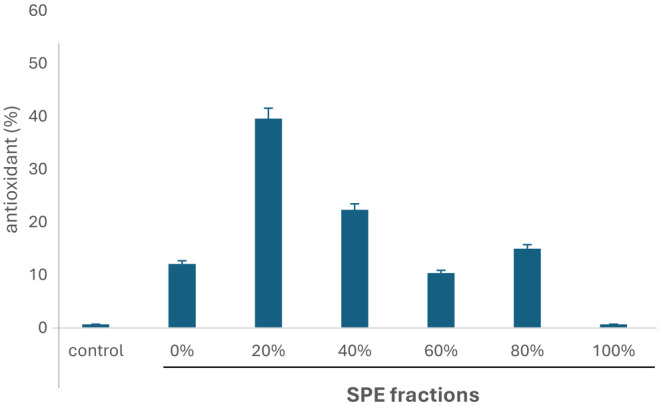
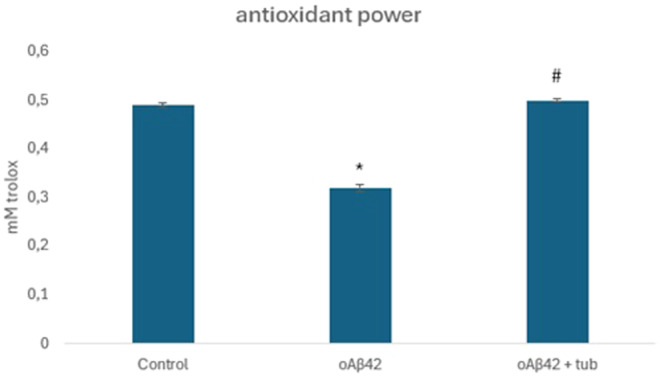
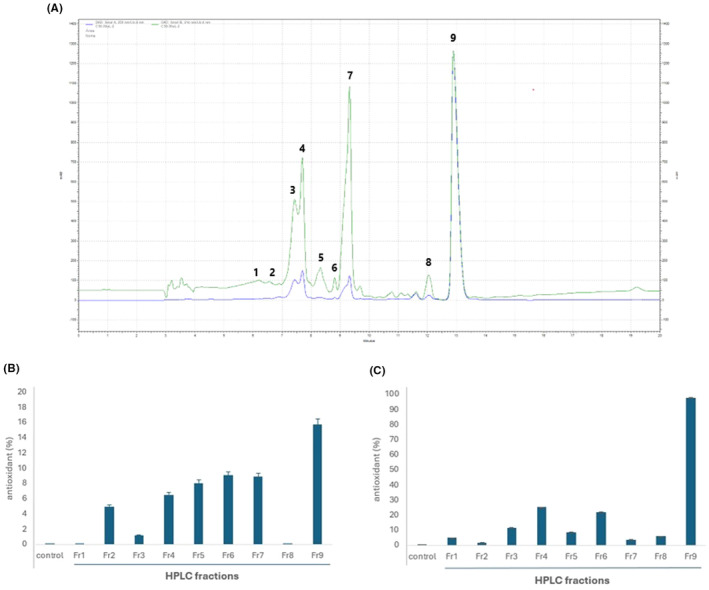
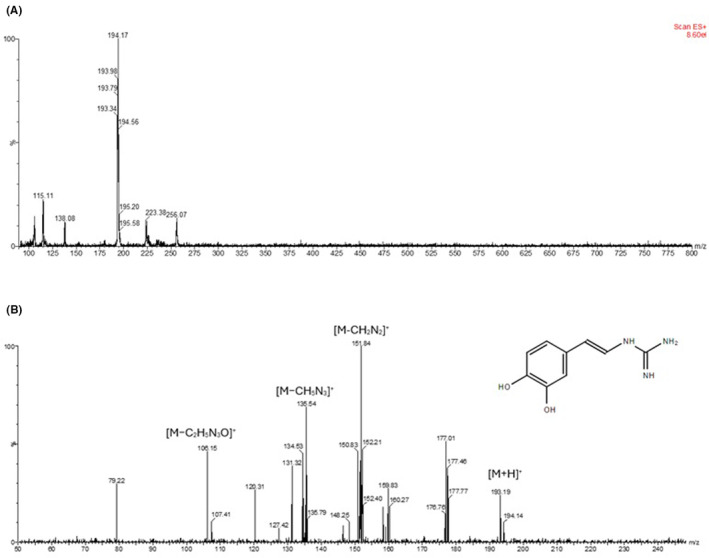
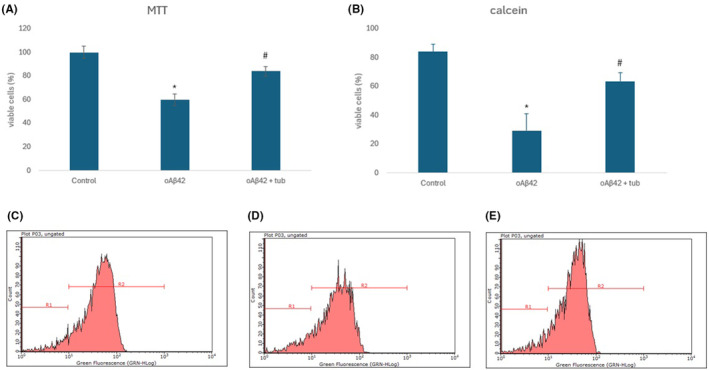
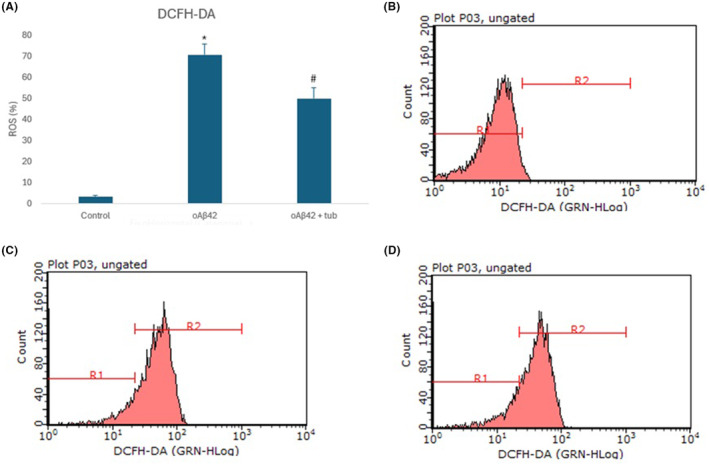
Alzheimer's disease (AD) is a progressive neurodegenerative disorder involving mitochondrial dysfunction and consequent production of reactive oxygen species (ROS), generated after amyloid peptide (Aβ42) accumulation. In this study, we isolated a new antioxidant molecule from the sun coral Tubastraea tagusensis and analysed it in cells exposed to oligomeric amyloid-beta peptide 1-42 (oAβ42). The coral was collected and immersed in methanol for the release of compounds, which were submitted to antioxidant DPPH and FRAP activity-guided fractionation using solid-phase extraction and HPLC. An active pure molecule was analysed by mass spectrometry and tested in SH-SY5Y differentiated neurons previously exposed to 5 μM oAβ42. The isolated active molecule was identified as tubastrine, which could significantly inhibit the cell death caused by the amyloid peptide. Moreover, oAβ42 increased the percentage of ROS in neurons-like from 40% to 65%, and the treatment with tubastrine reduced it to 50%. The antioxidant power of neurons-like after oAβ42 decreased significantly, while the compound reversed it, reaching similar values to the untreated cells. Therefore, tubastrine can reverse an important pathophysiological mechanism of AD, oxidative stress, by increasing neuronal antioxidant power and reducing ROS levels, able to prevent neuron-like cell death caused by oAβ42.
阿尔茨海默病(AD)是一种进行性神经退行性疾病,涉及线粒体功能障碍以及淀粉样肽(Aβ42)积累后随之产生的活性氧(ROS)。在本研究中,我们从太阳珊瑚塔氏牡丹珊瑚中分离出一种新的抗氧化分子,并在暴露于寡聚淀粉样β肽1 - 42(oAβ42)的细胞中对其进行分析。采集珊瑚并将其浸入甲醇中以释放化合物,然后使用固相萃取和高效液相色谱法对这些化合物进行抗氧化二苯基苦味酰基自由基(DPPH)和铁离子还原抗氧化能力(FRAP)活性导向分级分离。通过质谱分析一种活性纯分子,并在先前暴露于5μM oAβ42的SH - SY5Y分化神经元中进行测试。分离出的活性分子被鉴定为塔氏碱,它可以显著抑制淀粉样肽引起的细胞死亡。此外,oAβ42使神经元样细胞中的ROS百分比从40%增加到65%,而用塔氏碱处理可将其降低至50%。oAβ42处理后神经元样细胞的抗氧化能力显著下降,而该化合物可使其逆转,达到与未处理细胞相似的值。因此,塔氏碱可以通过提高神经元抗氧化能力和降低ROS水平来逆转AD的一种重要病理生理机制——氧化应激,从而预防oAβ42引起的神经元样细胞死亡。