Hanlon Holly Rose, Shé Éidín Ní, Byrne John-Paul, Smith Susan M, Murphy Andrew W, Barrett Aileen, O'Callaghan Mike, Humphries Niamh
Graduate School of Healthcare Management, RCSI University of Medicine and Health Sciences, 111 St. Stephen's Green, Dublin, Ireland.
RCSI University of Medicine and Health Sciences, Dublin, Ireland.
BMC Health Serv Res. 2024 Dec 20;24(1):1628. doi: 10.1186/s12913-024-12117-2.
Ireland is experiencing a general practitioner (GP) workforce crisis, facing an ageing workforce, a growing population with increased life expectancy, and increased complexity of patients. The GP crisis threatens access to primary care in Ireland, as well as Ireland's aim to transform into a primary-care centred system of universal healthcare via the proposed "Sláintecare" healthcare reforms. The challenges faced are common to many countries as health systems seek to expand their medical workforce post-pandemic. In addition Ireland has a legacy of austerity policies which impacted the health system, and triggered/generated largescale doctor emigration. However, little is known specifically about GP emigration and the role it potentially plays in the GP workforce crisis. This paper aims to address the gap in knowledge about the level of GP emigration from Ireland and consider the implications for the Irish health system and health systems internationally.
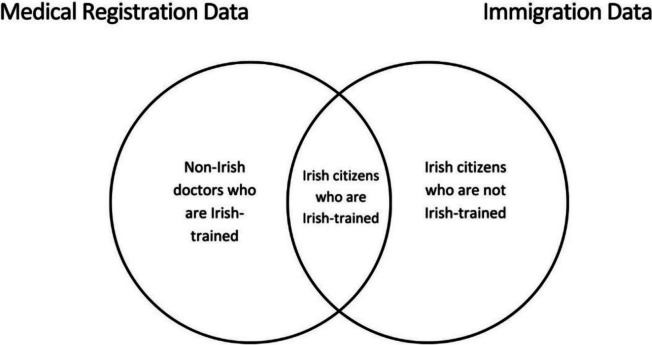
As Ireland does not formally collect routine data on GP emigration, this paper presents routinely collected secondary data from four key destination countries; Australia, New Zealand, the United Kingdom, and Canada, in order to gain an initial picture of GP emigration from Ireland to these countries, from 2012-2021. The data were in the form of medical registration and immigration (visa) data and both stock (the total number of GPs registered in a country in a given year) and flow data (the number of GPs entering a country in a given year) were collated, where available.
The stock data shows a substantial cohort of Irish-trained doctors working in general practice in key destination countries. The flow data suggests a relatively small annual emigration flow of GPs from Ireland to individual countries. However when compared with the total numbers of GPs trained in Ireland each year, the numbers are notable.
The available data suggests a mixed picture regarding GP emigration from Ireland. There is a significant stock of Irish-trained GPs abroad which perhaps represents a potential cohort of GPs who could be encouraged to return to practice in Ireland as part of Ireland's strategy for addressing the GP workforce crisis. The annual flow of GPs from Ireland to key destination countries, while small, should be monitored and factored into GP workforce planning. As global demand for GPs increases, countries will inevitably compete with each other to attract and retain GPs (see for example Australia's recent move to attract and recruit Irish trained GPs). The paper highlights the need for improved routine data on the GP workforce in Ireland, including the need for a national GP workforce dataset, in order to ensure that national workforce planning efforts are informed by the latest evidence on GP emigration.
爱尔兰正经历全科医生(GP)劳动力危机,面临劳动力老龄化、人口增长且预期寿命增加以及患者病情日益复杂的问题。全科医生危机威胁到爱尔兰的初级医疗服务可及性,以及爱尔兰通过拟议的“Sláintecare”医疗改革转变为以初级医疗为中心的全民医疗体系的目标。随着卫生系统在疫情后寻求扩大其医疗劳动力,许多国家都面临着类似的挑战。此外,爱尔兰有紧缩政策的遗留问题,这对卫生系统产生了影响,并引发了大规模的医生移民。然而,对于全科医生移民及其在全科医生劳动力危机中可能扮演的角色,具体了解甚少。本文旨在填补关于爱尔兰全科医生移民水平的知识空白,并考虑其对爱尔兰卫生系统和国际卫生系统的影响。
由于爱尔兰没有正式收集关于全科医生移民的常规数据,本文展示了从四个主要目的地国家(澳大利亚、新西兰、英国和加拿大)常规收集的二手数据,以便初步了解2012年至2021年期间从爱尔兰到这些国家的全科医生移民情况。数据以医疗注册和移民(签证)数据的形式呈现,在可行的情况下,整理了存量数据(特定年份在一个国家注册的全科医生总数)和流量数据(特定年份进入一个国家的全科医生数量)。
存量数据显示,一大批在爱尔兰接受培训的医生在主要目的地国家从事全科医疗工作。流量数据表明,每年从爱尔兰到各个国家的全科医生移民流量相对较小。然而,与每年在爱尔兰培训的全科医生总数相比,这些数字值得关注。
现有数据表明,关于爱尔兰全科医生移民的情况喜忧参半。国外有大量在爱尔兰接受培训的全科医生,这可能代表了一批潜在的全科医生群体,可鼓励他们作为爱尔兰解决全科医生劳动力危机战略的一部分回国执业。每年从爱尔兰到主要目的地国家的全科医生流量虽小,但应予以监测并纳入全科医生劳动力规划。随着全球对全科医生的需求增加,各国将不可避免地相互竞争以吸引和留住全科医生(例如澳大利亚最近吸引和招募在爱尔兰接受培训的全科医生的举措)。本文强调需要改进爱尔兰全科医生劳动力的常规数据,包括需要一个全国性的全科医生劳动力数据集,以确保国家劳动力规划工作以关于全科医生移民的最新证据为依据。
