Liu Haiyi, Yuan Yonghui, Johnson-Stephenson Takerra K, Jing Chenyang, Zhang Mingchao, Huang Jun, Zen Ke, Li Limin, Zhu Dihan
State Key Laboratory of Natural Medicines, School of Life Science and Technology, China Pharmaceutical University, Nanjing, Jiangsu, China.
Cardiovascular Research Institute, Morehouse School of Medicine, Atlanta, GA, USA.
Cell Biosci. 2024 Dec 20;14(1):150. doi: 10.1186/s13578-024-01325-2.
macrophage-targeting therapy of ischemic disease has made progress in clinic trial. However, the role and underlying mechanism of pro-inflammatory or anti-inflammatory polarized macrophages in modulating ischemic diseases remain incompletely understood.
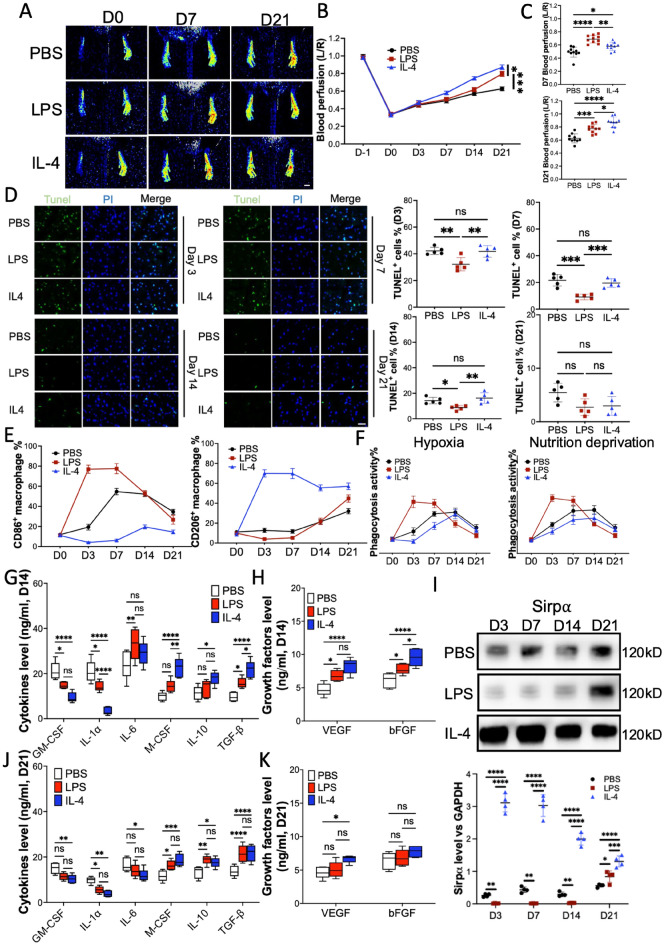
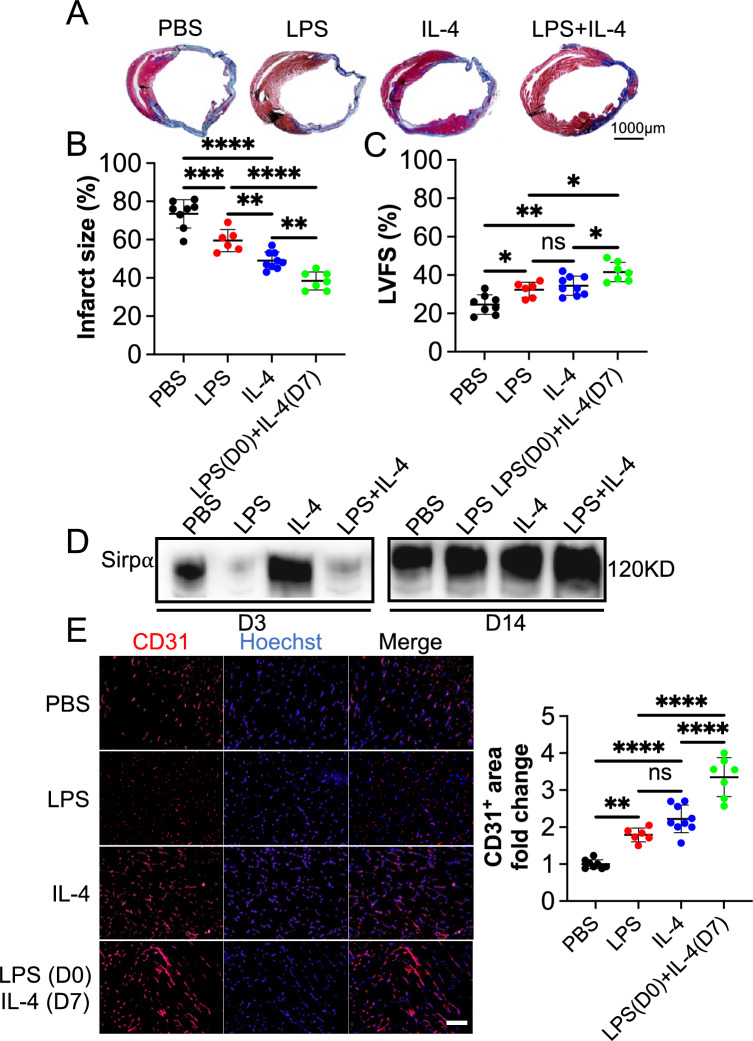
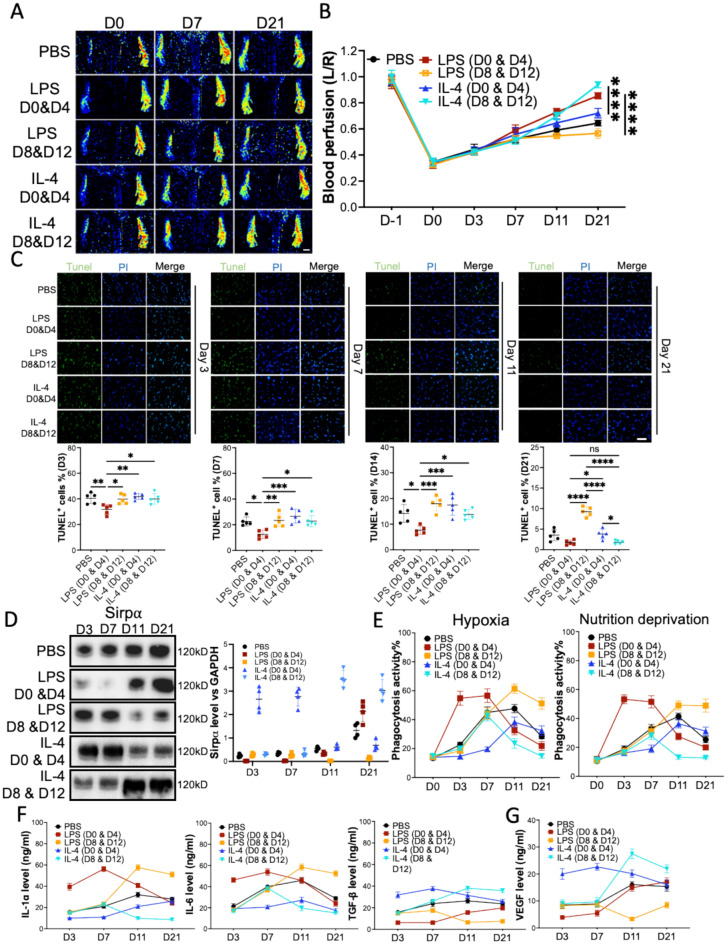
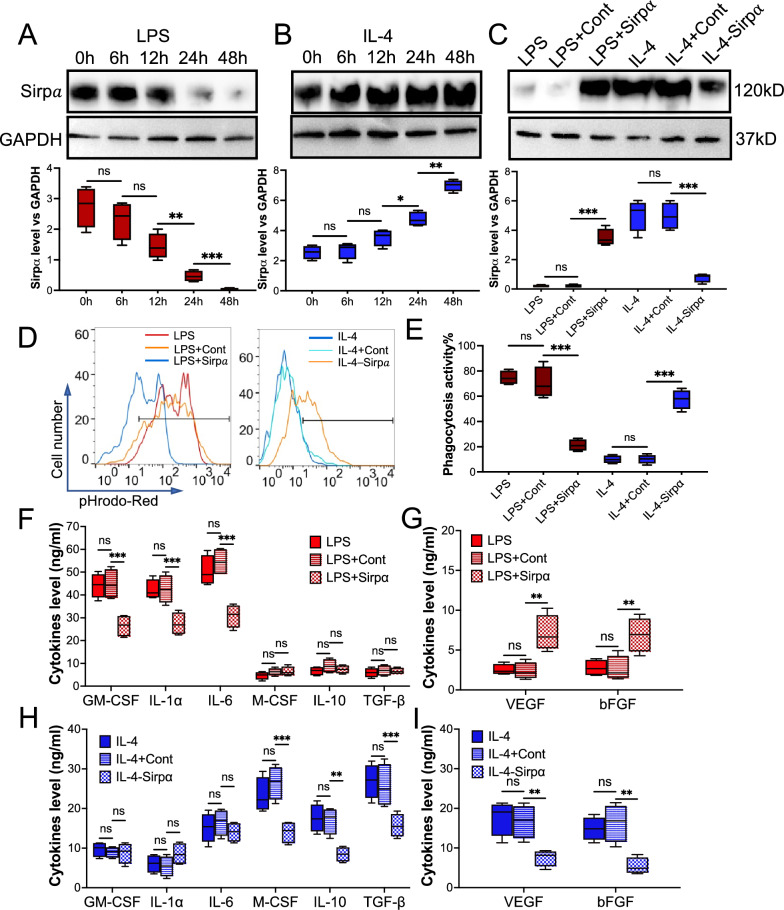
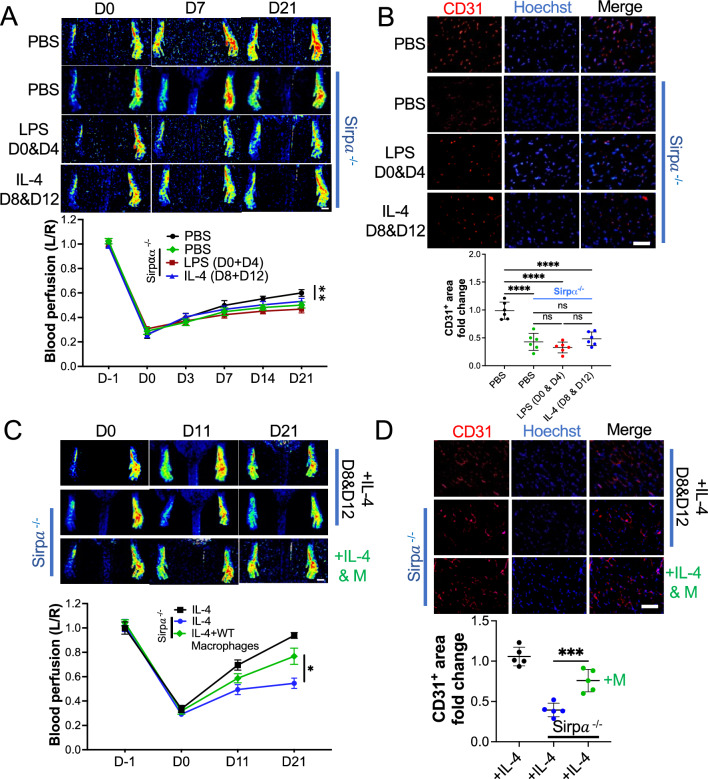
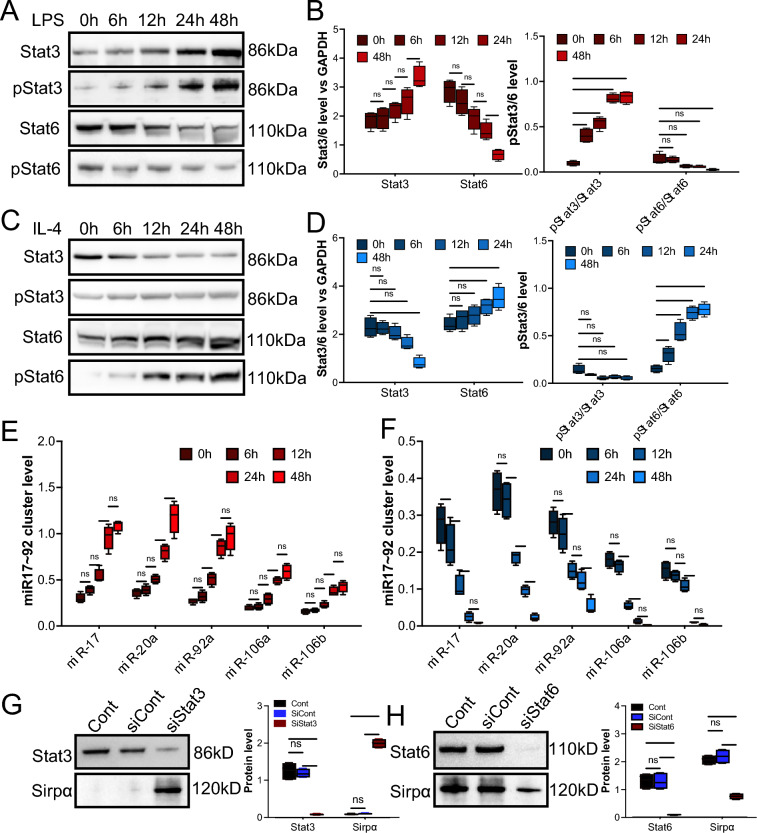
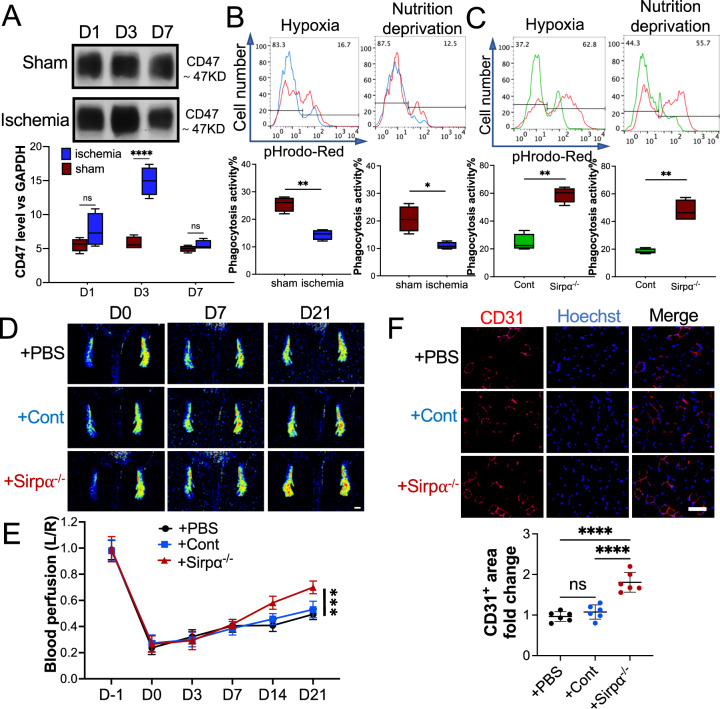
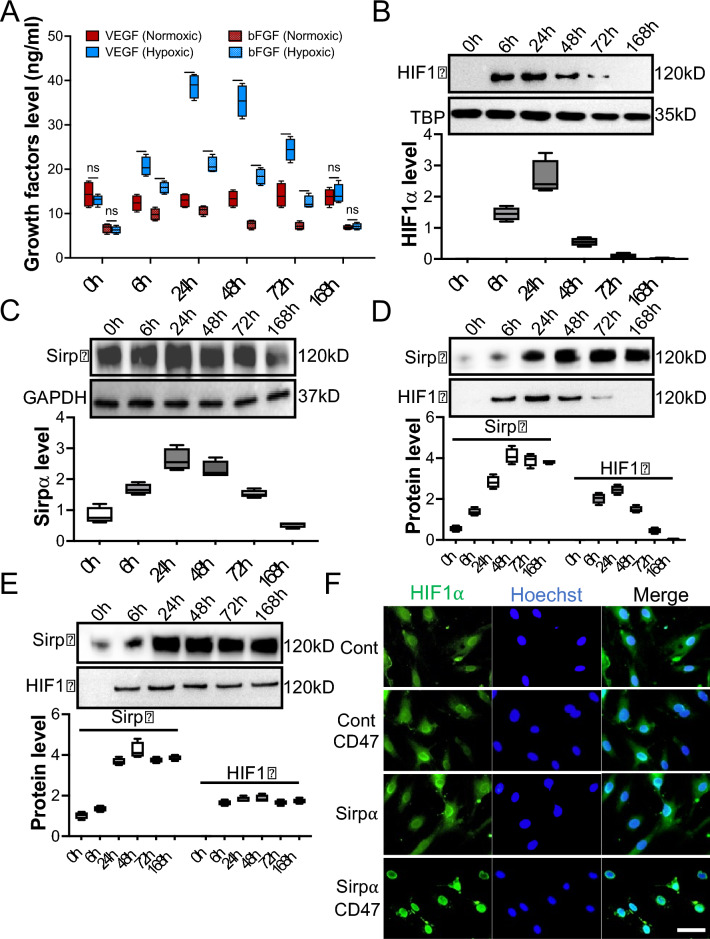
here we examine the effect of pro-inflammatory (LPS) and anti-inflammatory (IL-4) macrophage on ischemic diseases in a mouse ischemic hindlimb and heart model, and identify that signal regulatory protein α (Sirpα) modulates macrophage polarization induced angiogenesis via promoting phagocytosis or activating HIF1α nucleus relocation in macrophages, respectively. More importantly, the therapeutic effect of polarized macrophages is controlled by Sirpα in a time-dependent manner. Downregulation of macrophage Sirpα at the early-stage or upregulation of macrophage Sirpα at the late-stage of ischemic disease enhances the therapeutic effect. In contrast, increasing Sirpα at the early-stage or decreasing it at the late-stage leads to failure of inducing ischemic disease resilience. Mechanistically, we find that signal transducer and activator of transcription 3 and 6 (Stat3 and Stat6) mediate downregulation (pro-inflammatory polarization) or upregulation (anti-inflammatory polarization) of Sirpα, respectively.
Our results reveal that dynamic regulation of macrophage by Sirpα plays a critical role in alleviating ischemic diseases.
缺血性疾病的巨噬细胞靶向治疗在临床试验中取得了进展。然而,促炎或抗炎极化巨噬细胞在调节缺血性疾病中的作用及潜在机制仍未完全明确。
在此,我们在小鼠缺血后肢和心脏模型中研究了促炎(脂多糖)和抗炎(白细胞介素-4)巨噬细胞对缺血性疾病的影响,并确定信号调节蛋白α(Sirpα)分别通过促进吞噬作用或激活巨噬细胞中低氧诱导因子1α(HIF1α)核转位来调节巨噬细胞极化诱导的血管生成。更重要的是,极化巨噬细胞的治疗效果由Sirpα以时间依赖性方式控制。在缺血性疾病早期下调巨噬细胞Sirpα或在晚期上调巨噬细胞Sirpα可增强治疗效果。相反,在早期增加Sirpα或在晚期降低Sirpα会导致诱导缺血性疾病恢复力失败。机制上,我们发现信号转导和转录激活因子3和6(Stat3和Stat6)分别介导Sirpα的下调(促炎极化)或上调(抗炎极化)。
我们的结果表明,Sirpα对巨噬细胞的动态调节在减轻缺血性疾病中起关键作用。