Yang Yufan, Liu Ziyuan, Wei Yerong, He Shuai, Gu Ancheng, Li Zhiyong, Li Jianlong, Xu Zhongyuan, Cen Bohong
Clinical Pharmacy Center, Nanfang Hospital, Southern Medical University, Guangzhou, 510515, Guangdong, China.
National Medical Products Administration Key Laboratory for Research and Evaluation of Drug Metabolism & Guangdong Provincial Key Laboratory of New Drug Screening & Guangdong-Hongkong-Macao Joint Laboratory for New Drug Screening, School of Pharmaceutical Sciences, Southern Medical University, Guangzhou, 510515, Guangdong, China.
Cell Biosci. 2024 Dec 20;14(1):151. doi: 10.1186/s13578-024-01332-3.
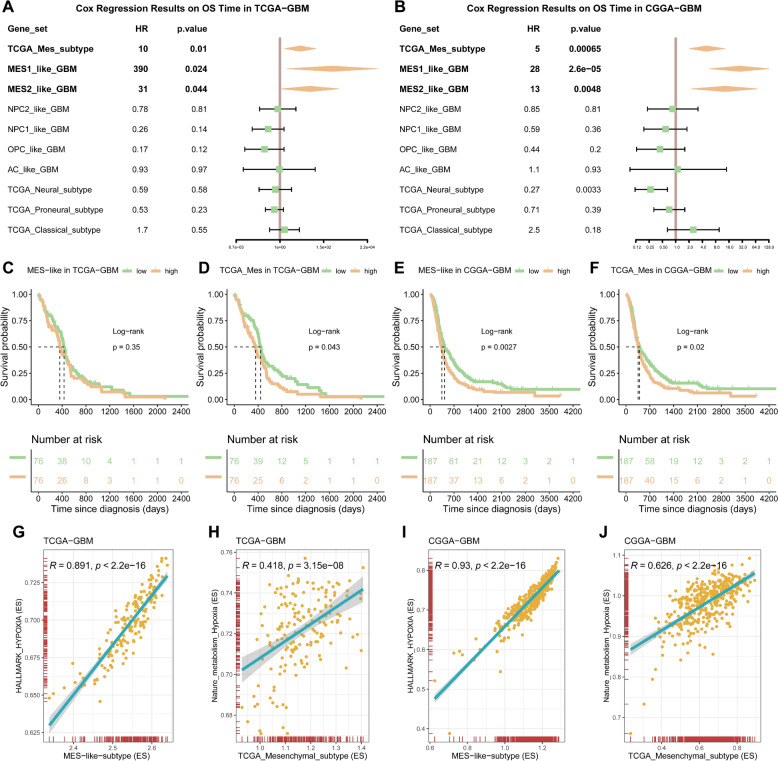
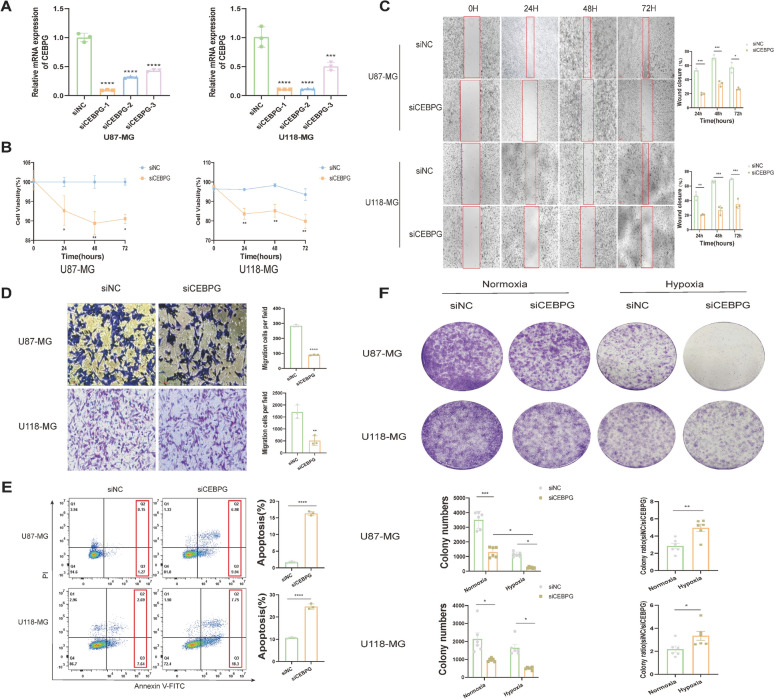
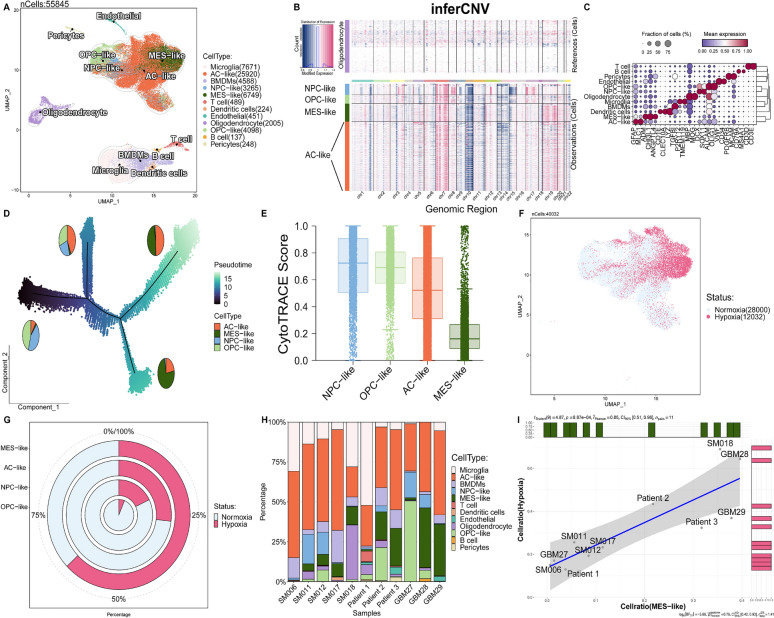
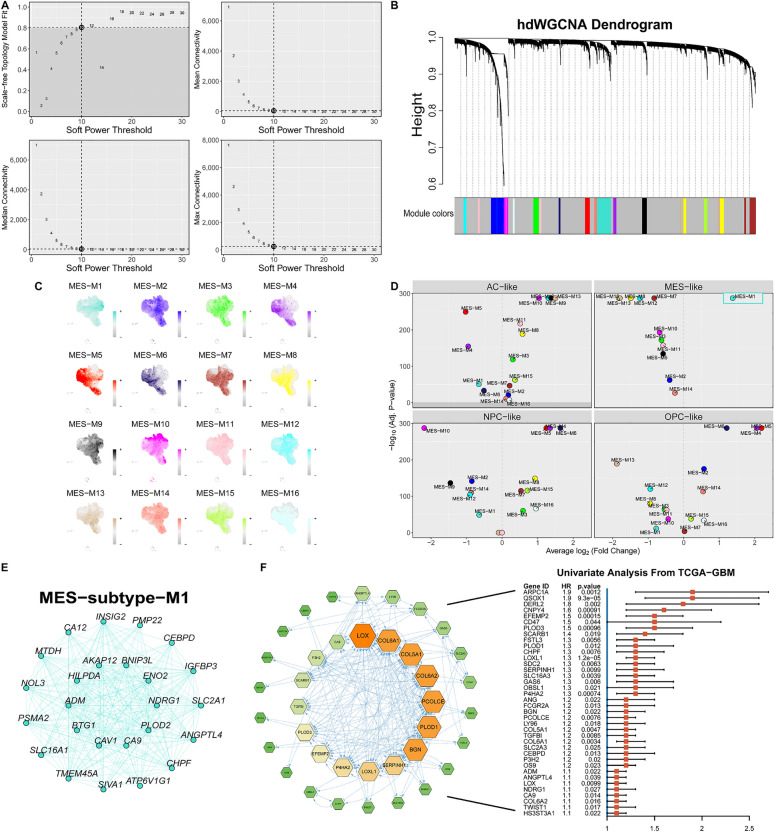
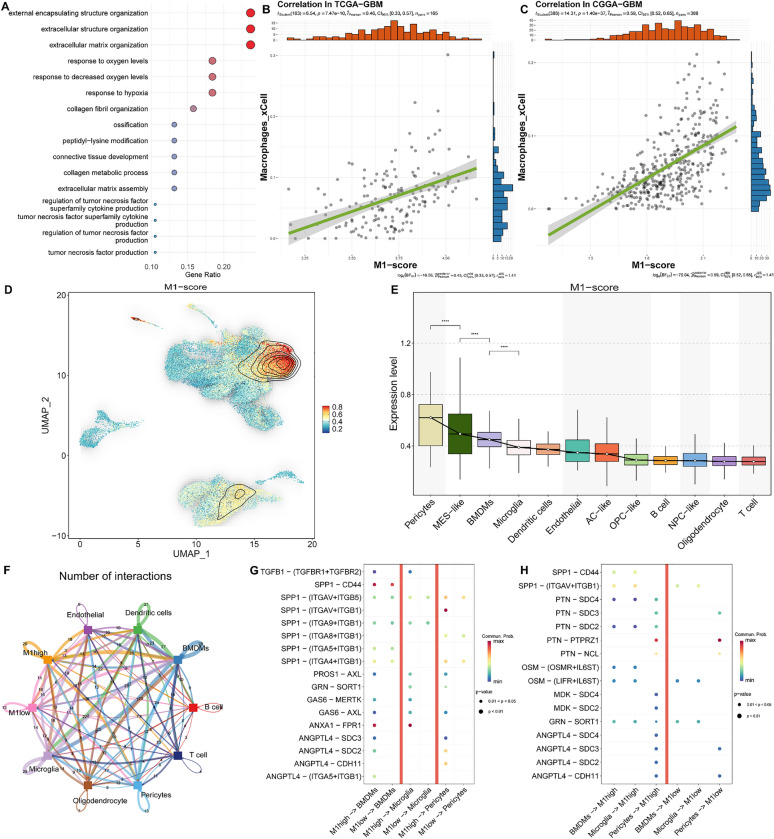
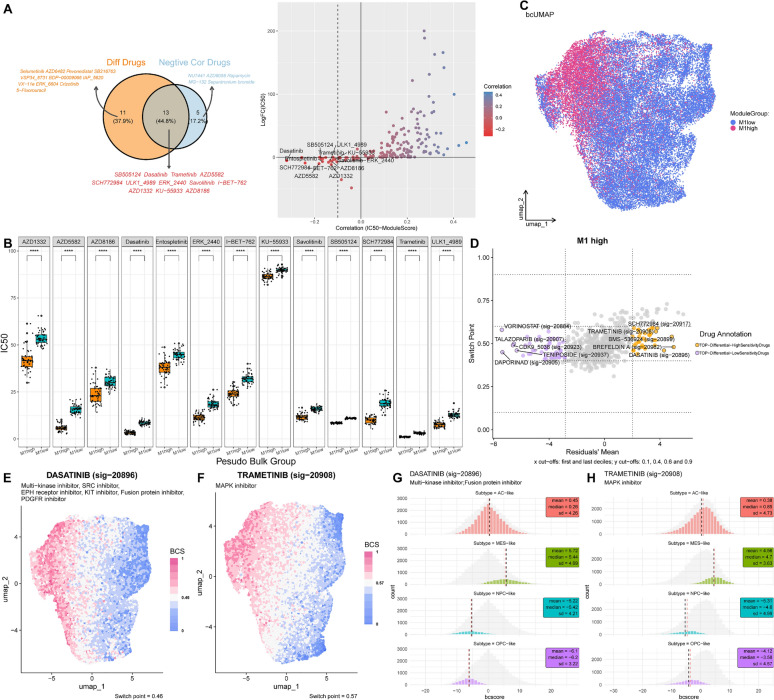
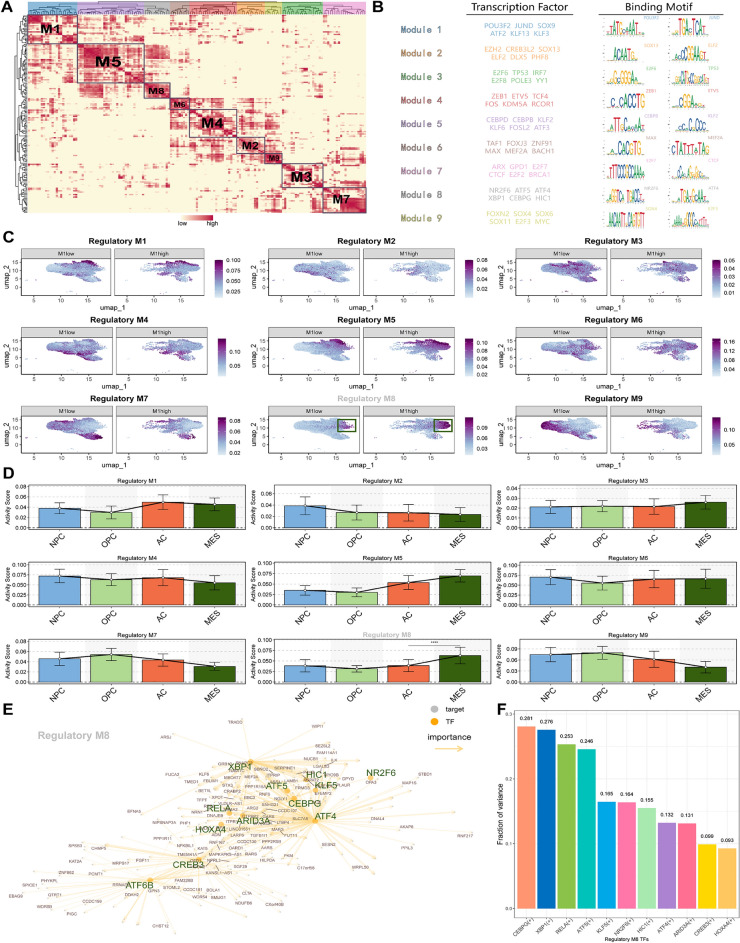
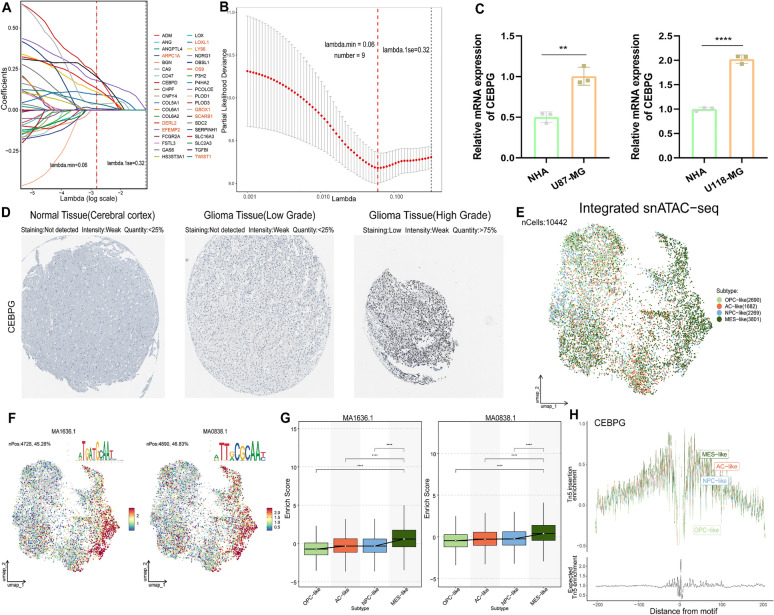
The inherent heterogeneity of tumor cells impedes the development of targeted therapies for specific glioblastoma (GBM) subtypes. This study aims to investigate the mesenchymal subtype of GBM to uncover detailed characteristics, potential therapeutic strategies, and improve precision treatment for GBM patients. We integrated single-cell RNA sequencing (scRNA-seq), single-nucleus assay for transposase-accessible chromatin sequencing (snATAC-seq), and bulk RNA sequencing datasets to identify core gene modules, candidate therapeutic drugs, and key transcription factors specific to mesenchymal subtype GBM tumor cells which we validated in vitro and human samples. Our analysis encompassed a heterogeneous single-cell landscape of 55,845 cells from tumor and adjacent normal tissues, focusing on the mesenchymal subtype's adverse prognosis and its association with hypoxia. We identified a core gene module composed of 38 genes and, through pharmacogenomic analysis, found that Trametinib and Dasatinib exhibit increased effectiveness against mesenchymal subtype GBM cells. Furthermore, by incorporating snATAC-seq data, we delineated a crucial regulatory network and pinpointed the key transcription factor CEBPG. Our research has highlighted the strong link between the mesenchymal-like (MES-like) properties of GBM and hypoxia, providing valuable insights into candidate drugs and pivotal targets for precision treatment of the mesenchymal subtype.
肿瘤细胞固有的异质性阻碍了针对特定胶质母细胞瘤(GBM)亚型的靶向治疗的发展。本研究旨在调查GBM的间充质亚型,以揭示其详细特征、潜在治疗策略,并改善GBM患者的精准治疗。我们整合了单细胞RNA测序(scRNA-seq)、转座酶可及染色质测序的单核分析(snATAC-seq)和批量RNA测序数据集,以识别间充质亚型GBM肿瘤细胞特有的核心基因模块、候选治疗药物和关键转录因子,并在体外和人类样本中进行了验证。我们的分析涵盖了来自肿瘤和邻近正常组织的55845个细胞的异质单细胞图谱,重点关注间充质亚型的不良预后及其与缺氧的关系。我们鉴定了一个由38个基因组成的核心基因模块,并通过药物基因组学分析发现,曲美替尼和达沙替尼对间充质亚型GBM细胞表现出更高的有效性。此外,通过纳入snATAC-seq数据,我们描绘了一个关键调控网络,并确定了关键转录因子CEBPG。我们的研究突出了GBM的间充质样(MES样)特性与缺氧之间的紧密联系,为间充质亚型的精准治疗提供了有价值的候选药物和关键靶点见解。