Liu Yu, Li Weijie, Lei Lei, Zhou Yaoliang, Huang Mingcheng, Li Yide, Zhang Xiaoying, Jiang Yingyu, Wu Haiqi, Zheng Zhihua, Ma Kongyang, Tang Chun
Department of Nephrology, Center of Kidney and Urology, The Seventh Affiliated Hospital, Sun Yat-sen University, Shenzhen, China.
Centre for Infection and Immunity Studies, School of Medicine, The Sun Yat-sen University, Shenzhen, China.
Front Immunol. 2024 Dec 6;15:1449975. doi: 10.3389/fimmu.2024.1449975. eCollection 2024.
Sepsis, a life-threatening organ dysfunction caused by a dysregulated immune response to infection, remains a significant global health challenge. Phosphoglycerate kinase 1 (PGK1) has been implicated in regulating inflammation and immune cell infiltration in inflammatory conditions. However, the role of PGK1 in sepsis remains largely unexplored.
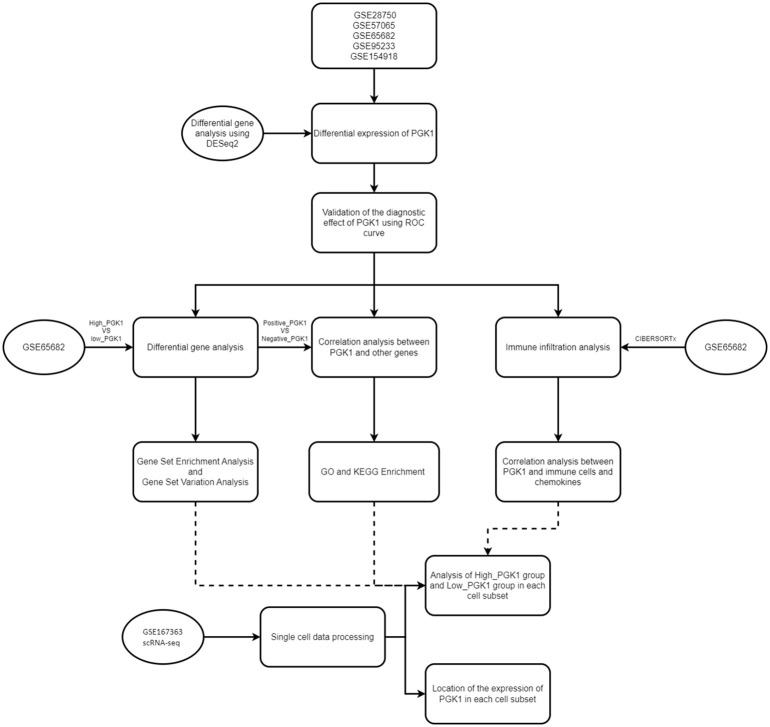
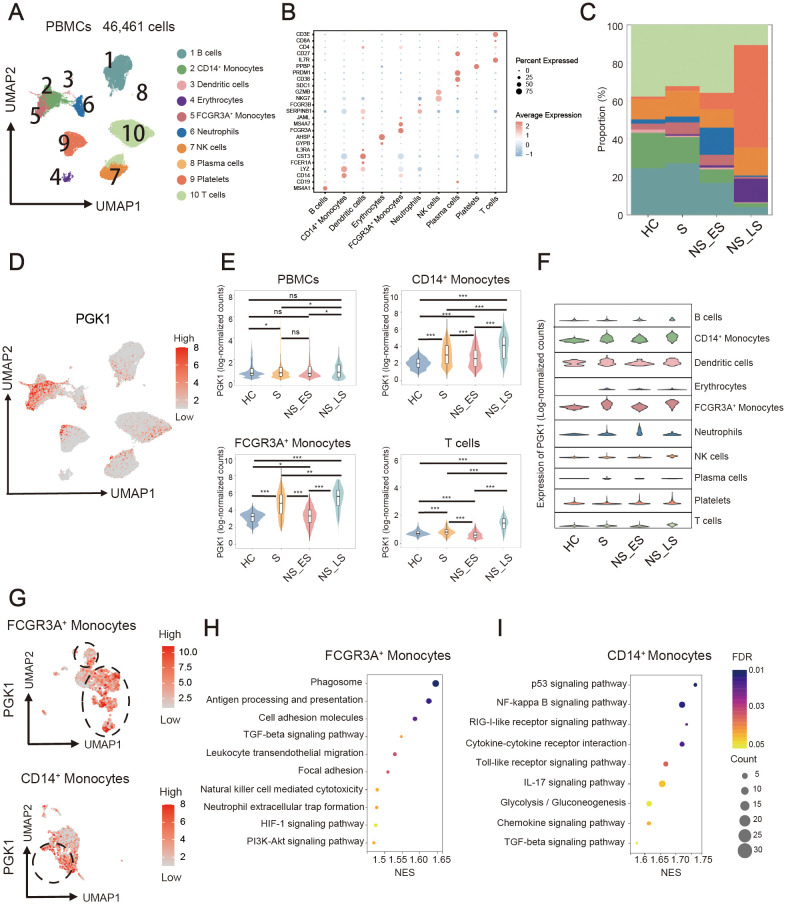
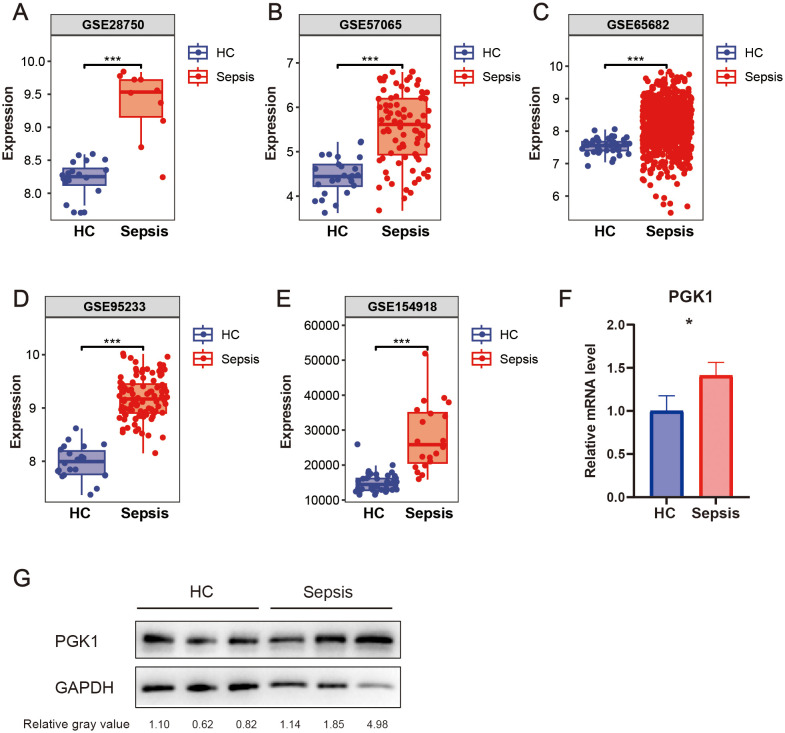
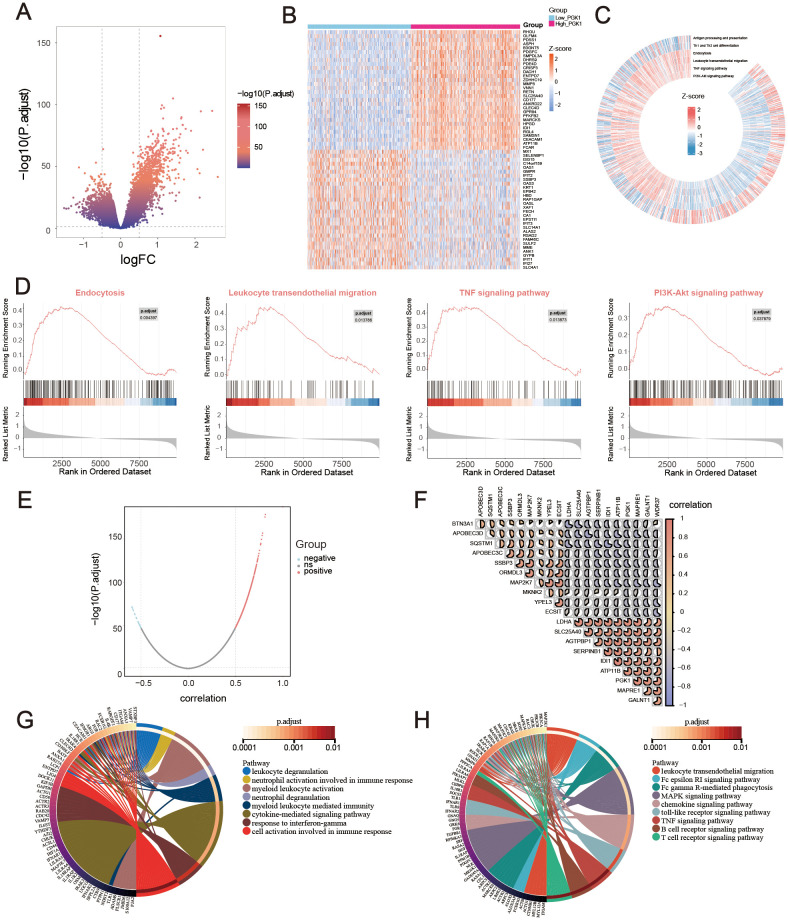
Four microarray datasets and a high throughput sequencing dataset were acquired from GEO database to reveal the PGK1 expression in patients of sepsis. Quantitative real-time PCR and western blotting was then used to validate the PGK1 level. Additionally, microarray and single-cell RNA sequencing data integration, including gene set enrichment analysis (GSEA), KEGG and GO functional enrichment analysis, immune infiltration analysis, and single-cell sequencing analysis, were performed to elucidate the role of PGK1 in sepsis.
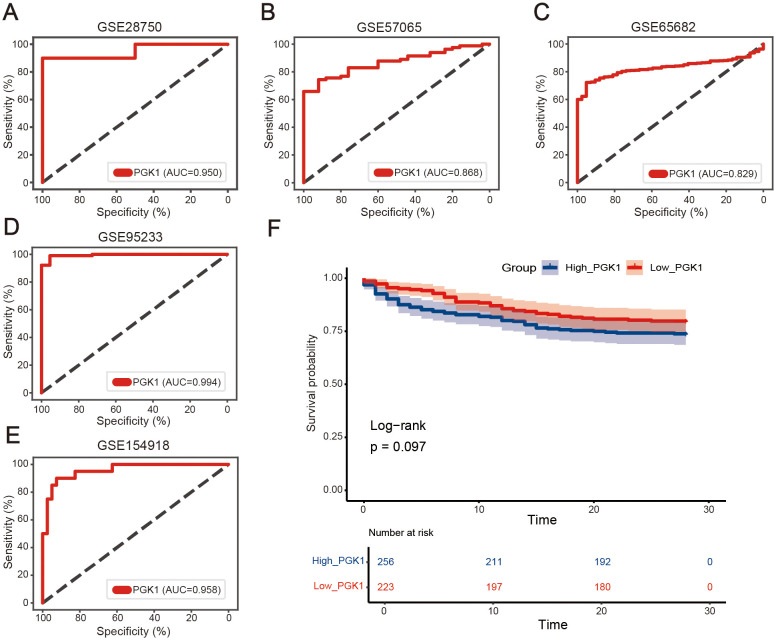
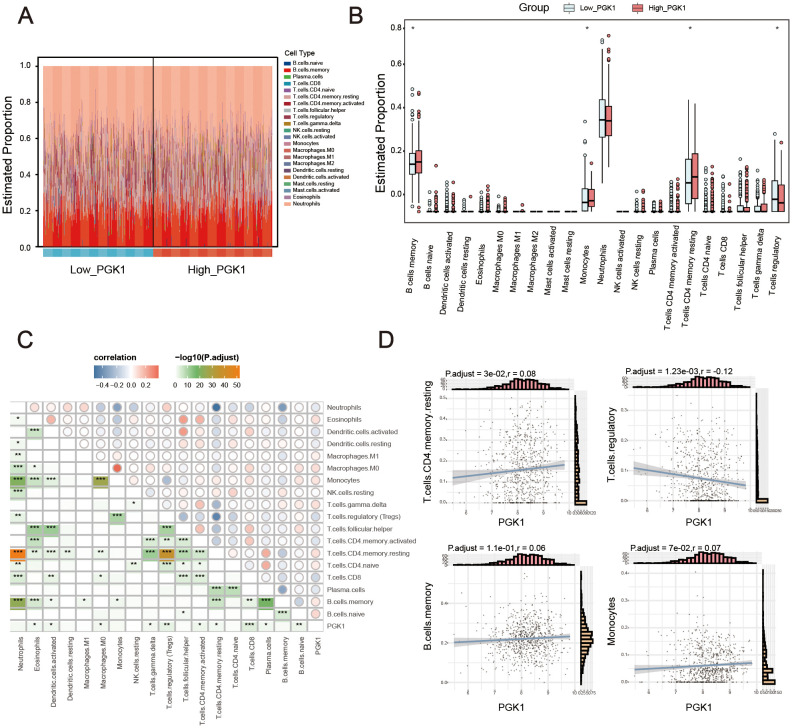
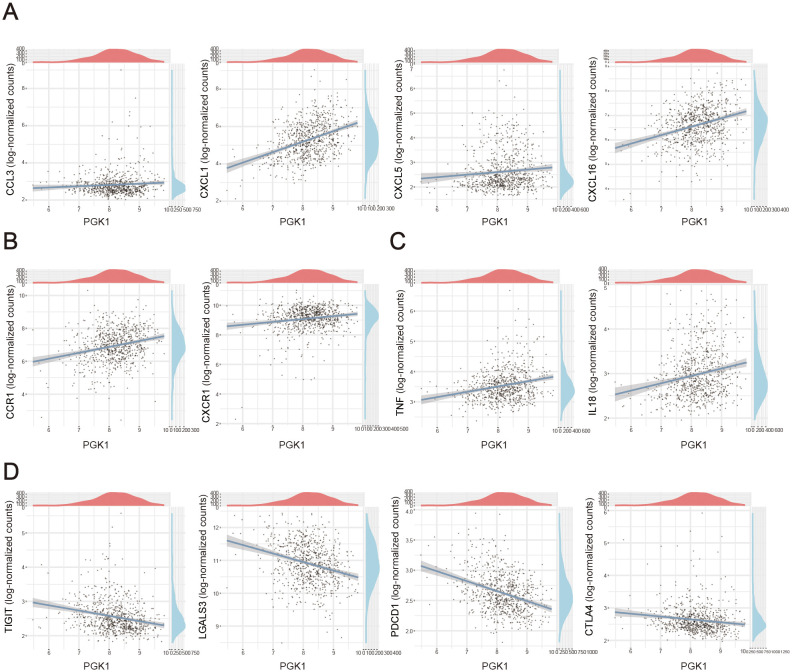
Our results revealed a significant upregulation of PGK1 in sepsis patients, with the area under the ROC curve (AUC) exceeding 0.9 across multiple datasets, indicating PGK1's strong potential as a diagnostic biomarker. Notably, PGK1 was enriched in key immune-related pathways, including the TNF signaling pathways, and leukocyte transendothelial migration, suggesting its involvement in immune regulation. Furthermore, PGK1 expression showed a positive correlation with the levels of inflammatory mediators CXCL1, CXCL16, and the chemokine receptor CCR1. In terms of immune cell infiltration, PGK1 was positively correlated with naive B cells, resting memory CD4 T cell, gamma delta T cells, M0 macrophages, eosinophils and negatively correlated with plasma cells, CD8 T cells, activated memory CD4 T cell, Tregs, activated dendritic cells.
This study concluded that PGK1 served as a novel diagnostic biomarker for sepsis, with potential implications for prognosis and immune regulation. The significant upregulation of PGK1 in sepsis patients and its association with immune-related pathways and cell types highlight its potential role in the pathogenesis of sepsis.
脓毒症是由对感染的免疫反应失调引起的危及生命的器官功能障碍,仍然是一项重大的全球健康挑战。磷酸甘油酸激酶1(PGK1)已被证明在炎症状态下调节炎症和免疫细胞浸润。然而,PGK1在脓毒症中的作用在很大程度上仍未被探索。
从基因表达综合数据库(GEO数据库)获取四个微阵列数据集和一个高通量测序数据集,以揭示脓毒症患者中PGK1的表达情况。然后使用定量实时聚合酶链反应(qRT-PCR)和蛋白质免疫印迹法来验证PGK1水平。此外,进行了微阵列和单细胞RNA测序数据整合,包括基因集富集分析(GSEA)、京都基因与基因组百科全书(KEGG)和基因本体(GO)功能富集分析、免疫浸润分析和单细胞测序分析,以阐明PGK1在脓毒症中的作用。
我们的结果显示脓毒症患者中PGK1显著上调,在多个数据集中,其受试者工作特征曲线下面积(AUC)超过0.9,表明PGK1作为诊断生物标志物具有很强的潜力。值得注意的是,PGK1在关键免疫相关途径中富集,包括肿瘤坏死因子(TNF)信号通路和白细胞跨内皮迁移,表明其参与免疫调节。此外,PGK1表达与炎症介质CXCL1、CXCL16以及趋化因子受体CCR1的水平呈正相关。在免疫细胞浸润方面,PGK1与幼稚B细胞、静息记忆CD4 T细胞、γδ T细胞、M0巨噬细胞、嗜酸性粒细胞呈正相关,与浆细胞、CD8 T细胞、活化记忆CD4 T细胞、调节性T细胞(Tregs)、活化树突状细胞呈负相关。
本研究得出结论,PGK1作为脓毒症的一种新型诊断生物标志物,对预后和免疫调节具有潜在意义。脓毒症患者中PGK1的显著上调及其与免疫相关途径和细胞类型的关联突出了其在脓毒症发病机制中的潜在作用。