Martin Perez Carla, Liang Xiuming, Gupta Dhanu, Haughton Emily R, Conceição Mariana, Mäger Imre, El Andaloussi Samir, Wood Matthew J A, Roberts Thomas C
Department of Paediatrics, University of Oxford, Oxford, OX3 7TY, UK.
Department of Physiology, Anatomy and Genetics, University of Oxford, South Parks Road, Oxford, OX1 3QX, UK.
Extracell Vesicle. 2024 Dec;4:None. doi: 10.1016/j.vesic.2024.100054.
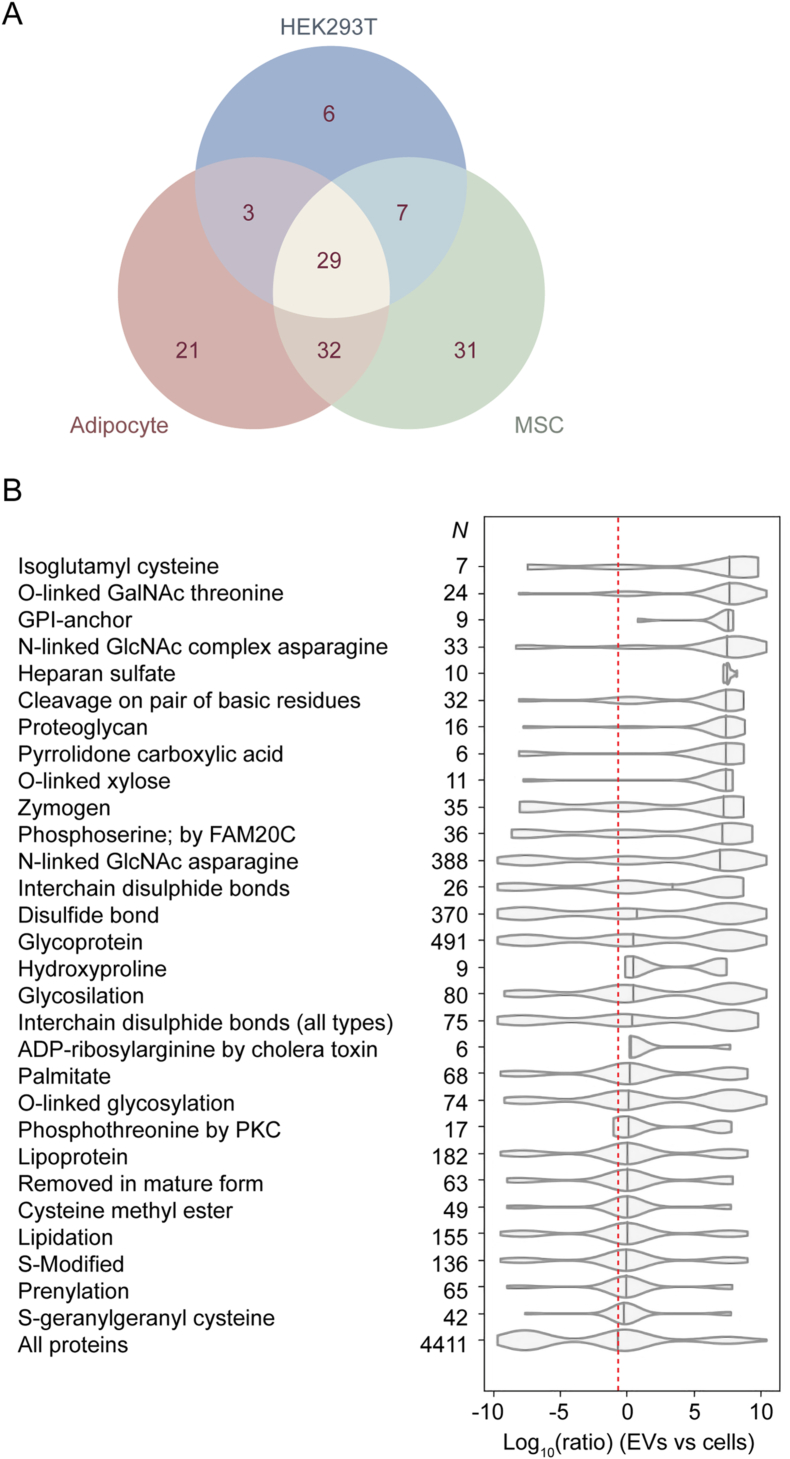
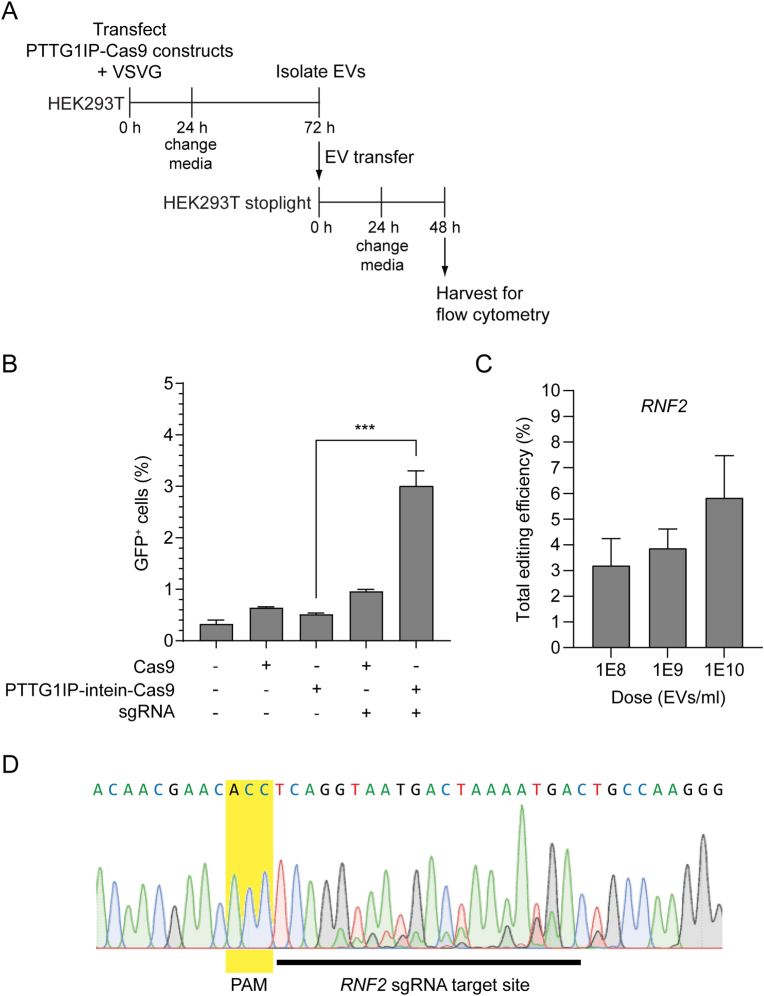
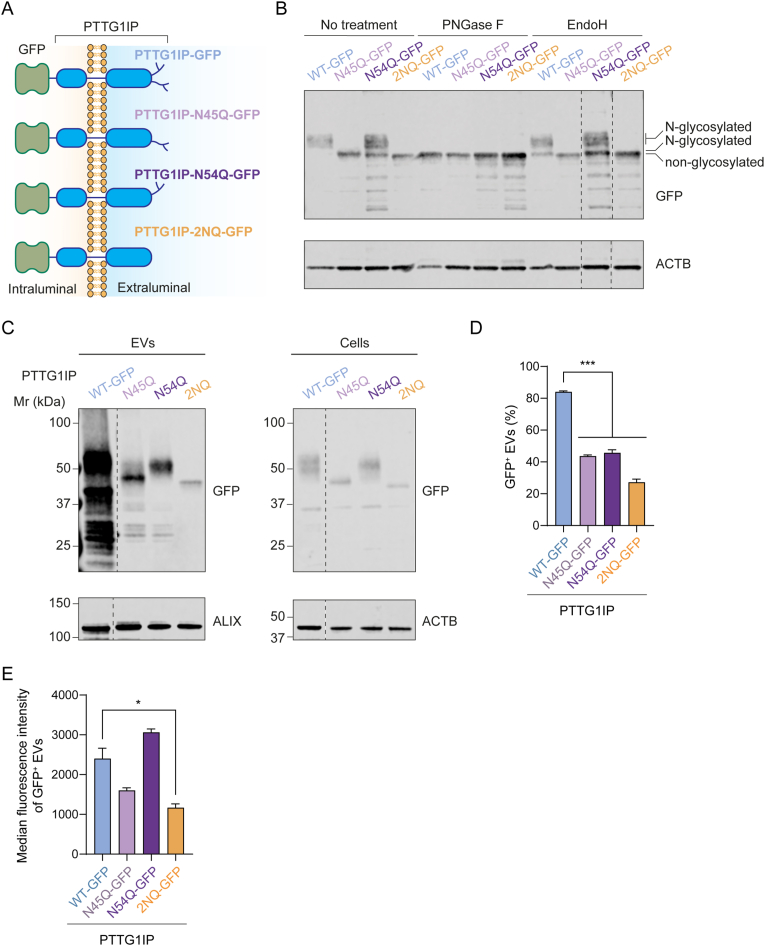
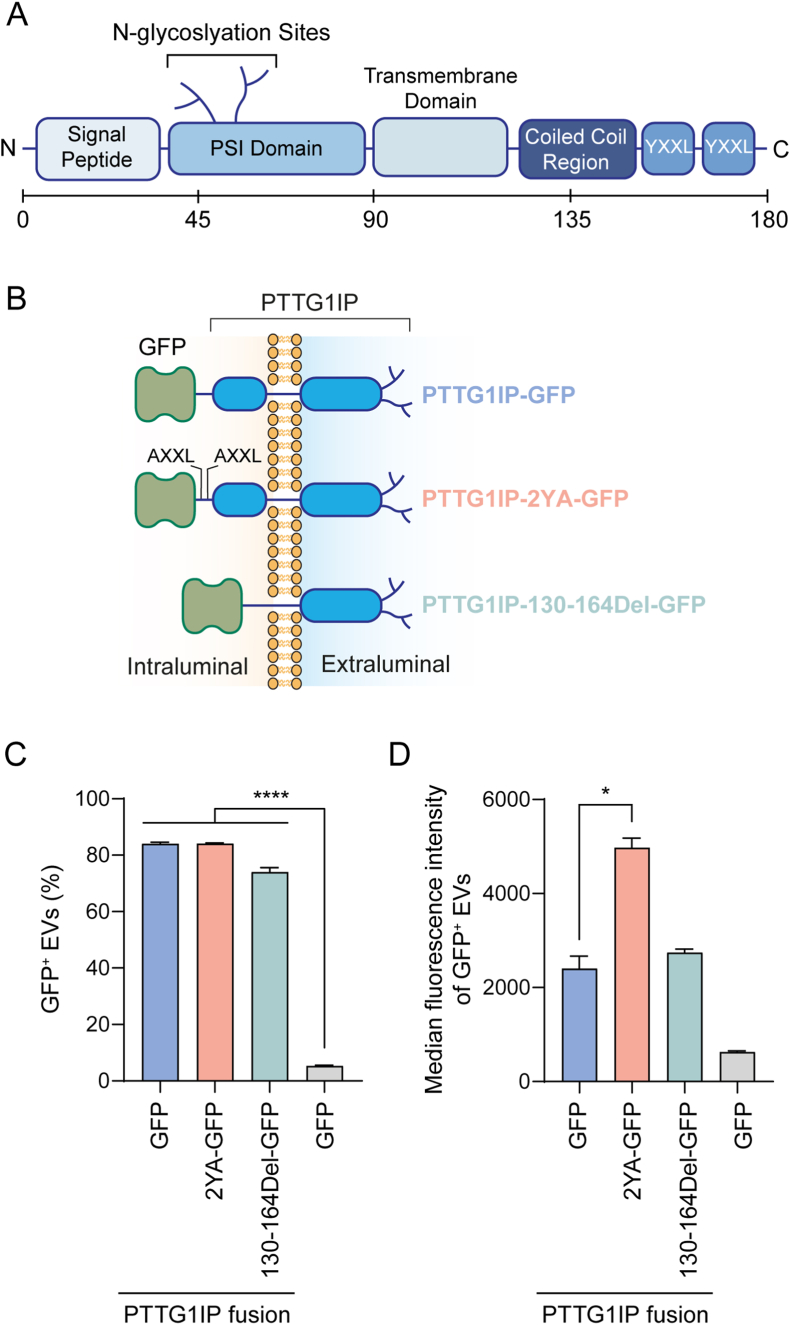
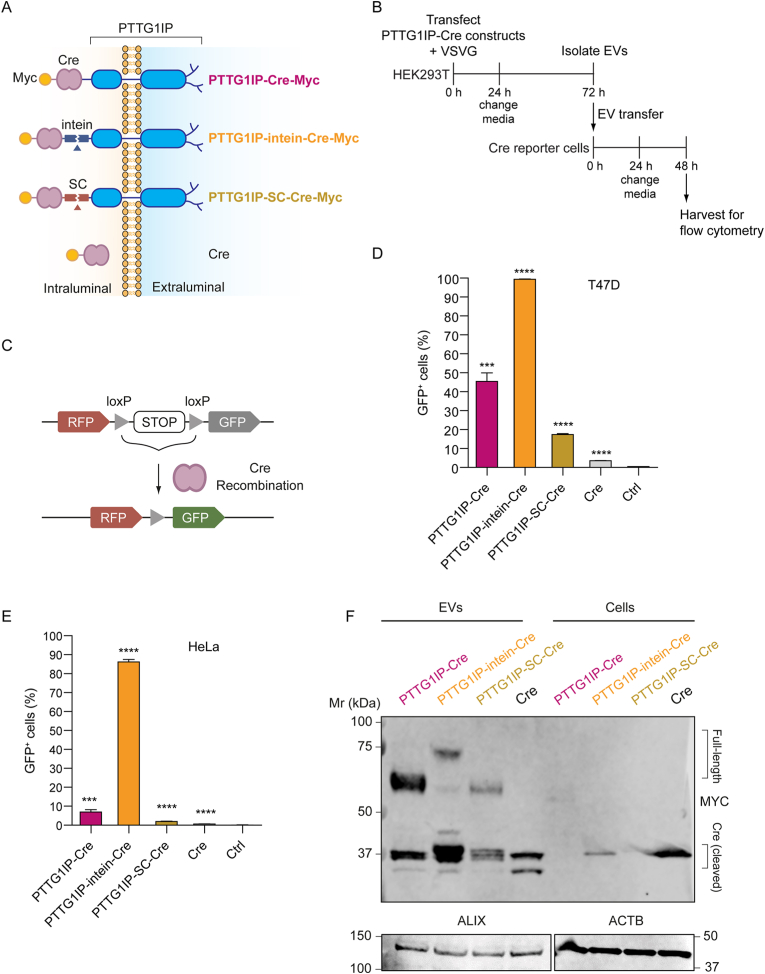
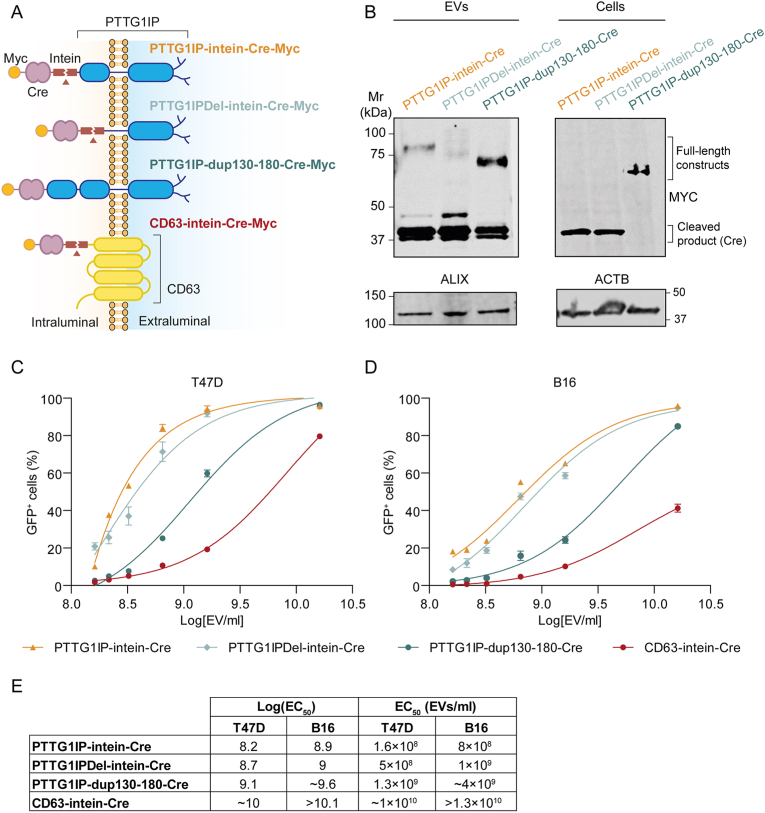
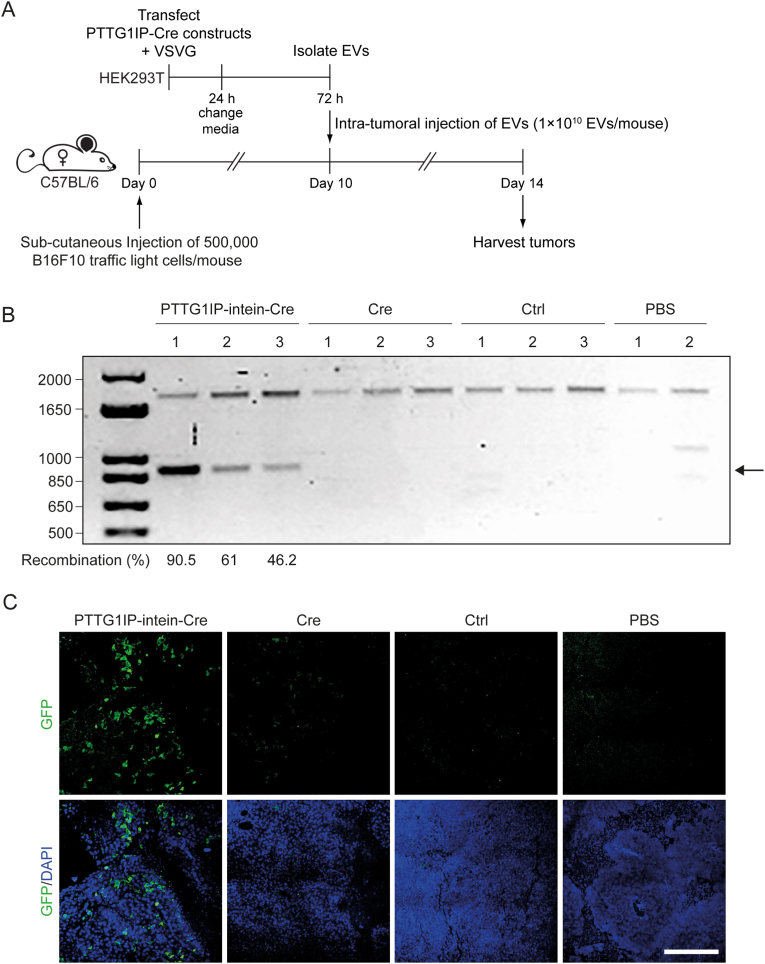
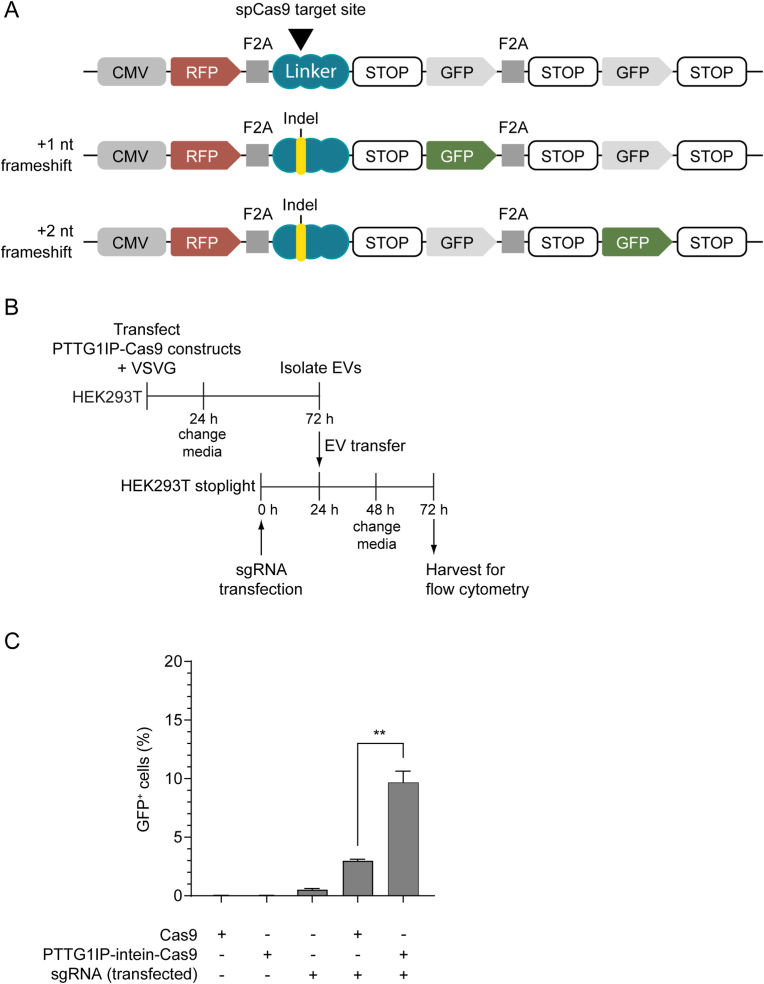
Extracellular vesicles (EVs) are promising therapeutic delivery vehicles, although their potential is limited by a lack of efficient engineering strategies to enhance loading and functional cargo delivery. Using an in-house bioinformatics analysis, we identified N-glycosylation as a putative EV-sorting feature. PTTG1IP (a small, N-glycosylated, single-spanning transmembrane protein) was found to be a suitable scaffold for EV loading of therapeutic cargoes, with loading dependent on its N-glycosylation at two arginine residues. Chimeric proteins consisting of PTTG1IP fused with various cargo proteins, and separated by self-cleaving sequences (to promote cargo release), were shown to enable highly efficient functional delivery of Cre protein to recipient cell cultures and mouse xenograft tumors, and delivery of Cas9-sgRNA complexes to recipient reporter cells. The favorable membrane topology of PTTG1IP enabled facile engineering of further variants with improved properties, highlighting its versatility and potential as a platform for EV-based therapeutics.
细胞外囊泡(EVs)是很有前景的治疗性递送载体,尽管其潜力因缺乏增强负载和功能性货物递送的有效工程策略而受到限制。通过内部生物信息学分析,我们确定N-糖基化是一种假定的EV分选特征。发现PTTG1IP(一种小的、N-糖基化的、单跨膜蛋白)是用于治疗性货物EV负载的合适支架,其负载依赖于两个精氨酸残基处的N-糖基化。由PTTG1IP与各种货物蛋白融合并由自切割序列隔开(以促进货物释放)组成的嵌合蛋白,被证明能够将Cre蛋白高效功能性递送至受体细胞培养物和小鼠异种移植肿瘤,并将Cas9-sgRNA复合物递送至受体报告细胞。PTTG1IP有利的膜拓扑结构使得能够轻松构建具有改进特性的更多变体,突出了其作为基于EV的治疗平台的多功能性和潜力。