Joch Sophie, Smolle Maria Anna, Kashofer Karl, Thüringer Andrea, Szkandera Joanna, Benesch Martin, El-Heliebi Amin, Liegl-Atzwanger Bernadette, Leithner Andreas, Seidel Markus G
Division of Paediatric Haematology-Oncology, Department of Paediatrics and Adolescent Medicine, Medical University of Graz, Graz, Austria,
Department of Orthopaedics and Trauma, Medical University of Graz, Graz, Austria.
Oncol Res Treat. 2025;48(4):186-196. doi: 10.1159/000543223. Epub 2024 Dec 23.
Assessment of circulating tumor DNA (ctDNA) as a means to monitor disease activity in translocation-associated tumors has become very popular in clinical practice. However, there are still few studies on its clinical application to date. Our study evaluates the clinical applicability of ctDNA as a biomarker for monitoring minimal residual disease (MRD) in patients with translocation-associated sarcomas.
In this retrospective study, we correlated 285 ctDNA samples from 34 patients diagnosed with translocation-associated sarcoma with the clinical course and images. Blood samples were collected at multiple time points during follow-up (median: 97 weeks, range: 7-398).
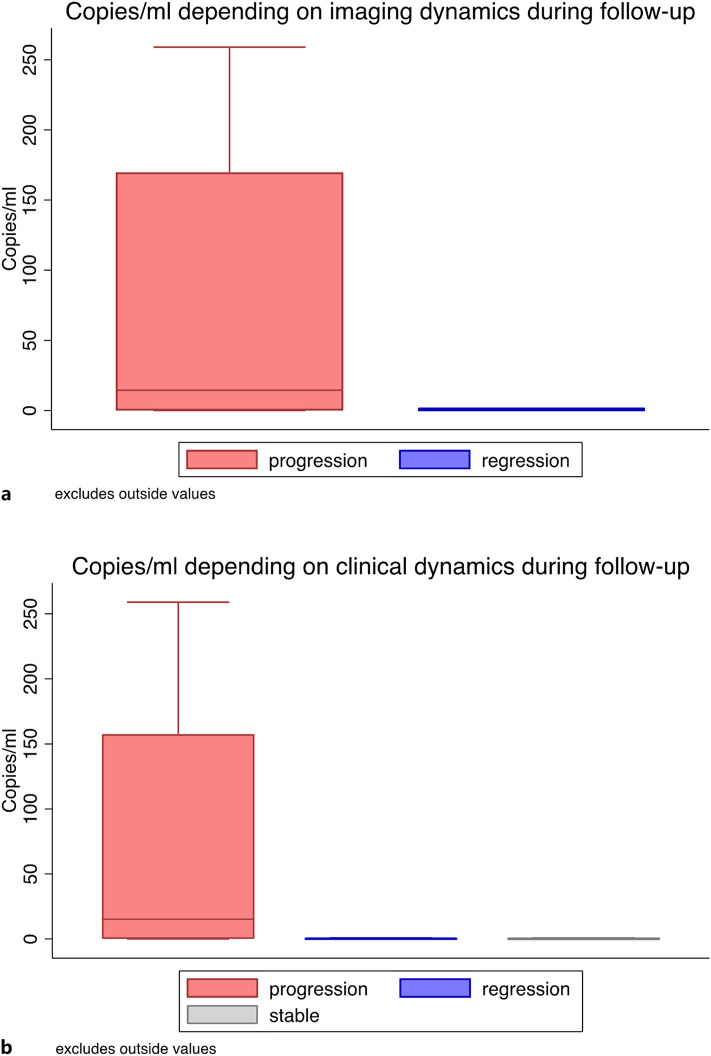
We discovered a significant association between ctDNA levels and the clinical course of the disease, particularly noting differences between patients in remission or with progressive disease (p = 0.001). Furthermore, although we noted that ctDNA levels remained undetectable in a few cases of unilocular recurrence (n = 3), they were consistently higher in patients with multilocular recurrence (n = 14; p = 0.008).
Monitoring ctDNA levels provides highly specific, additional information enabling early recurrence detection in patients with translocation-associated sarcomas during the follow-up and can be integrated into clinical practice. However, MRD monitoring by ctDNA quantification alone does not allow the reliable detection of 100% of unilocular recurrences and should be complemented by the use of conventional imaging techniques.
Assessment of circulating tumor DNA (ctDNA) as a means to monitor disease activity in translocation-associated tumors has become very popular in clinical practice. However, there are still few studies on its clinical application to date. Our study evaluates the clinical applicability of ctDNA as a biomarker for monitoring minimal residual disease (MRD) in patients with translocation-associated sarcomas.
In this retrospective study, we correlated 285 ctDNA samples from 34 patients diagnosed with translocation-associated sarcoma with the clinical course and images. Blood samples were collected at multiple time points during follow-up (median: 97 weeks, range: 7-398).
We discovered a significant association between ctDNA levels and the clinical course of the disease, particularly noting differences between patients in remission or with progressive disease (p = 0.001). Furthermore, although we noted that ctDNA levels remained undetectable in a few cases of unilocular recurrence (n = 3), they were consistently higher in patients with multilocular recurrence (n = 14; p = 0.008).
Monitoring ctDNA levels provides highly specific, additional information enabling early recurrence detection in patients with translocation-associated sarcomas during the follow-up and can be integrated into clinical practice. However, MRD monitoring by ctDNA quantification alone does not allow the reliable detection of 100% of unilocular recurrences and should be complemented by the use of conventional imaging techniques.
评估循环肿瘤DNA(ctDNA)作为监测易位相关肿瘤疾病活动的一种手段在临床实践中已变得非常普遍。然而,迄今为止关于其临床应用的研究仍然很少。我们的研究评估了ctDNA作为监测易位相关肉瘤患者微小残留病(MRD)生物标志物的临床适用性。
在这项回顾性研究中,我们将34例诊断为易位相关肉瘤患者的285份ctDNA样本与临床病程及影像资料进行了关联分析。在随访期间的多个时间点采集血样(中位数:97周,范围:7 - 398周)。
我们发现ctDNA水平与疾病的临床病程之间存在显著关联,尤其注意到缓解期或疾病进展期患者之间的差异(p = 0.001)。此外,尽管我们注意到在少数单房复发病例(n = 3)中ctDNA水平仍检测不到,但在多房复发患者中其水平一直较高(n = 14;p = 0.008)。
监测ctDNA水平可提供高度特异的额外信息,有助于在随访期间早期发现易位相关肉瘤患者的复发情况,并可纳入临床实践。然而,仅通过ctDNA定量进行MRD监测无法可靠检测出100%的单房复发,应辅以传统影像技术。
评估循环肿瘤DNA(ctDNA)作为监测易位相关肿瘤疾病活动的一种手段在临床实践中已变得非常普遍。然而,迄今为止关于其临床应用的研究仍然很少。我们的研究评估了ctDNA作为监测易位相关肉瘤患者微小残留病(MRD)生物标志物的临床适用性。
在这项回顾性研究中,我们将34例诊断为易位相关肉瘤患者的285份ctDNA样本与临床病程及影像资料进行了关联分析。在随访期间的多个时间点采集血样(中位数:97周,范围:7 - 398周)。
我们发现ctDNA水平与疾病的临床病程之间存在显著关联,尤其注意到缓解期或疾病进展期患者之间的差异(p = 0.001)。此外,尽管我们注意到在少数单房复发病例(n = 3)中ctDNA水平仍检测不到,但在多房复发患者中其水平一直较高(n = 14;p = 0.008)。
监测ctDNA水平可提供高度特异的额外信息,有助于在随访期间早期发现易位相关肉瘤患者的复发情况,并可纳入临床实践。然而,仅通过ctDNA定量进行MRD监测无法可靠检测出100%的单房复发,应辅以传统影像技术。