• 文献检索
  • 文档翻译
  • 深度研究
  • 学术资讯
  • Suppr Zotero 插件Zotero 插件
  • 邀请有礼
  • 套餐&价格
  • 历史记录
应用&插件
Suppr Zotero 插件Zotero 插件浏览器插件Mac 客户端Windows 客户端微信小程序
定价
高级版会员购买积分包购买API积分包
服务
文献检索文档翻译深度研究API 文档MCP 服务
关于我们
关于 Suppr公司介绍联系我们用户协议隐私条款
关注我们

Suppr 超能文献

核心技术专利:CN118964589B侵权必究
粤ICP备2023148730 号-1Suppr @ 2026

文献检索

告别复杂PubMed语法,用中文像聊天一样搜索,搜遍4000万医学文献。AI智能推荐,让科研检索更轻松。

立即免费搜索

文件翻译

保留排版,准确专业,支持PDF/Word/PPT等文件格式,支持 12+语言互译。

免费翻译文档

深度研究

AI帮你快速写综述,25分钟生成高质量综述,智能提取关键信息,辅助科研写作。

立即免费体验

High early strength concrete incorporating waste derived nanomaterials for sustainable construction.

作者信息

Hamed Nehal, Serag M I, El-Attar M M, El-Feky M S

机构信息

Department of Structural Engineering, Faculty of Engineering, Cairo University, Giza, Egypt.

Department of Civil Engineering, The Higher Institute of Engineering and Technology Fifth Settlement, New Cairo, Egypt.

出版信息

Sci Rep. 2024 Dec 23;14(1):30602. doi: 10.1038/s41598-024-81178-4.

DOI:10.1038/s41598-024-81178-4
PMID:39715813
原文链接:https://pmc.ncbi.nlm.nih.gov/articles/PMC11666605/
Abstract

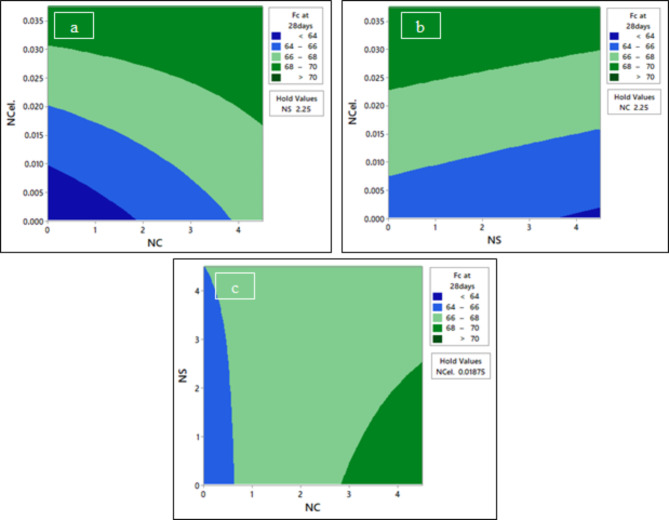
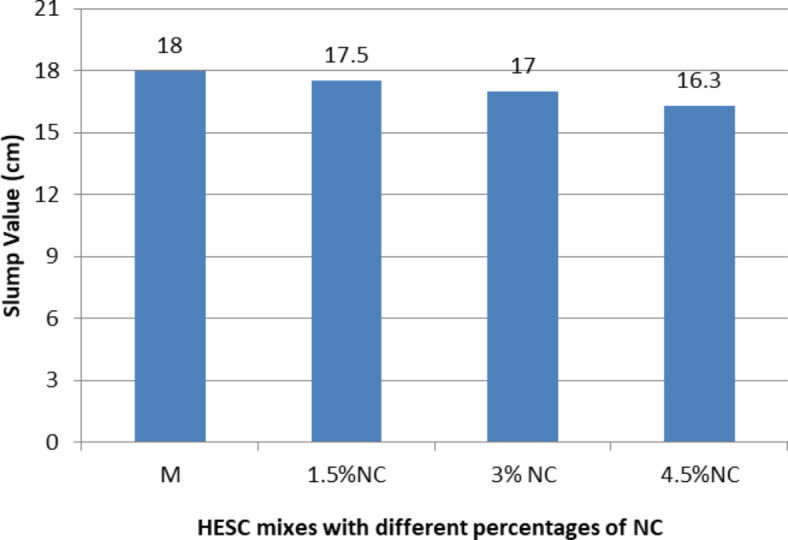
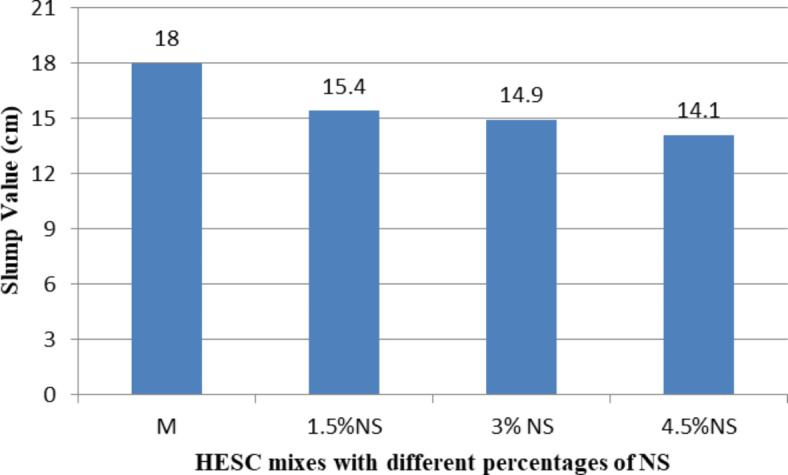
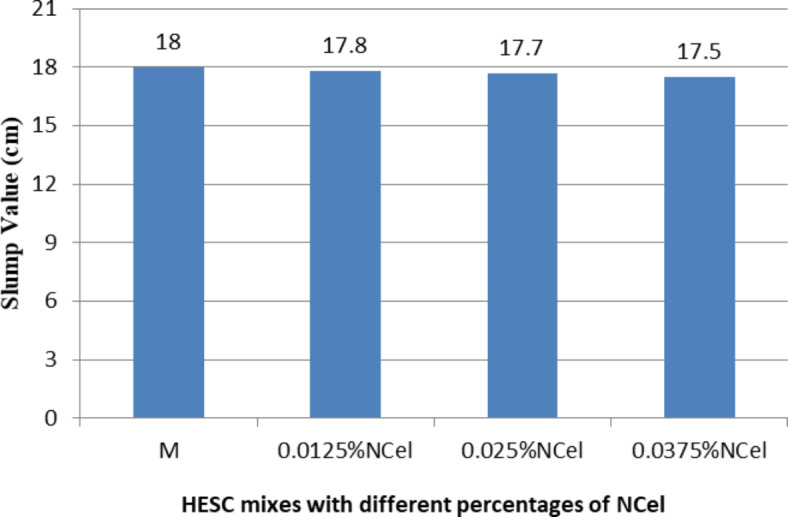
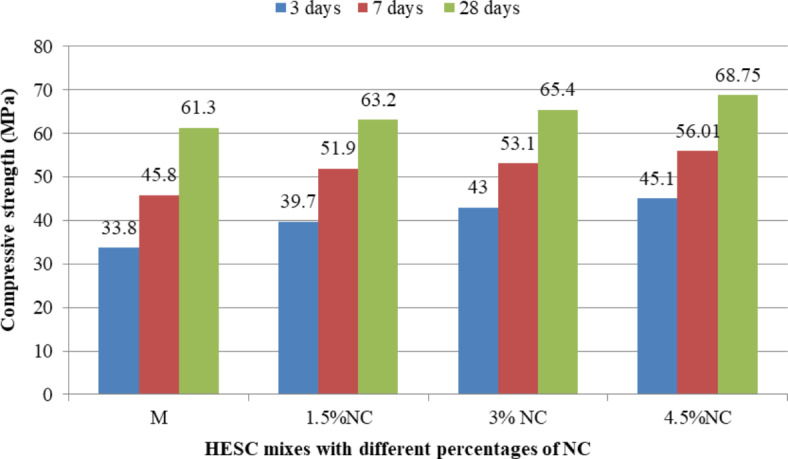
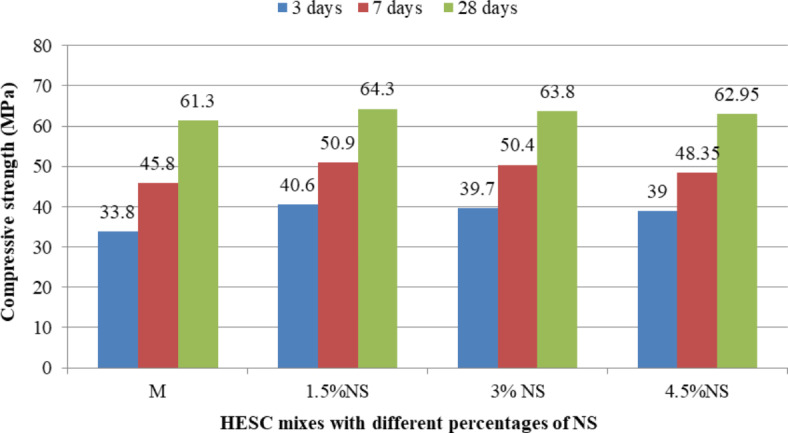
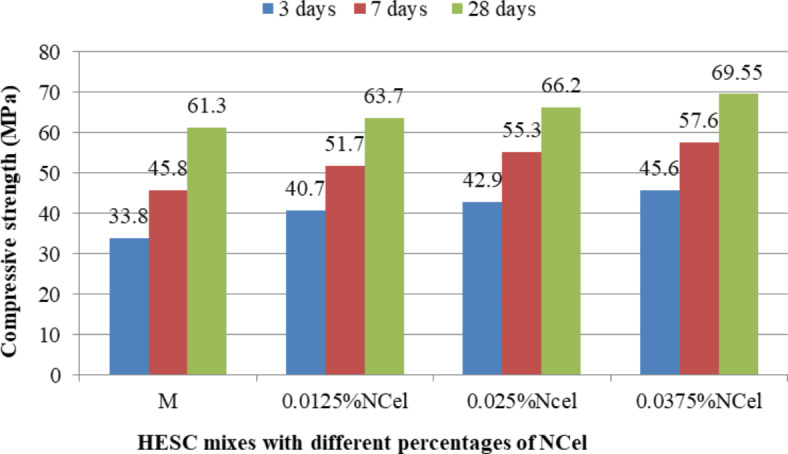
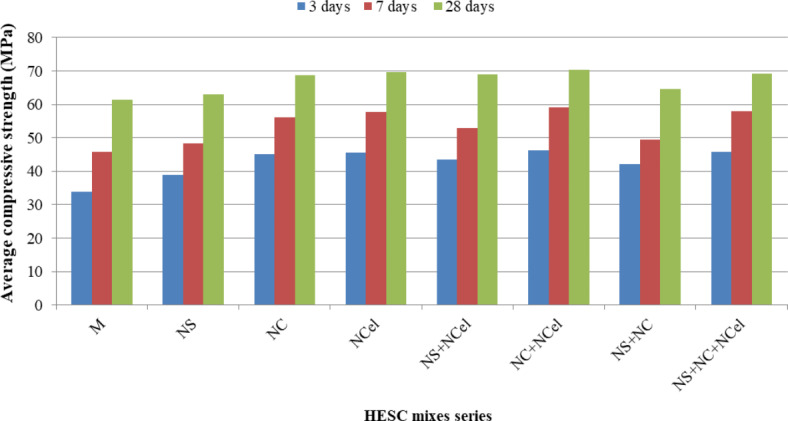
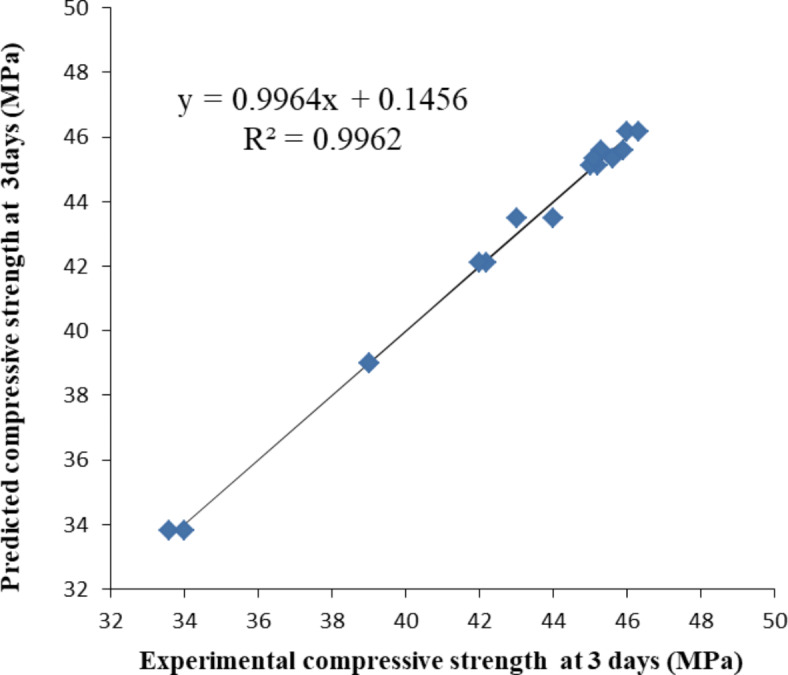
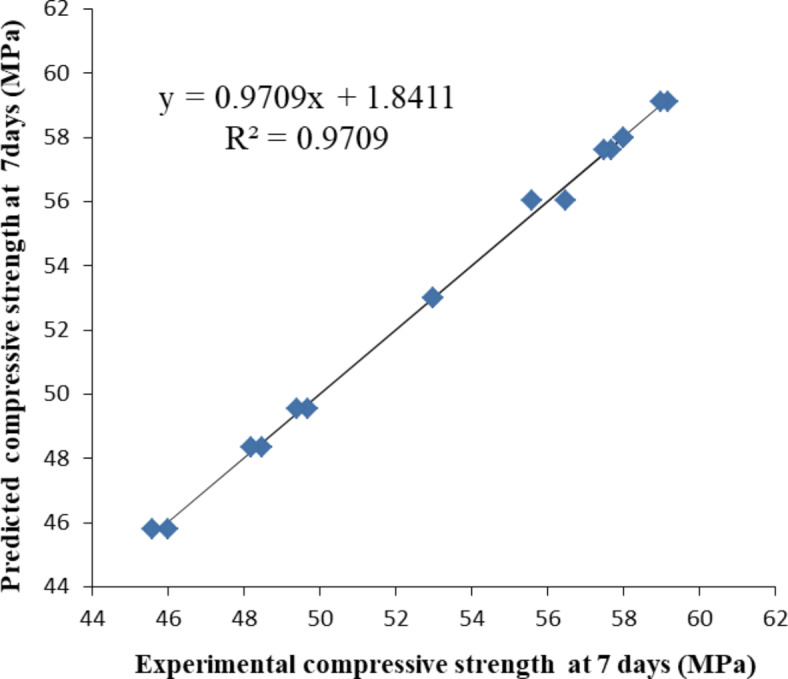
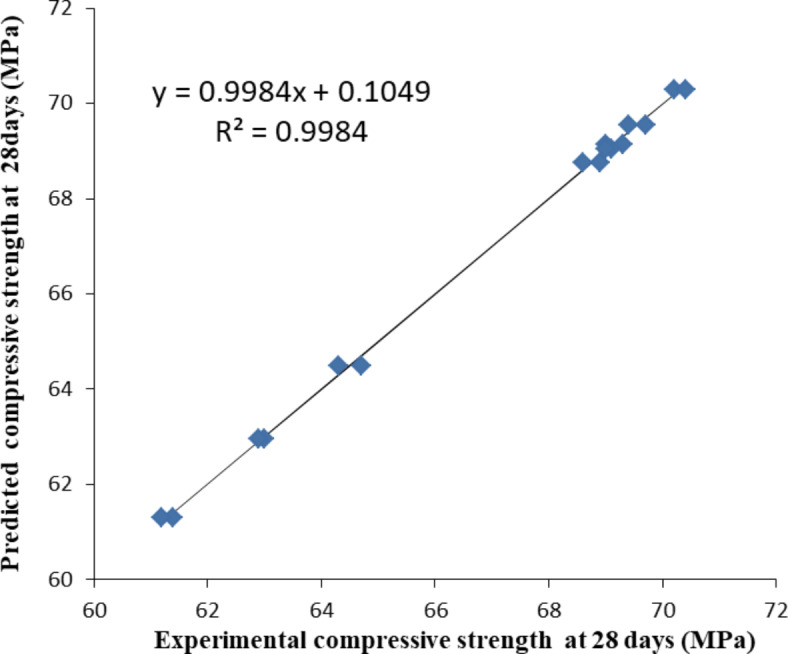
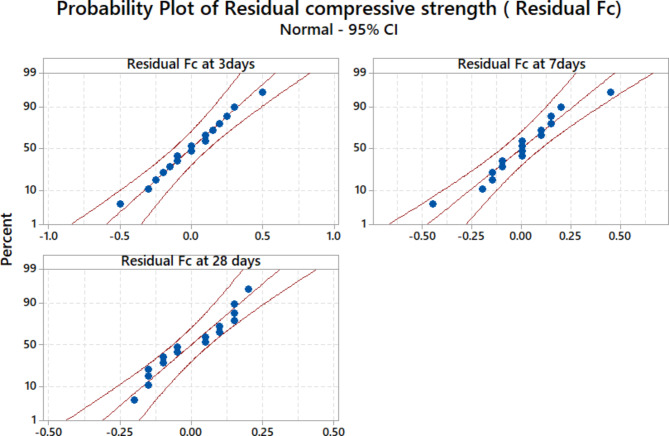
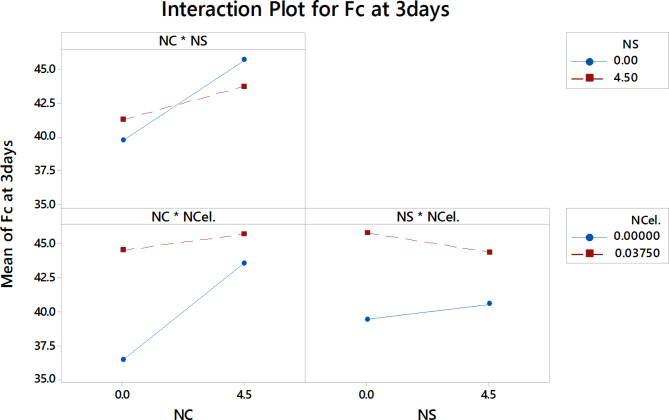
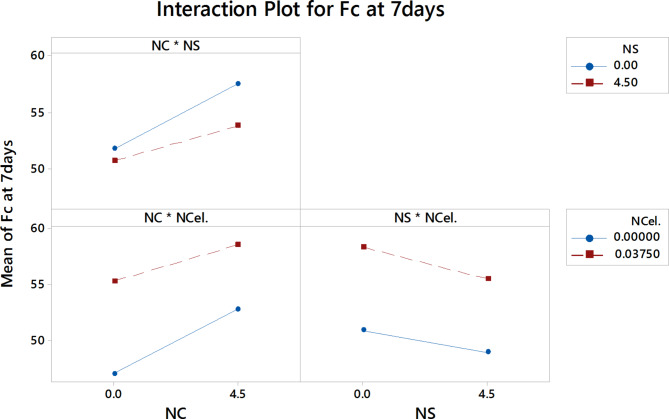
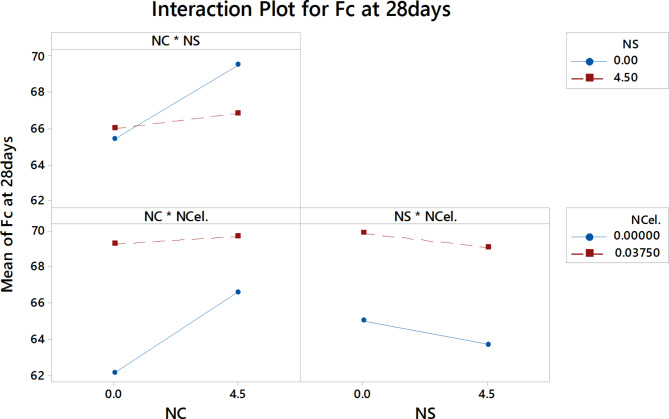
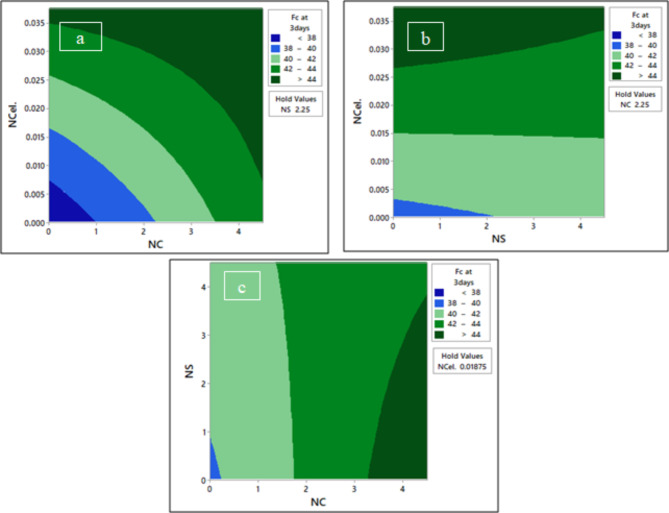
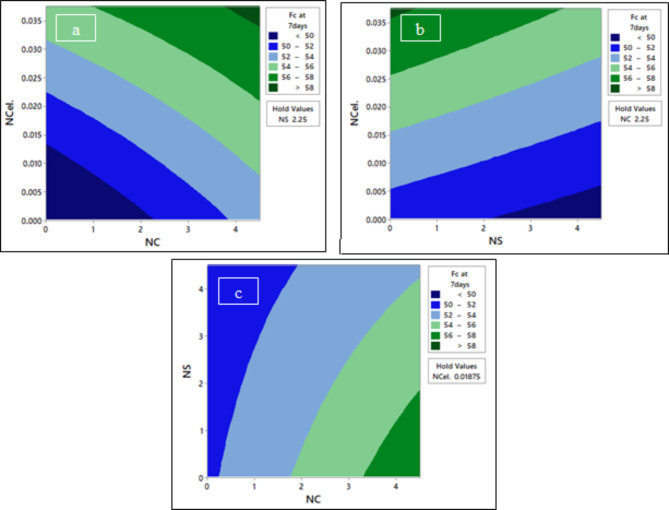
This paper contributes to the expanding knowledge base on nanomaterial-enhanced cementitious composites, offering valuable insights for developing high-performance, sustainable concrete solutions. The study assessed the effects of three different types of nanomaterials-nano clay (NC), nano silica (NS), and nano cellulose (NCel)-on the compressive strength of high-early-strength concrete (HESC) through both experimental studies and a 2 factorial design. Incorporating nanomaterials into the HESC matrix led to a decrease in workability, with NCel demonstrating the least impact on this property across all studied replacement percentages. All HESC mixes containing nanomaterials exhibited higher compressive strength than the control mix (M mix) across all ages. The optimal percentages for compressive strength enhancement were 4.5% NC (33.43% increase at 3 days, 22.29% at 7 days, and 12.15% at 28 days), 4.5% NS (20.12%, 11.14%, and 4.89% respectively), and 0.0375% NCel (34.91%, 25.76%, and 13.46% respectively). The highest compressive strength was observed in the hybrid mix containing 4.5% NC and 0.0375% NCel, yielding strength enhancements of 35.7%, 26%, and 12.75% compared to the M mix. Statistical analysis indicated that nano cellulose had the most significant contribution to enhancing compressive strength, followed by nano clay. The mathematical models derived from the statistical analyses provide a reliable means of predicting the compressive strength of HESC at 3, 7, and 28 days based on nanomaterial content. Contour plots illustrated the optimization of compressive strength across different nanomaterial contents at each age. In summary, the findings underscore the potential of waste-derived nanomaterials to enhance the performance of HESC, paving the way for innovative waste utilization strategies in construction. The study emphasizes the importance of reducing curing times, improving structural durability, and minimizing the environmental impact associated with concrete production.
摘要
https://cdn.ncbi.nlm.nih.gov/pmc/blobs/3208/11666605/67e90b989565/41598_2024_81178_Fig19_HTML.jpg
https://cdn.ncbi.nlm.nih.gov/pmc/blobs/3208/11666605/5401f0c4a4a6/41598_2024_81178_Fig1_HTML.jpg
https://cdn.ncbi.nlm.nih.gov/pmc/blobs/3208/11666605/dee84840d27f/41598_2024_81178_Fig2_HTML.jpg
https://cdn.ncbi.nlm.nih.gov/pmc/blobs/3208/11666605/333c3acdf876/41598_2024_81178_Fig3_HTML.jpg
https://cdn.ncbi.nlm.nih.gov/pmc/blobs/3208/11666605/b743127fd3ed/41598_2024_81178_Fig4_HTML.jpg
https://cdn.ncbi.nlm.nih.gov/pmc/blobs/3208/11666605/4edb10f12196/41598_2024_81178_Fig5_HTML.jpg
https://cdn.ncbi.nlm.nih.gov/pmc/blobs/3208/11666605/53030a94dd31/41598_2024_81178_Fig6_HTML.jpg
https://cdn.ncbi.nlm.nih.gov/pmc/blobs/3208/11666605/fd33952a0342/41598_2024_81178_Fig7_HTML.jpg
https://cdn.ncbi.nlm.nih.gov/pmc/blobs/3208/11666605/e5fe53582a79/41598_2024_81178_Fig8_HTML.jpg
https://cdn.ncbi.nlm.nih.gov/pmc/blobs/3208/11666605/e3e464132465/41598_2024_81178_Fig9_HTML.jpg
https://cdn.ncbi.nlm.nih.gov/pmc/blobs/3208/11666605/8c0321ac0d27/41598_2024_81178_Fig10_HTML.jpg
https://cdn.ncbi.nlm.nih.gov/pmc/blobs/3208/11666605/a2d8095f0edb/41598_2024_81178_Fig11_HTML.jpg
https://cdn.ncbi.nlm.nih.gov/pmc/blobs/3208/11666605/49531d40c9d9/41598_2024_81178_Fig12_HTML.jpg
https://cdn.ncbi.nlm.nih.gov/pmc/blobs/3208/11666605/1c118c827a71/41598_2024_81178_Fig13_HTML.jpg
https://cdn.ncbi.nlm.nih.gov/pmc/blobs/3208/11666605/9855c141b96d/41598_2024_81178_Fig14_HTML.jpg
https://cdn.ncbi.nlm.nih.gov/pmc/blobs/3208/11666605/b01fc745e992/41598_2024_81178_Fig15_HTML.jpg
https://cdn.ncbi.nlm.nih.gov/pmc/blobs/3208/11666605/fb0e2bd3ea8d/41598_2024_81178_Fig16_HTML.jpg
https://cdn.ncbi.nlm.nih.gov/pmc/blobs/3208/11666605/d0e5caa99ddc/41598_2024_81178_Fig17_HTML.jpg
https://cdn.ncbi.nlm.nih.gov/pmc/blobs/3208/11666605/69e34207e317/41598_2024_81178_Fig18_HTML.jpg
https://cdn.ncbi.nlm.nih.gov/pmc/blobs/3208/11666605/67e90b989565/41598_2024_81178_Fig19_HTML.jpg
https://cdn.ncbi.nlm.nih.gov/pmc/blobs/3208/11666605/5401f0c4a4a6/41598_2024_81178_Fig1_HTML.jpg
https://cdn.ncbi.nlm.nih.gov/pmc/blobs/3208/11666605/dee84840d27f/41598_2024_81178_Fig2_HTML.jpg
https://cdn.ncbi.nlm.nih.gov/pmc/blobs/3208/11666605/333c3acdf876/41598_2024_81178_Fig3_HTML.jpg
https://cdn.ncbi.nlm.nih.gov/pmc/blobs/3208/11666605/b743127fd3ed/41598_2024_81178_Fig4_HTML.jpg
https://cdn.ncbi.nlm.nih.gov/pmc/blobs/3208/11666605/4edb10f12196/41598_2024_81178_Fig5_HTML.jpg
https://cdn.ncbi.nlm.nih.gov/pmc/blobs/3208/11666605/53030a94dd31/41598_2024_81178_Fig6_HTML.jpg
https://cdn.ncbi.nlm.nih.gov/pmc/blobs/3208/11666605/fd33952a0342/41598_2024_81178_Fig7_HTML.jpg
https://cdn.ncbi.nlm.nih.gov/pmc/blobs/3208/11666605/e5fe53582a79/41598_2024_81178_Fig8_HTML.jpg
https://cdn.ncbi.nlm.nih.gov/pmc/blobs/3208/11666605/e3e464132465/41598_2024_81178_Fig9_HTML.jpg
https://cdn.ncbi.nlm.nih.gov/pmc/blobs/3208/11666605/8c0321ac0d27/41598_2024_81178_Fig10_HTML.jpg
https://cdn.ncbi.nlm.nih.gov/pmc/blobs/3208/11666605/a2d8095f0edb/41598_2024_81178_Fig11_HTML.jpg
https://cdn.ncbi.nlm.nih.gov/pmc/blobs/3208/11666605/49531d40c9d9/41598_2024_81178_Fig12_HTML.jpg
https://cdn.ncbi.nlm.nih.gov/pmc/blobs/3208/11666605/1c118c827a71/41598_2024_81178_Fig13_HTML.jpg
https://cdn.ncbi.nlm.nih.gov/pmc/blobs/3208/11666605/9855c141b96d/41598_2024_81178_Fig14_HTML.jpg
https://cdn.ncbi.nlm.nih.gov/pmc/blobs/3208/11666605/b01fc745e992/41598_2024_81178_Fig15_HTML.jpg
https://cdn.ncbi.nlm.nih.gov/pmc/blobs/3208/11666605/fb0e2bd3ea8d/41598_2024_81178_Fig16_HTML.jpg
https://cdn.ncbi.nlm.nih.gov/pmc/blobs/3208/11666605/d0e5caa99ddc/41598_2024_81178_Fig17_HTML.jpg
https://cdn.ncbi.nlm.nih.gov/pmc/blobs/3208/11666605/69e34207e317/41598_2024_81178_Fig18_HTML.jpg
https://cdn.ncbi.nlm.nih.gov/pmc/blobs/3208/11666605/67e90b989565/41598_2024_81178_Fig19_HTML.jpg

相似文献

1
High early strength concrete incorporating waste derived nanomaterials for sustainable construction.
Sci Rep. 2024 Dec 23;14(1):30602. doi: 10.1038/s41598-024-81178-4.
2
Utilizing industrial byproducts for the manufacture of clay-cellulose nanocomposite cements with enhanced sustainability.利用工业副产品制造具有更高可持续性的粘土-纤维素纳米复合水泥。
Sci Rep. 2024 Jan 7;14(1):751. doi: 10.1038/s41598-023-51130-z.
3
A comprehensive study on enhancing of the mechanical properties of steel fiber-reinforced concrete through nano-silica integration.通过纳米二氧化硅掺入增强钢纤维增强混凝土力学性能的综合研究。
Sci Rep. 2023 Nov 16;13(1):20092. doi: 10.1038/s41598-023-47475-0.
4
Effects of Modified Metakaolin Using Nano-Silica on the Mechanical Properties and Durability of Concrete.纳米二氧化硅改性偏高岭土对混凝土力学性能及耐久性的影响
Materials (Basel). 2019 Jul 17;12(14):2291. doi: 10.3390/ma12142291.
5
Recent Progress in Nanomaterials for Modern Concrete Infrastructure: Advantages and Challenges.用于现代混凝土基础设施的纳米材料的最新进展:优势与挑战
Materials (Basel). 2019 Oct 29;12(21):3548. doi: 10.3390/ma12213548.
6
Geopolymer concrete containing nanomaterials-a step toward sustainable construction.含有纳米材料的地质聚合物混凝土——迈向可持续建筑的一步。
Environ Sci Pollut Res Int. 2024 Jul 5. doi: 10.1007/s11356-024-34172-2.
7
Engineering performance and environmental assessment of sustainable concrete incorporating nano silica and metakaolin as cementitious materials.以纳米二氧化硅和偏高岭土作为胶凝材料的可持续混凝土的工程性能与环境评估
Sci Rep. 2025 Jan 9;15(1):1482. doi: 10.1038/s41598-025-85358-8.
8
The influence of nanosunflower ash and nanowalnut shell ash on sustainable lightweight self-compacting concrete characteristics.纳米向日葵灰和纳米核桃壳灰对可持续轻质自密实混凝土性能的影响。
Sci Rep. 2024 Apr 24;14(1):9450. doi: 10.1038/s41598-024-60096-5.
9
Mechanical Properties and Durability Performance of Concrete Containing Calcium Carbide Residue and Nano Silica.含有电石渣和纳米二氧化硅的混凝土的力学性能与耐久性表现
Materials (Basel). 2021 Nov 17;14(22):6960. doi: 10.3390/ma14226960.
10
Optimization of eco-friendly concrete with recycled coarse aggregates and rubber particles as sustainable industrial byproducts for construction practices.以再生粗骨料和橡胶颗粒作为可持续工业副产品的环保型混凝土在建筑实践中的优化。
Heliyon. 2024 Feb 12;10(4):e25923. doi: 10.1016/j.heliyon.2024.e25923. eCollection 2024 Feb 29.

本文引用的文献

1
Utilizing industrial byproducts for the manufacture of clay-cellulose nanocomposite cements with enhanced sustainability.利用工业副产品制造具有更高可持续性的粘土-纤维素纳米复合水泥。
Sci Rep. 2024 Jan 7;14(1):751. doi: 10.1038/s41598-023-51130-z.
2
Wood sawdust waste-derived nano-cellulose as a versatile reinforcing agent for nano silica cement composites: a systematic study on its characterization and performance.木屑废料衍生的纳米纤维素作为纳米二氧化硅水泥复合材料的多功能增强剂:对其表征和性能的系统研究
Sci Rep. 2023 Aug 7;13(1):12811. doi: 10.1038/s41598-023-39788-x.
3
Multiscale Characterization at Early Ages of Ultra-High Performance Geopolymer Concrete.
超高性能地质聚合物混凝土早期的多尺度表征
Polymers (Basel). 2022 Dec 15;14(24):5504. doi: 10.3390/polym14245504.