Karimi Farzaneh, Moazamfard Mostafa, Taghvaeefar Rasul, Sohrabipour Shahla, Dehghani Aghdas, Azizi Reza, Dinarvand Negar
Department of Physiology, Behbahan Faculty of Medical Sciences, Behbahan, Iran.
Instructor of Operating Room, Behbahan Faculty of Medical Sciences, Behbahan, Iran.
Adv Biomed Res. 2024 Oct 28;13:104. doi: 10.4103/abr.abr_461_23. eCollection 2024.
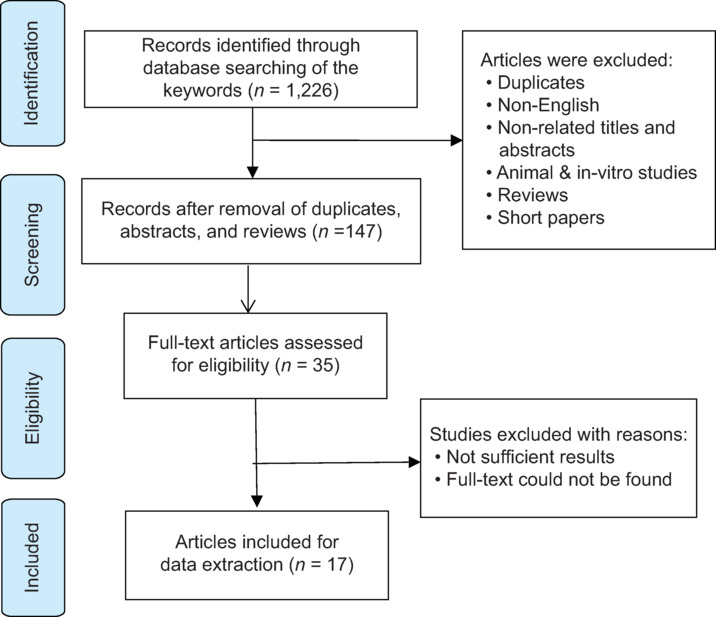
Diabetic nephropathy (DN) is a leading cause of chronic kidney disease (CKD) and end-stage renal disease worldwide, particularly among individuals with type 2 diabetes mellitus (T2DM). Early detection and intervention are crucial in slowing the progression of DN and improving patient outcomes. Traditional diagnostic methods, such as the measurement of albuminuria and serum creatinine, often fail to detect early renal damage because structural kidney damage may occur before albumin excretion. This systematic review aims to evaluate the diagnostic value of various urinary and serum biomarkers in the early detection of DN in patients with T2DM. A comprehensive literature search was conducted using databases such as PubMed, Scopus, and Web of Science. We only considered studies involving human populations for inclusion in our analysis. Animal and studies were excluded from our review. Our analysis of 17 observational studies identified several key serum biomarkers, such as netrin-1, osteopontin, adiponectin, and specific cytokines (e.g., IL-6, IL-8), which show significant promise for early detection of DN. Urinary biomarkers, including neutrophil gelatinase-associated lipocalin (NGAL), transferrin, N-acetyl-β-D-glucosaminidase (NAG), and various cytokines, have also proven to be reliable indicators. The combination of both serum and urinary biomarkers may enhance diagnostic accuracy and enable earlier intervention. Additionally, incorporating genetic and mRNA markers could provide a more comprehensive approach to early DN detection. Implementing these biomarkers in clinical practice could significantly improve outcomes for patients with DN by facilitating early diagnosis and timely management.
糖尿病肾病(DN)是全球慢性肾脏病(CKD)和终末期肾病的主要病因,在2型糖尿病(T2DM)患者中尤为常见。早期检测和干预对于减缓DN的进展及改善患者预后至关重要。传统诊断方法,如测量蛋白尿和血清肌酐,往往无法检测到早期肾脏损伤,因为肾脏结构损伤可能在白蛋白排泄之前就已发生。本系统评价旨在评估各种尿液和血清生物标志物在T2DM患者早期检测DN中的诊断价值。使用PubMed、Scopus和Web of Science等数据库进行了全面的文献检索。我们仅纳入涉及人群的研究进行分析。动物研究和体外研究被排除在本综述之外。我们对17项观察性研究的分析确定了几种关键的血清生物标志物,如netrin-1、骨桥蛋白、脂联素和特定细胞因子(如IL-6、IL-8),它们在DN的早期检测中显示出巨大潜力。尿液生物标志物,包括中性粒细胞明胶酶相关脂质运载蛋白(NGAL)、转铁蛋白、N-乙酰-β-D-氨基葡萄糖苷酶(NAG)和各种细胞因子,也已被证明是可靠的指标。血清和尿液生物标志物的联合使用可能会提高诊断准确性并实现更早的干预。此外,纳入基因和mRNA标志物可为DN的早期检测提供更全面的方法。在临床实践中应用这些生物标志物可通过促进早期诊断和及时管理,显著改善DN患者的预后。