Rao Jin, Wang Xuefu, Wang Zhinong
Department of Cardiothoracic Surgery, Changzheng Hospital, Naval Medical University, Shanghai, People's Republic of China.
School of Health Science and Engineering, University of Shanghai for Science and Technology, Shanghai, People's Republic of China.
J Inflamm Res. 2024 Dec 19;17:11257-11274. doi: 10.2147/JIR.S475633. eCollection 2024.
Cardiac macrophages are a heterogeneous population with high plasticity and adaptability, and their mechanisms in heart failure (HF) remain poorly elucidated.
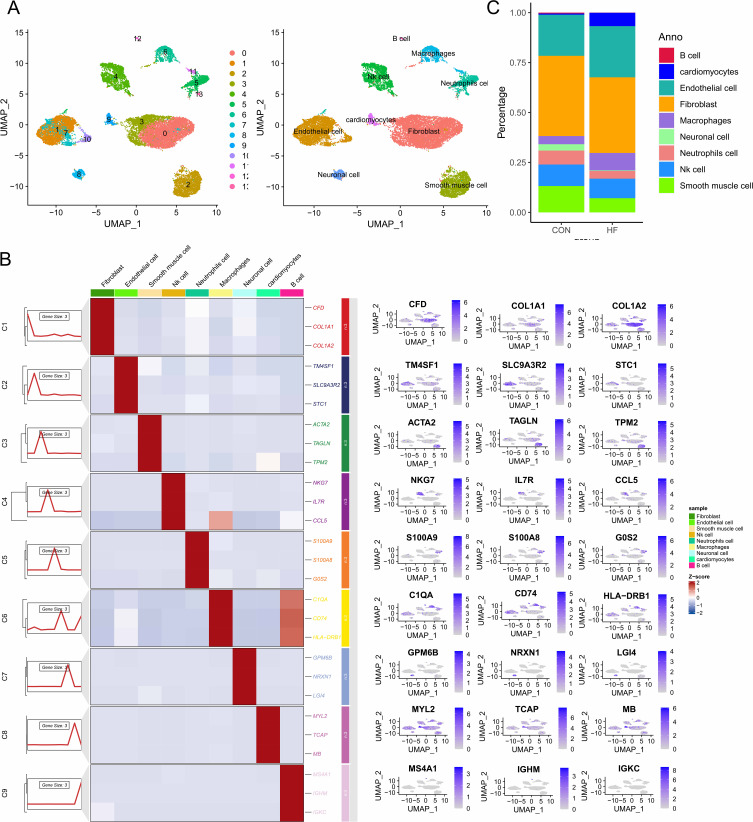
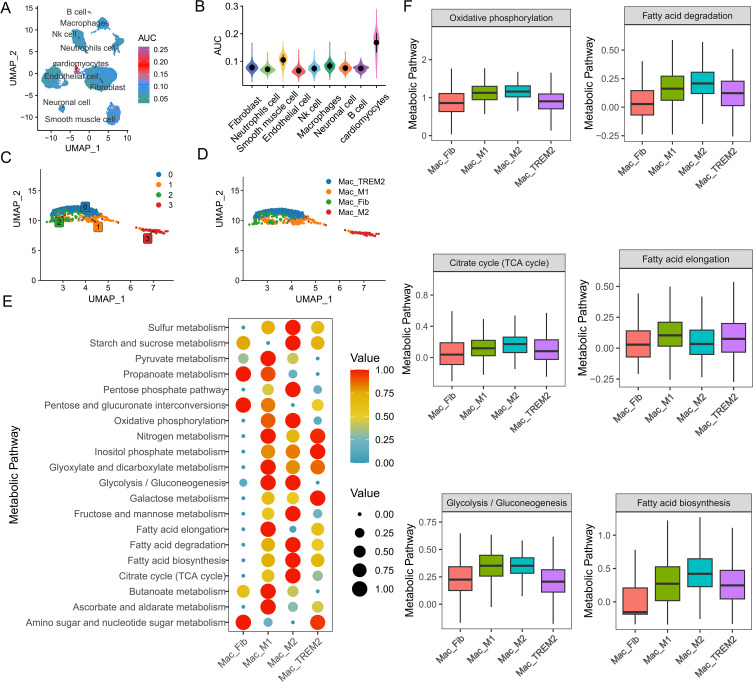
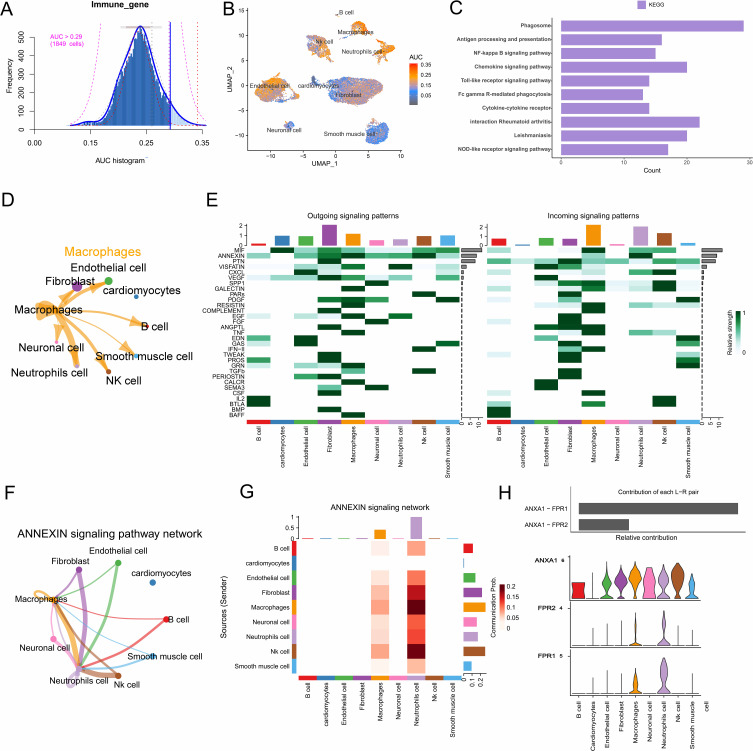
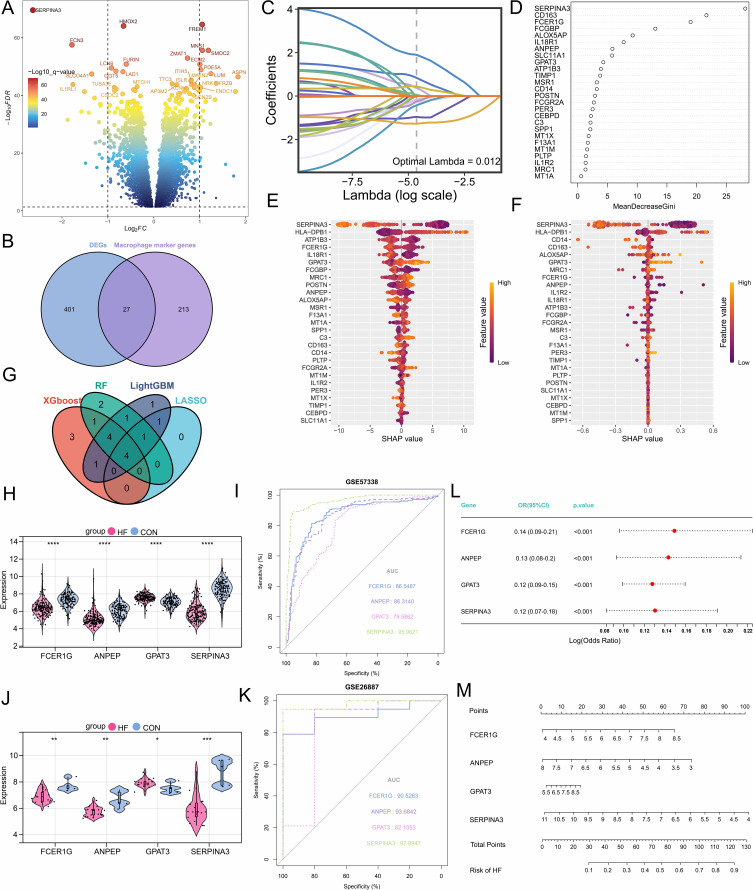
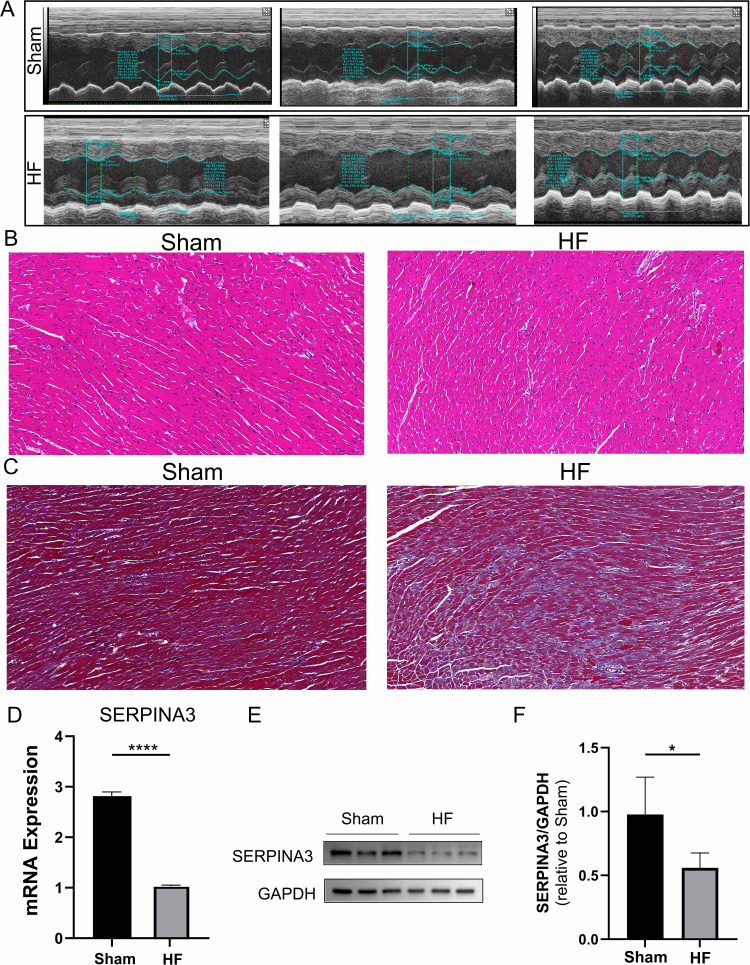
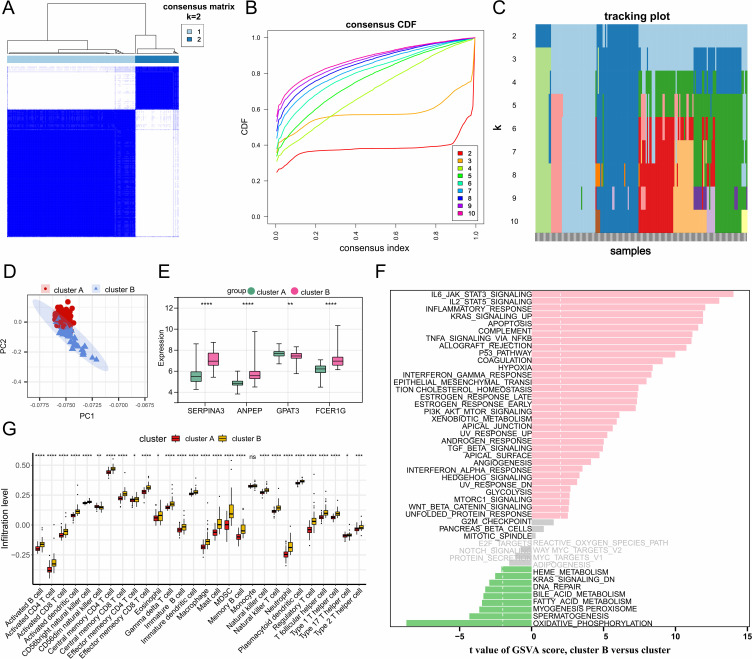
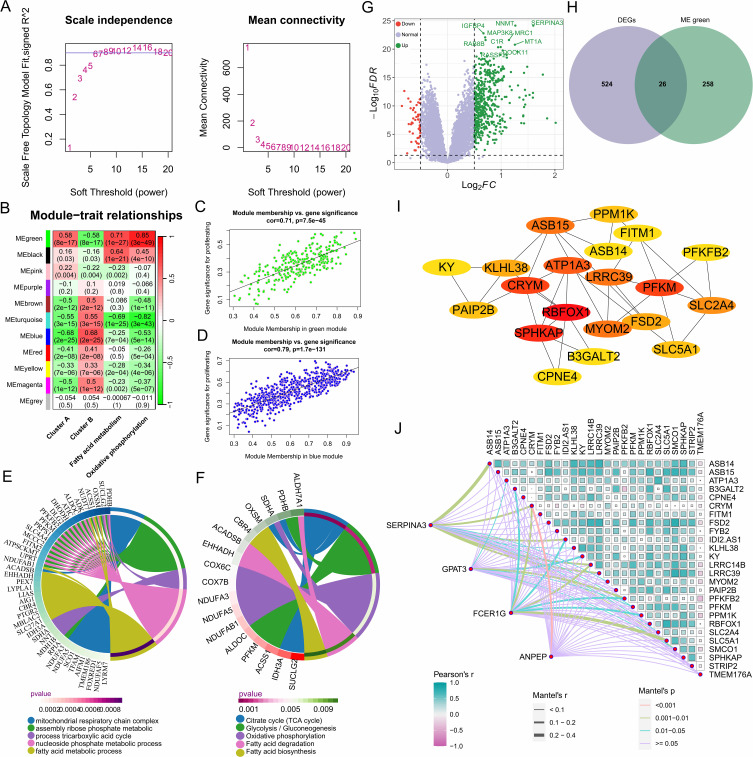
We used single-cell and bulk RNA sequencing data to reveal the heterogeneity of non-cardiomyocytes and assess the immunoreactivity of each subpopulation. Additionally, we employed four integrated machine learning algorithms to identify macrophage-related genes with diagnostic value, and in vivo validation was performed. To assess the immune infiltration characteristics in HF, we utilized the CIBERSORT and single sample gene set enrichment analysis (ssGSEA). An unsupervised consensus clustering algorithm was applied to identify the macrophage-related HF subtypes. Furthermore, the scMetabolism was employed to explore the specific metabolic patterns of the macrophage subtypes. Finally, CellChat was used to investigate cell-cell interactions among the identified subtypes.
The immunoreactivity score of macrophages in the HF was higher than that in the other cell types. GSEA of macrophage clusters indicated a significant enrichment of leukocyte-mediated immune processes, antigen processing, and presentation. The intersection of the results from machine learning revealed that SERPINA3, GPAT3, ANPEP, and FCER1G can serve as feature genes and form a diagnostic model with a good predictive capability. Unsupervised consensus clustering algorithms reveal the immune and metabolic subtypes of macrophages. The metabolic heterogeneity of macrophage subpopulations can lead to macrophage polarization into different types, which may be related to the metabolic reprogramming between glycolysis and mitochondrial oxidative phosphorylation. Cellular communication revealed that macrophages form a network of interactions with neutrophils to support each other's functions and maintenance. The complex efferent and afferent signals are closely associated with myocardial fibrosis.
SERPINA3, GPAT3, ANPEP, and FCER1G can potentially serve as immune therapeutic targets and central biomarkers. The immunological and metabolic heterogeneity of macrophages may offer a more precise direction to explore the mechanisms underlying HF and novel immunotherapies.
心脏巨噬细胞是一类具有高度可塑性和适应性的异质性群体,其在心力衰竭(HF)中的作用机制仍未完全阐明。
我们使用单细胞和批量RNA测序数据来揭示非心肌细胞的异质性,并评估每个亚群的免疫反应性。此外,我们采用四种集成机器学习算法来识别具有诊断价值的巨噬细胞相关基因,并进行体内验证。为了评估HF中的免疫浸润特征,我们使用了CIBERSORT和单样本基因集富集分析(ssGSEA)。应用无监督一致性聚类算法来识别巨噬细胞相关的HF亚型。此外,利用scMetabolism探索巨噬细胞亚型的特定代谢模式。最后,使用CellChat研究已识别亚型之间的细胞间相互作用。
HF中巨噬细胞的免疫反应性评分高于其他细胞类型。巨噬细胞簇的基因集富集分析(GSEA)表明白细胞介导的免疫过程、抗原加工和呈现有显著富集。机器学习结果的交集显示,丝氨酸蛋白酶抑制剂A3(SERPINA3)、甘油磷酸酰基转移酶3(GPAT3)、氨肽酶N(ANPEP)和Fc片段IgE受体γ链(FCER1G)可作为特征基因,并形成具有良好预测能力的诊断模型。无监督一致性聚类算法揭示了巨噬细胞的免疫和代谢亚型。巨噬细胞亚群的代谢异质性可导致巨噬细胞极化为不同类型,这可能与糖酵解和线粒体氧化磷酸化之间的代谢重编程有关。细胞通讯显示,巨噬细胞与中性粒细胞形成相互作用网络,以支持彼此的功能和维持。复杂的传出和传入信号与心肌纤维化密切相关。
SERPINA3、GPAT3、ANPEP和FCER1G有可能作为免疫治疗靶点和核心生物标志物。巨噬细胞的免疫和代谢异质性可能为探索HF的潜在机制和新型免疫疗法提供更精确的方向。