Yan Ziwei, Liu Yingnan, Yuan Yuan
Tumor Etiology and Screening Department of Cancer Institute and General Surgery, The First Hospital of China Medical University, Shenyang, Liaoning, People's Republic of China.
Key Laboratory of Cancer Etiology and Prevention in Liaoning Education Department, The First Hospital of China Medical University, Shenyang, China.
Cell Death Discov. 2024 Dec 24;10(1):512. doi: 10.1038/s41420-024-02275-x.
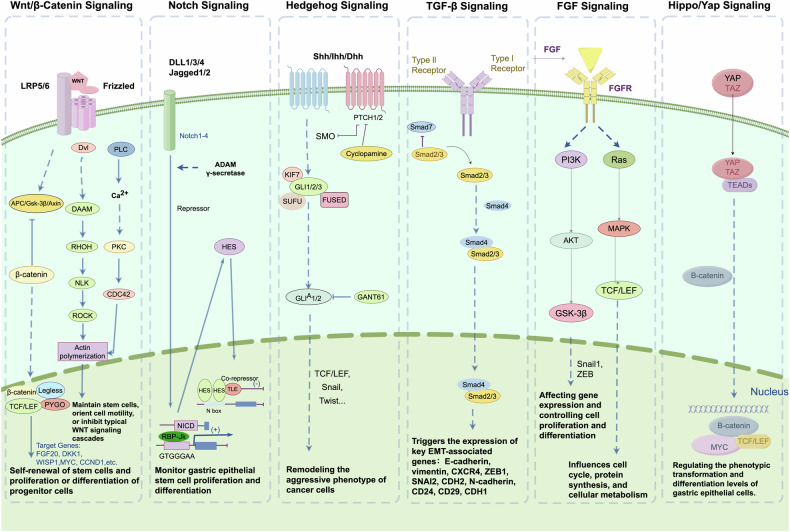
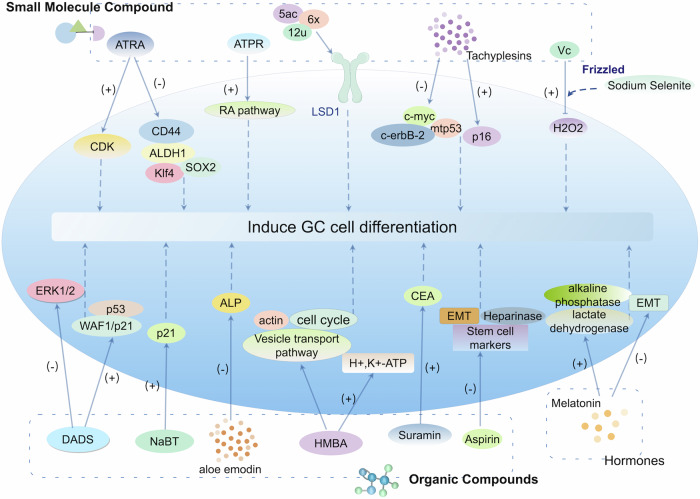
Cell plasticity refers to the deviation of cells from normal terminal differentiation states when faced with environmental and genetic toxic stresses, resulting in the phenomenon of transforming into other cell or tissue phenotypes. Unlocking phenotype plasticity has been defined as a hallmark of malignant tumors. The stomach is one of the organs in the body with the highest degree of self-renewal and exhibits significant cell plasticity. In this paper, based on the review of the characteristics of normal differentiation of gastric epithelial cells and their markers, the four main phenotypes of gastric epithelial cell remodeling and their relationship with gastric cancer (GC) are drawn. Furthermore, we summarize the regulatory factors and mechanisms that affect gastric epithelial cell plasticity and outline the current status of research and future prospection for the treatment targeting gastric epithelial cell plasticity. This study has important theoretical reference value for the in-depth exploration of epithelial cell plasticity and the tumor heterogeneity caused by it, as well as for the precise treatment of GC.
细胞可塑性是指细胞在面对环境和遗传毒性应激时偏离正常终末分化状态,从而导致转变为其他细胞或组织表型的现象。解锁表型可塑性已被定义为恶性肿瘤的一个标志。胃是体内自我更新程度最高的器官之一,具有显著的细胞可塑性。本文在回顾胃上皮细胞正常分化特征及其标志物的基础上,绘制了胃上皮细胞重塑的四种主要表型及其与胃癌(GC)的关系。此外,我们总结了影响胃上皮细胞可塑性的调控因子和机制,并概述了针对胃上皮细胞可塑性治疗的研究现状和未来展望。本研究对于深入探索上皮细胞可塑性及其导致的肿瘤异质性,以及GC的精准治疗具有重要的理论参考价值。