Wang Lin-Jian, Xu Ruiyan, Wu Yangyang
Trauma Research Center, Zhengzhou Central Hospital Affiliated to Zhengzhou University, Zhengzhou, China.
Department of Neurosurgery, Zhengzhou Central Hospital Affiliated to Zhengzhou University, Zhengzhou, China.
Front Immunol. 2024 Dec 11;15:1419420. doi: 10.3389/fimmu.2024.1419420. eCollection 2024.
Migrasomes are newly identified organelles on the retracting fibers of migrating cells, involved in releasing signaling molecules, expelling damaged mitochondria, and facilitating intercellular communication through phagocytosis. TSPAN4, a key regulator of migrasome formation, is a valuable marker for visualizing these organelles. However, its role in cancer remains unclear.
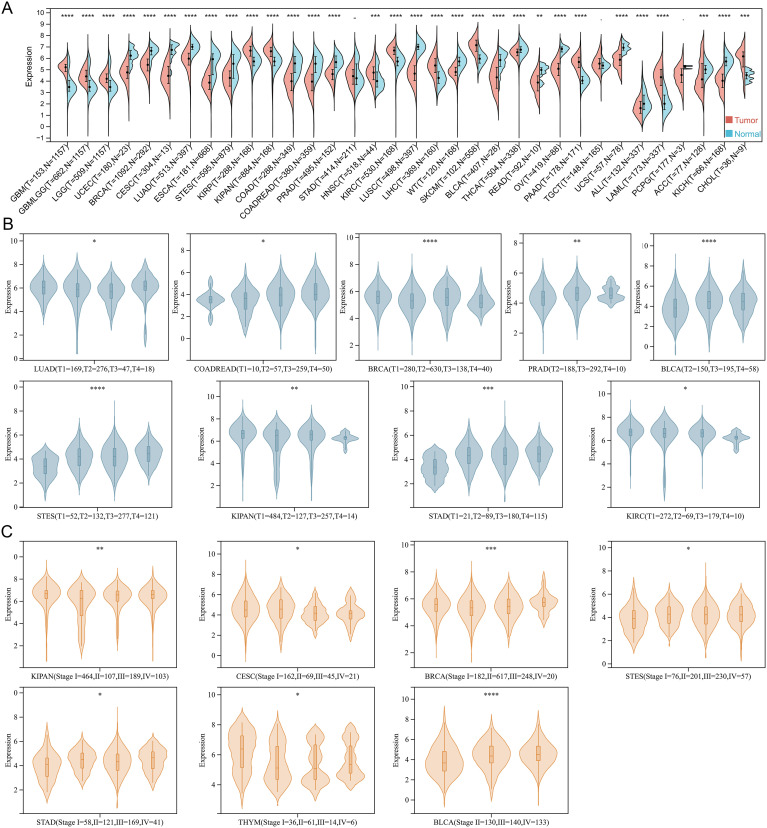
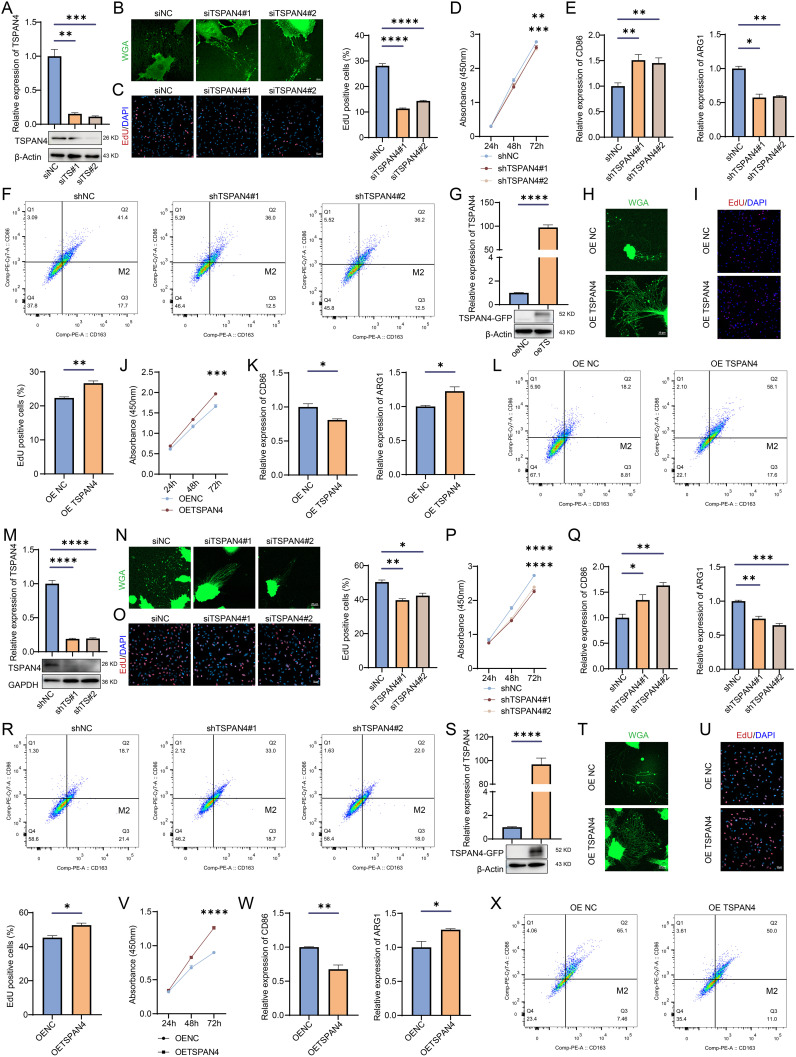
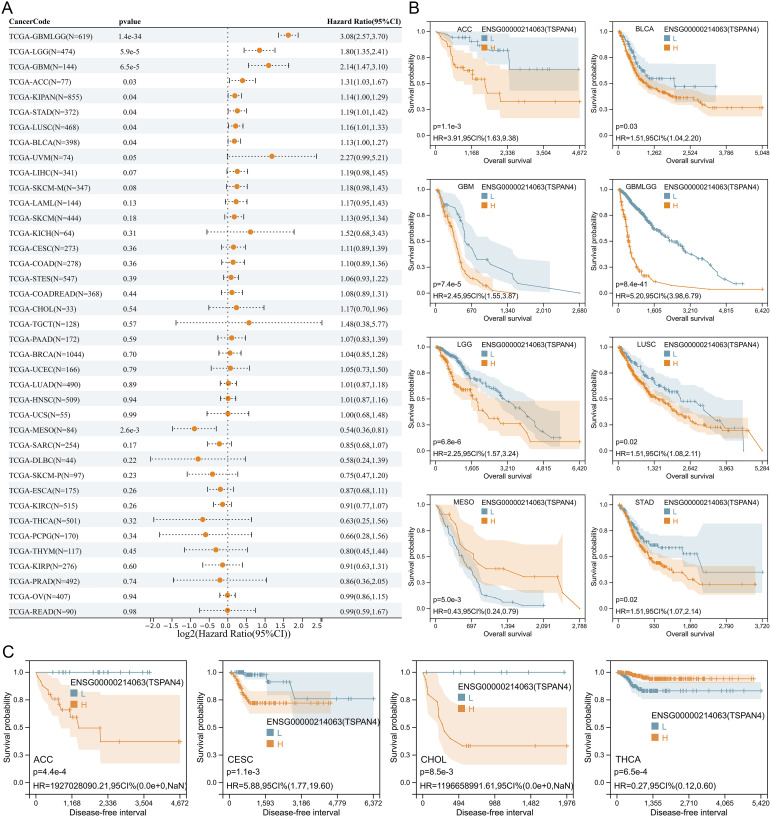
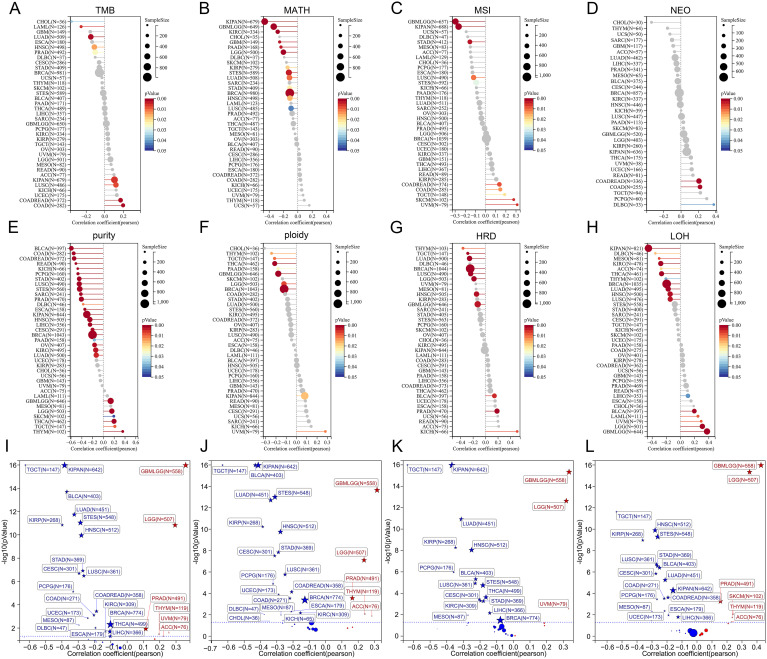
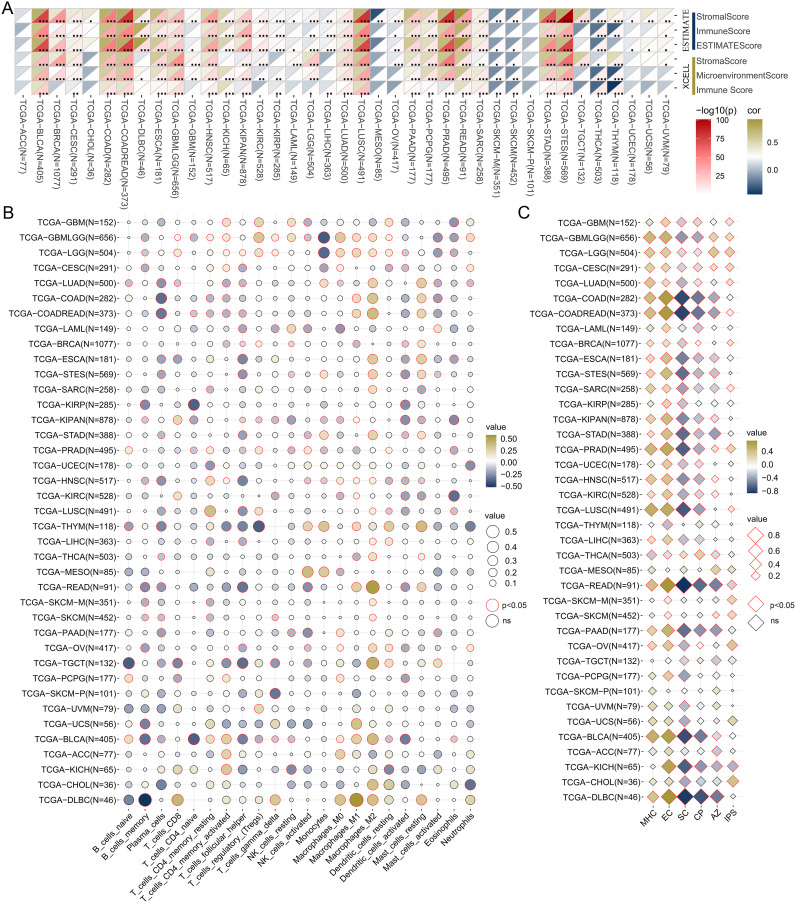
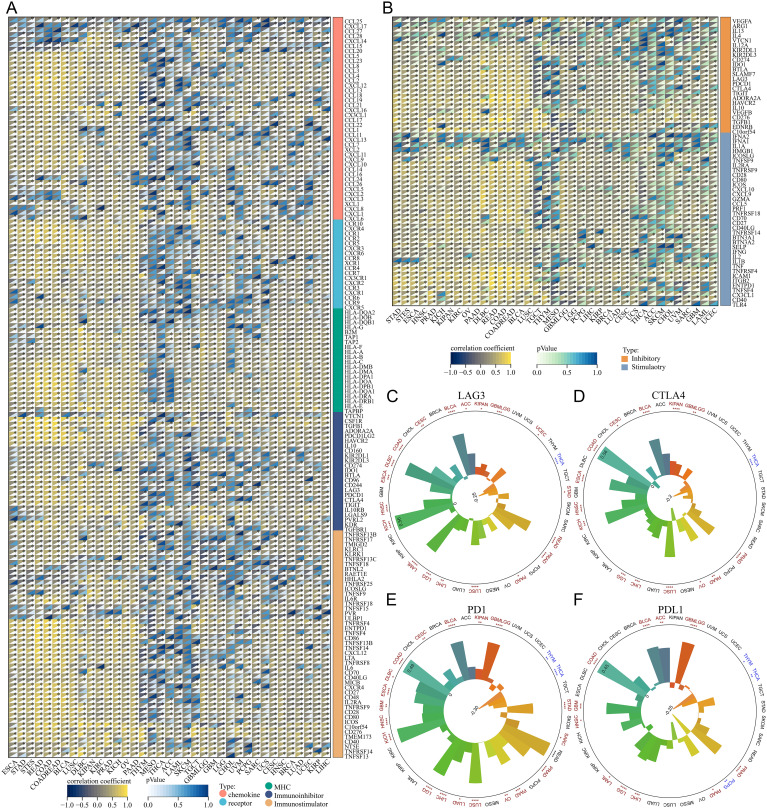
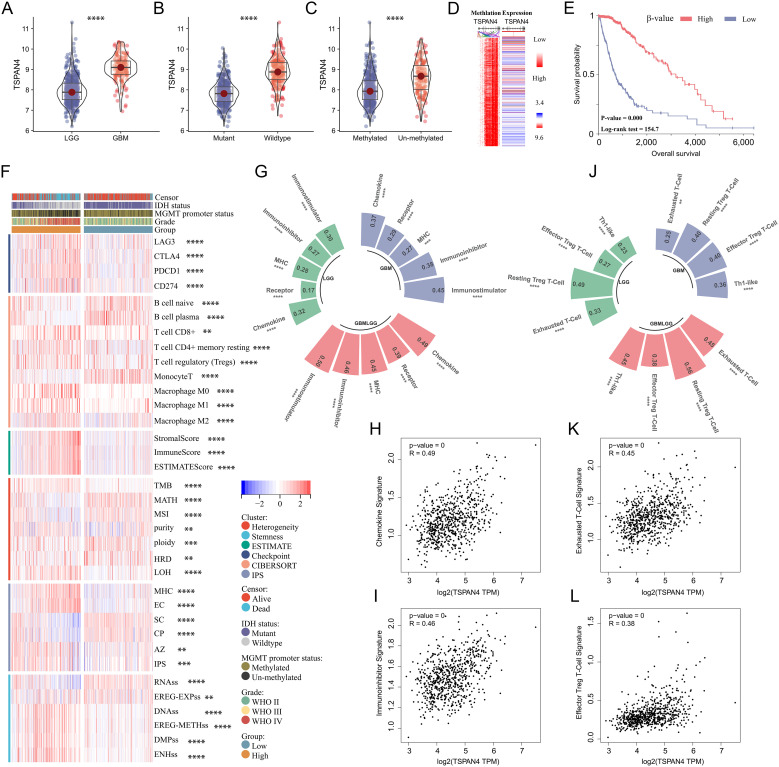
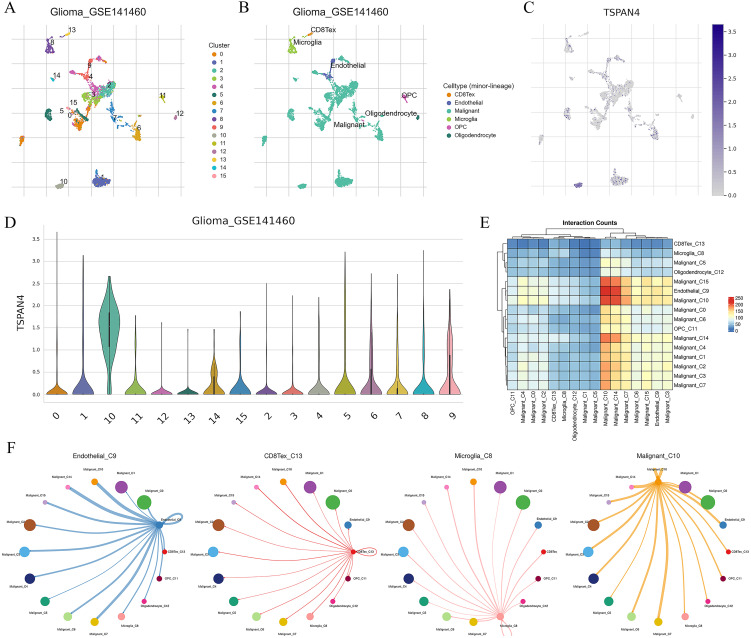
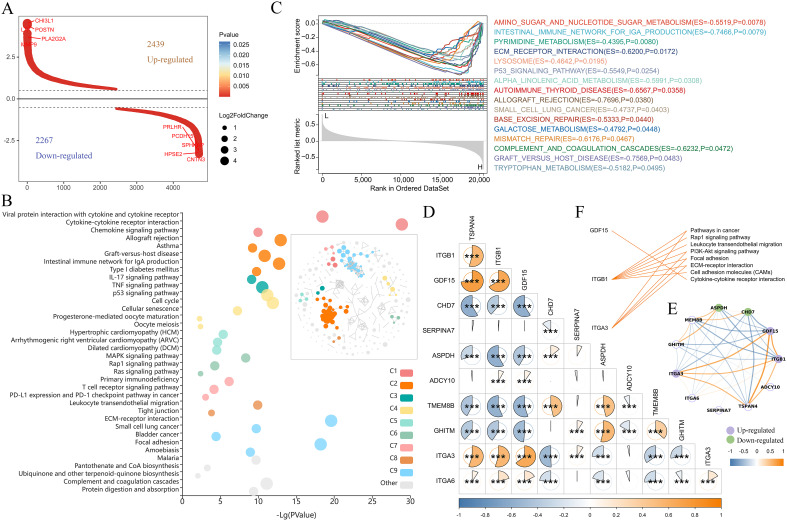
We analyzed TSPAN4 expression and its prognostic significance across multiple cancers using TCGA Pan-Cancer (PANCAN), and TCGA TARGET GTEx datasets. The relationship between TSPAN4 and tumor heterogeneity, stemness, and the immunosuppressive tumor microenvironment was explored through RNA-seq and scRNA-seq data. In addition, we examined TSPAN4's role in glioma, focusing on migrasome formation, cell proliferation, and macrophage polarization.
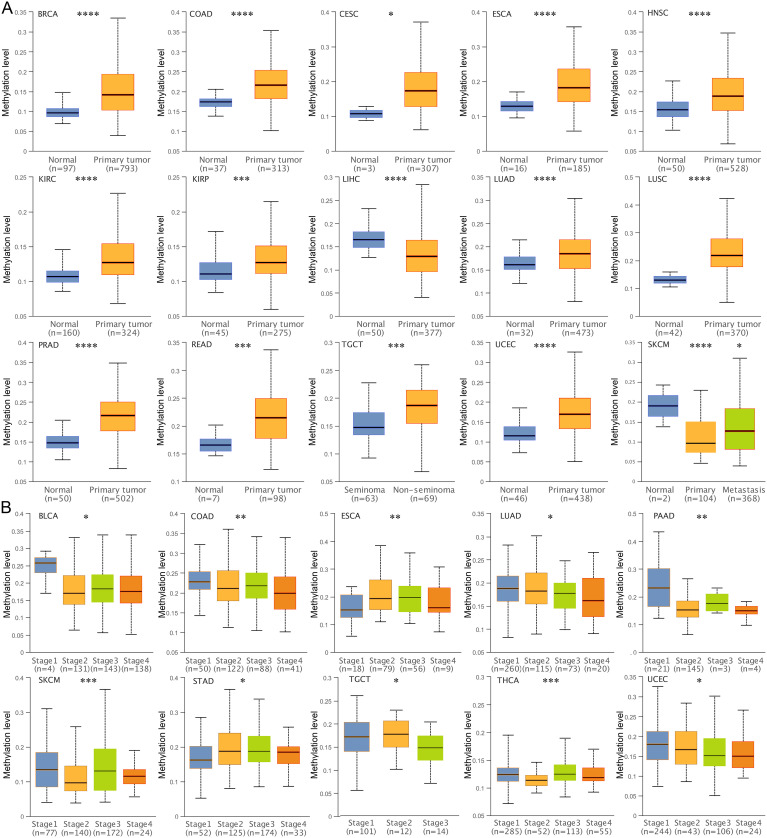
Our analysis reveals that TSPAN4 is aberrantly expressed in various tumors, likely linked to its methylation status. It correlates with tumor heterogeneity, stemness, and a suppressive immune microenvironment. In glioma, TSPAN4 enhances cell proliferation and promotes macrophage polarization toward the immunosuppressive M2 phenotype.
TSPAN4, as a migrasome regulator, plays a crucial role in shaping the immunosuppressive tumor microenvironment in pan-cancer.
迁移小体是在迁移细胞的收缩纤维上新发现的细胞器,参与释放信号分子、排出受损线粒体以及通过吞噬作用促进细胞间通讯。TSPAN4是迁移小体形成的关键调节因子,是可视化这些细胞器的重要标志物。然而,其在癌症中的作用仍不清楚。
我们使用TCGA泛癌(PANCAN)和TCGA TARGET GTEx数据集分析了多种癌症中TSPAN4的表达及其预后意义。通过RNA测序和单细胞RNA测序数据探讨了TSPAN4与肿瘤异质性、干性和免疫抑制性肿瘤微环境之间的关系。此外,我们研究了TSPAN4在胶质瘤中的作用,重点关注迁移小体形成、细胞增殖和巨噬细胞极化。
我们的分析表明,TSPAN4在各种肿瘤中异常表达,可能与其甲基化状态有关。它与肿瘤异质性、干性和抑制性免疫微环境相关。在胶质瘤中,TSPAN4增强细胞增殖并促进巨噬细胞向免疫抑制性M2表型极化。
TSPAN4作为迁移小体调节因子,在泛癌免疫抑制性肿瘤微环境的形成中起关键作用。