Li Wei, Zhang Qianqian, Ni Meng, Li Baihe, Chen Ze, Shen Qianwen, Lin Zhenying, Cheng Chunyu, Yao Dongting, Qi Sudong, Ding Xiya, Shen Haiqing, Liu Xiaorui, Tang Zheng, Huang Xiaoyi, Zhao Jiuru, Liu Zhiwei
The International Peace Maternity and Child Health Hospital, School of Medicine, Shanghai Jiao Tong University, 910# Hengshan Road, Shanghai, China.
Shanghai Key Laboratory of Embryo Original Diseases, Shanghai, China.
Cell Mol Life Sci. 2024 Dec 27;82(1):17. doi: 10.1007/s00018-024-05467-x.
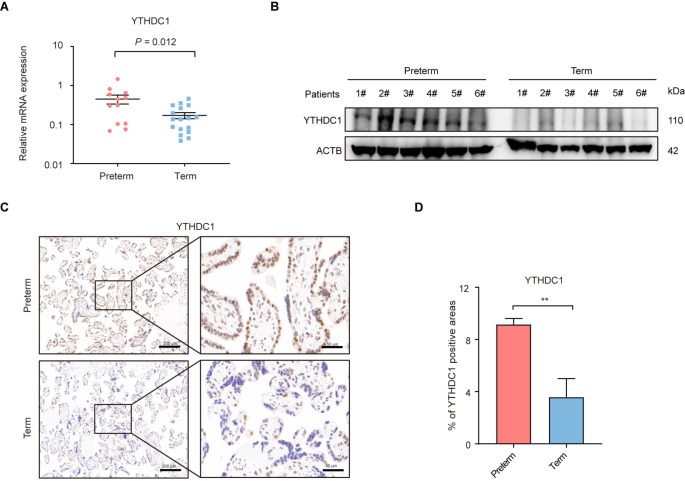
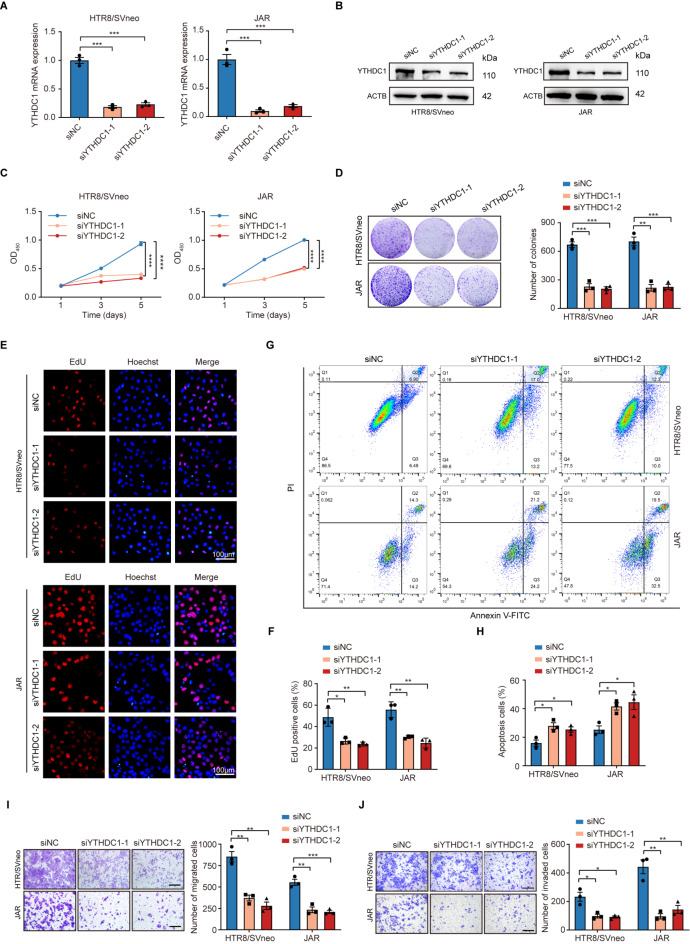
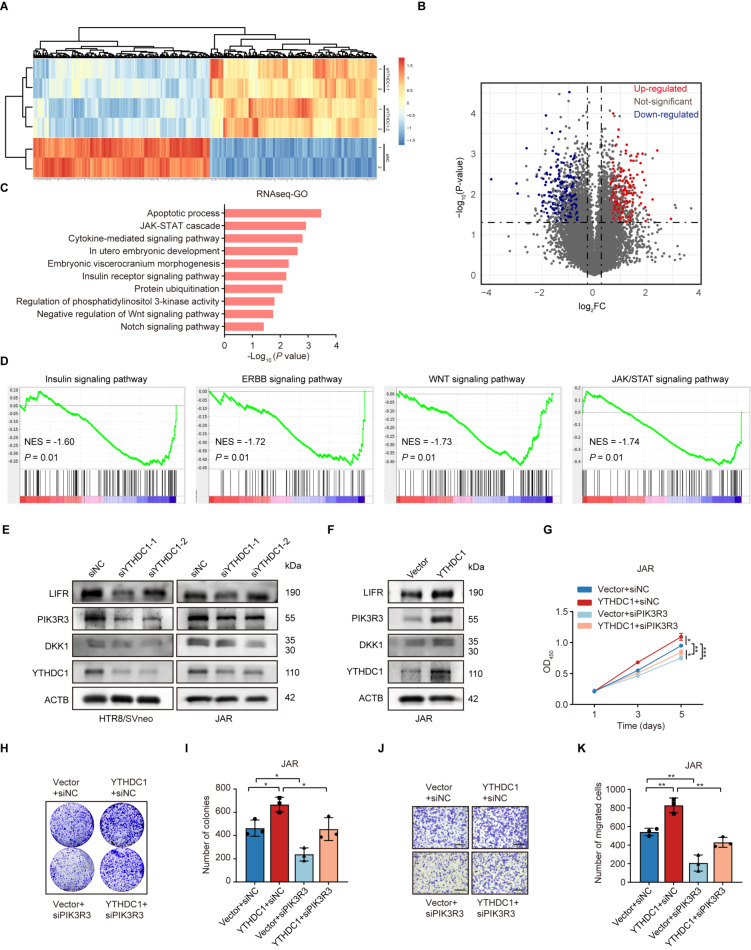
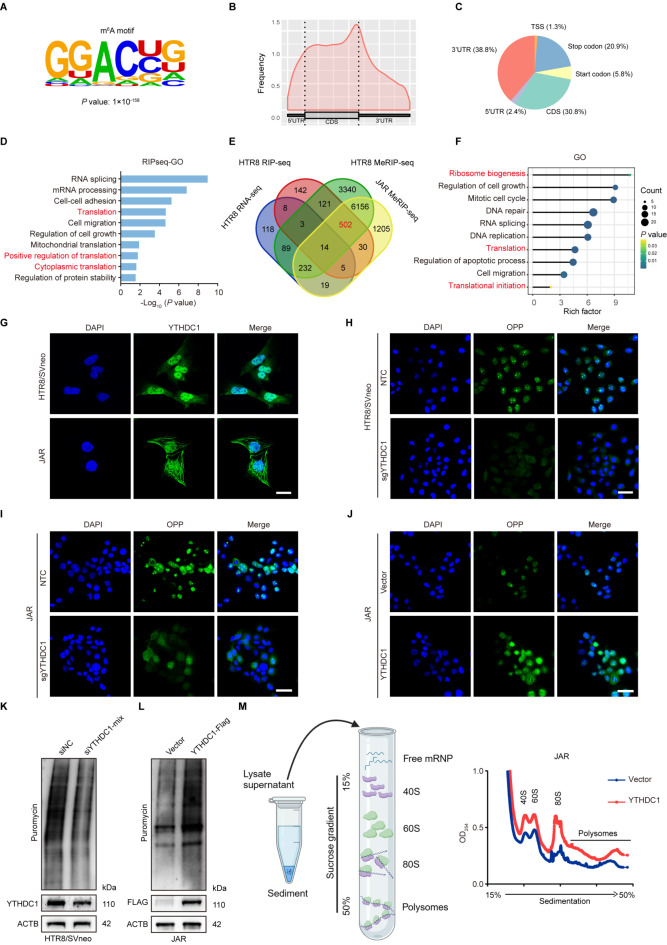
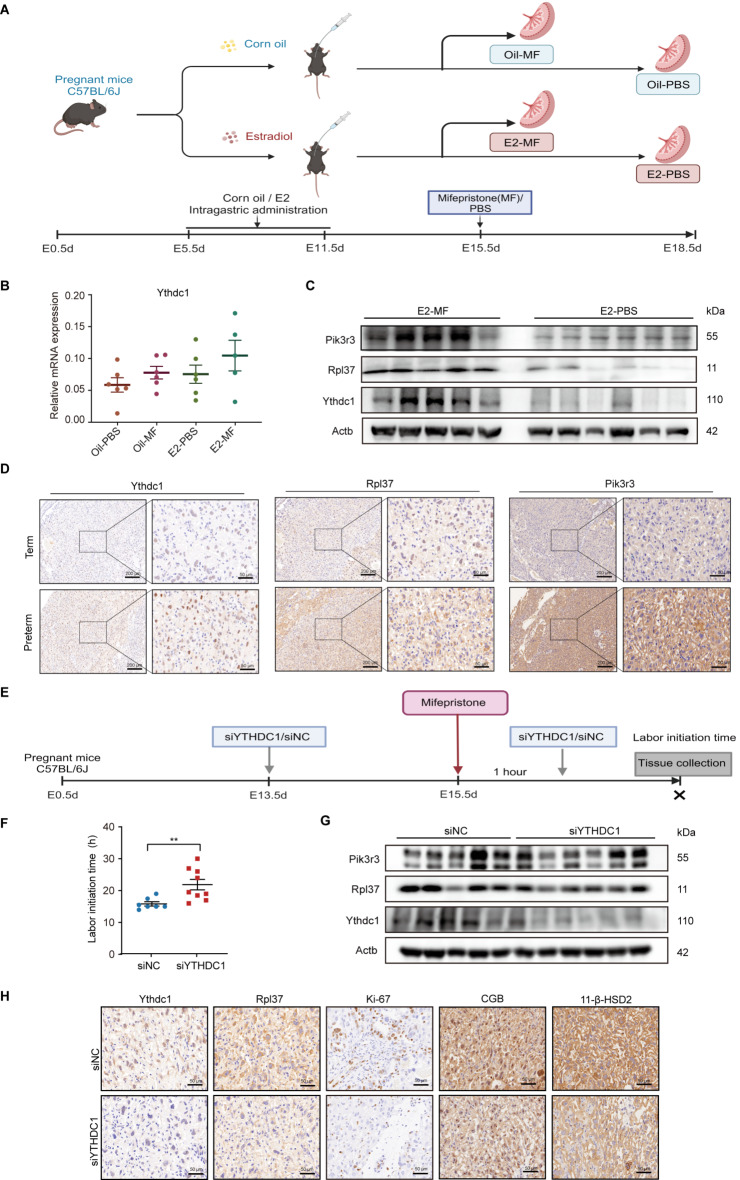
Assisted reproductive technology (ART) pregnancies present a higher risk of singleton preterm birth than natural pregnancies, but the underlying molecular mechanism remains largely unknown. RNA mA modification is a key epigenetic mechanism regulating cellular function, but the role of mA modification, especially its "reader" YTHDC1, in preterm delivery remains undefined. To delineate the role and epigenetic mechanism of mA modification in ART preterm delivery, the effects of YTHDC1 on trophoblastic function were evaluated by CCK-8, EdU, Transwell, and flow cytometry analyses post its overexpression or knockdown. Downstream signaling pathways of YTHDC1 were investigated by RNA-seq, and targeted mRNAs were explored by RIP-seq and MeRIP-seq. Upstream transcriptional factors of YTHDC1 were determined by ChIP-seq and luciferase reporter assays. Elevated YTHDC1 was detected in human ART-conceived preterm placentas and in murine preterm placentas post estradiol (E2) exposure. In vitro experiments showed that YTHDC1 promoted trophoblastic cell proliferation and migration, but inhibited cell apoptosis. Mechanistically, E2 was proven to upregulate YTHDC1 expression via retinoid X receptor alpha (RXRA) in trophoblastic cells. Enhanced YTHDC1 expression augmented the translation of RPL37 in an mA-dependent manner by binding to mA-modified RPL37 mRNA and concomitantly promoted the overall translational output. Importantly, administration of siRNA targeting YTHDC1 effectively delayed the progression of preterm delivery. In conclusion, the identified E2/RXRA/YTHDC1/RPL37 axis provides new insights into the epigenetic mechanism underlying ART-associated preterm delivery. The findings offer a potential prognostic biomarker and therapeutic target for preterm delivery.
辅助生殖技术(ART)妊娠的单胎早产风险高于自然妊娠,但其潜在的分子机制在很大程度上仍不清楚。RNA mA修饰是调节细胞功能的关键表观遗传机制,但mA修饰,尤其是其“读取器”YTHDC1在早产中的作用仍不明确。为了阐明mA修饰在ART早产中的作用和表观遗传机制,通过CCK-8、EdU、Transwell和流式细胞术分析评估了YTHDC1过表达或敲低后对滋养细胞功能的影响。通过RNA测序研究YTHDC1的下游信号通路,并通过RIP测序和MeRIP测序探索靶向mRNA。通过ChIP测序和荧光素酶报告基因测定确定YTHDC1的上游转录因子。在人类ART受孕的早产胎盘中以及在雌二醇(E2)暴露后的小鼠早产胎盘中检测到YTHDC1升高。体外实验表明,YTHDC1促进滋养细胞增殖和迁移,但抑制细胞凋亡。机制上,已证明E2通过滋养细胞中的视黄酸X受体α(RXRA)上调YTHDC1表达。增强的YTHDC1表达通过与mA修饰的RPL37 mRNA结合以mA依赖的方式增强RPL37的翻译,并同时促进整体翻译输出。重要的是,给予靶向YTHDC1的siRNA有效地延迟了早产的进展。总之,确定的E2/RXRA/YTHDC1/RPL37轴为ART相关早产的表观遗传机制提供了新的见解。这些发现为早产提供了潜在的预后生物标志物和治疗靶点。