Ma Yan-Yan, Zhou Wei-Ye, Qian Yue, Mu Ying-Ying, Zhang Wei
Department of Rehabilitation Medicine, Beijing Jishuitan Hospital Guizhou Hospital, Guiyang, Guizhou, China.
Cell Biology Department, Wuxi School of Medicine, Jiangnan University, Wuxi, Jiangsu, China.
Front Immunol. 2024 Dec 11;15:1478395. doi: 10.3389/fimmu.2024.1478395. eCollection 2024.
SOX13 is a transcription factor belonging to the SOX family. SOX proteins are critical regulators of multiple cancer progression, and some are known to control carcinogenesis. Nevertheless, the functional and clinical significance of SOX13 in human thyroid cancer (THCA) remain largely unelucidated.
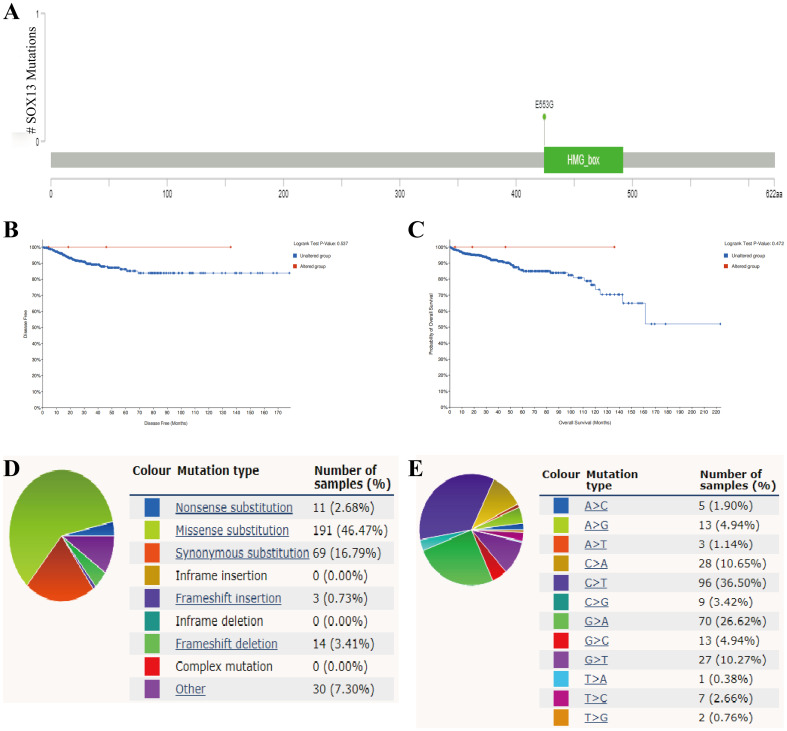
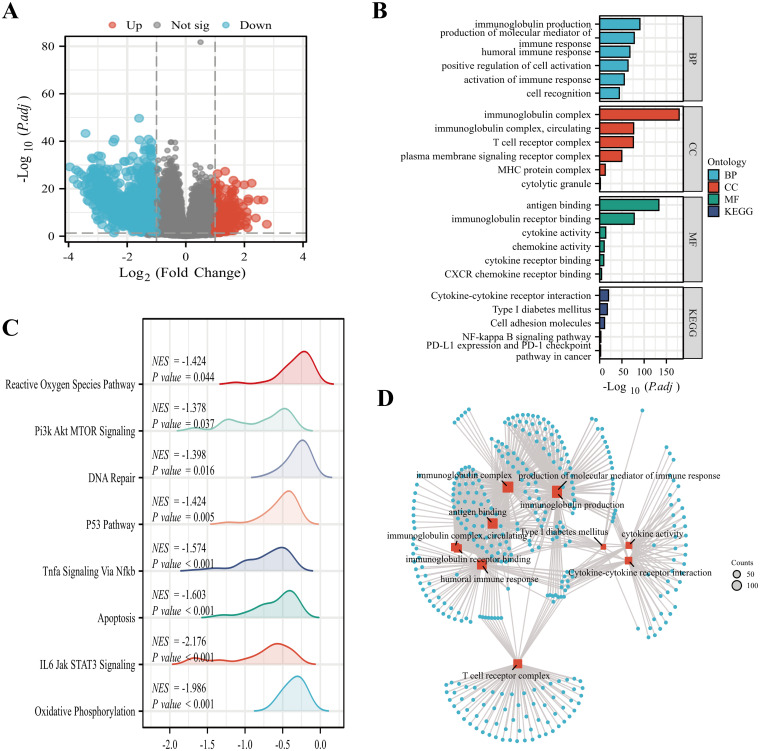
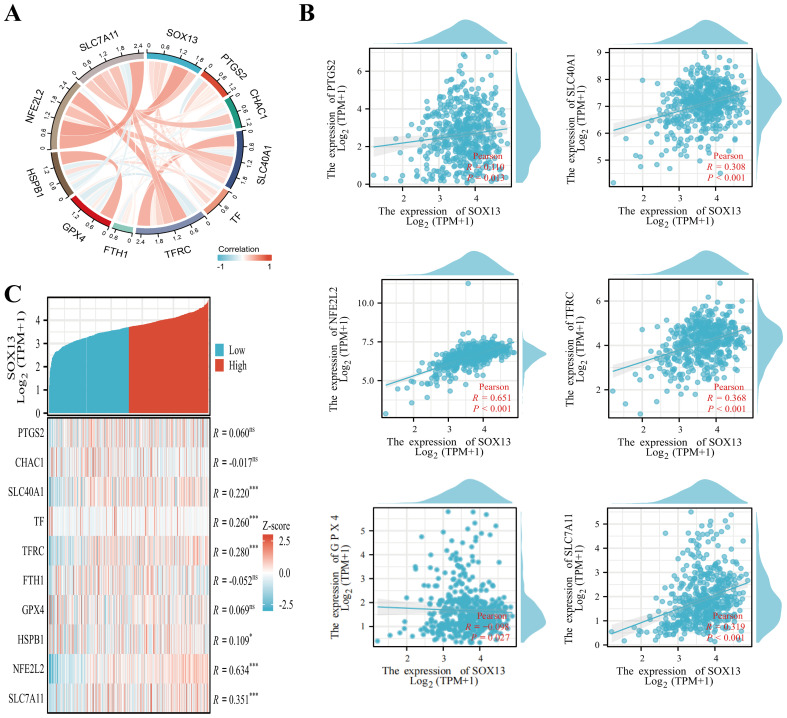
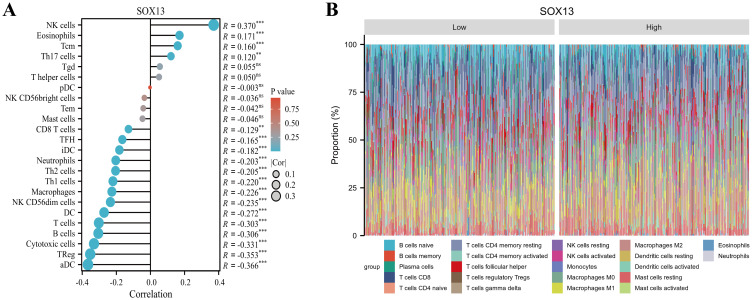
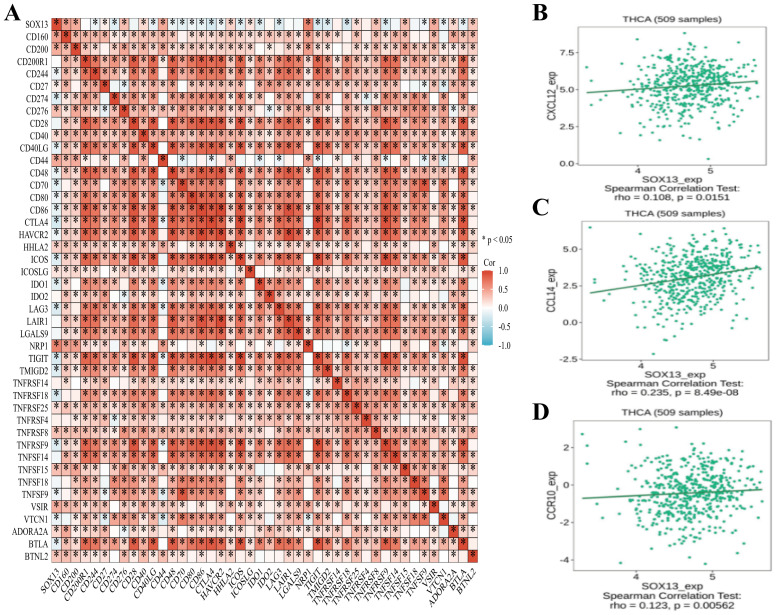
Data on SOX13 expression were obtained through The Cancer Genome Atlas together with Gene Expression Omnibus. Co-expression, differential expression, and functional analyses of genes were investigated by databases. Associations between SOX13 levels, immune infiltration, ferroptosis, and immune checkpoint gene levels were analyzed. Genetic changes in SOX13 were investigated using CBioPortal. Associations between SOX13 levels and THCA clinicopathological features were analyzed and nomogram modeling for diagnostic and prognostic prediction. The influence of SOX13 on proliferation, migration, and metastasis was determined in KTC-1 and TPC-1 cell lines.
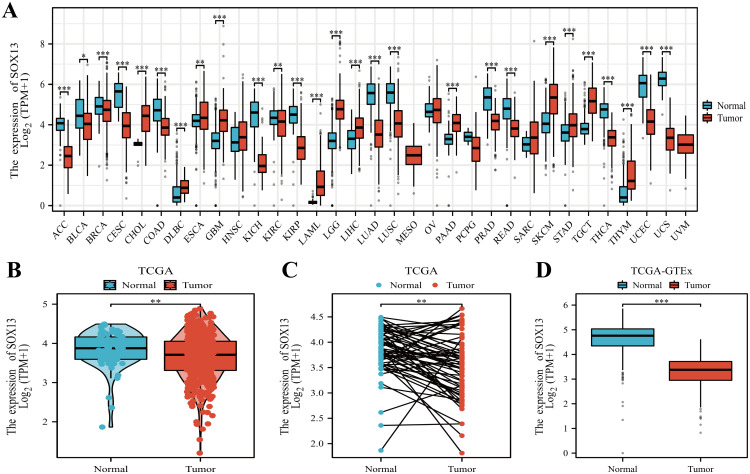
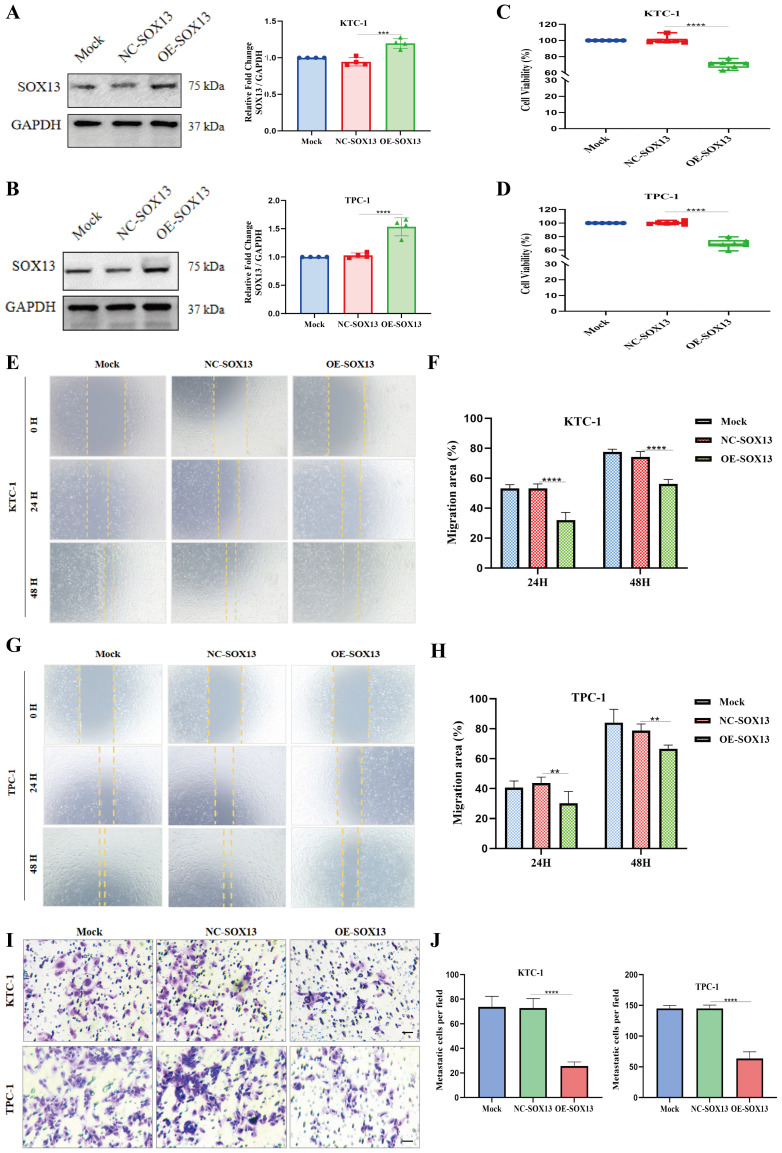
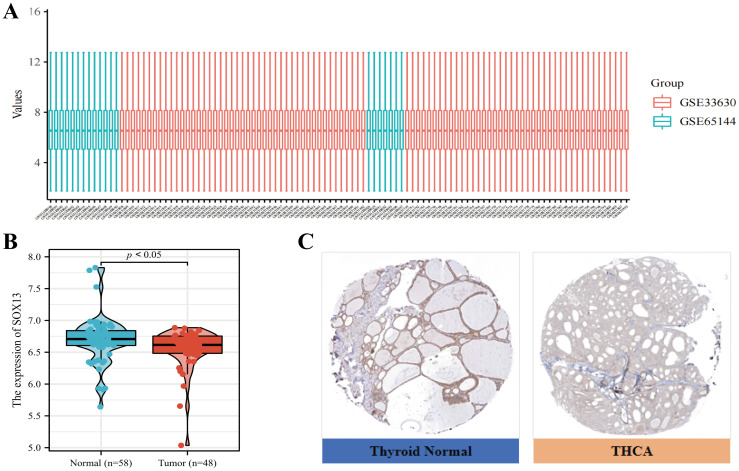
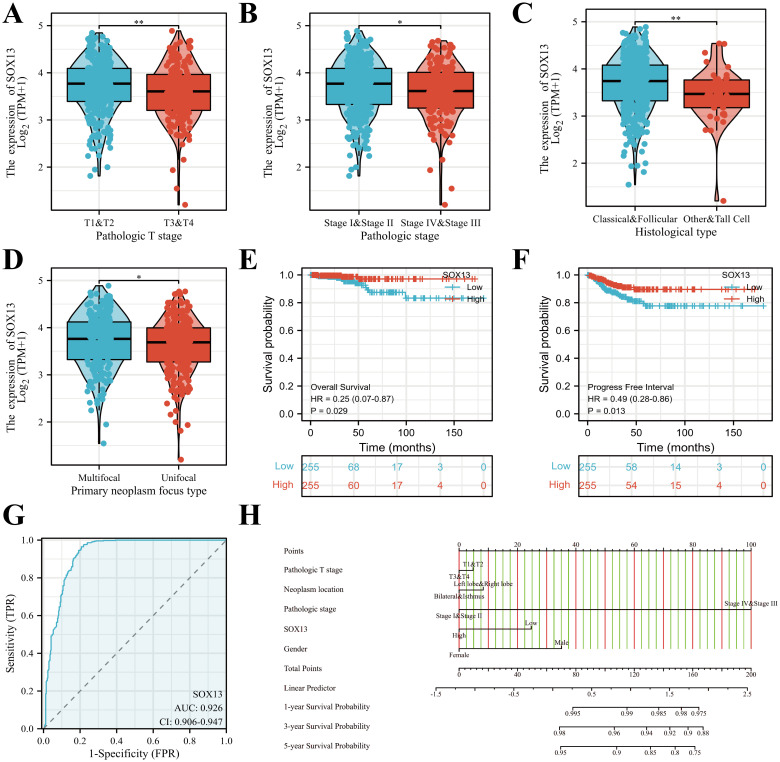
SOX13 was significantly lower in THCA tumors compared to controls. In addition, upregulated SOX13 gene mutation were evident in thyroid cancer. SOX13-associated genes exhibited differential expression in pathways associated with thyroid cancer development. Significant associations were found between SOX13 levels, immune infiltration, ferroptosis, and immune checkpoint genes in THCA tissue. SOX13 levels correlated with THCA stage, histologic grade, and primary neoplasm focus types, and independently predicted overall and progression-free intervals. SOX13 expression effectively distinguished between tumor and normal thyroid tissue. Spearman correlations highlighted a significant relationship between SOX13 and ferroptosis-associated genes. Overexpression of SOX13 enhances the inhibition of RSL3 (iron death activator) on the cell viability of TPC-1. Higher SOX13 levels in Thyroid cancer cells may lead to reduced proliferation, migration, and metastasis by regulating ferroptosis.
Reduced SOX13 expression inversely impacts patient prognosis. In addition, SOX13 strongly regulates cancer immunity and Ferroptosis. Hence, SOX13 has great promise as a bioindicator for both thyroid cancer prognosis and immune cell invasion.
SOX13是一种属于SOX家族的转录因子。SOX蛋白是多种癌症进展的关键调节因子,其中一些已知可控制致癌作用。然而,SOX13在人类甲状腺癌(THCA)中的功能和临床意义仍 largely未阐明。
通过癌症基因组图谱以及基因表达综合数据库获得SOX13表达数据。通过数据库研究基因的共表达、差异表达和功能分析。分析SOX13水平、免疫浸润、铁死亡和免疫检查点基因水平之间的关联。使用CBioPortal研究SOX13的基因变化。分析SOX13水平与THCA临床病理特征之间的关联,并进行列线图建模以进行诊断和预后预测。在KTC-1和TPC-1细胞系中确定SOX13对增殖、迁移和转移的影响。
与对照组相比,THCA肿瘤中SOX13显著降低。此外,甲状腺癌中SOX13基因上调突变明显。与SOX13相关的基因在与甲状腺癌发展相关的途径中表现出差异表达。在THCA组织中,SOX13水平、免疫浸润、铁死亡和免疫检查点基因之间存在显著关联。SOX13水平与THCA分期、组织学分级和原发性肿瘤焦点类型相关,并独立预测总生存期和无进展生存期。SOX13表达有效地区分了肿瘤和正常甲状腺组织。Spearman相关性突出了SOX13与铁死亡相关基因之间的显著关系。SOX13的过表达增强了RSL3(铁死亡激活剂)对TPC-1细胞活力的抑制作用。甲状腺癌细胞中较高的SOX13水平可能通过调节铁死亡导致增殖、迁移和转移减少。
SOX13表达降低对患者预后产生负面影响。此外,SOX13强烈调节癌症免疫和铁死亡。因此,SOX13作为甲状腺癌预后和免疫细胞侵袭的生物指标具有很大的前景。