Zhao Jianqiao, Guo Can, Cheng Mengyuan, Li Jie, Liu Yangyang, Wang Huahua, Shen Jianping
Department of Cardiology, Affiliated Hospital of Integrated Traditional Chinese and Western Medicine, Nanjing University of Chinese Medicine, Nanjing, Jiangsu, China.
Front Cardiovasc Med. 2024 Dec 12;11:1429387. doi: 10.3389/fcvm.2024.1429387. eCollection 2024.
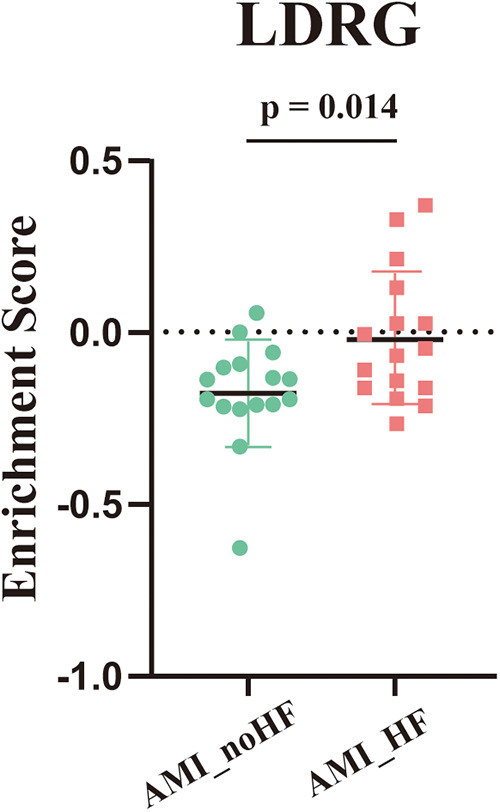
Patients with acute myocardial infarction (AMI) are at high risk of progressing to heart failure (HF). Recent research has shown that lipid droplet-related genes (LDRGs) play a crucial role in myocardial metabolism following MI, thereby influencing the progression to HF.
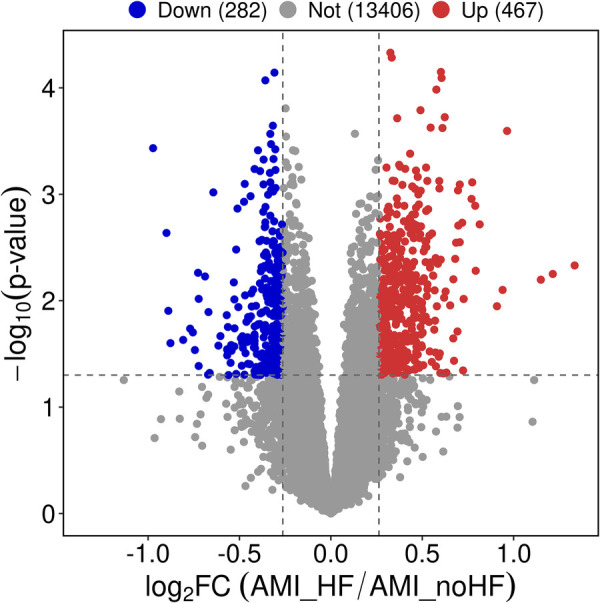
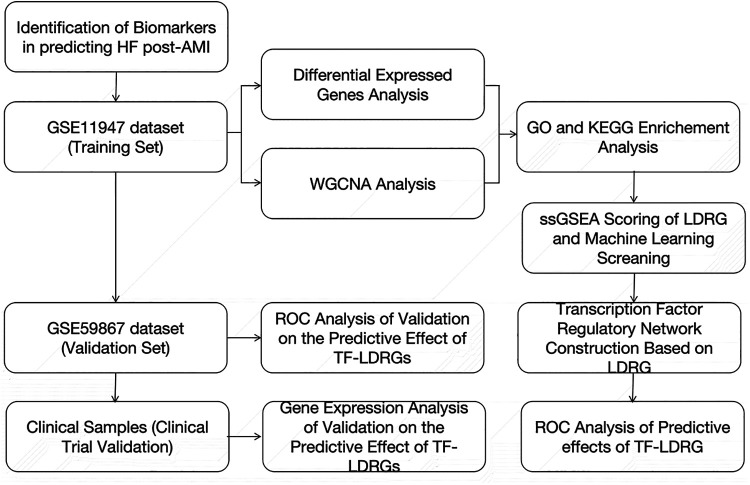
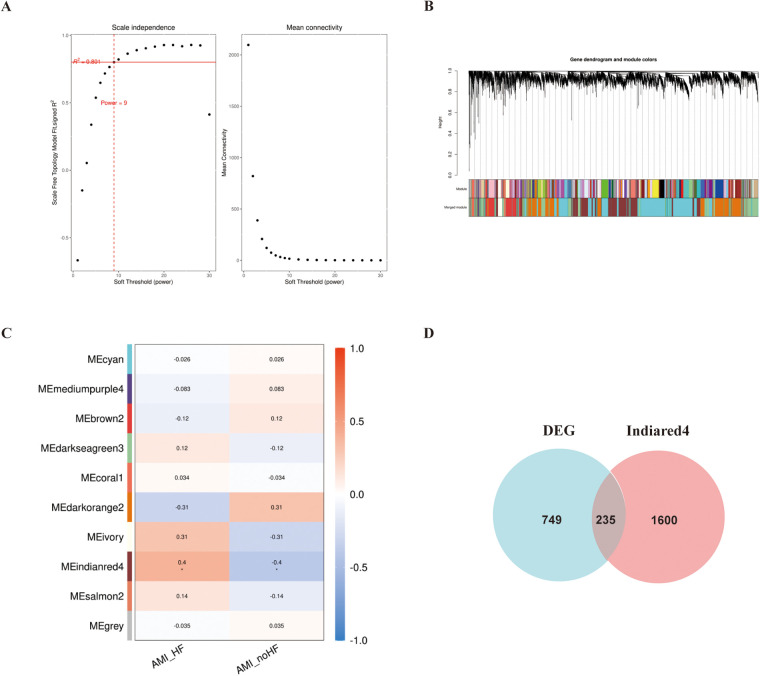
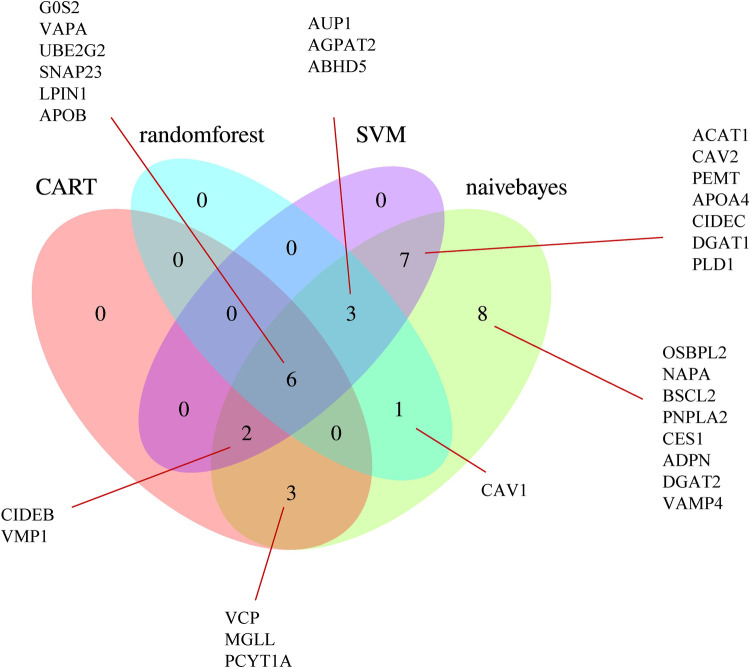
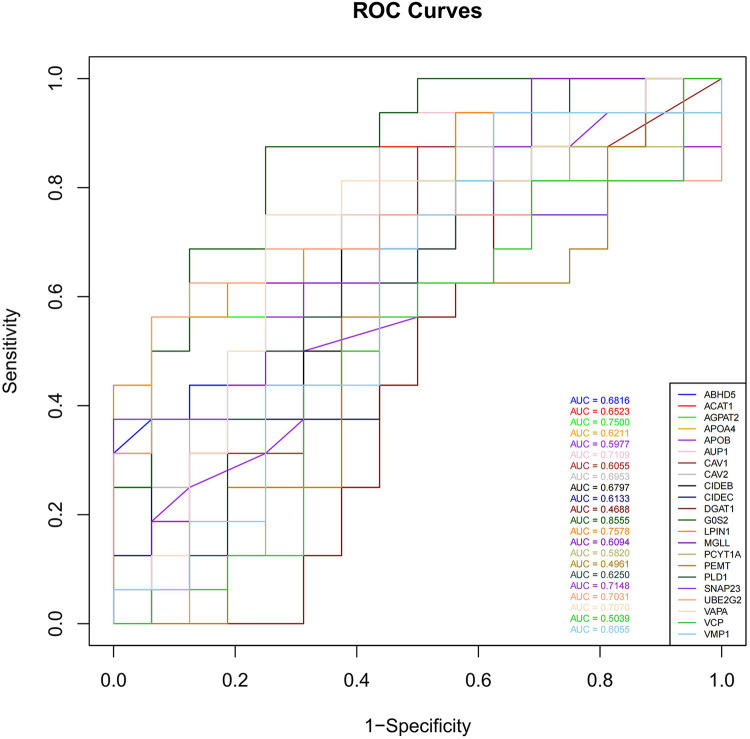
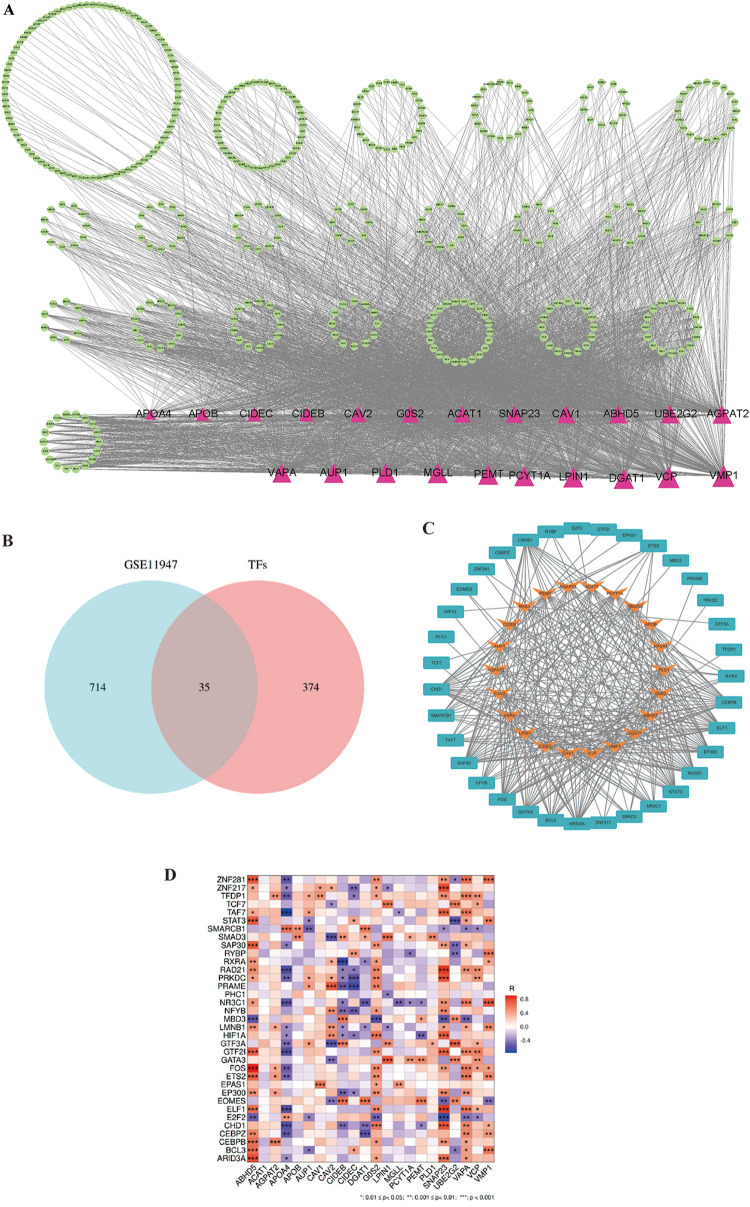
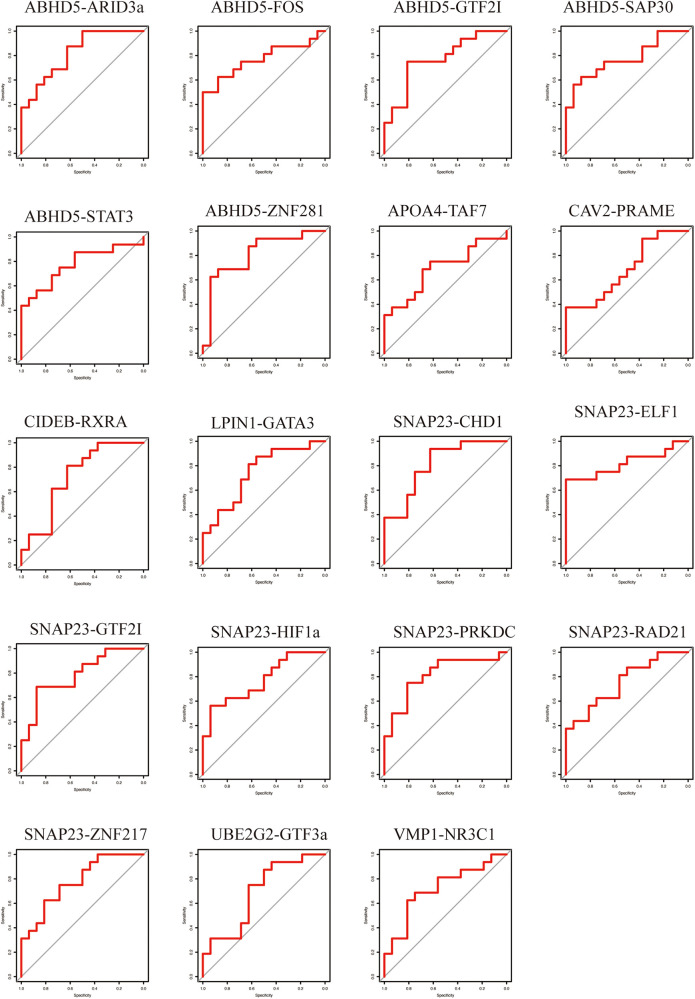
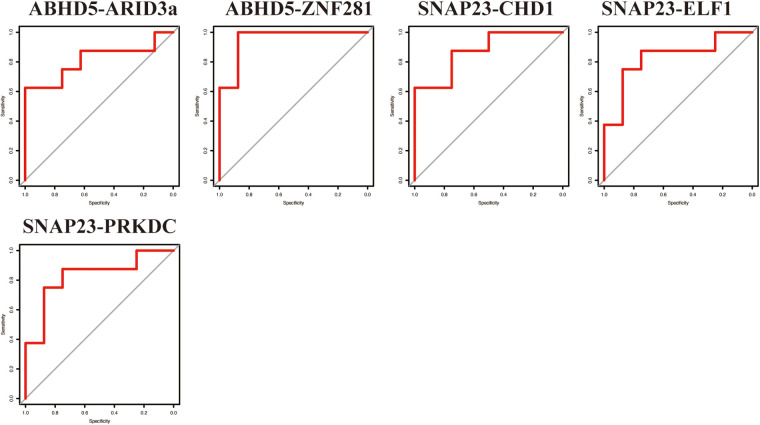
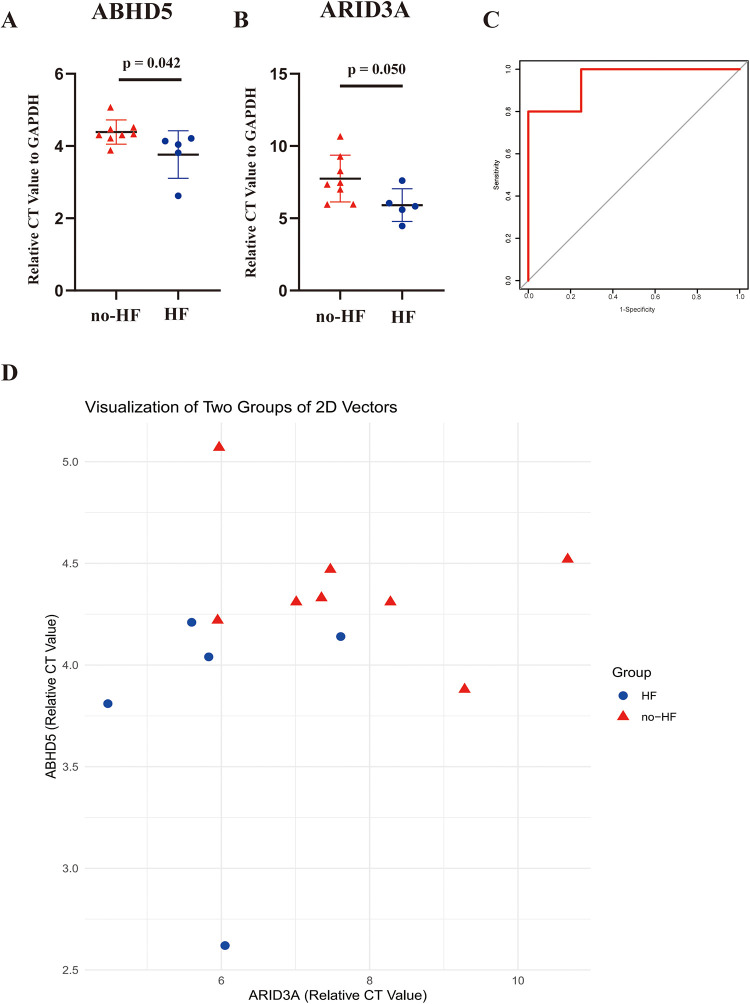
Weighted gene co-expression network analysis (WGCNA) and differential expression gene analysis were used to screen a transcriptome dataset of whole blood cells from AMI patients with (AMI HF, = 16) and without progression (AMI no-HF, = 16). Functional enrichment analysis were performed to observe the involved function. Machine learning methods were used to screen the genes related to prognosis. Transcriptional factors (TF) were predicted by using relevant databases. ROC curves were drawn to evaluate the TF-LDRG pair in predicting HF in the validation dataset ( = 16) and the clinical trial ( = 13).
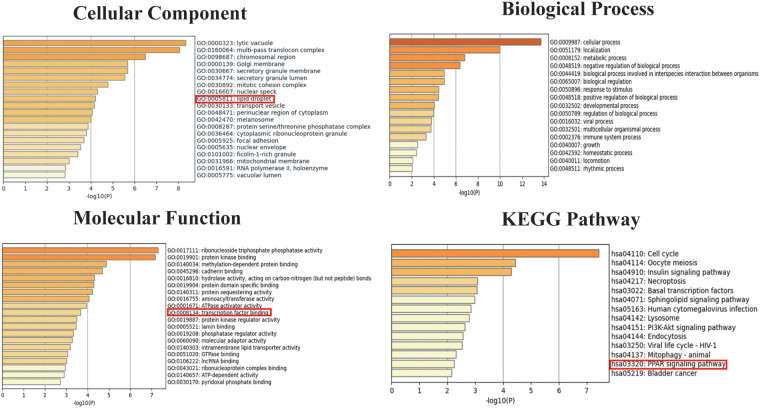
The 235 identified genes were primarily involved in pathways related to fatty acid and energy metabolism. 22 genes were screened out that they were strongly associated with prognosis. 35 corresponding transcription factors were predicted. The TF-LDRG pair, ABHD5-ARID3a, was demonstrated good predictive accuracy.
Our findings suggest that ABHD5-ARID3a have significant potential as predictive biomarkers for heart failure post-AMI which also provides a foundation for further exploration into the molecular mechanisms underlying the progression from AMI to HF.
急性心肌梗死(AMI)患者进展为心力衰竭(HF)的风险很高。最近的研究表明,脂滴相关基因(LDRGs)在心肌梗死后的心肌代谢中起关键作用,从而影响向HF的进展。
使用加权基因共表达网络分析(WGCNA)和差异表达基因分析来筛选来自有(AMI HF,n = 16)和无进展(AMI无HF,n = 16)的AMI患者的全血细胞转录组数据集。进行功能富集分析以观察所涉及的功能。使用机器学习方法筛选与预后相关的基因。通过使用相关数据库预测转录因子(TF)。绘制ROC曲线以评估TF-LDRG对在验证数据集(n = 16)和临床试验(n = 13)中预测HF的能力。
鉴定出的235个基因主要参与与脂肪酸和能量代谢相关的途径。筛选出22个与预后密切相关的基因。预测了35个相应的转录因子。TF-LDRG对ABHD5-ARID3a显示出良好的预测准确性。
我们的研究结果表明,ABHD5-ARID3a作为AMI后心力衰竭的预测生物标志物具有巨大潜力,这也为进一步探索从AMI进展到HF的分子机制提供了基础。