Gugleva Viliana, Mihaylova Rositsa, Kamenova Katya, Zheleva-Dimitrova Dimitrina, Stefanova Denitsa, Tzankova Virginia, Zaharieva Maya Margaritova, Najdenski Hristo, Forys Aleksander, Trzebicka Barbara, Petrov Petar D, Momekova Denitsa
Department of Pharmaceutical Technologies, Faculty of Pharmacy, Medical University of Varna, 84 Tsar Osvoboditel Str., 9000 Varna, Bulgaria.
Department of Pharmacology, Pharmacotherapy and Toxicology, Faculty of Pharmacy, Medical University of Sofia, 2 Dunav Str., 1000 Sofia, Bulgaria.
Gels. 2024 Dec 11;10(12):816. doi: 10.3390/gels10120816.
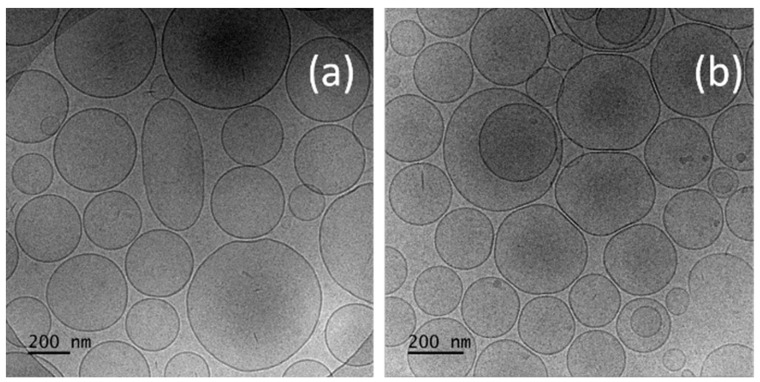
The study investigates the development and characterization of dual-loaded niosomes incorporated into ion-sensitive in situ gel as a potential drug delivery platform for ophthalmic application. Cannabidiol (CBD) and epigallocatechin-3-gallate (EGCG) simultaneously loaded niosomes were prepared via the thin film hydration (TFH) method followed by pulsatile sonication and were subjected to comprehensive physicochemical evaluation. The optimal composition was included in a gellan gum-based in situ gel, and the antimicrobial activity, in vitro toxicity in a suitable corneal epithelial model (HaCaT cell line), and antioxidant potential of the hybrid system were further assessed. Dual-loaded niosomes based on Span 60, Tween 60, and cholesterol (3.5:3.5:3 mol/mol) were characterized by appropriate size (250 nm), high entrapment efficiency values for both compounds (85% for CBD and 50% for EGCG) and sustained release profiles. The developed hybrid in situ gel exhibited suitable rheological characteristics to enhance the residence time on the ocular surface. The conducted microbiological studies reveal superior inhibition of methicillin-resistant (MRSA) adhesion by means of the niosomal in situ gel compared to the blank gel and untreated control. Regarding the antioxidant potential, the dual loading of CBD and EGCG in niosomes enhances their protective properties, and the inclusion of niosomes in gel form preserves these effects. The obtained outcomes indicate the developed niosomal in situ gel as a promising drug delivery platform in ophthalmology.
本研究调查了负载于离子敏感原位凝胶中的双负载非离子型脂质体的开发与特性,将其作为眼科应用的潜在药物递送平台。通过薄膜水化(TFH)法,随后进行脉动超声处理,制备了同时负载大麻二酚(CBD)和表没食子儿茶素-3-没食子酸酯(EGCG)的非离子型脂质体,并对其进行了全面的物理化学评估。将最佳配方纳入基于结冷胶的原位凝胶中,进一步评估了该混合体系的抗菌活性、在合适的角膜上皮模型(HaCaT细胞系)中的体外毒性以及抗氧化潜力。基于司盘60、吐温60和胆固醇(3.5:3.5:3摩尔/摩尔)的双负载非离子型脂质体具有合适的粒径(250纳米)、两种化合物的高包封率(CBD为85%,EGCG为50%)以及缓释特性。所开发的混合原位凝胶表现出合适的流变学特性,可延长在眼表的停留时间。进行的微生物学研究表明,与空白凝胶和未处理对照相比,非离子型脂质体原位凝胶对耐甲氧西林金黄色葡萄球菌(MRSA)的粘附具有更强的抑制作用。关于抗氧化潜力,非离子型脂质体中CBD和EGCG的双重负载增强了它们的保护性能,并且以凝胶形式包含非离子型脂质体保留了这些效果。所获得的结果表明,所开发的非离子型脂质体原位凝胶是眼科领域一种有前景的药物递送平台。