Xiao Mengjun, Wang Tao, Tang Chuyu, He Min, Li Yuling, Li Xiuzhang
State Key Laboratory of Plateau Ecology and Agriculture, Qinghai Academy of Animal and Veterinary Science, Qinghai University, Xining 810016, China.
J Fungi (Basel). 2024 Dec 11;10(12):855. doi: 10.3390/jof10120855.
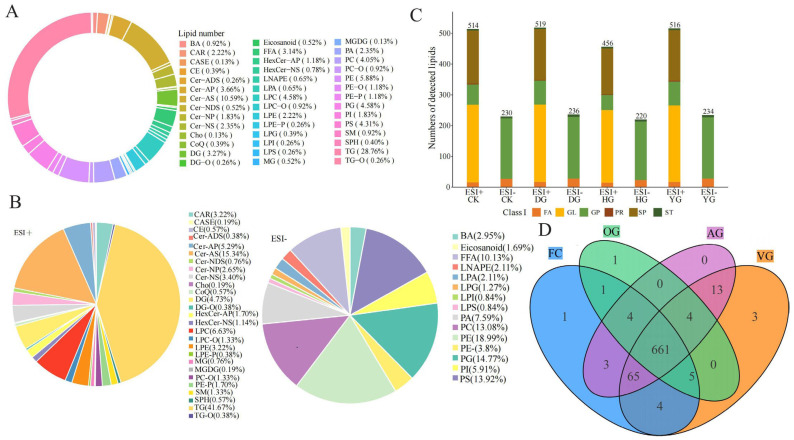
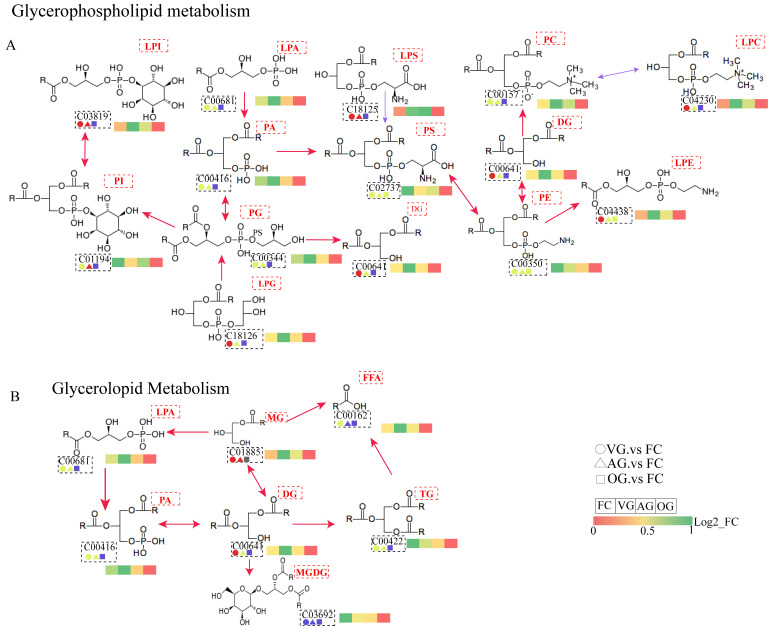
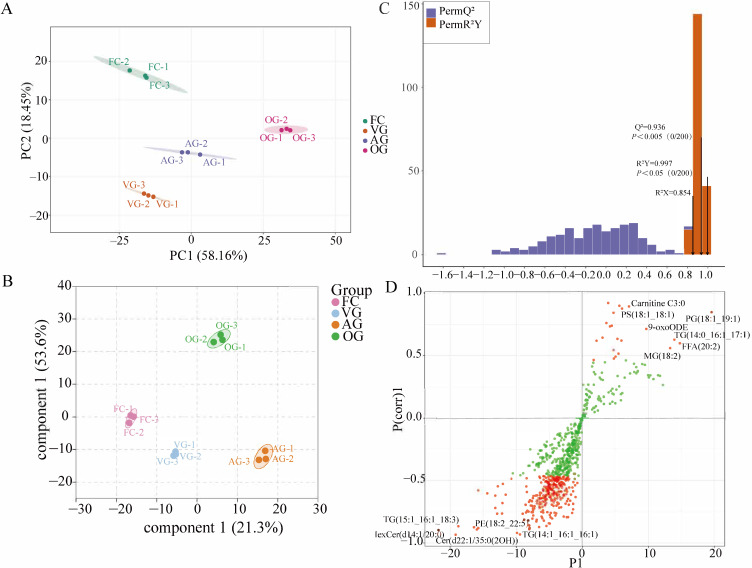
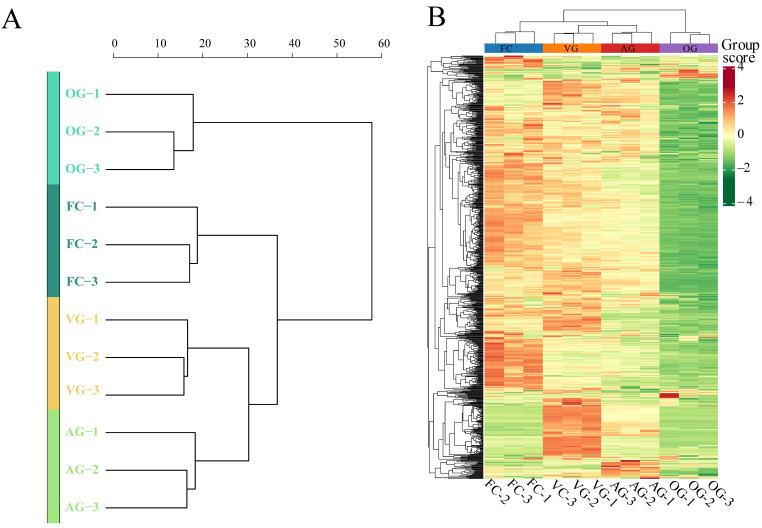
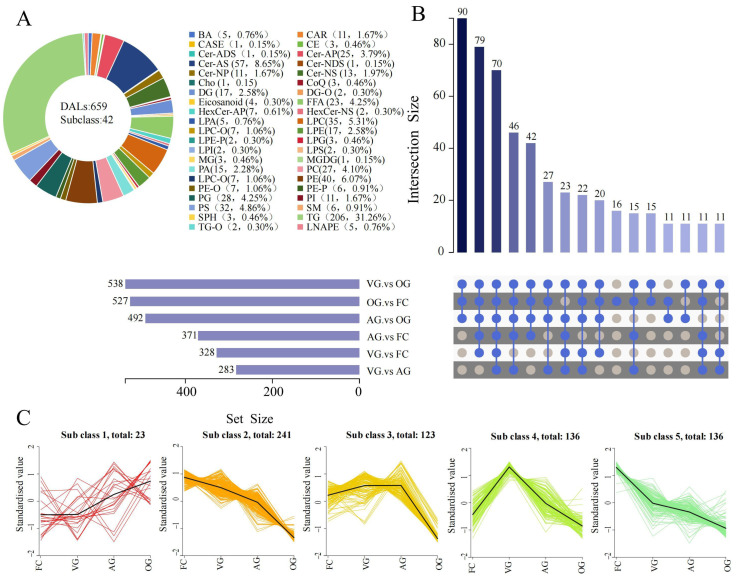
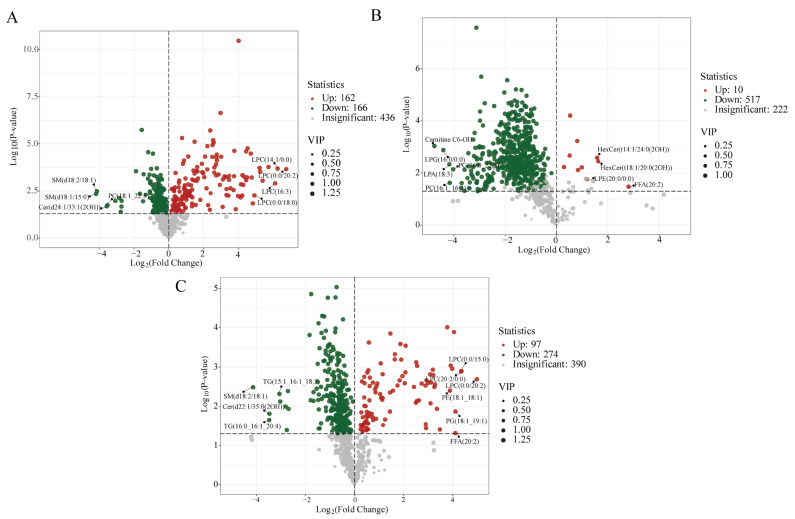
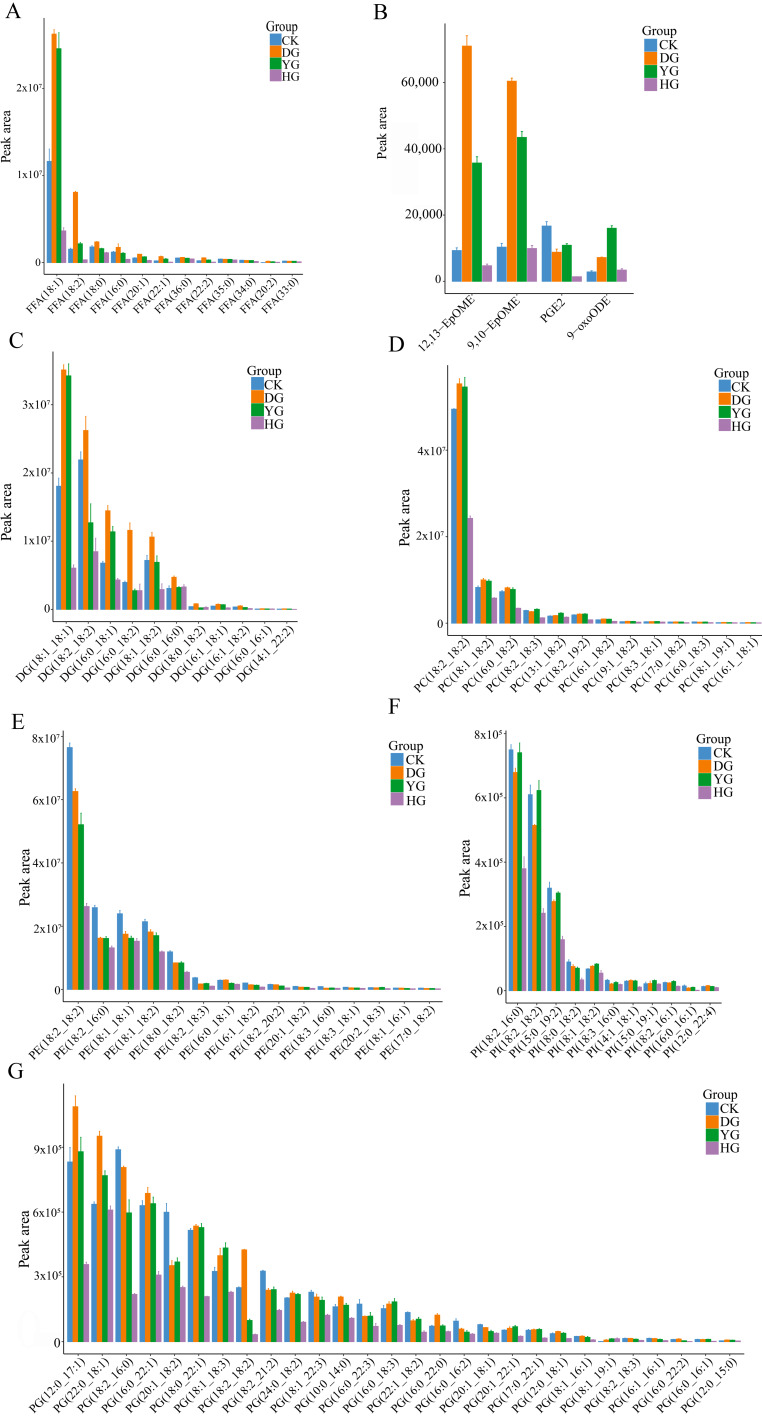
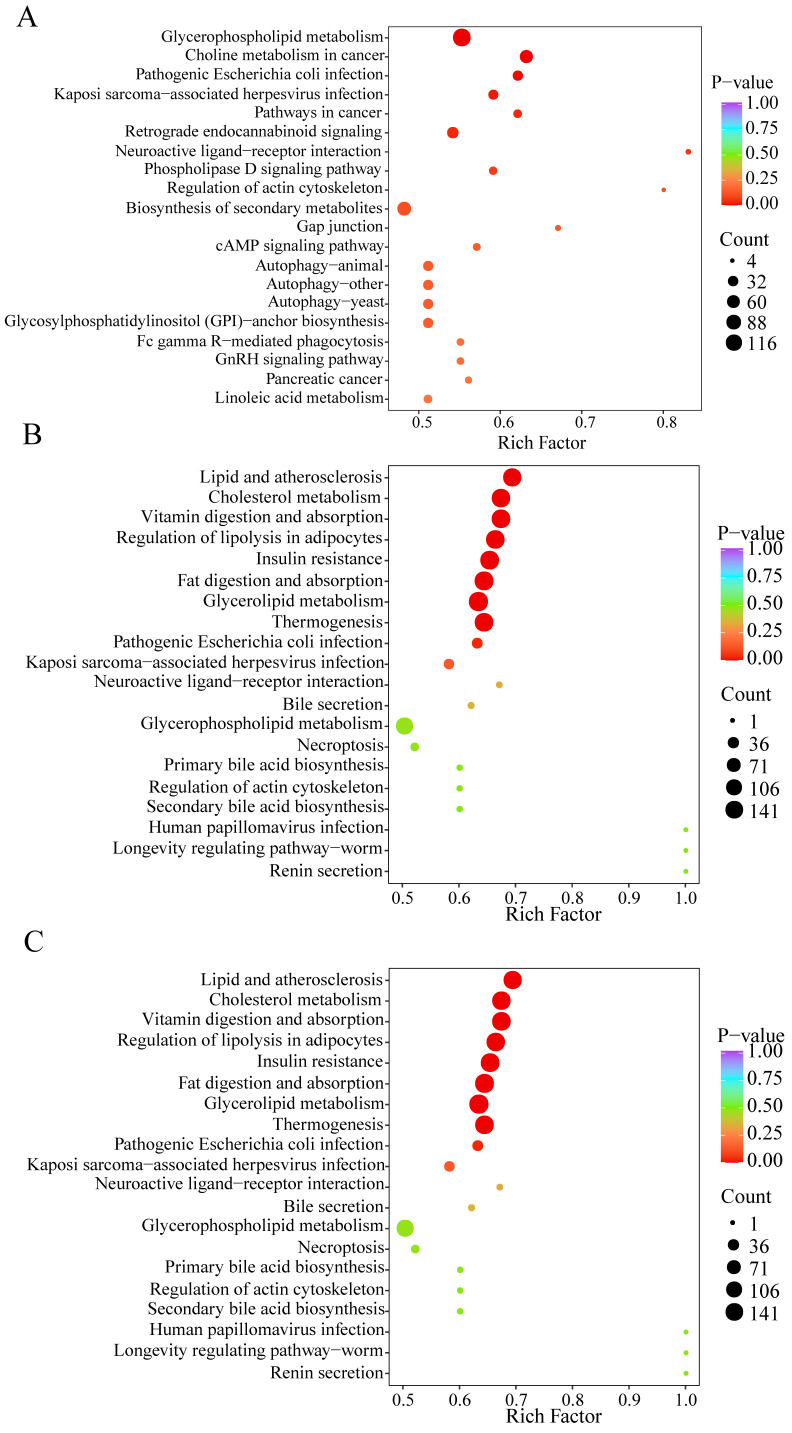
Comprehensive analysis of the lipid content in samples is essential for optimizing their effective use. Understanding the lipid profile can significantly enhance the application of this valuable fungus across various fields, including nutrition and medicine. However, to date, there is limited knowledge regarding the effects of different drying methods on the quality of lipids present in . In this study, we employed a broadly targeted lipidomic strategy to conduct a comprehensive analysis of the lipid composition in subjected to various drying methods. A comprehensive analysis identified a total of 765 distinct lipid species from fresh (FC), vacuum-freeze-dried (VG), oven-dried (OG), and air-dried (AG). Among these, glycerophospholipids (GP) were the most abundant, followed by glycerides (GL) and sphingolipids (SP). In this study, a total of 659 lipids demonstrated statistically significant differences, as indicated by a -value () < 1. Among these lipids, triglycerides (TG) exhibited the highest concentration, followed by several others, including ceramide-ascorbic acid (Cer-AS), phosphatidylethanolamine (PE), lysophosphatidylcholine (LPC), and phosphatidylserine (PS). OG was the fastest drying method; however, PCA and OPLS-DA analyses indicated that the most significant changes in the lipids of were observed under the OG method. Specifically, 517 differentially accumulated lipids were significantly down-regulated, while only 10 lipids were significantly up-regulated. This disparity may be attributed to the degradation and oxidation of lipids. The metabolic pathways of glycerolipid, glycerophospholipid, and cholesterol are critical during the drying process of . This study provides valuable insights that can enhance quality control and offer guidelines for the appropriate storage of this medicinal fungus.
对样品中的脂质含量进行全面分析对于优化其有效利用至关重要。了解脂质谱可显著提高这种珍贵真菌在包括营养和医学在内的各个领域的应用。然而,迄今为止,关于不同干燥方法对其中存在的脂质质量的影响的知识有限。在本研究中,我们采用了广泛靶向脂质组学策略,对经过各种干燥方法处理的样品中的脂质组成进行全面分析。全面分析从新鲜样品(FC)、真空冷冻干燥样品(VG)、烘箱干燥样品(OG)和风干样品(AG)中总共鉴定出765种不同的脂质种类。其中,甘油磷脂(GP)含量最为丰富,其次是甘油酯(GL)和鞘脂(SP)。在本研究中,共有659种脂质表现出统计学上的显著差异,如P值(P)<1所示。在这些脂质中,甘油三酯(TG)浓度最高,其次是其他几种,包括神经酰胺 - 抗坏血酸(Cer - AS)、磷脂酰乙醇胺(PE)、溶血磷脂酰胆碱(LPC)和磷脂酰丝氨酸(PS)。OG是最快的干燥方法;然而,主成分分析(PCA)和正交偏最小二乘法判别分析(OPLS - DA)表明,在OG方法下观察到样品脂质的最显著变化。具体而言,517种差异积累的脂质显著下调,而只有10种脂质显著上调。这种差异可能归因于脂质的降解和氧化。甘油olipid、甘油磷脂和胆固醇的代谢途径在样品干燥过程中至关重要。本研究提供了有价值的见解,可加强质量控制并为这种药用真菌的适当储存提供指导。