Aytaç Ersin, Khanzada Noman Khalid, Ibrahim Yazan, Khayet Mohamed, Hilal Nidal
Department of Structure of Matter, Thermal Physics and Electronics, Faculty of Physics, University Complutense of Madrid, Avda. Complutense s/n, 28040 Madrid, Spain.
Department of Environmental Engineering, Zonguldak Bülent Ecevit University, 67100 Zonguldak, Türkiye.
Membranes (Basel). 2024 Dec 6;14(12):259. doi: 10.3390/membranes14120259.
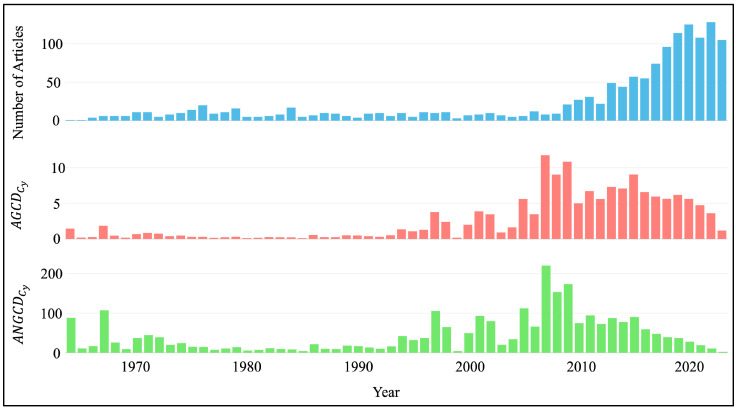
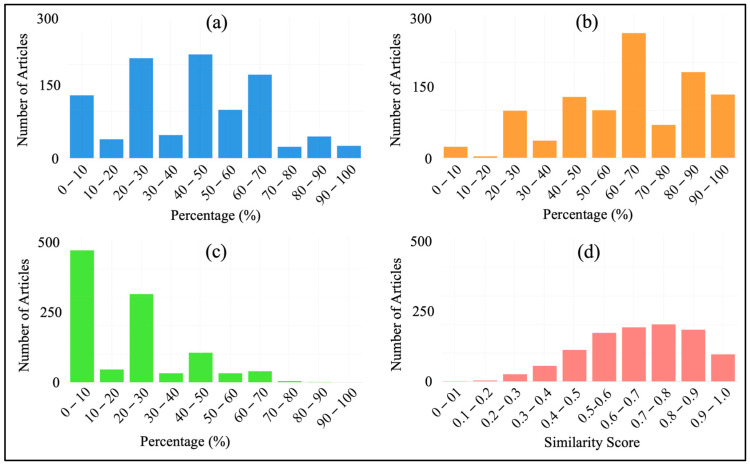
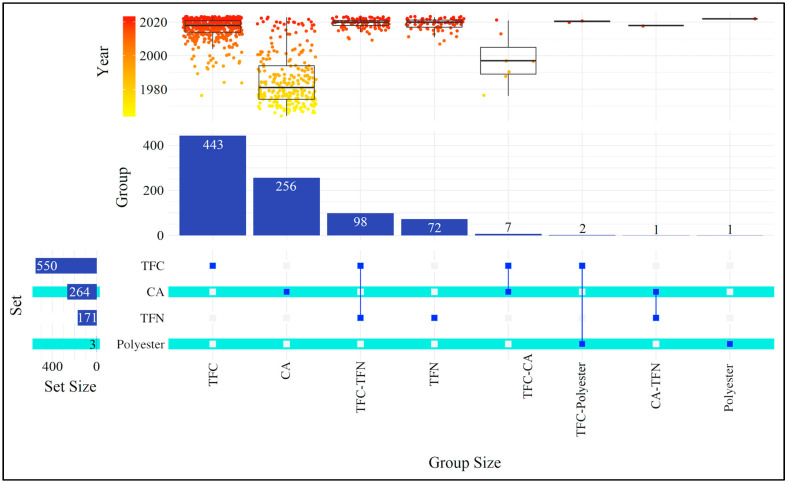
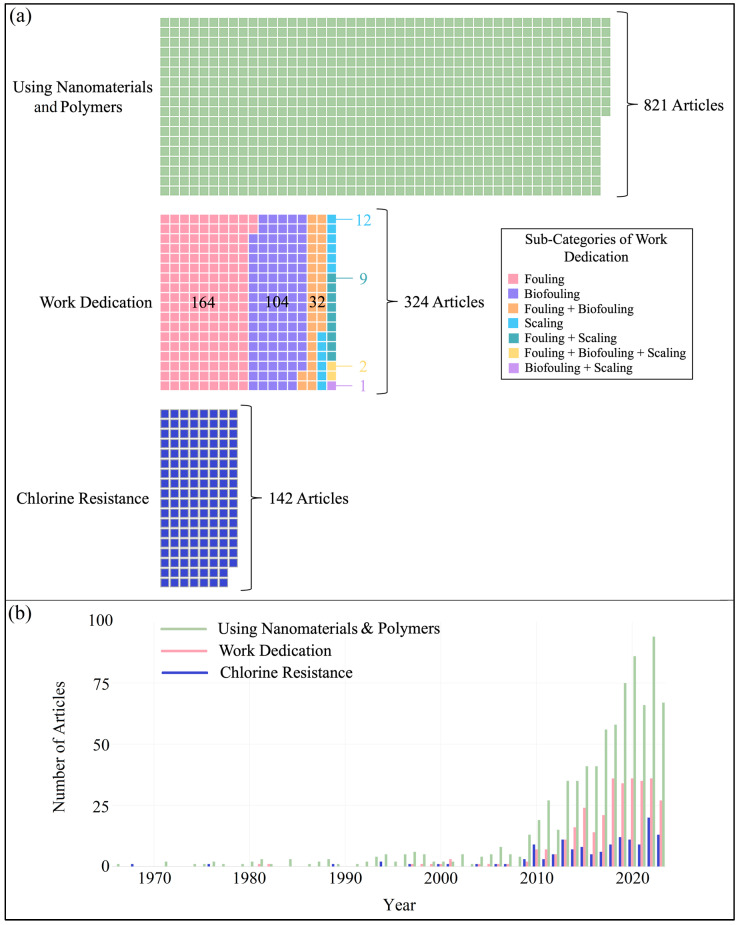
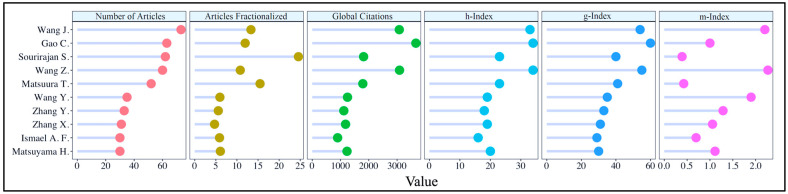
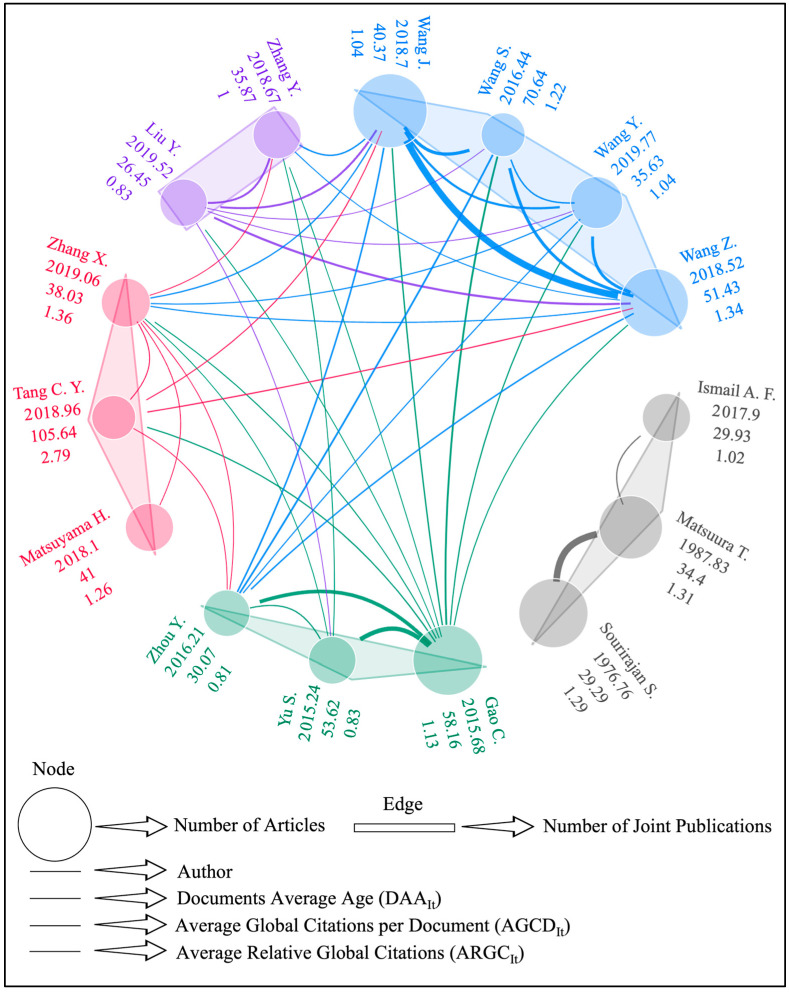
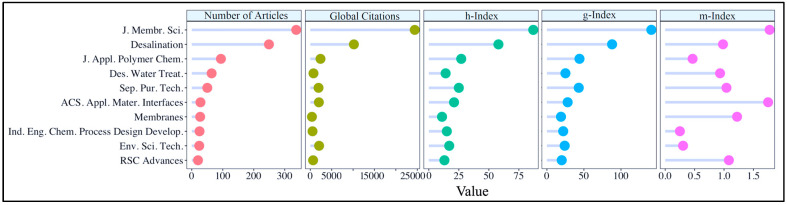
Membrane engineering is a complex field involving the development of the most suitable membrane process for specific purposes and dealing with the design and operation of membrane technologies. This study analyzed 1424 articles on reverse osmosis (RO) membrane engineering from the Scopus database to provide guidance for future studies. The results show that since the first article was published in 1964, the domain has gained popularity, especially since 2009. Thin-film composite (TFC) polymeric material has been the primary focus of RO membrane experts, with 550 articles published on this topic. The use of nanomaterials and polymers in membrane engineering is also high, with 821 articles. Common problems such as fouling, biofouling, and scaling have been the center of work dedication, with 324 articles published on these issues. Wang J. is the leader in the number of published articles (73), while Gao C. is the leader in other metrics. is the most preferred source for the publication of RO membrane engineering and related technologies. Author social networks analysis shows that there are five core clusters, and the dominant cluster have 4 researchers. The analysis of sentiment, subjectivity, and emotion indicates that abstracts are positively perceived, objectively written, and emotionally neutral.
膜工程是一个复杂的领域,涉及为特定目的开发最合适的膜工艺以及处理膜技术的设计和操作。本研究分析了Scopus数据库中1424篇关于反渗透(RO)膜工程的文章,为未来的研究提供指导。结果表明,自1964年发表第一篇文章以来,该领域越来越受欢迎,特别是自2009年以来。薄膜复合(TFC)聚合物材料一直是RO膜专家的主要关注焦点,关于该主题发表了550篇文章。纳米材料和聚合物在膜工程中的应用也很多,有821篇文章。诸如污染、生物污染和结垢等常见问题一直是研究的核心,关于这些问题发表了324篇文章。王J.是发表文章数量最多的作者(73篇),而高C.在其他指标方面领先。 是RO膜工程及相关技术发表的最受欢迎的来源。作者社交网络分析表明有五个核心集群,占主导地位的集群有4名研究人员。情感、主观性和情绪分析表明,摘要被积极看待,写作客观,情绪中立。