Yin Shulei, Tao Yijie, Li Tianliang, Li Chunzhen, Cui Yani, Zhang Yunyan, Yin Shenhui, Zhao Liyuan, Hu Panpan, Cui Likun, Wu Yunyang, He Yixian, Yu Shu, Chen Jie, Lu Shaoteng, Qiu Guifang, Song Mengqi, Hou Qianshan, Qian Cheng, Zou Zui, Xu Sheng, Yu Yizhi
National Key Laboratory of Immunity and Inflammation, Naval Medical University, Shanghai, 200433, China.
School of Anesthesiology, Naval Medical University, Shanghai, 200433, China.
Signal Transduct Target Ther. 2024 Dec 27;9(1):371. doi: 10.1038/s41392-024-02077-8.
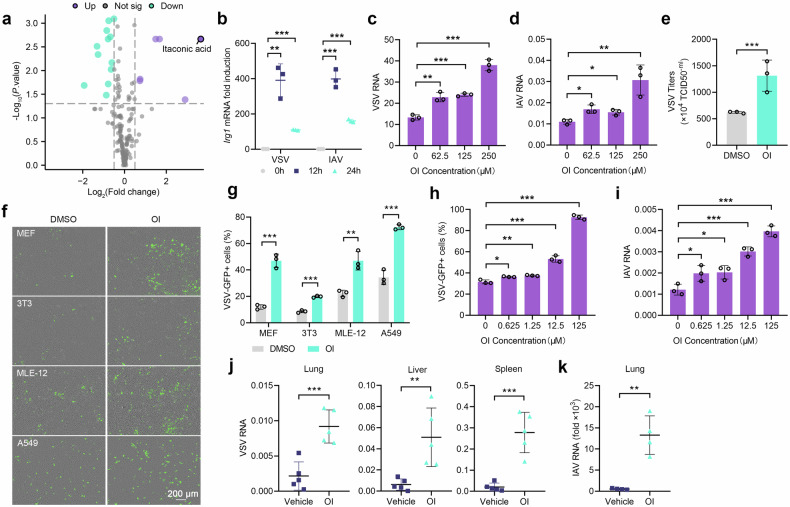
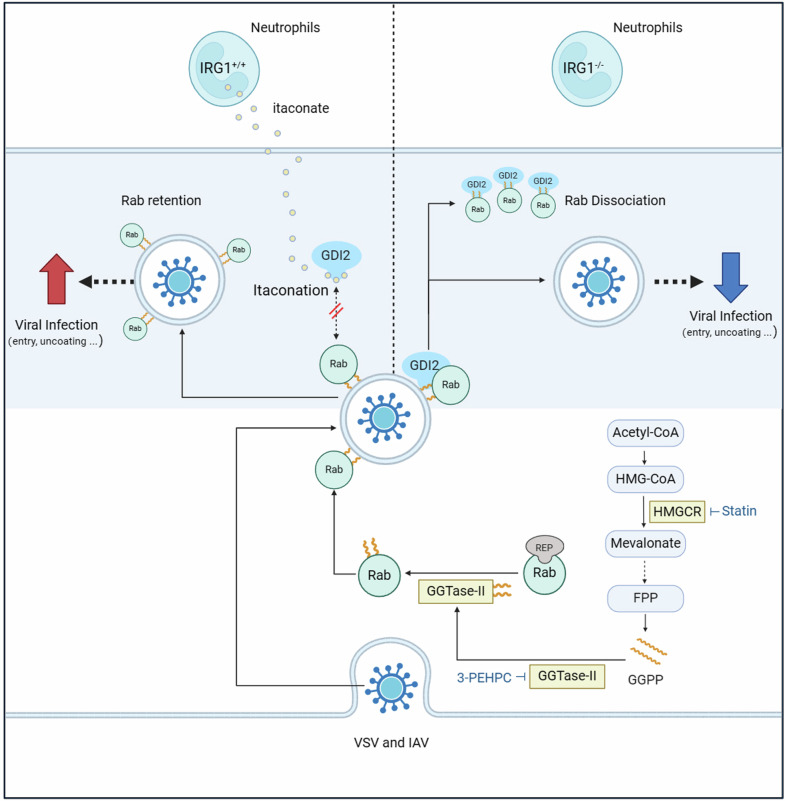
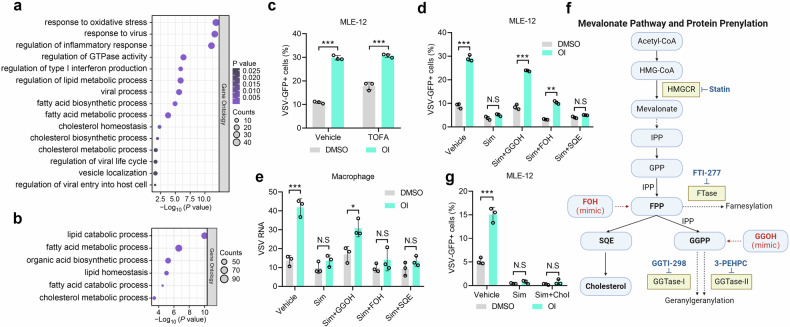
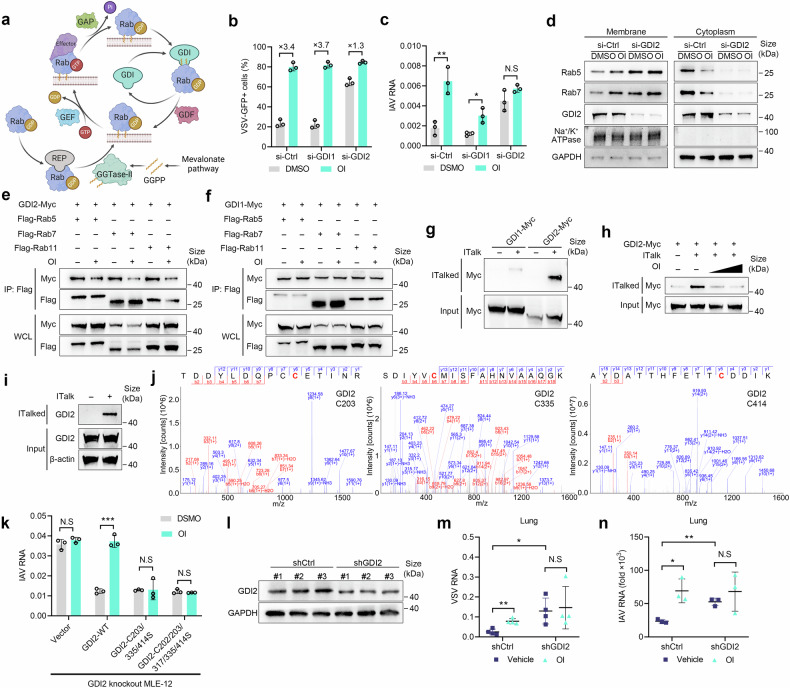
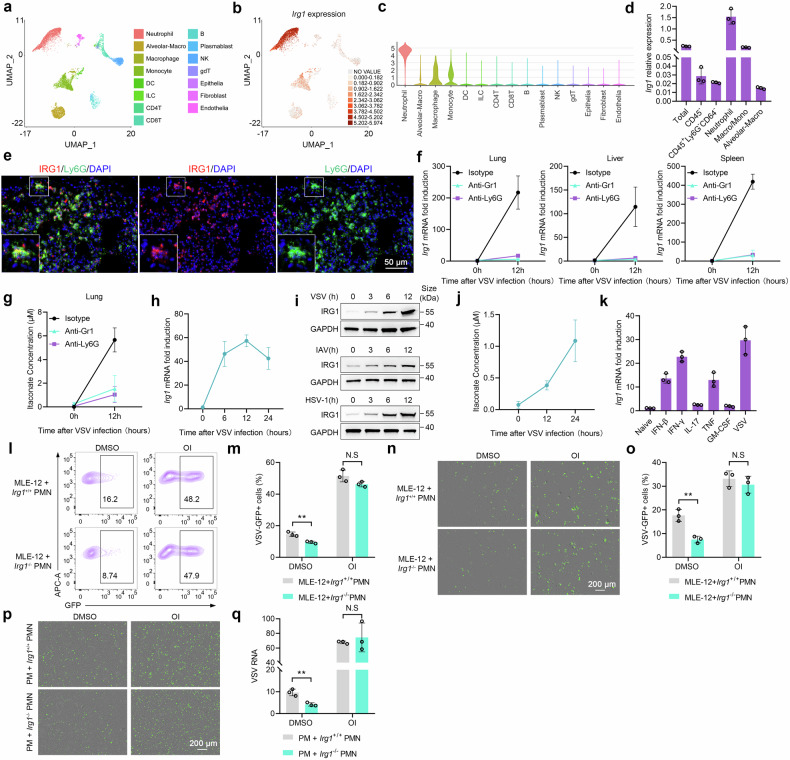
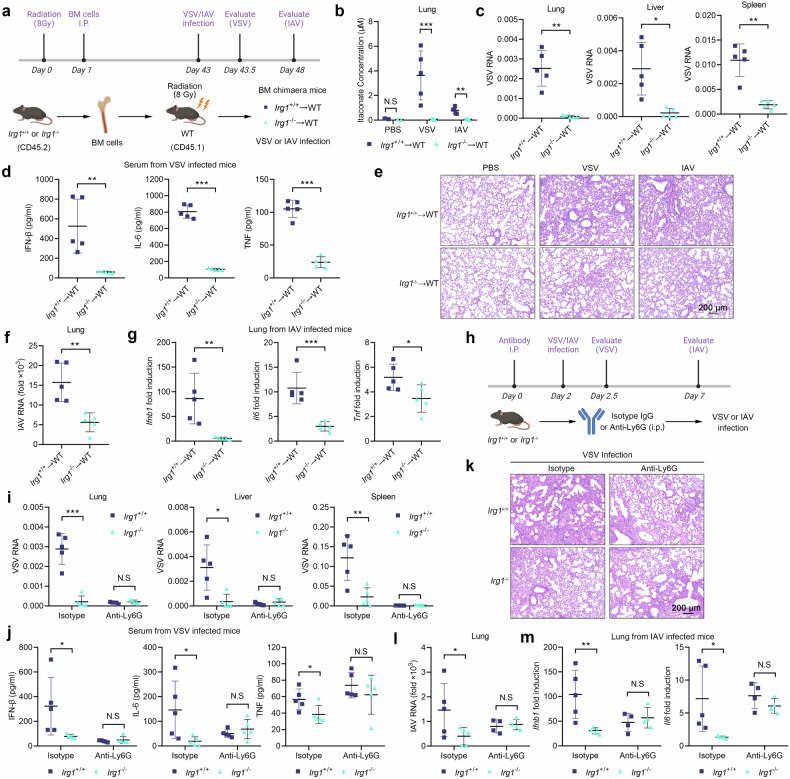
Metabolic reprogramming of host cells plays critical roles during viral infection. Itaconate, a metabolite produced from cis-aconitate in the tricarboxylic acid cycle (TCA) by immune responsive gene 1 (IRG1), is involved in regulating innate immune response and pathogen infection. However, its involvement in viral infection and underlying mechanisms remain incompletely understood. Here, we demonstrate that the IRG1-itaconate axis facilitates the infections of VSV and IAV in macrophages and epithelial cells via Rab GTPases redistribution. Mechanistically, itaconate promotes the retention of Rab GTPases on the membrane via directly alkylating Rab GDP dissociation inhibitor beta (GDI2), the latter of which extracts Rab GTPases from the membrane to the cytoplasm. Multiple alkylated residues by itaconate, including cysteines 203, 335, and 414 on GDI2, were found to be important during viral infection. Additionally, this effect of itaconate needs an adequate distribution of Rab GTPases on the membrane, which relies on Rab geranylgeranyl transferase (GGTase-II)-mediated geranylgeranylation of Rab GTPases. The single-cell RNA sequencing data revealed high expression of IRG1 primarily in neutrophils during viral infection. Co-cultured and in vivo animal experiments demonstrated that itaconate produced by neutrophils plays a dominant role in promoting viral infection. Overall, our study reveals that neutrophils-derived itaconate facilitates viral infection via redistribution of Rab GTPases, suggesting potential targets for antiviral therapy.
宿主细胞的代谢重编程在病毒感染过程中发挥着关键作用。衣康酸是三羧酸循环(TCA)中由免疫反应基因1(IRG1)从顺乌头酸产生的一种代谢产物,参与调节先天免疫反应和病原体感染。然而,其在病毒感染中的作用及潜在机制仍未完全明确。在此,我们证明IRG1-衣康酸轴通过Rab GTP酶的重新分布促进巨噬细胞和上皮细胞中水泡性口炎病毒(VSV)和甲型流感病毒(IAV)的感染。机制上,衣康酸通过直接烷基化Rab GDP解离抑制剂β(GDI2)促进Rab GTP酶在膜上的保留,后者将Rab GTP酶从膜上提取到细胞质中。发现衣康酸的多个烷基化残基,包括GDI2上的半胱氨酸203、335和414,在病毒感染过程中很重要。此外,衣康酸的这种作用需要Rab GTP酶在膜上有足够的分布,这依赖于Rab香叶基香叶基转移酶(GGTase-II)介导的Rab GTP酶的香叶基香叶基化。单细胞RNA测序数据显示,在病毒感染期间,IRG1主要在中性粒细胞中高表达。共培养和体内动物实验表明,中性粒细胞产生的衣康酸在促进病毒感染中起主导作用。总体而言,我们的研究表明,中性粒细胞衍生的衣康酸通过Rab GTP酶的重新分布促进病毒感染,提示了抗病毒治疗的潜在靶点。