Atle Anteneh, Yigezu Muluken, Admasu Wosenyeleh, Seifu Ashenafi
Department of Anesthesia, College of Medicine and Health Sciences, Dire Dawa University, Dire Dawa, Ethiopia.
Department of Public Health, College of Medicine and Health Sciences, Dire Dawa University, P.O. Box: 1362, Dire Dawa, Ethiopia.
Sci Rep. 2024 Dec 28;14(1):30947. doi: 10.1038/s41598-024-81999-3.
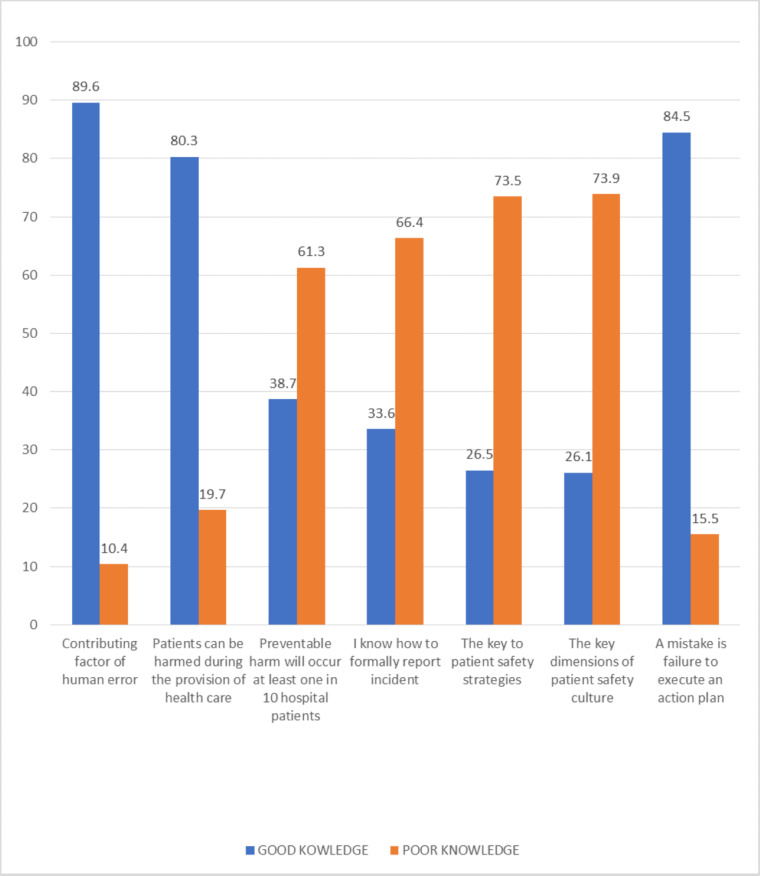
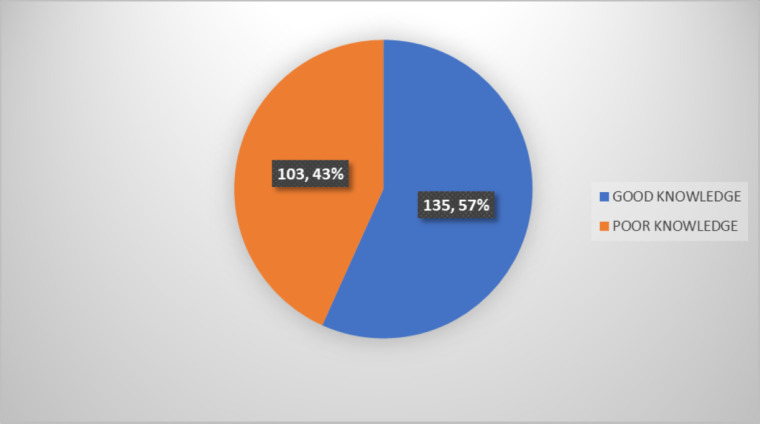
In the field of healthcare, ensuring patient safety is a critical priority that has garnered global recognition as a pressing public health concern. Despite notable progress in medical treatments and diagnostic technologies, patients continue to be at risk of adverse events and harm during the perioperative period. Anesthetists hold a pivotal position in this phase of patient care and have the potential to greatly impact safety and outcomes. This research sought to assess the knowledge, attitudes, and influencing factors of anesthetists concerning patient safety in government referral hospitals situated in Addis Ababa, Ethiopia. Between January and June 2021, a multi-center cross-sectional study was conducted in 13 governmental referral hospitals located in Addis Ababa. Data were collected using a standardized and pre-tested self-administered questionnaire. The collected data was analyzed using Statistical Package for Social Sciences (SPSS) software version 24.0. The variables and their associated factors were examined for their association with logistic regression, and significance was determined at a P-value of less than 0.05. Of the anesthesia professionals surveyed, 238 (86.86%) completed the questionnaire. The study revealed that over half of the participants had good knowledge (56.7%) and a positive attitude (68.9%). Factors significantly associated with patient safety knowledge included having patient safety information during continuing education [AOR = 4.016; 95% CI: (1.99-8.07)] and having a working experience of more than 15 years [AOR = 3.9; 95% CI: (1.23-12.29)]. Additionally, those who received patient safety training [AOR =2.0; 95% CI: (1.2-3.64)] were more likely to have a positive attitude than those who did not receive such training. The study found that a majority of Ethiopian anesthetists hold a favorable view toward patient safety, with 56.7% demonstrating good patient safety knowledge and 68.9% exhibiting a favorable attitude toward patient safety. Work experience, continuous education, patient safety training, and strong knowledge were identified as crucial factors in ensuring patient safety.Therefore, it is recommended that anesthesia professionals participate in educational programs and receive training in patient safety to address these concerns.
在医疗保健领域,确保患者安全是一项至关重要的优先事项,已作为一个紧迫的公共卫生问题获得全球认可。尽管在医学治疗和诊断技术方面取得了显著进展,但患者在围手术期仍面临不良事件和伤害的风险。麻醉医生在这一患者护理阶段占据关键地位,并且有可能对安全性和治疗结果产生重大影响。本研究旨在评估埃塞俄比亚亚的斯亚贝巴政府转诊医院中麻醉医生关于患者安全的知识、态度及影响因素。2021年1月至6月期间,在亚的斯亚贝巴的13家政府转诊医院开展了一项多中心横断面研究。使用标准化且经过预测试的自填式问卷收集数据。使用社会科学统计软件包(SPSS)24.0版对收集到的数据进行分析。通过逻辑回归检验变量及其相关因素之间的关联,并将P值小于0.05确定为具有显著性。在接受调查的麻醉专业人员中,238人(86.86%)完成了问卷。研究表明,超过半数的参与者具备良好的知识(56.7%)和积极的态度(68.9%)。与患者安全知识显著相关的因素包括在继续教育期间获得患者安全信息[AOR = 4.016;95%CI:(1.99 - 8.07)]以及拥有超过15年的工作经验[AOR = 3.9;95%CI:(1.23 - 12.29)]。此外,接受过患者安全培训的人员[AOR = 2.0;95%CI:(1.2 - 3.64)]比未接受此类培训的人员更有可能持有积极态度。研究发现,大多数埃塞俄比亚麻醉医生对患者安全持积极看法,56.7%的人展示出良好的患者安全知识,68.9%的人对患者安全表现出积极态度。工作经验、持续教育、患者安全培训和丰富的知识被确定为确保患者安全的关键因素。因此,建议麻醉专业人员参加教育项目并接受患者安全培训,以解决这些问题。