Yang Yuling, Li Qijun, Liu Xiaoning, Shao Caixia, Yang Heng, Niu Siquan, Peng Hong, Meng Xiangguang
Department of Pharmacy, Zhengzhou No. 7 People's Hospital, Zhengzhou, Henan, China.
Department of Dermatology, Puyang Oilfield General Hospital, Puyang, Henan, China.
Front Pharmacol. 2024 Dec 13;15:1497977. doi: 10.3389/fphar.2024.1497977. eCollection 2024.
Studies have shown that DNA methylation of the CACNA1C gene is involved in the pathogenesis of various diseases and the mechanism of drug action. However, its relationship with atrial fibrillation (AF) remains largely unexplored.
To investigate the association between DNA methylation of the CACNA1C gene and AF by combining decitabine (5-Aza-2'-deoxycytidine, AZA) treatment with multi-omics analysis.
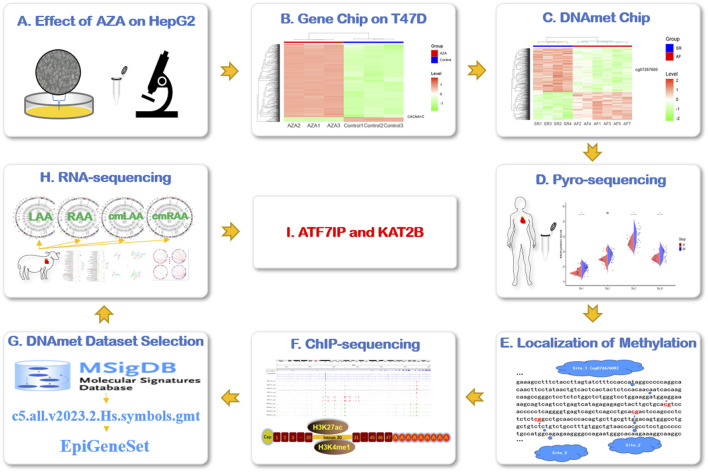
HepG2 cells were treated with AZA to observe the expression of the CACNA1C gene, which was further validated using gene expression microarrays. Pyrosequencing was employed to validate differentially methylated sites of the CACNA1C gene observed in DNA methylation microarrays. A custom DNA methylation dataset based on the MSigDB database was combined with ChIP-sequencing and RNA-sequencing data to explore the regulatory patterns of DNA methylation of the CACNA1C gene.
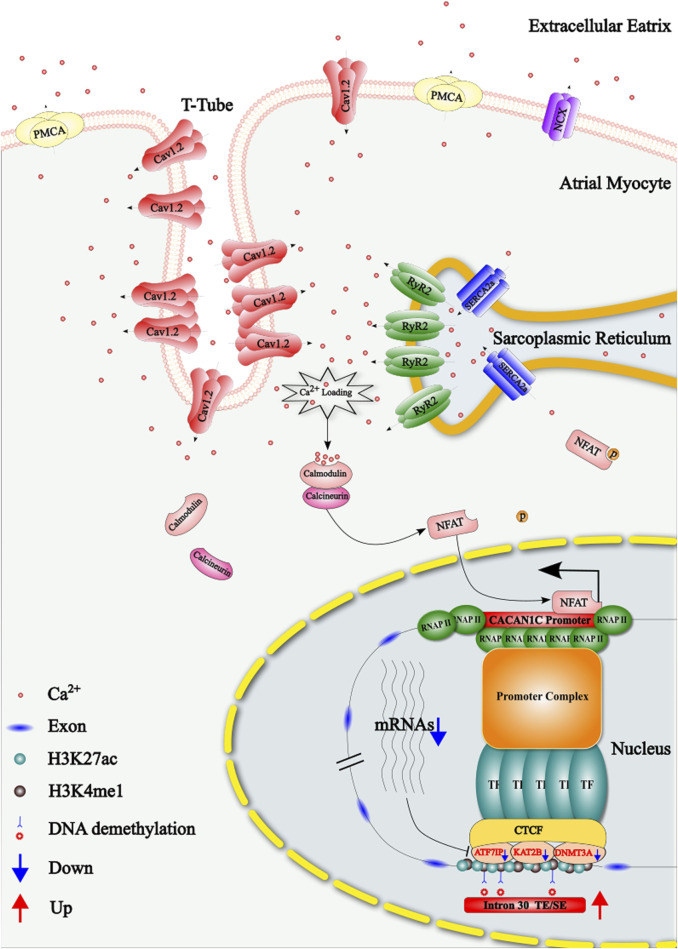
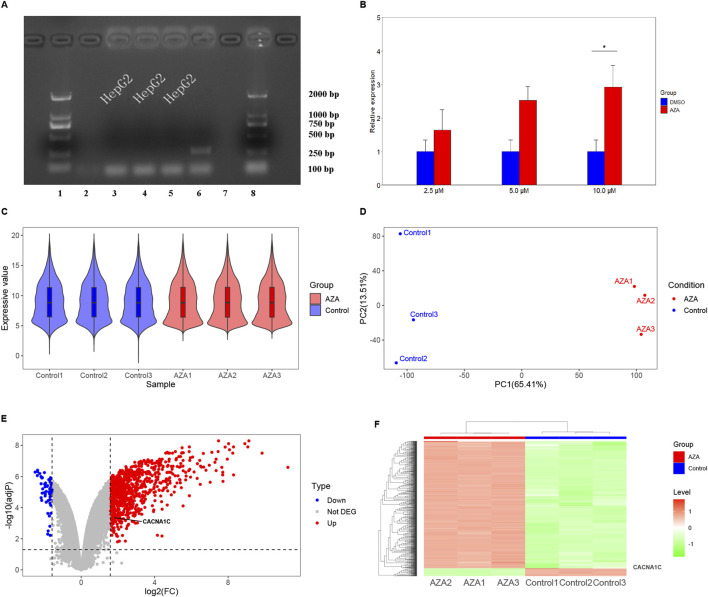
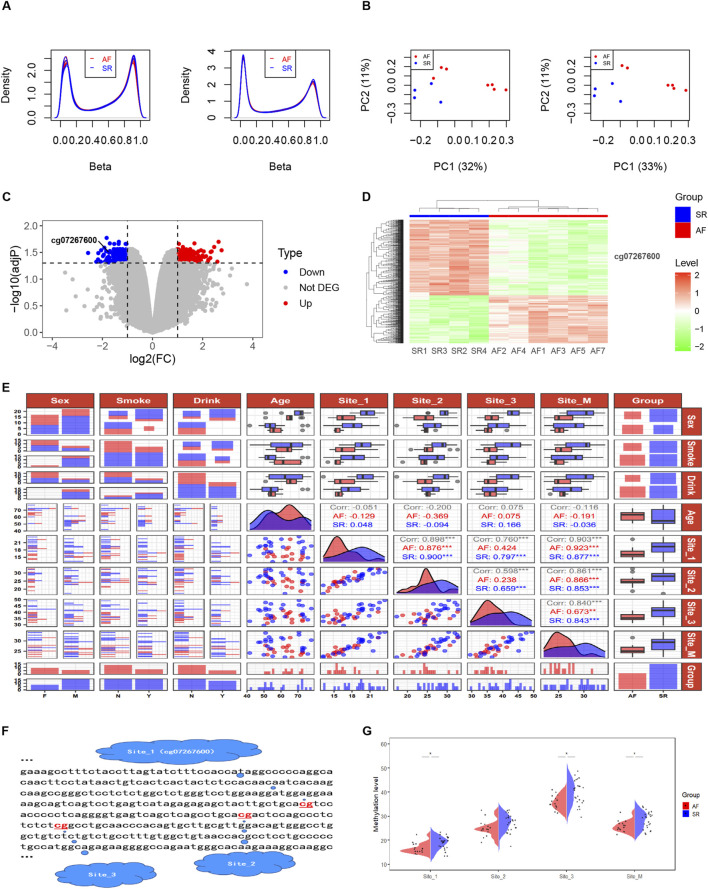
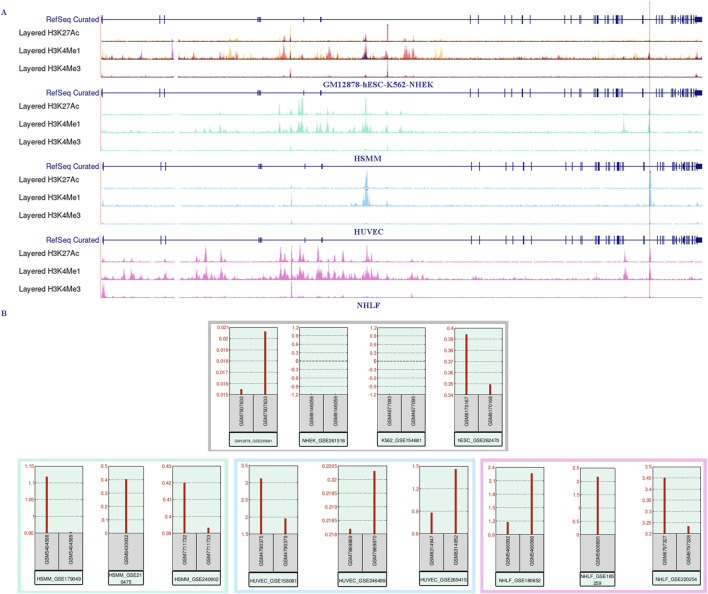
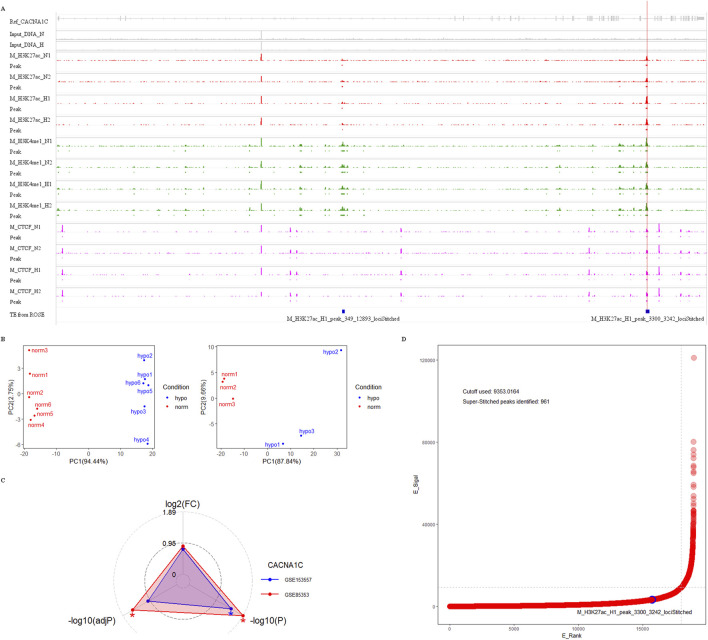
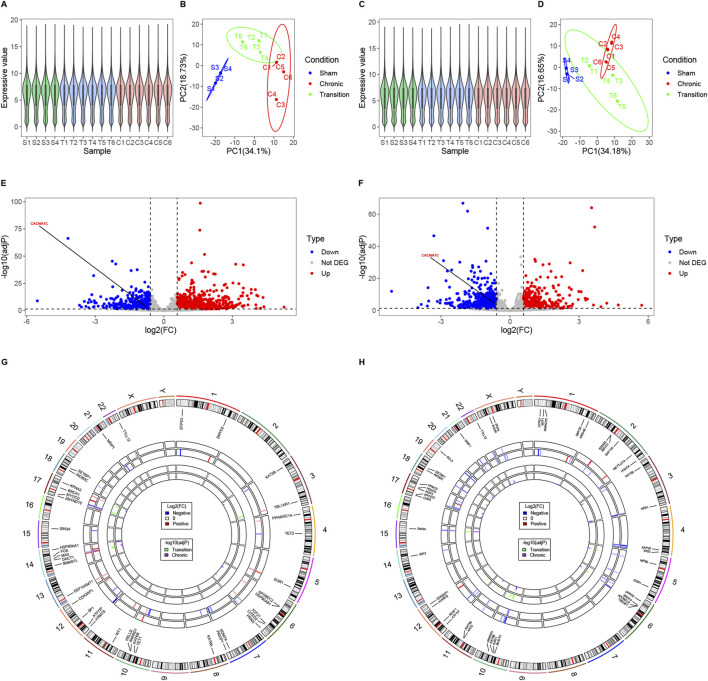
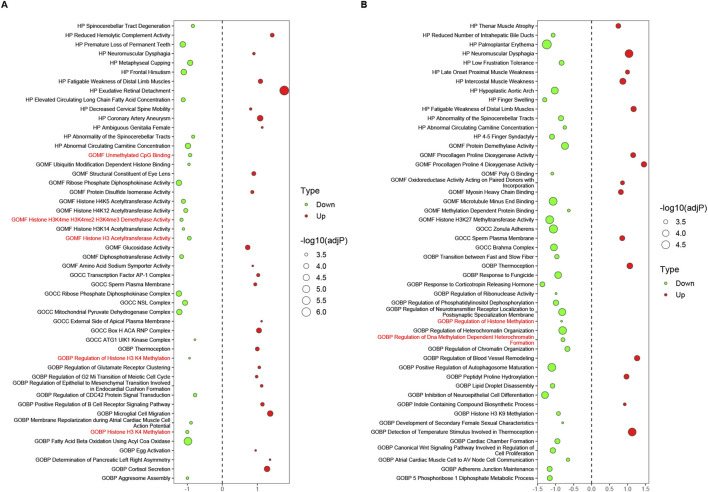
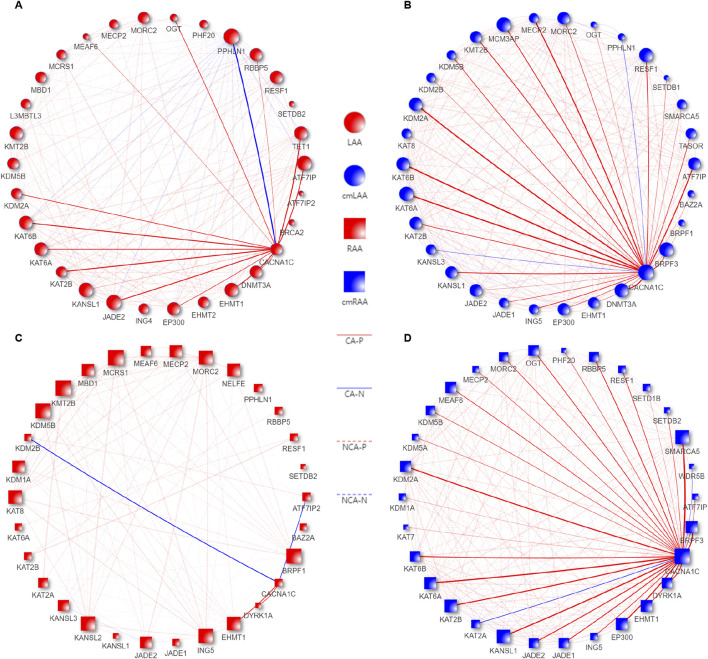
Treatment of HepG2 cells with three different concentrations of AZA (2.5 µM, 5.0 µM, and 10.0 µM) resulted in 1.6, 2.5, and 2.9-fold increases in the mRNA expression of the CACNA1C gene, respectively, compared to the DMSO group, with statistical significance at the highest concentration group ( < 0.05). Similarly, AZA treatment of T47D cells showed upregulated mRNA expression of the CACNA1C gene in the gene expression microarray results (adj < 0.05). DNA methylation microarray analysis revealed that methylation of a CpG site in intron 30 of the CACNA1C gene may be associated with AF (adj < 0.05). Pyrosequencing of this site and its adjacent two CpG sites demonstrated significant differences in DNA methylation levels between AF and sinus rhythm groups ( < 0.05). Subsequent multivariate logistic regression models confirmed that the DNA methylation degree of these three sites and their average was associated with AF ( < 0.05). Additionally, the UCSC browser combined with ChIP-sequencing revealed that the aforementioned region was enriched in enhancer markers H3K27ac and H3K4me1. Differential expression and pathway analysis of RNA-sequencing data ultimately identified ATF7IP and KAT2B genes as potential regulators of the CACNA1C gene.
The DNA methylation levels at three CpG sites in intron 30 of the CACNA1C gene are associated with AF status, and potentially regulated by ATF7IP and KAT2B.
研究表明,CACNA1C基因的DNA甲基化参与多种疾病的发病机制及药物作用机制。然而,其与心房颤动(AF)的关系在很大程度上仍未得到充分探索。
通过联合地西他滨(5-氮杂-2'-脱氧胞苷,AZA)处理与多组学分析,研究CACNA1C基因的DNA甲基化与AF之间的关联。
用AZA处理HepG2细胞以观察CACNA1C基因的表达,并用基因表达微阵列进一步验证。采用焦磷酸测序法验证在DNA甲基化微阵列中观察到的CACNA1C基因的差异甲基化位点。将基于MSigDB数据库的定制DNA甲基化数据集与染色质免疫沉淀测序(ChIP-seq)和RNA测序(RNA-seq)数据相结合,以探索CACNA1C基因DNA甲基化的调控模式。
用三种不同浓度(2.5 μM、5.0 μM和10.0 μM)的AZA处理HepG2细胞,与二甲基亚砜(DMSO)组相比,CACNA1C基因的mRNA表达分别增加了1.6倍、2.5倍和2.9倍,在最高浓度组具有统计学意义(P<0.05)。同样,在基因表达微阵列结果中,AZA处理T47D细胞显示CACNA1C基因的mRNA表达上调(校正P<0.05)。DNA甲基化微阵列分析显示,CACNA1C基因第30内含子中一个CpG位点的甲基化可能与AF相关(校正P<0.05)。对该位点及其相邻的两个CpG位点进行焦磷酸测序,结果显示AF组和窦性心律组之间的DNA甲基化水平存在显著差异(P<0.05)。随后的多因素逻辑回归模型证实,这三个位点的DNA甲基化程度及其平均值与AF相关(P<0.05)。此外,UCSC浏览器结合ChIP-seq显示,上述区域富含增强子标记H3K27ac和H3K4me1。RNA-seq数据的差异表达和通路分析最终确定ATF7IP和KAT2B基因是CACNA1C基因的潜在调节因子。
CACNA1C基因第30内含子中三个CpG位点的DNA甲基化水平与AF状态相关,并可能受ATF7IP和KAT2B调控。