Sousa Ana M, Branco Rita, Morais Paula V, Pereira Manuel F, Amaro Ana M, Piedade Ana P
University of Coimbra, CEMMPRE, Department of Mechanical Engineering, 3030-788, Coimbra, Portugal.
University of Coimbra, CEMMPRE, Department of Life Sciences, 3000-456, Coimbra, Portugal.
Bioact Mater. 2024 Dec 9;46:55-81. doi: 10.1016/j.bioactmat.2024.12.003. eCollection 2025 Apr.
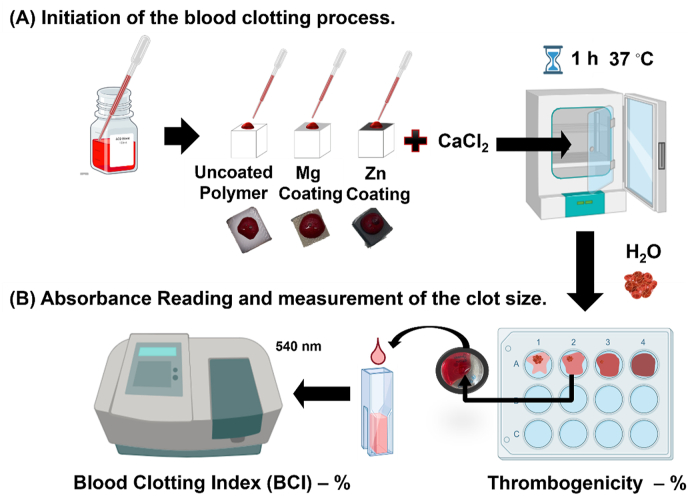
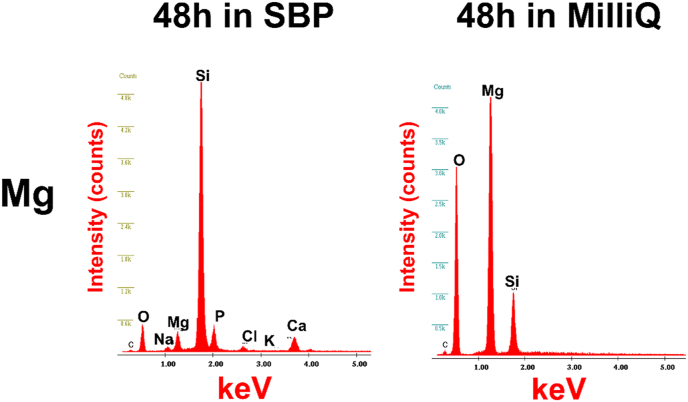
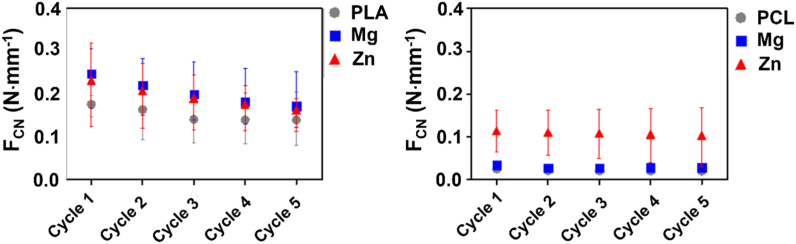
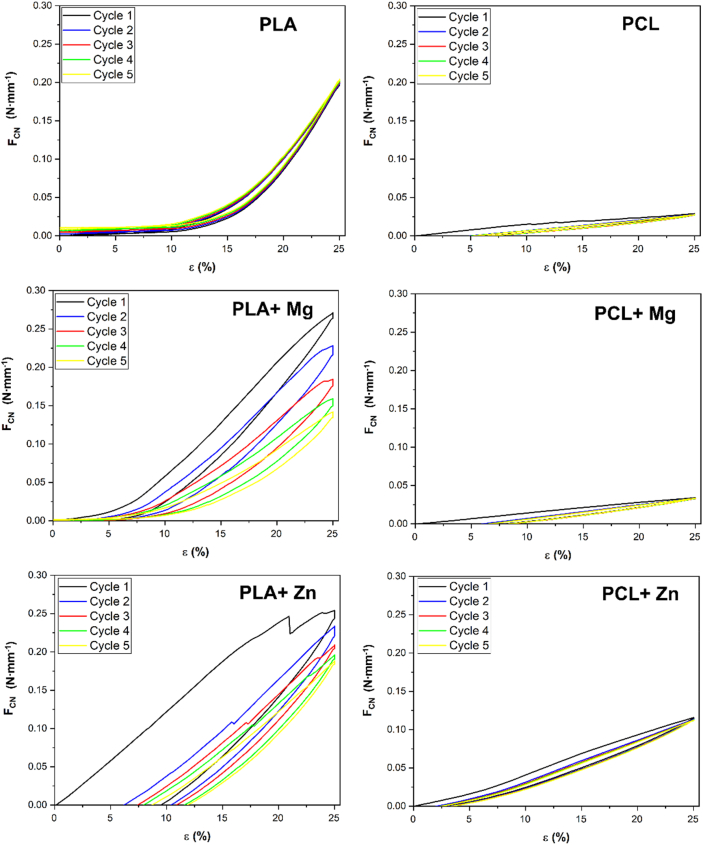
Polymeric coronary stents, like the ABSORB™, are commonly used to treat atherosclerosis due to their bioresorbable and cell-compatible polymer structure. However, they face challenges such as high strut thickness, high elastic recoil, and lack of radiopacity. This study aims to address these limitations by modifying degradable stents produced by additive manufacturing with poly(lactic acid) (PLA) and poly(ε-caprolactone) (PCL) with degradable metallic coatings, specifically zinc (Zn) and magnesium (Mg), deposited via radiofrequency (rf) magnetron sputtering. The characterisation included the evaluation of the degradation of the coatings, antibacterial, anti-thrombogenicity, radiopacity, and mechanical properties. The results showed that the metallic coatings inhibited bacterial growth, though Mg exhibited a high degradation rate. Thrombogenicity studies showed that Zn-coated stents had anticoagulant properties, while Mg-coated and controls were thrombogenic. Zn coatings significantly improved radiopacity, enhancing contrast by 43 %. Mechanical testing revealed that metallic coatings reduced yield strength and, thus, diminished elastic recoil after stent expansion. Zn-coated stents improved cyclic compression resistance by 270 % for PCL stents, with PLA-based stents showing smaller improvements. The coatings also enhanced crush resistance, particularly for Zn-coated PCL stents. Overall, Zn-coated polymers have emerged as the premier prototype due to their superior biological and mechanical performance, appropriate degradation during the stent life, and ability to provide the appropriate radiopacity to medical devices.
诸如ABSORB™之类的聚合物冠状动脉支架,由于其生物可吸收且与细胞兼容的聚合物结构,常用于治疗动脉粥样硬化。然而,它们面临着诸如支柱厚度大、弹性回缩高和不透射线等挑战。本研究旨在通过用可降解金属涂层(具体为通过射频(rf)磁控溅射沉积的锌(Zn)和镁(Mg))修饰增材制造生产的可降解支架来解决这些限制。表征包括对涂层的降解、抗菌、抗血栓形成性、不透射线和机械性能的评估。结果表明,金属涂层抑制了细菌生长,不过镁的降解速率较高。血栓形成性研究表明,涂锌支架具有抗凝特性,而涂镁支架和对照支架具有血栓形成性。锌涂层显著提高了不透射线性能,使对比度提高了43%。机械测试表明,金属涂层降低了屈服强度,从而减小了支架扩张后的弹性回缩。对于聚己内酯(PCL)支架,涂锌支架的循环抗压强度提高了270%,基于聚乳酸(PLA)的支架改善较小。涂层还增强了抗压溃性,特别是对于涂锌的PCL支架。总体而言,涂锌聚合物因其卓越的生物学和机械性能、在支架使用寿命期间的适当降解以及为医疗设备提供适当不透射线的能力,已成为首要的原型。