Zhang Yuancai, Wang Feng, Szakál Zsolt, Bíró Zsolt, Kovács Mátyás, Őrsi Balázs, Kovács Karolina Eszter
College of Physical Education and Health, East China Normal University, Shanghai, China.
School of Physical Education, Fujian Polytechnic Normal University, Fuzhou, Fujian, China.
Front Public Health. 2024 Dec 16;12:1416558. doi: 10.3389/fpubh.2024.1416558. eCollection 2024.
The positive impact of youth sport on physical, mental and social health has been highlighted in several research which reinforces further investigations concerning the reasons for dropout of athletes. As one of the most emergent difficulties in youth sports is to prevent athletes from dropping out, it is important to explore what factors play important part in this process. The purpose of this study was to identify barriers and challenges related to sport persistence and dropout.
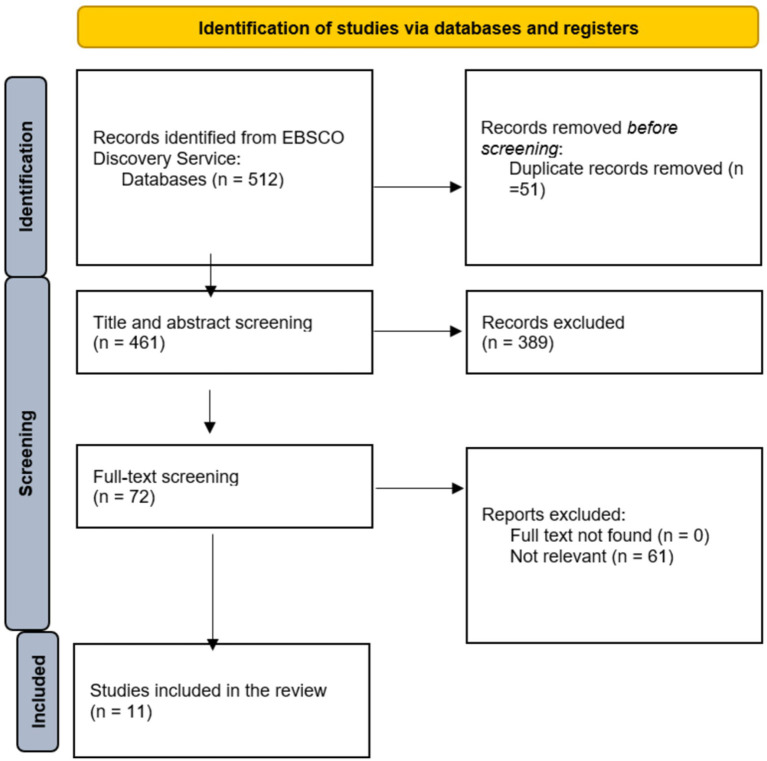
We conducted a systematic literature review using the EBSCO Discovery Service Search Engine. Our method followed the Preferred Reporting Items for Systematic Reviews and Meta-Analyses (PRISMA) guidelines.
Out of the initially examined 512 publications, 11 papers were included in our final sample. Original empirical research published in a peer-reviewed journal, papers focusing on participants age below 25 years and exploring factors influencing dropout determined by any levels of Bronfenbrenner's model were analyzed. Results showed that gender differences were extensively examined and did, in fact, contribute to dropout ratios, while socio-cultural and ethnic backgrounds were largely disregarded in most studies. From presented individual psychological factors perception of ability and success, enjoyment, sports satisfaction and life satisfaction all protected against dropout.
Achievement, goal, social and win orientation emerged as positive predictors of sport persistence in many studies, along with motivation and commitment. Many non-psychological factors were also mentioned. Sports requiring more training may lead to increased dropout rates, just as well as the lack of knowledge acquisition and competitiveness. Lastly, social environment and status also often play a significant role in dropout. Individuals with more resourceful socio-economical background find it easier to keep up the pace and have the opportunity to participate in more wealth-consuming sports. Social support received from the family and peers is a very strong preventive factor against dropout and both the personality and leadership of the coach were mentioned in multiple studies. A lack of methodological diversity, paired with the presence of only cross-sectional studies fulfilling the inclusivity criteria raises attention to the importance of examining underrepresented factors and the need for longitudinal research on the topic.
https://inplasy.com/inplasy-2024-11-0015/, INPLASY2024110015.
多项研究强调了青少年体育运动对身体、心理和社会健康的积极影响,这进一步加强了对运动员退出原因的调查。作为青少年体育运动中最突出的难题之一,防止运动员退出至关重要,因此探索哪些因素在这一过程中起重要作用很重要。本研究的目的是确定与运动坚持和退出相关的障碍和挑战。
我们使用EBSCO发现服务搜索引擎进行了系统的文献综述。我们的方法遵循系统评价和Meta分析的首选报告项目(PRISMA)指南。
在最初审查的512篇出版物中,11篇论文被纳入我们的最终样本。分析了在同行评审期刊上发表的原创实证研究、关注25岁以下参与者且探讨由任何水平的布朗芬布伦纳模型所确定的影响退出因素的论文。结果表明,性别差异得到了广泛研究,事实上也确实导致了退出率的差异,而在大多数研究中,社会文化和种族背景在很大程度上被忽视了。从所呈现的个体心理因素来看,能力感知、成功、享受、运动满意度和生活满意度都能防止退出。
在许多研究中,成就、目标、社会和获胜取向以及动机和投入都被视为运动坚持的积极预测因素。还提到了许多非心理因素。需要更多训练的运动项目可能会导致退出率上升,知识获取不足和缺乏竞争力也是如此。最后,社会环境和地位在退出方面也常常起着重要作用。社会经济背景更丰富的个体更容易跟上节奏,并有机会参与更耗费财力的运动。来自家庭和同伴的社会支持是防止退出的一个非常有力的因素,多项研究都提到了教练的个性和领导力。方法缺乏多样性,再加上仅有符合纳入标准的横断面研究,这凸显了研究未充分代表因素的重要性以及对该主题进行纵向研究的必要性。