Jovel David R, Cabrera Janice D, Walker Mitchell L R
Georgia Institute of Technology, Atlanta, GA 30332 USA.
School of Aerospace Engineering, Atlanta, USA.
J Elect Propuls. 2024;3(1):35. doi: 10.1007/s44205-024-00097-8. Epub 2024 Dec 30.
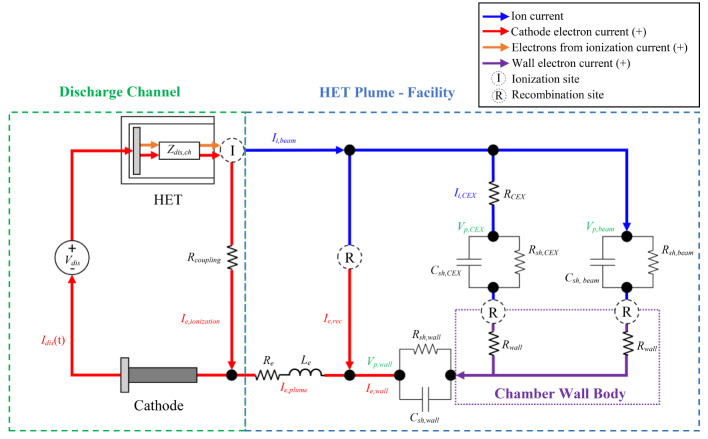
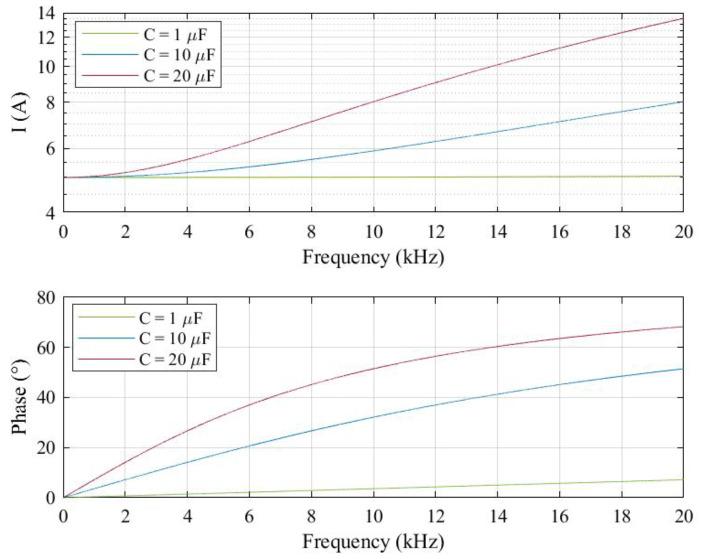
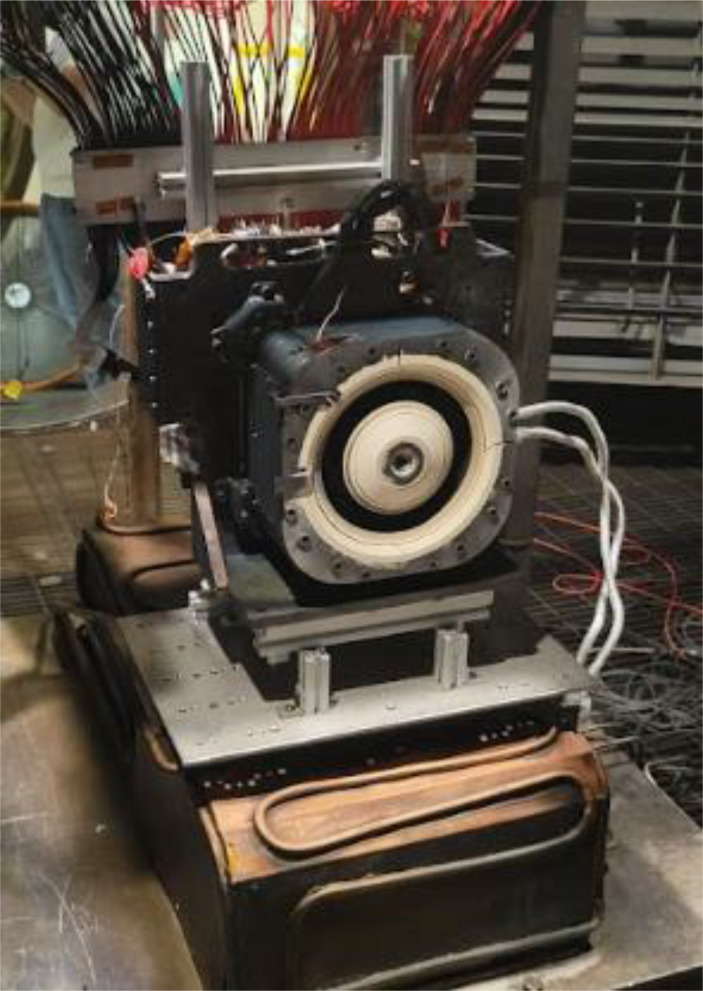
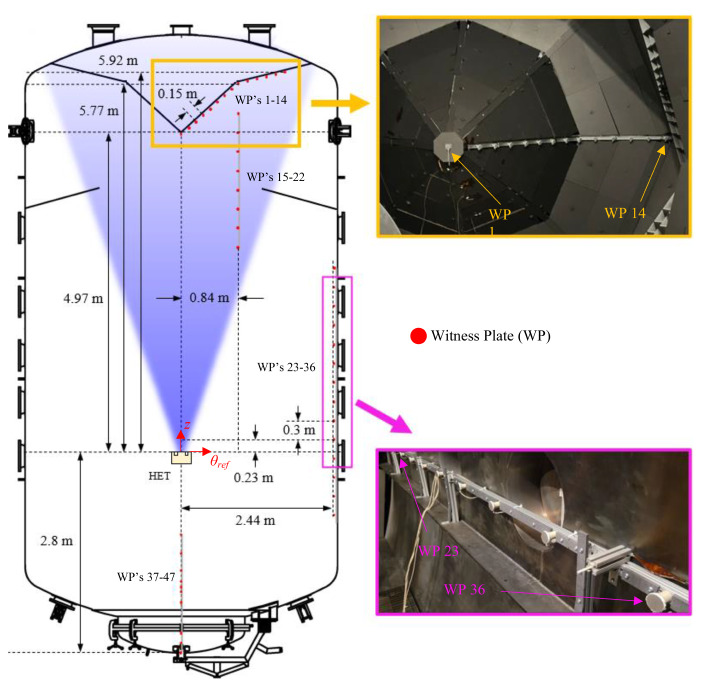
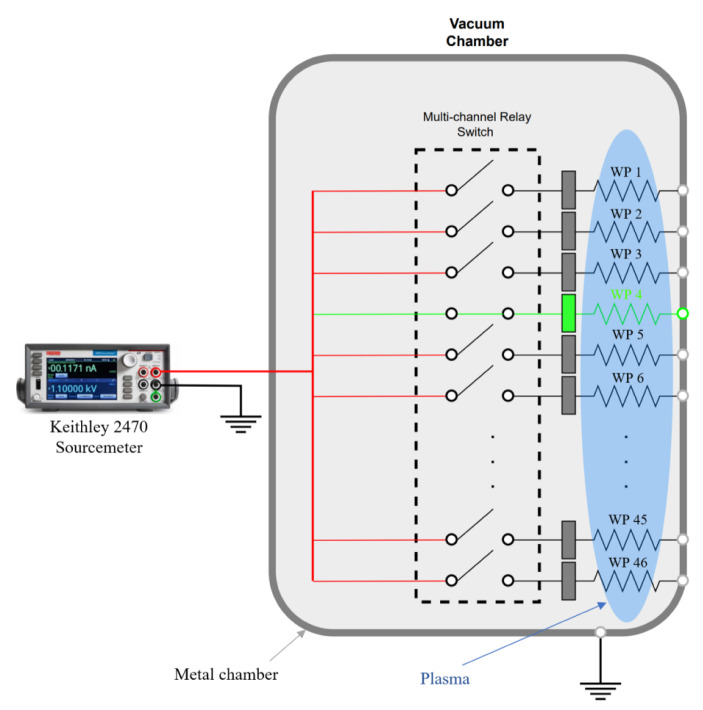
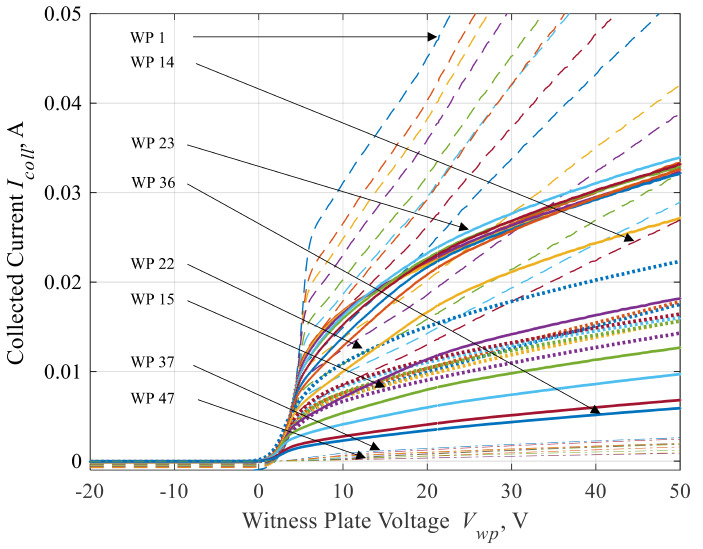
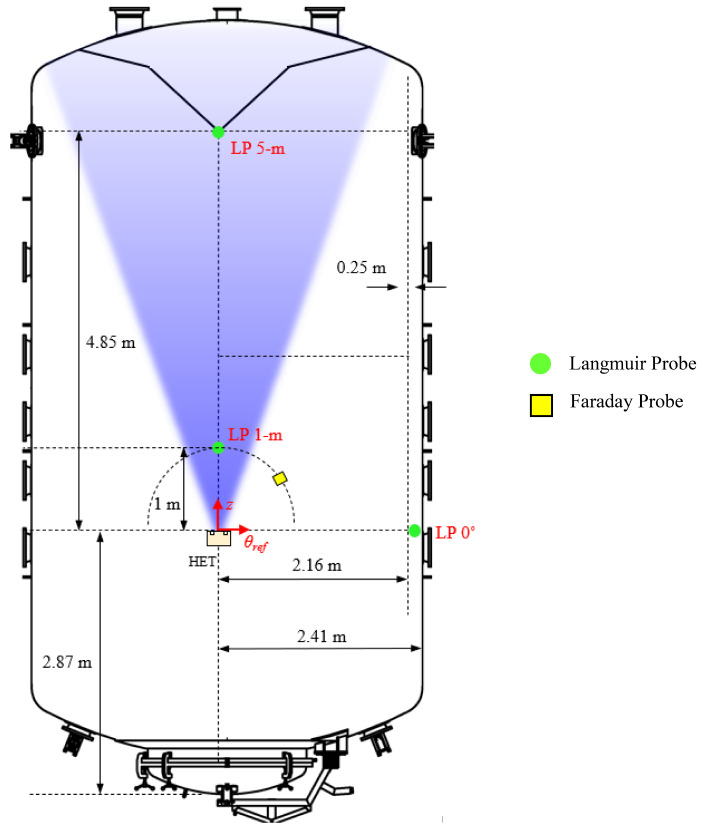
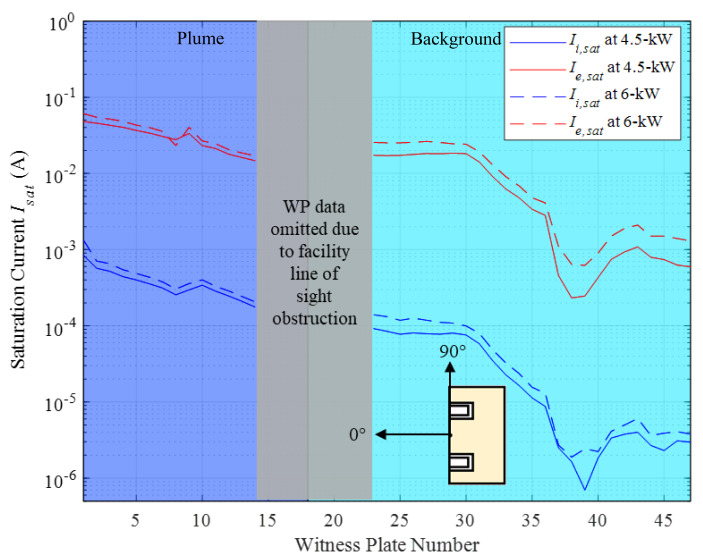
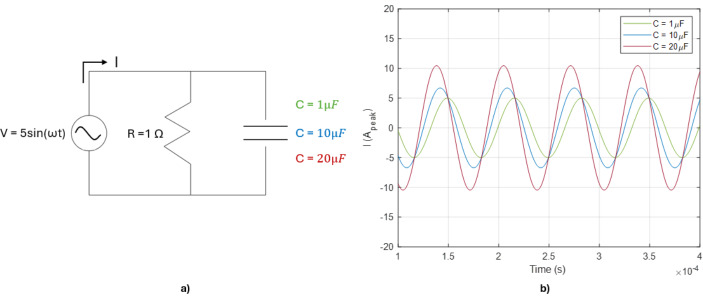
A previous companion paper introduced a current pathways model that represents the electrical coupling between the Hall effect thruster (HET) and the ground-based vacuum test facility operational environment. In this work, we operated a 7-kW class HET at 4.5 kW, 15 A and 6 kW, 20 A on krypton to quantify aspects of the current pathways model to characterize the role metal vacuum chambers play in the thruster's discharge circuit as a function of discharge current. During HET operation, far-field ion and electron saturation currents at 47 near-facility wall locations were measured using an array of 5.08 cm diameter, stainless-steel planar electrodes. In addition, the plasma properties at three distinct locations within the facility, 25 cm from the facility wall, were obtained using Langmuir probes. Experimental results show that thruster beam ions do not readily neutralize with cathode electrons and instead neutralize with the free electrons provided by the metallic chamber wall. In addition, significant charge-exchange (CEX) ion current was measured in the background plasma environment and constituted about 23% of the total ion current measured by the planar electrode array. Thus, the metallic vacuum chamber surfaces facilitate charge neutralization for both ion populations. Additionally, the plasma environment near the facility walls was characterized to be non-uniform with an estimated plasma sheath capacitance ranging between 0.45 F and 1.79 F. Further analysis shows that the plasma sheath at the facility wall behaves like a parallel RC circuit, potentially concealing the thruster's AC characteristics. Inherent plasma oscillations give rise to inductive effects with inductances that varied between 76.5 nH and 101.4 nH. Hence, the dynamic characteristics of the HET's discharge are influenced by the capacitive and inductive effects introduced by the vacuum test facility operational environment.
之前的一篇配套论文介绍了一种电流路径模型,该模型描述了霍尔效应推进器(HET)与地面真空测试设施运行环境之间的电耦合。在这项工作中,我们在氪气环境下,以4.5千瓦、15安培和6千瓦、20安培的功率运行一台7千瓦级的HET,以量化电流路径模型的各个方面,从而表征金属真空室在推进器放电电路中作为放电电流函数所起的作用。在HET运行期间,使用直径为5.08厘米的不锈钢平面电极阵列,测量了47个靠近设施壁位置处的远场离子和电子饱和电流。此外,使用朗缪尔探针获得了设施内三个不同位置(距离设施壁25厘米)处的等离子体特性。实验结果表明,推进器束离子不容易与阴极电子中和,而是与金属腔壁提供的自由电子中和。此外,在背景等离子体环境中测量到了显著的电荷交换(CEX)离子电流,其约占平面电极阵列测量的总离子电流的23%。因此,金属真空室表面促进了两种离子群体的电荷中和。此外,设施壁附近的等离子体环境被表征为不均匀,估计等离子体鞘层电容在0.45法拉和1.79法拉之间。进一步分析表明,设施壁处的等离子体鞘层表现得像一个并联RC电路,可能会掩盖推进器的交流特性。固有的等离子体振荡会产生电感效应,电感值在76.5纳亨和101.4纳亨之间变化。因此,HET放电的动态特性受到真空测试设施运行环境引入的电容和电感效应的影响。