Li Hui, Yang Jun, Kuang Su-Fang, Fu Huan-Zhe, Lin Hui-Yin, Peng Bo
State Key Laboratory of Biocontrol, School of Life Sciences, Guangdong Province Key Laboratory for Pharmaceutical Functional Genes, Southern Marine Science and Engineering Guangdong Laboratory (Zhuhai), Sun Yat-sen University, Guangzhou, China.
Laboratory for Marine Biology and Biotechnology, Marine Fisheries Science and Food Production Processes, Qingdao Marine Science and Technology Center, Qingdao, China.
Elife. 2025 Jan 2;13:RP100427. doi: 10.7554/eLife.100427.
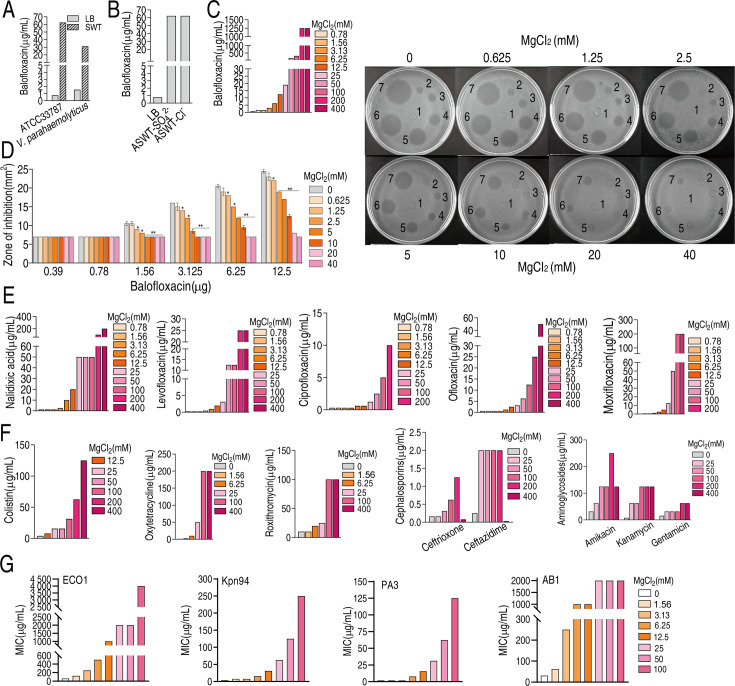
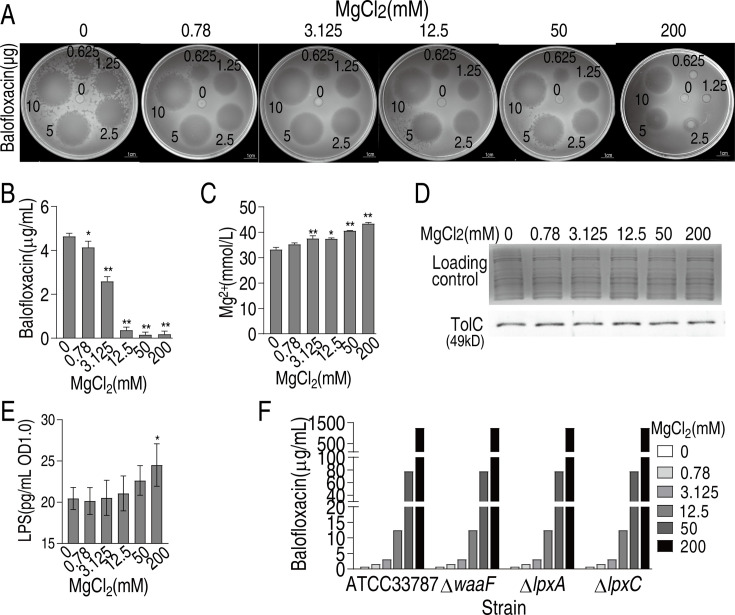
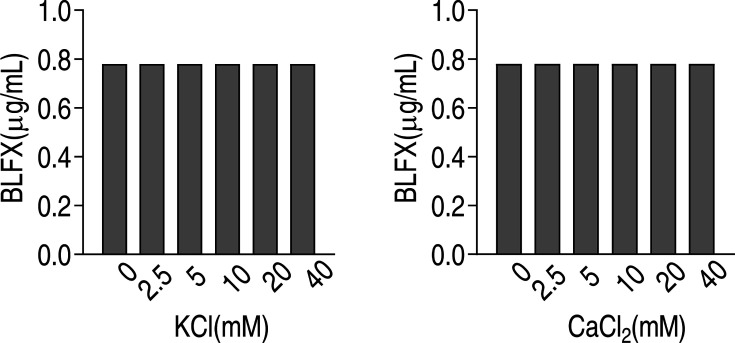
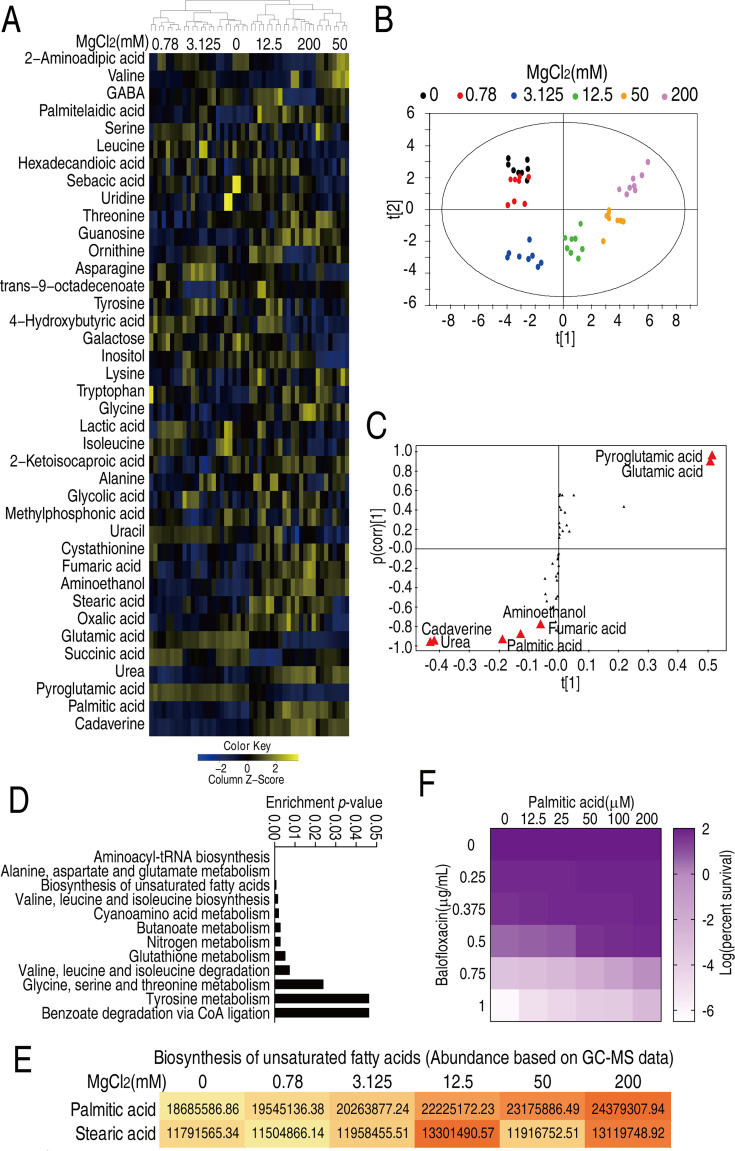
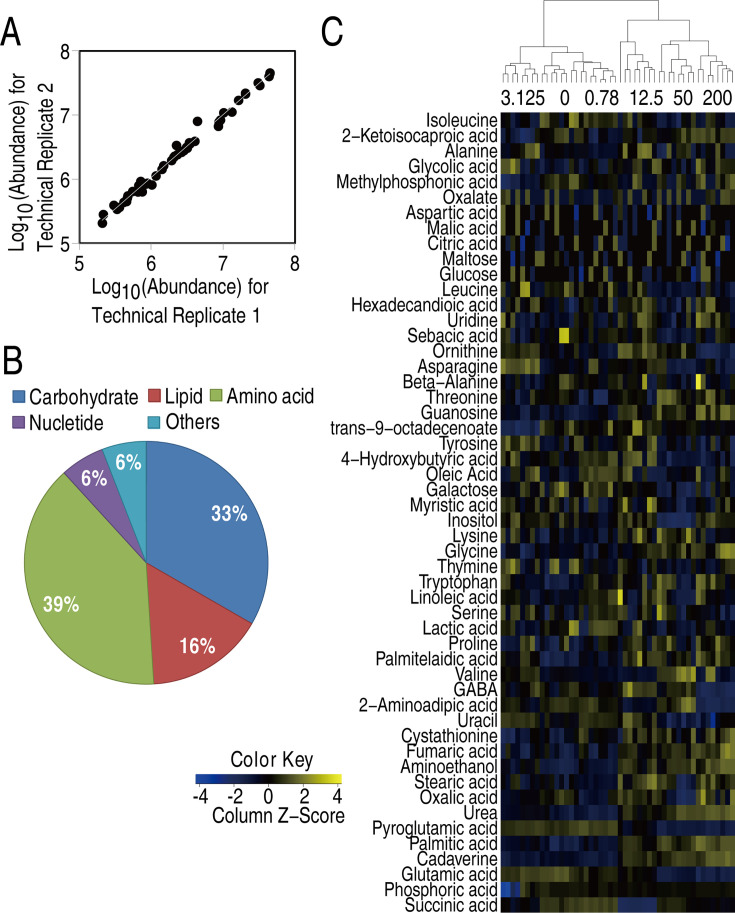
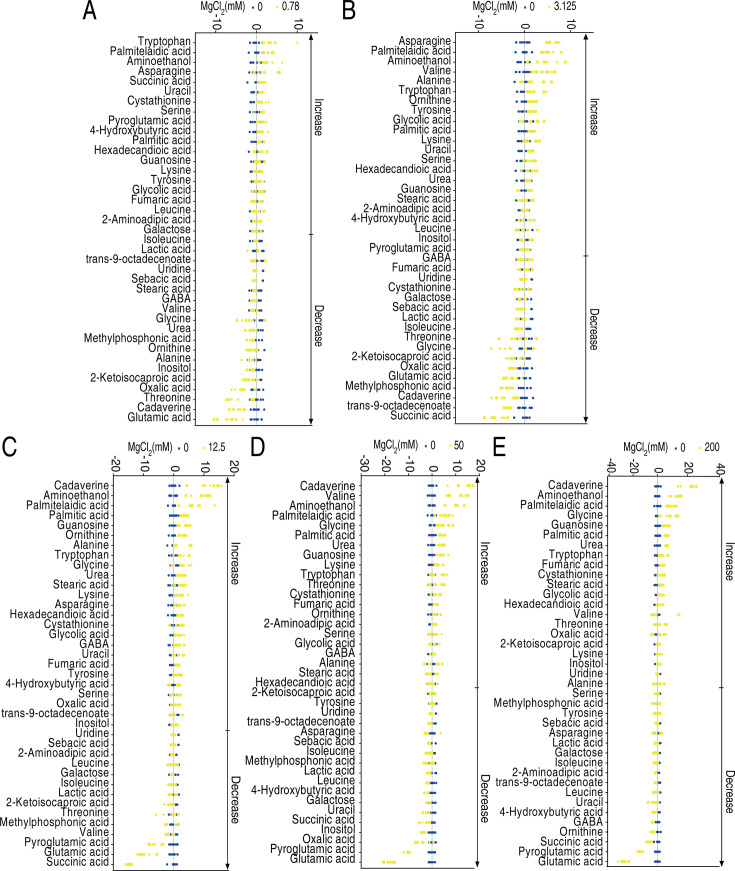
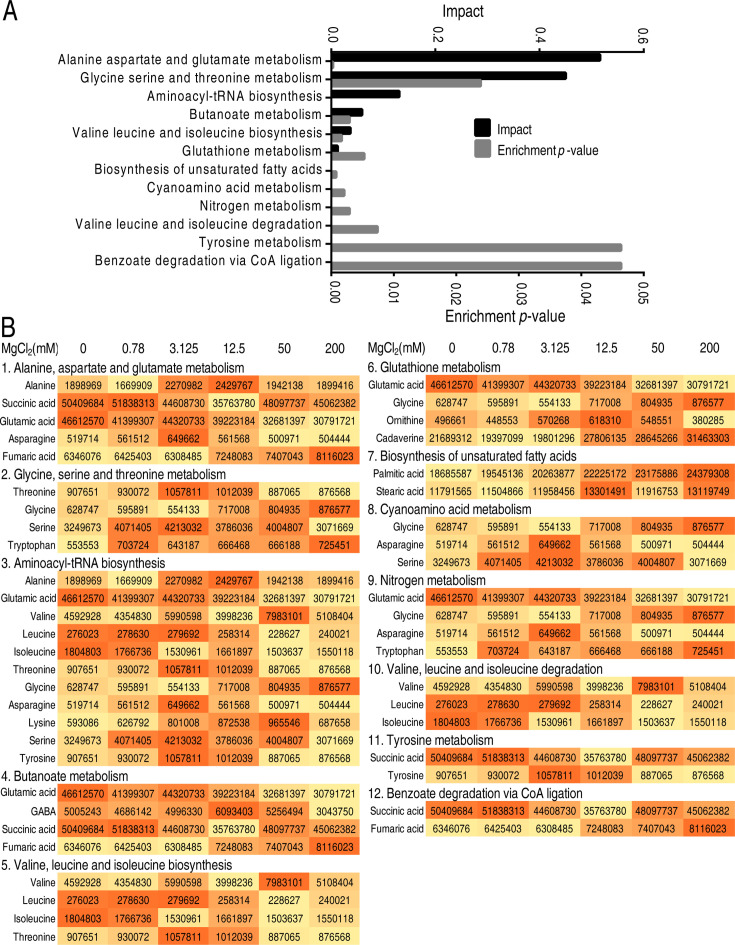
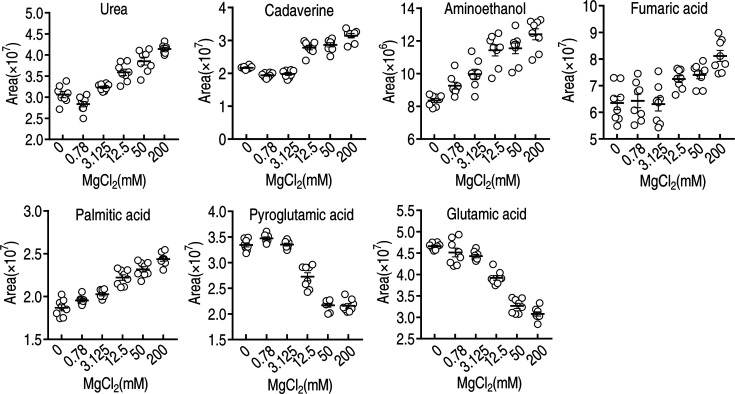
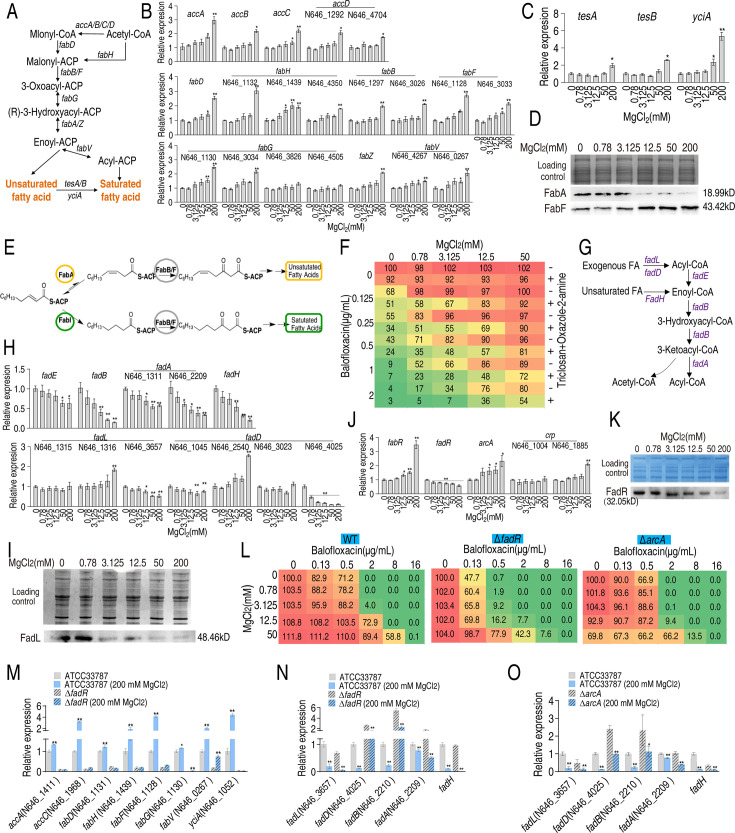
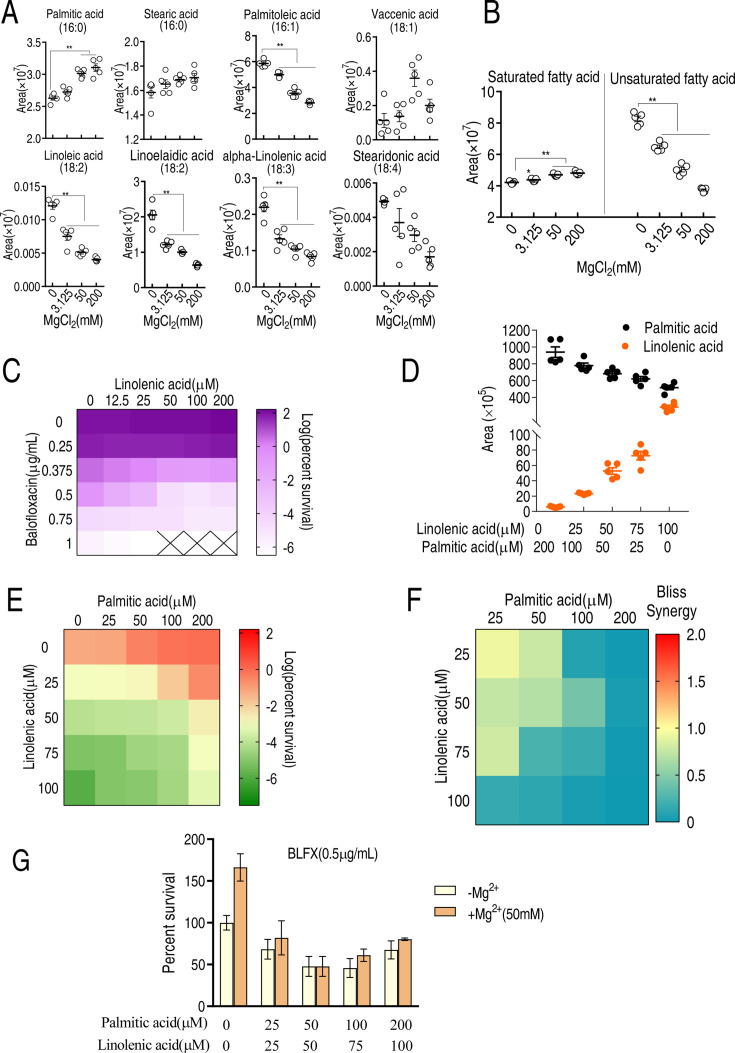
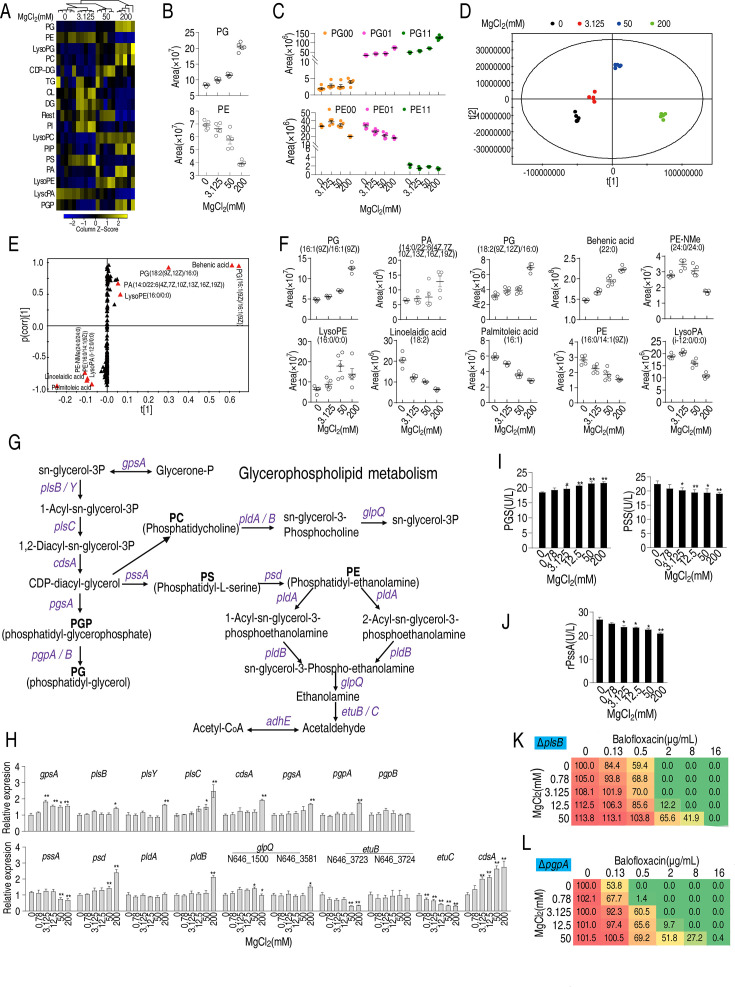
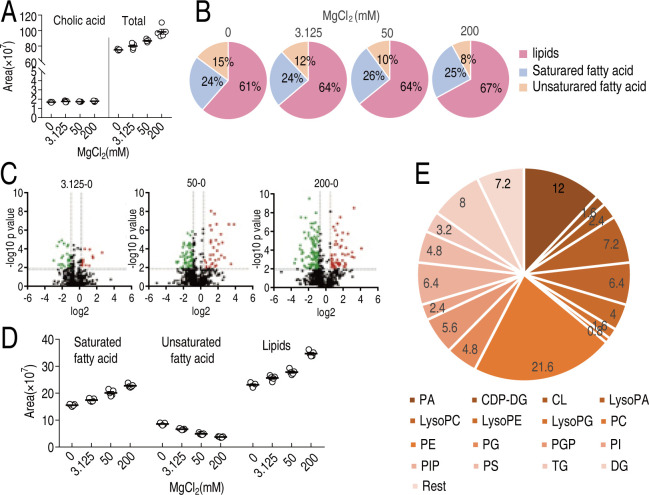
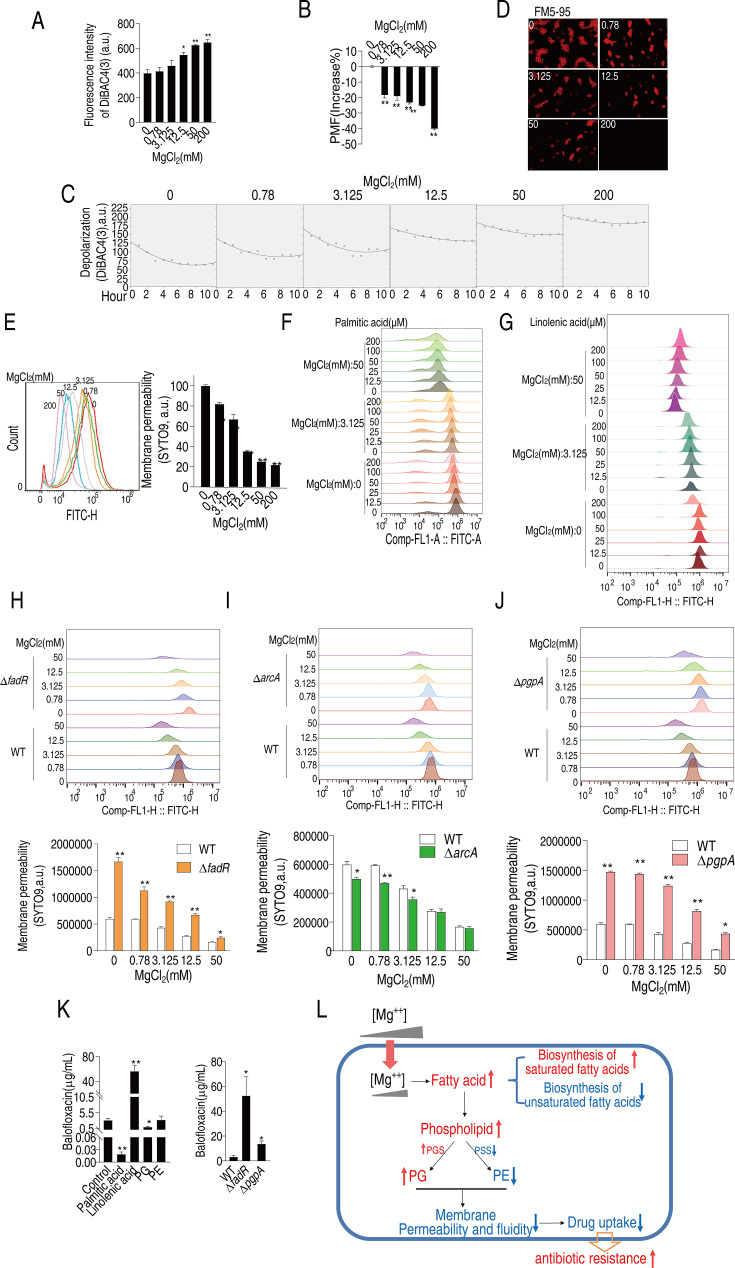
Non-inheritable antibiotic or phenotypic resistance ensures bacterial survival during antibiotic treatment. However, exogenous factors promoting phenotypic resistance are poorly defined. Here, we demonstrate that are recalcitrant to killing by a broad spectrum of antibiotics under high magnesium. Functional metabolomics demonstrated that magnesium modulates fatty acid biosynthesis by increasing saturated fatty acid biosynthesis while decreasing unsaturated fatty acid production. Exogenous supplementation of unsaturated and saturated fatty acids increased and decreased bacterial susceptibility to antibiotics, respectively, confirming the role of fatty acids in antibiotic resistance. Functional lipidomics revealed that glycerophospholipid metabolism is the major metabolic pathway remodeled by magnesium, where phosphatidylethanolamine biosynthesis is reduced and phosphatidylglycerol production is increased. This process alters membrane composition, increasing membrane polarization, and decreasing permeability and fluidity, thereby reducing antibiotic uptake by . These findings suggest the presence of a previously unrecognized metabolic mechanism by which bacteria escape antibiotic killing through the use of an environmental factor.
非遗传性抗生素耐药或表型耐药可确保细菌在抗生素治疗期间存活。然而,促进表型耐药的外源性因素尚不清楚。在此,我们证明,在高镁环境下,细菌对多种抗生素具有抗性,难以被杀死。功能代谢组学表明,镁通过增加饱和脂肪酸生物合成同时减少不饱和脂肪酸生成来调节脂肪酸生物合成。分别外源性补充不饱和脂肪酸和饱和脂肪酸会增加和降低细菌对抗生素的敏感性,证实了脂肪酸在抗生素耐药性中的作用。功能脂质组学揭示,甘油磷脂代谢是镁重塑的主要代谢途径,其中磷脂酰乙醇胺生物合成减少,磷脂酰甘油生成增加。这一过程改变了膜组成,增加了膜极化,降低了通透性和流动性,从而减少了细菌对抗生素的摄取。这些发现表明存在一种以前未被认识的代谢机制,细菌通过利用环境因素逃避抗生素杀伤。