Zhang Yuchun, Liu Xinyu, Tan Rui, Hou Wei, Chen Longfei, Xing Shaoshuai, Li Zhisheng, Guo Yunhai, Han Xiaoqing
Department of Fire Protection Engineering, Southwest Jiaotong University, Chengdu, 610031, China.
Key Laboratory of Transportation Tunnel Engineering, Ministry of Education, Southwest Jiaotong University, Chengdu, 610031, China.
Sci Rep. 2025 Jan 2;15(1):280. doi: 10.1038/s41598-024-79576-9.
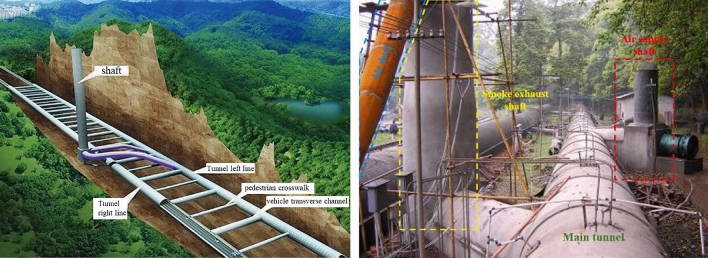
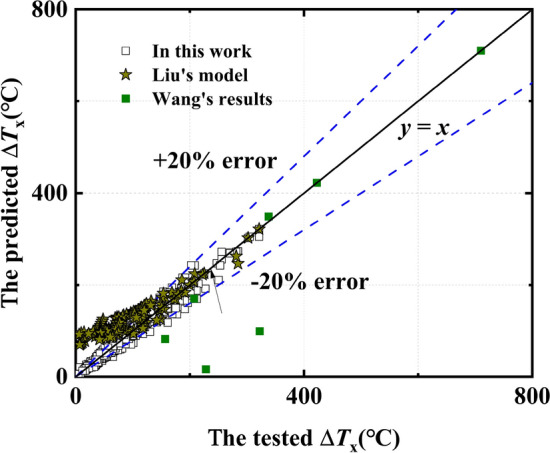
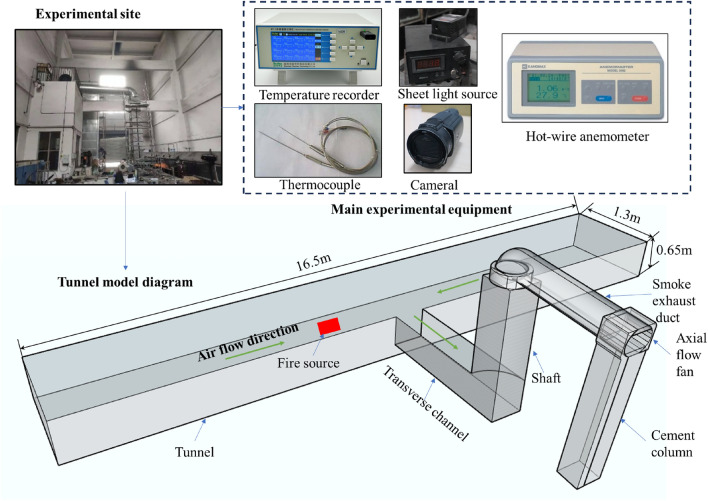
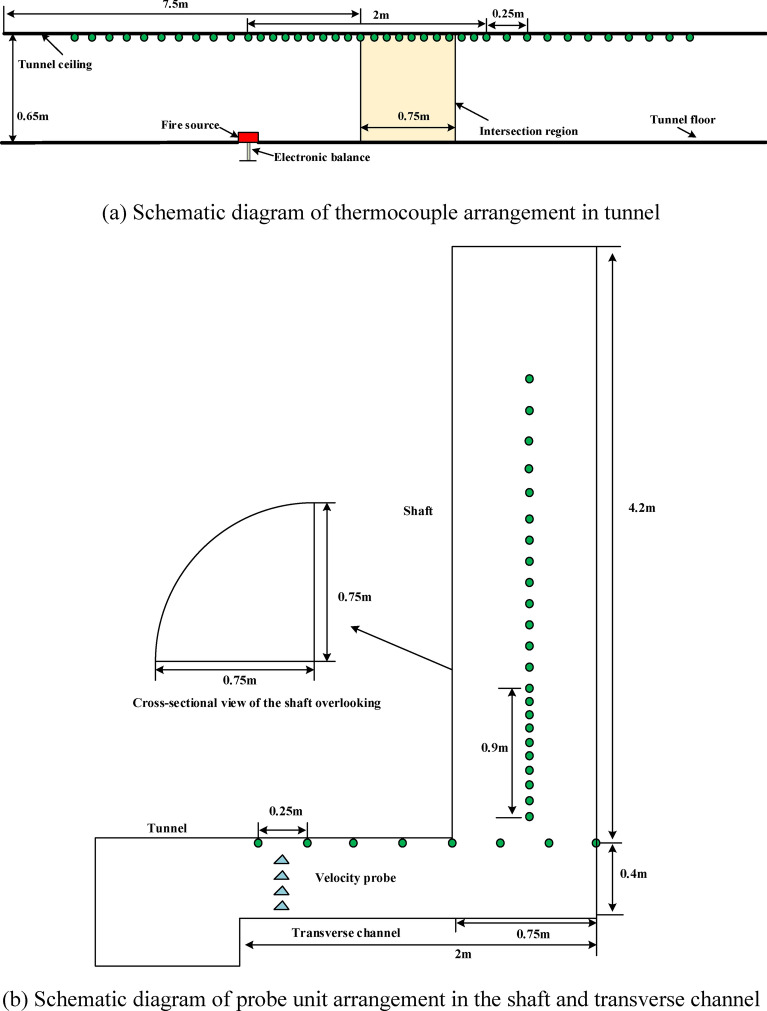
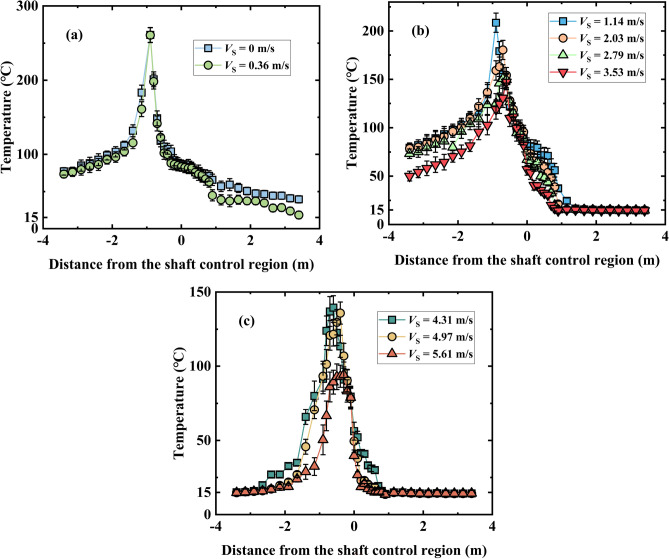
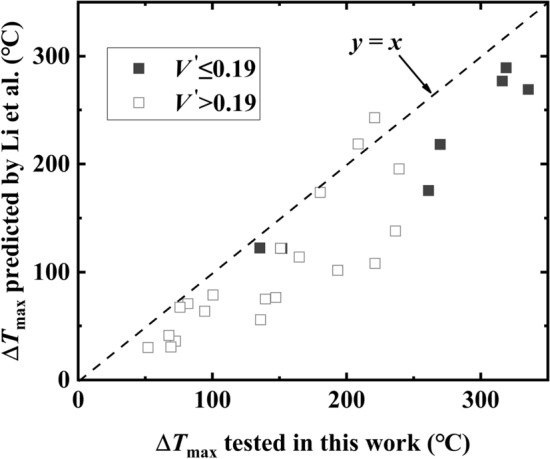
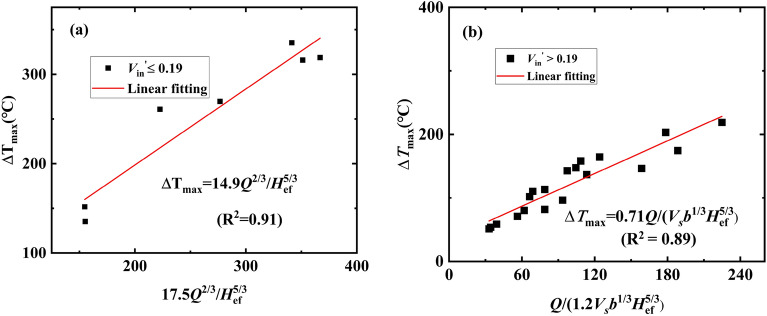
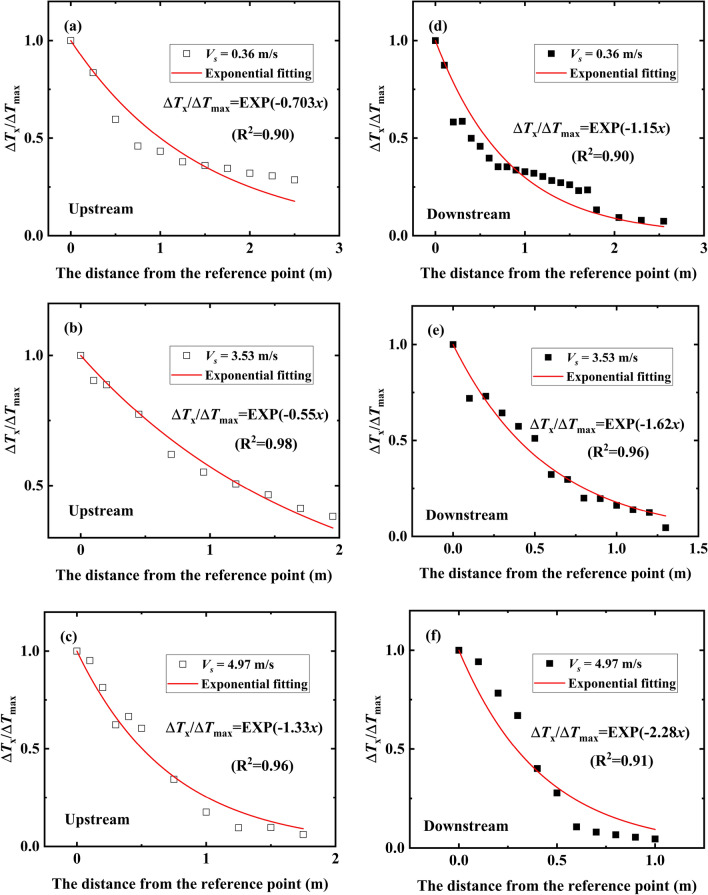
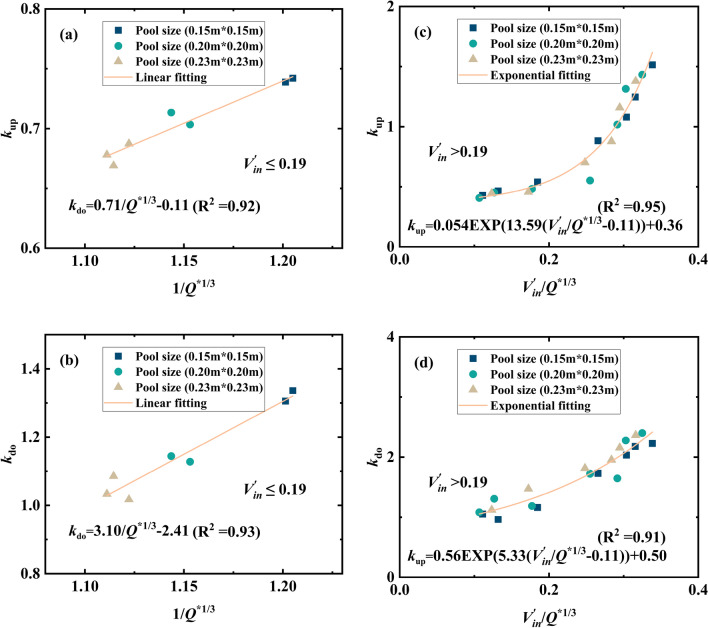
A series of fire experiments in a 1/10 scale model tunnel with a lateral open shaft were conducted. Analysis was performed to explore the maximum excess temperature and longitudinal temperature decay under the influence of a mechanical exhaust system with a lateral open shaft. Three different pool sizes and numerous extraction rates were considered. The experimental results yielded intriguing insights into the correlations between the rate of smoke extraction and the ceiling temperature. The variations in the temperature distribution of ceiling smoke upstream and downstream the fire source is different under the induced longitudinal velocity, especially for the near the fire source area. An analysis of the maximum excess temperature was conducted by inducing the heat loss coefficient δ. It is 0.85 (0.71) for the induced dimensionless longitudinal velocity [Formula: see text] [Formula: see text], which indicates the effect of a large velocity on the smoke heat loss. Then, a modified model of the maximum excess temperature was given for a tunnel utilizing lateral open shaft smoke extraction. In addition, a simple model was proposed to capture ceiling temperature decay, where the decay coefficients [Formula: see text] upstream and downstream of the fire source are proportional to [Formula: see text]([Formula: see text]) for [Formula: see text][Formula: see text]. The research results have certain guiding significance for the arrangement of fire protection, fire monitoring and early warning devices in mountain tunnels.
在一个带有侧向竖井的1/10比例模型隧道中进行了一系列火灾实验。进行分析以探究在带有侧向竖井的机械排烟系统影响下的最大过余温度和纵向温度衰减。考虑了三种不同的火源池尺寸和多种排烟速率。实验结果对排烟速率与顶棚温度之间的相关性给出了有趣的见解。在诱导纵向风速作用下,火源上游和下游顶棚烟气温度分布的变化有所不同,尤其是在火源附近区域。通过引入热损失系数δ对最大过余温度进行了分析。对于诱导无量纲纵向风速[公式:见原文][公式:见原文],其值为0.85(0.71),这表明较大风速对烟气热损失的影响。然后,给出了一个利用侧向竖井排烟的隧道最大过余温度修正模型。此外,还提出了一个简单模型来描述顶棚温度衰减,其中火源上游和下游的衰减系数[公式:见原文]与公式:见原文成正比,对于[公式:见原文][公式:见原文]。研究结果对山区隧道消防、火灾监测及预警装置的布置具有一定的指导意义。