Wang Ziyin, Zhong Miko, Thomas Chubicka, Kinnear Ekaterina, Rice Tom, Holder Beth, Kampmann Beate, Tregoning John S
Department of Infectious Disease, Imperial College London, London, SW7 2AZ UK.
Department of Metabolism, Digestion and Reproduction, Imperial College London, London, W12 0NN UK.
Npj Viruses. 2024 Dec 31;2(1):71. doi: 10.1038/s44298-024-00073-x. eCollection 2024 Dec.
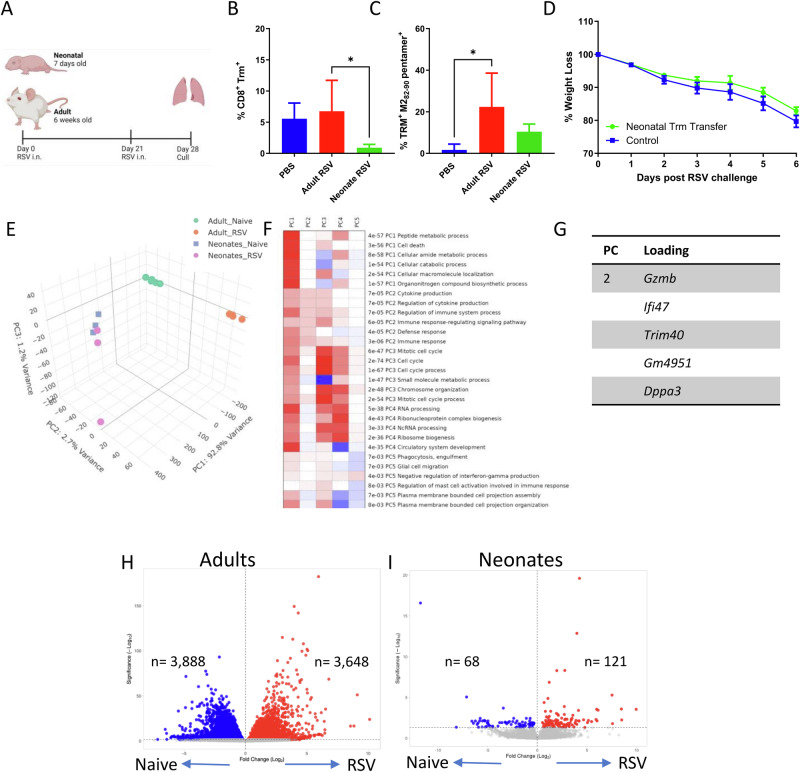
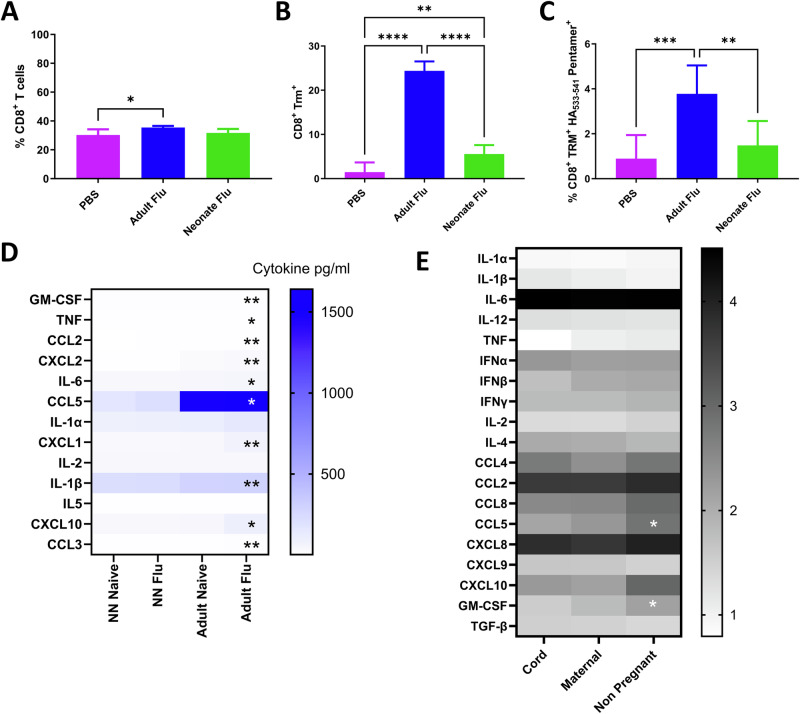
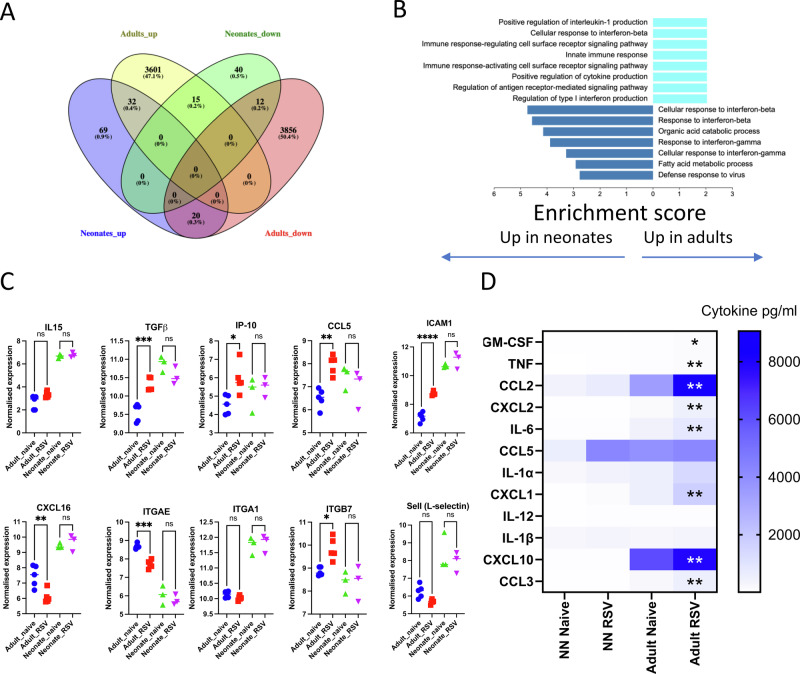
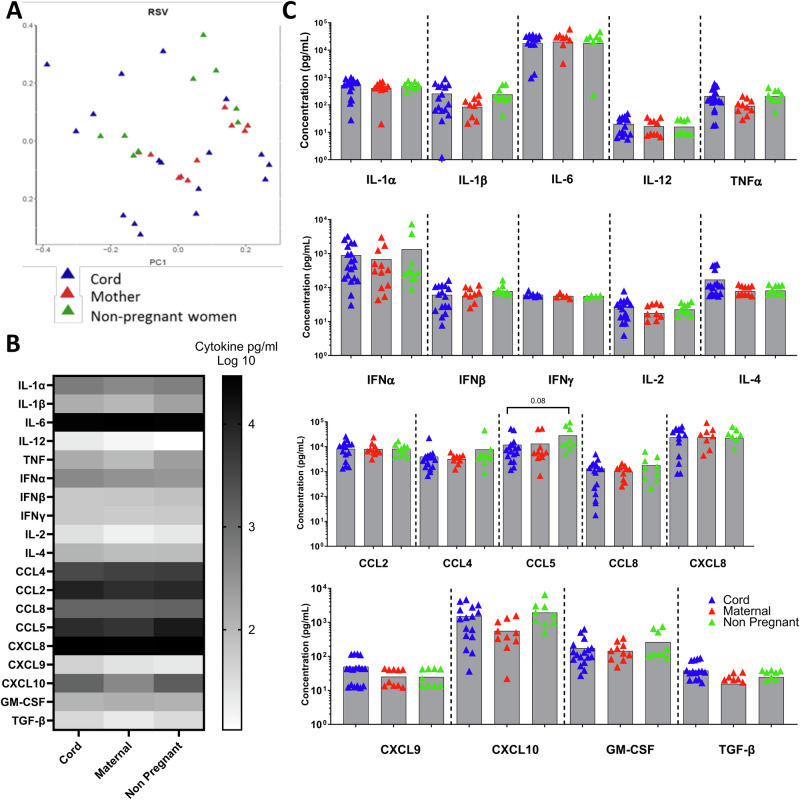
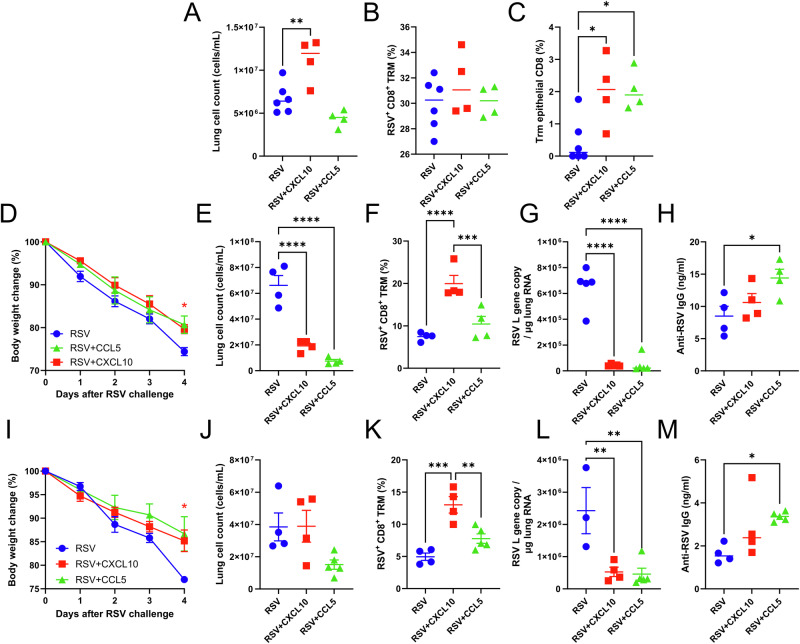
Maternal immunisation against respiratory viruses provides protection in early life, but as antibodies wane, there can be a gap in coverage. This immunity gap might be filled by inducing pathogen-specific lung tissue-resident T cells (TRM). However, the neonatal mouse lung has a different inflammatory environment to the adult lung which affects T cell recruitment. We compared the factors affecting viral-specific TRM recruitment in the lungs of adult or neonatal mice. In contrast to adulthood, we demonstrated that RSV or influenza infection in neonatal mice recruited fewer TRM to the lungs. This was associated with reduced lung levels of CCL5 and CXCL10. Co-administration of CCL5 or CXCL10 at the time of primary T cell activation significantly increased RSV-specific TRM in the lung, protecting mice upon reinfection. These chemokine differences were reflected in responses to infection in human cord blood. Here we show a critical role for CCL5 and CXCL10 in the induction of lung TRM and a possible strategy for boosting responses.
母体针对呼吸道病毒的免疫接种可在生命早期提供保护,但随着抗体逐渐减少,可能会出现保护覆盖缺口。这种免疫缺口或许可通过诱导病原体特异性肺组织驻留T细胞(TRM)来填补。然而,新生小鼠肺的炎症环境与成年肺不同,这会影响T细胞募集。我们比较了影响成年或新生小鼠肺中病毒特异性TRM募集的因素。与成年期不同,我们发现新生小鼠感染呼吸道合胞病毒(RSV)或流感后,肺中募集的TRM较少。这与肺中CCL5和CXCL10水平降低有关。在初始T细胞激活时共同给予CCL5或CXCL10,可显著增加肺中RSV特异性TRM,使小鼠在再次感染时受到保护。这些趋化因子差异在人脐带血对感染的反应中也有体现。在此我们表明CCL5和CXCL10在诱导肺TRM中起关键作用,并且是一种增强反应的可能策略。