Yu Dinglai, Guo Fang, Zhang Qiyu, Yu Huajun, Wang Wenmin, Chen Yunzhi
Department of Hepatobiliary Pancreatic Surgery, First Affiliated Hospital of Wenzhou Medical University, Wenzhou, China.
Department of Gynecology, Wenzhou People's Hospital, Wenzhou, China.
Front Pharmacol. 2024 Dec 19;15:1498528. doi: 10.3389/fphar.2024.1498528. eCollection 2024.
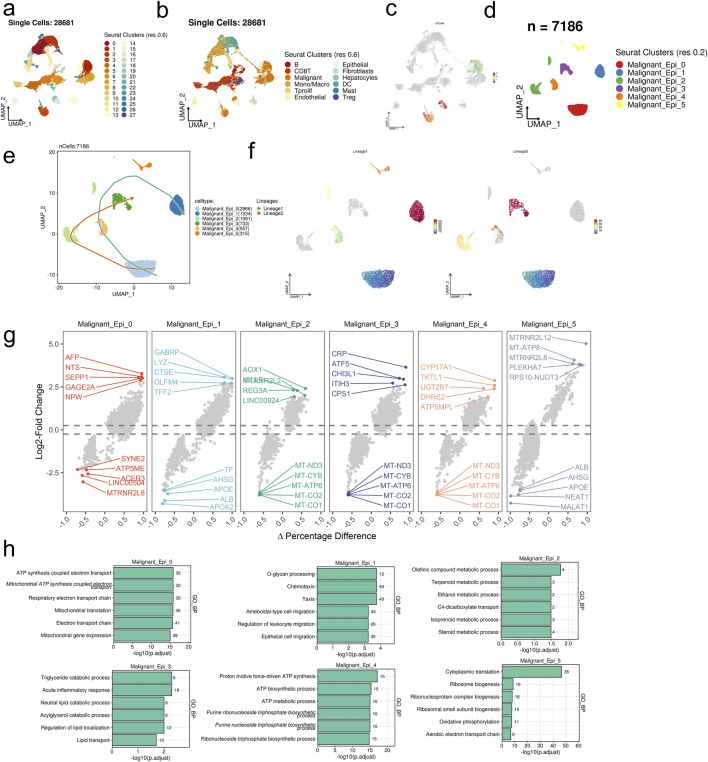
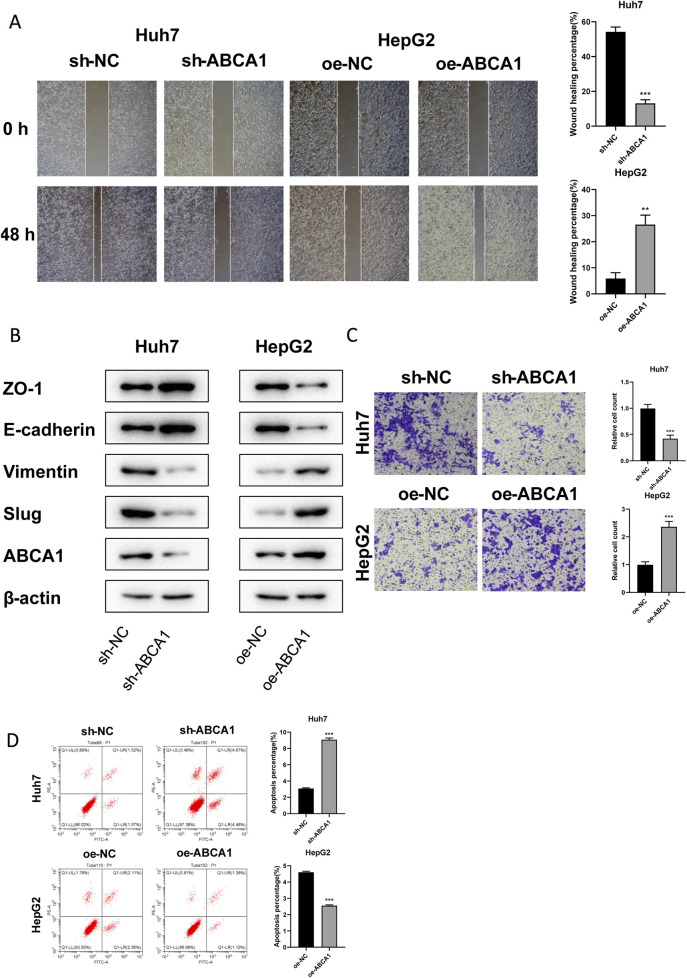
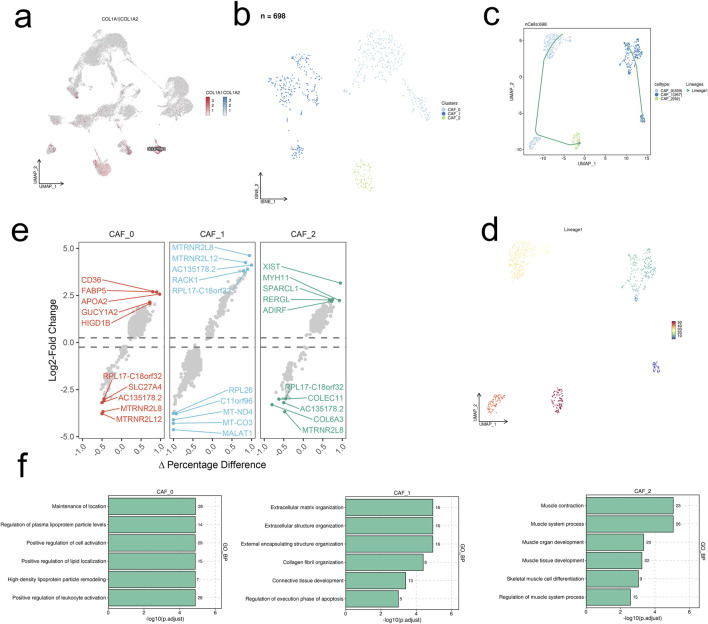
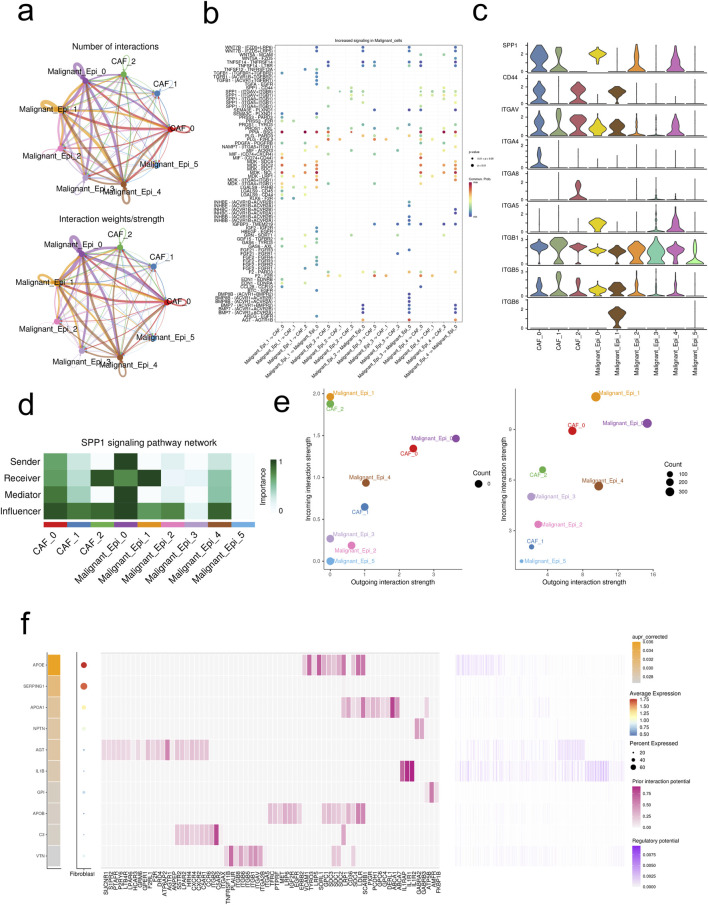
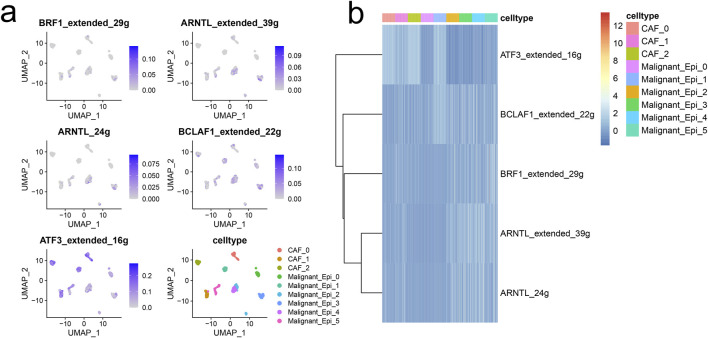
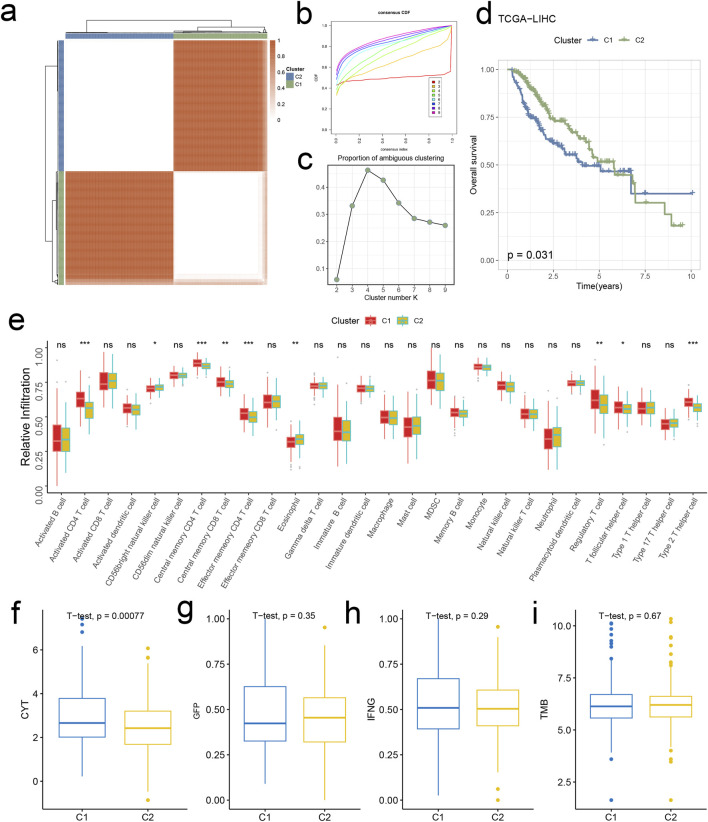
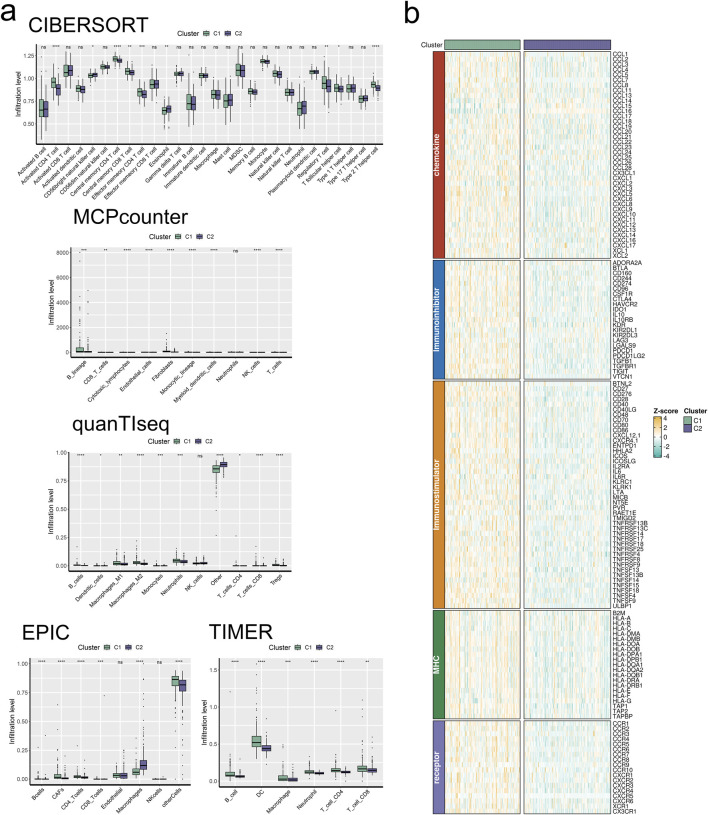
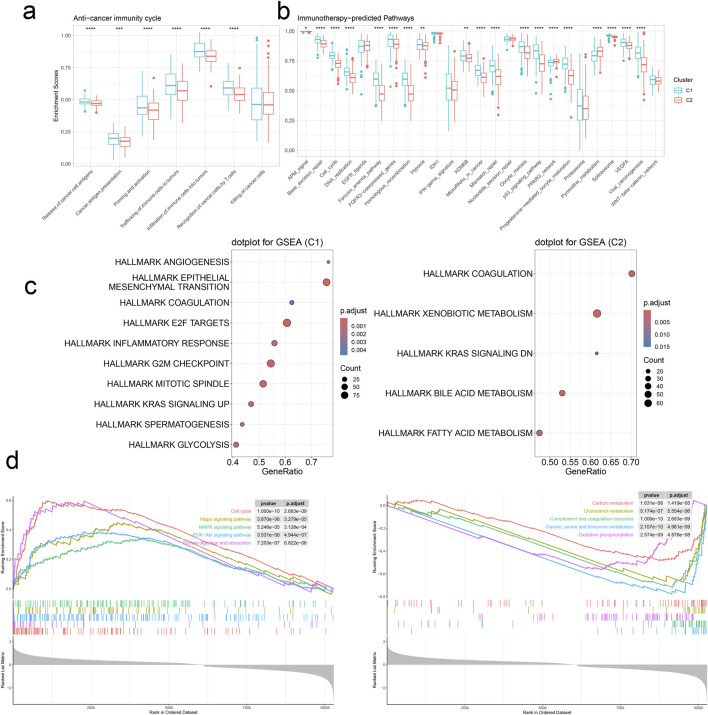
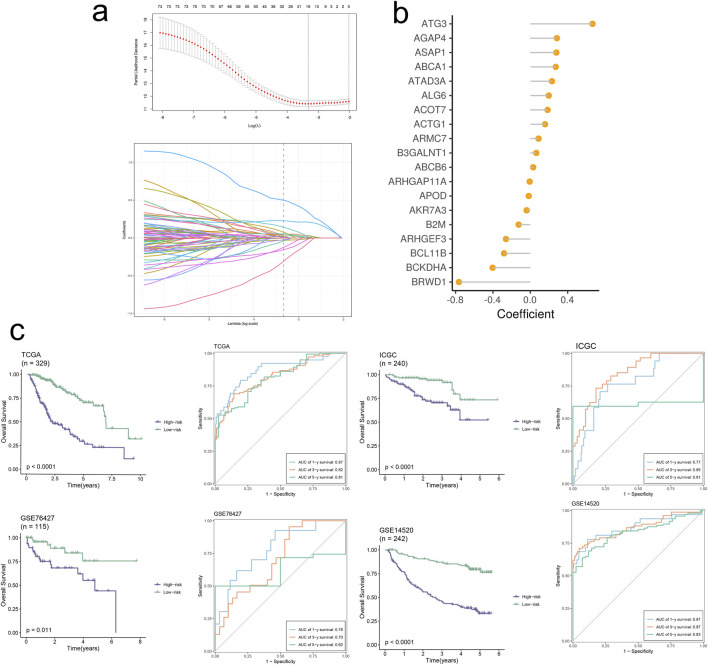
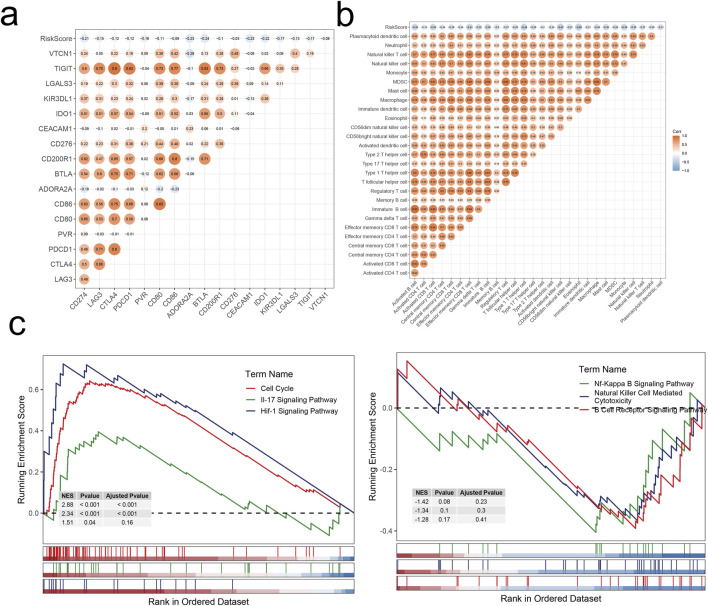
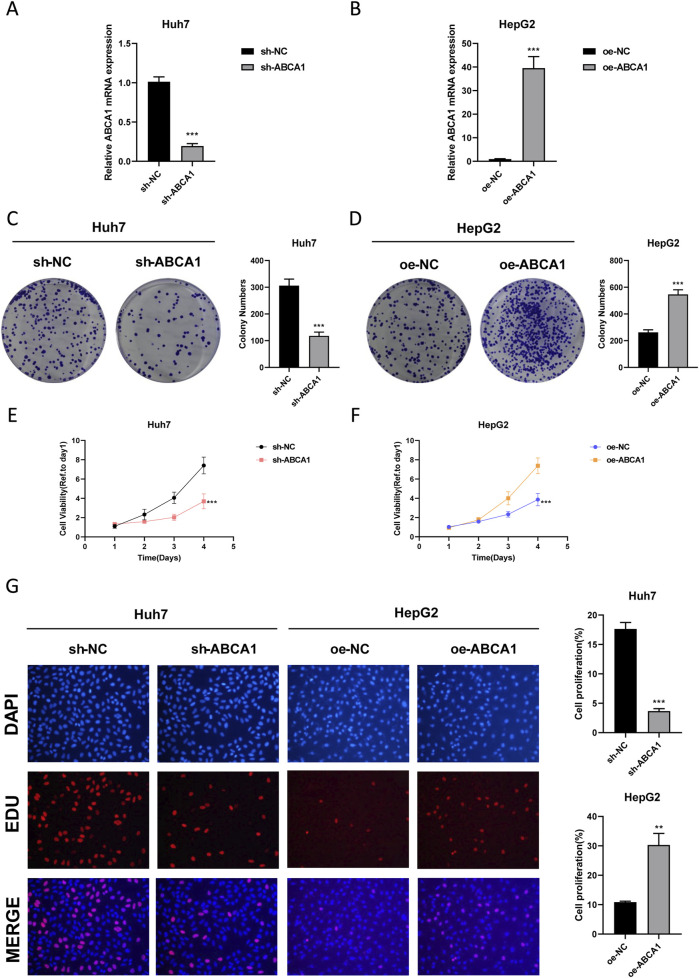
In this study, we delve into the intrinsic mechanisms of cell communication in hepatocellular carcinoma (HCC). Initially, employing single-cell sequencing, we analyze multiple malignant cell subpopulations and cancer-associated fibroblast (CAF) subpopulations, revealing their interplay through receptor-ligand interactions, with a particular focus on SPP1. Subsequently, employing unsupervised clustering analysis, we delineate two clusters, C1 and C2, and compare their infiltration characteristics using various tools and metrics, uncovering heightened cytotoxicity and overall invasion abundance in C1. Furthermore, our gene risk scoring model indicates heightened activity of the immune therapeutic pathway in C1. Lastly, employing a formulated scoring system, we stratify patients into high and low-risk groups, revealing notably poorer outcomes in the high-risk cohort on Kaplan-Meier curves. Risk scores exhibit a negative correlation with model genes and immune cell infiltration scores, indicating poor prognosis in the high-risk group. Further characterization elucidates the regulatory landscape of the high and low-risk groups across various signaling pathways. In addition, we used wet lab experiments to prove that ABCA1 plays a pro-oncogenic role in hepatocellular carcinoma cells by promoting proliferation, invasion, migration, and reducing apoptosis. In summary, these findings provide crucial insights, offering valuable clues and references for understanding HCC pathogenesis and patient prognosis.
在本研究中,我们深入探究肝细胞癌(HCC)中细胞通讯的内在机制。首先,通过单细胞测序,我们分析了多个恶性细胞亚群和癌症相关成纤维细胞(CAF)亚群,揭示了它们通过受体 - 配体相互作用的相互作用,特别关注SPP1。随后,通过无监督聚类分析,我们划分出两个簇,C1和C2,并使用各种工具和指标比较它们的浸润特征,发现C1中细胞毒性增强和总体侵袭丰度增加。此外,我们的基因风险评分模型表明C1中免疫治疗途径的活性增强。最后,使用制定的评分系统,我们将患者分为高风险和低风险组,Kaplan - Meier曲线显示高风险队列的预后明显较差。风险评分与模型基因和免疫细胞浸润评分呈负相关,表明高风险组预后不良。进一步的特征分析阐明了高风险和低风险组在各种信号通路中的调控格局。此外,我们通过湿实验室实验证明ABCA1通过促进增殖、侵袭、迁移和减少凋亡在肝癌细胞中发挥促癌作用。总之,这些发现提供了关键见解,为理解HCC发病机制和患者预后提供了有价值的线索和参考。