Mai Xiaoqun, Chen Xinyu, Wang Zihan, Xian Haiyu, Wen Qitao, Sun Guanyu, Wang Tao
Department of stomatology, Hainan General Hospital, Haikou, China; The Affiliated Hainan Hospital of Hainan Medical University, Haikou, Hainan, China.
College & Hospital of Stomatology, Guangxi Medical University, Nanning, Guangxi, China.
Int Dent J. 2025 Jun;75(3):2169-2181. doi: 10.1016/j.identj.2024.12.017. Epub 2025 Jan 4.
Areca nut chewing has been associated with a poor prognosis in oral squamous cell carcinoma (OSCC). This study seeks to identify differentially expressed proteins among areca nut-related OSCC,non-areca nut-related OSCC and adjacent normal epithelial tissues, with the aim of providing novel insights for the investigation of areca nut-related OSCC.
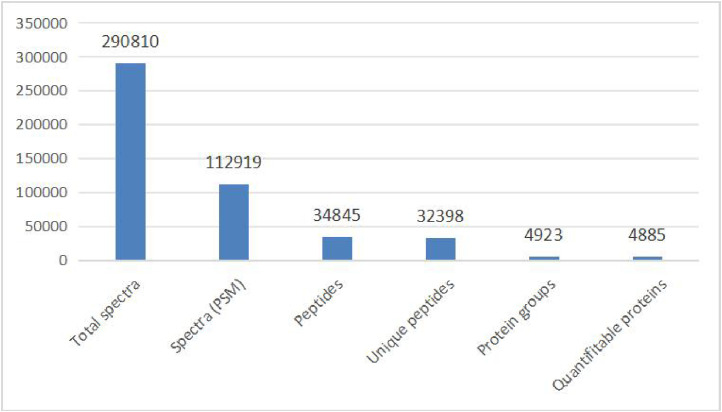
Using Tandem mass tag (TMT)-based proteomic analysis, a comparative proteomic profiling was conducted among areca nut-related OSCC, non-areca nut-related OSCC, and adjacent normal epithelial tissues (n=15). GO and KEGG enrichment analyses were then employed to identify significant proteins pertinent to the pathogenesis of OSCC for further study. Western Blot (WB) and Immunohistochemistry (IHC) techniques were used to preliminary validate the expression patterns of LZTS1, MMP10, MYH6, MB, and TNNC1 among various groups (n=30).
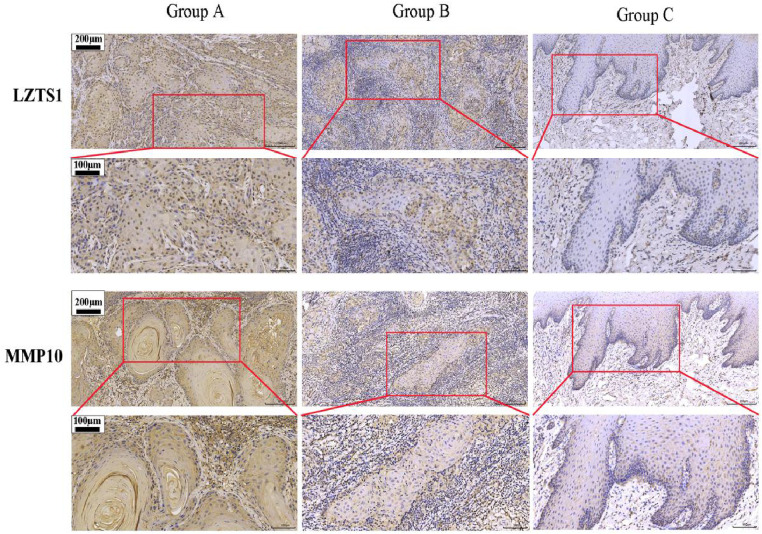
27 differentially expressed proteins were identified when comparing the areca nut-related OSCC group with both the non-areca nut-related OSCC and normal epithelial tissue groups. Among these, 15 proteins were upregulated, while 12 were downregulated. LZTS1 and MMP10 were included in the upregulated proteins, whereas MYH6, MB, and TNNC1 were downregulated. WB and IHC analyses corroborated the proteomic findings, revealing consistent expression trends for these 5 proteins across the studied groups.
LZTS1, MMP10, MYH6, MB and TNNC1 emerge as promising biomarkers for assessing disease progression, prognosis, and potential targeted therapies in areca nut-related OSCC.
嚼槟榔与口腔鳞状细胞癌(OSCC)的不良预后相关。本研究旨在鉴定与槟榔相关的OSCC、非槟榔相关的OSCC及相邻正常上皮组织中差异表达的蛋白质,以为槟榔相关OSCC的研究提供新见解。
采用基于串联质谱标签(TMT)的蛋白质组学分析,对与槟榔相关的OSCC、非槟榔相关的OSCC及相邻正常上皮组织(n = 15)进行比较蛋白质组学分析。然后采用基因本体(GO)和京都基因与基因组百科全书(KEGG)富集分析来鉴定与OSCC发病机制相关的重要蛋白质,以供进一步研究。使用蛋白质免疫印迹(WB)和免疫组织化学(IHC)技术初步验证LZTS1、MMP10、MYH6、MB和TNNC1在各组(n = 30)中的表达模式。
将与槟榔相关的OSCC组与非槟榔相关的OSCC组及正常上皮组织组进行比较时,鉴定出27种差异表达的蛋白质。其中,15种蛋白质上调,12种蛋白质下调。LZTS1和MMP10包含在上调的蛋白质中,而MYH6、MB和TNNC1下调。WB和IHC分析证实了蛋白质组学研究结果,揭示了这5种蛋白质在各研究组中的一致表达趋势。
LZTS1、MMP10、MYH6、MB和TNNC1有望成为评估槟榔相关OSCC疾病进展、预后及潜在靶向治疗的生物标志物。