
使用蜜蜂机器人和蓝色机器人观察盲人和低视力学习者的抽象计算概念。
Observing the computational concept of abstraction in blind and low vision learners using the Bee-bot and Blue-bot.
作者信息
van der Meulen Anna, Hartendorp Mijke, Voorn Wendy, Hermans Felienne
机构信息
Leiden Institute of Advanced Computer Science, University of Leiden, Leiden, The Netherlands.
Research Group Employability Transition, Saxion University of Applied Science, Deventer, The Netherlands.
出版信息
Comput Sci Educ. 2023 Nov 16;34(4):806-828. doi: 10.1080/08993408.2023.2272232. eCollection 2024.
BACKGROUND AND CONTEXT
In order to fully include learners with visual impairments in early programming education, it is necessary to gain insight into specificities regarding their experience of and approach to abstract computational concepts.
OBJECTIVE
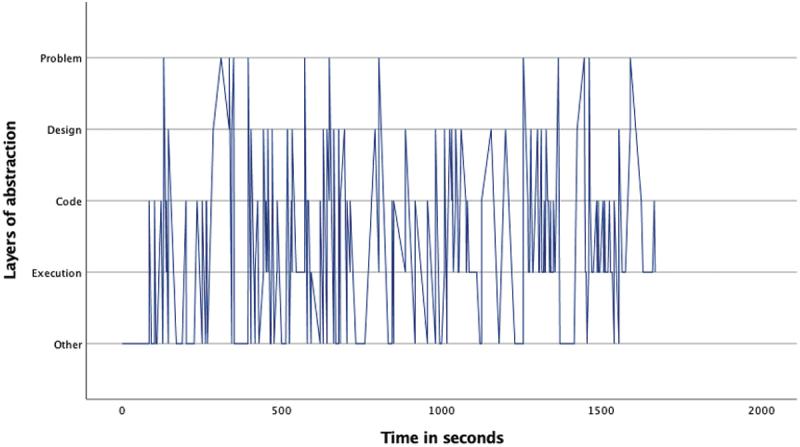
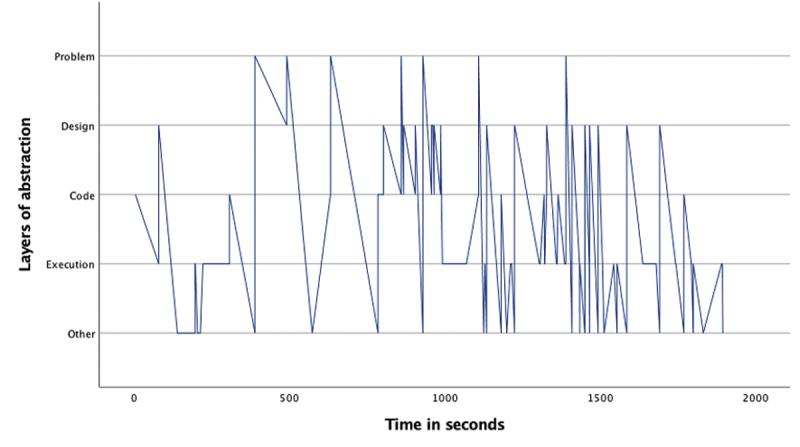
In this study, we use the model of the layers of abstraction to explore how learners with visual impairments approach the computational concept of abstraction, working with the Bee-bot and Blue-bot.
METHOD
Six blind and three low vision learners from the elementary school level were observed while completing programming assignments.
FINDINGS
The model of the layers of abstraction, can overall be generalized to learners with visual impairments, who engage in patterns that reflect iterative actions of redesigning and debugging. Especially our blind learners use specific tactile and physical behaviors to engage in these actions.
IMPLICATIONS
Ultimately, understanding such specificities can contribute to inclusive tailored educational instruction and support.
背景与情境
为了让有视觉障碍的学习者充分融入早期编程教育,有必要深入了解他们对抽象计算概念的体验和方法的特殊性。
目的
在本研究中,我们使用抽象层次模型来探索有视觉障碍的学习者如何通过使用Bee-bot和Blue-bot来理解抽象的计算概念。
方法
在小学阶段的六名盲童和三名低视力学习者完成编程作业时对他们进行了观察。
研究结果
抽象层次模型总体上可以推广到有视觉障碍的学习者,他们参与反映重新设计和调试迭代行动的模式。特别是我们的盲童学习者使用特定的触觉和身体行为来参与这些行动。
启示
最终,了解这些特殊性有助于提供包容性的量身定制的教育指导和支持。




 Zotero 插件