Sraphet Supajit, Javadi Bagher
Institute of Molecular Biosciences, Mahidol University, Nakhon Pathom, 73170, Thailand.
Department of Sciences, Faculty of Science and Technology, Suan Sunandha Rajabhat University, Bangkok, 10300, Thailand.
Biotechnol Rep (Amst). 2024 Dec 7;45:e00869. doi: 10.1016/j.btre.2024.e00869. eCollection 2025 Mar.
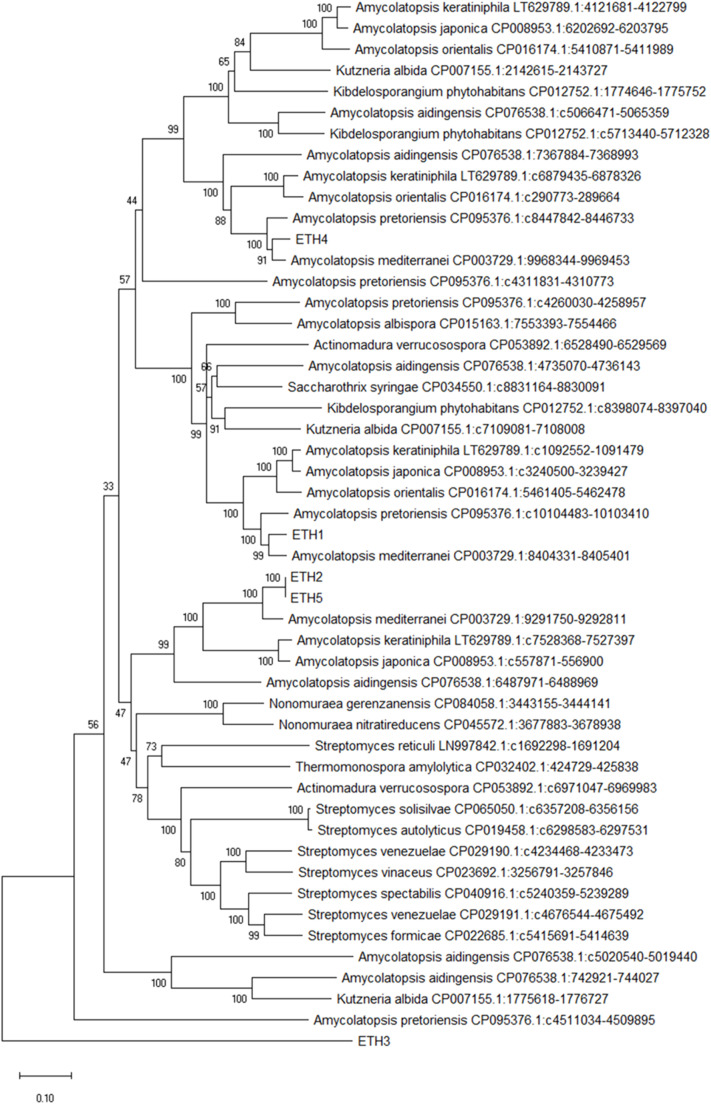
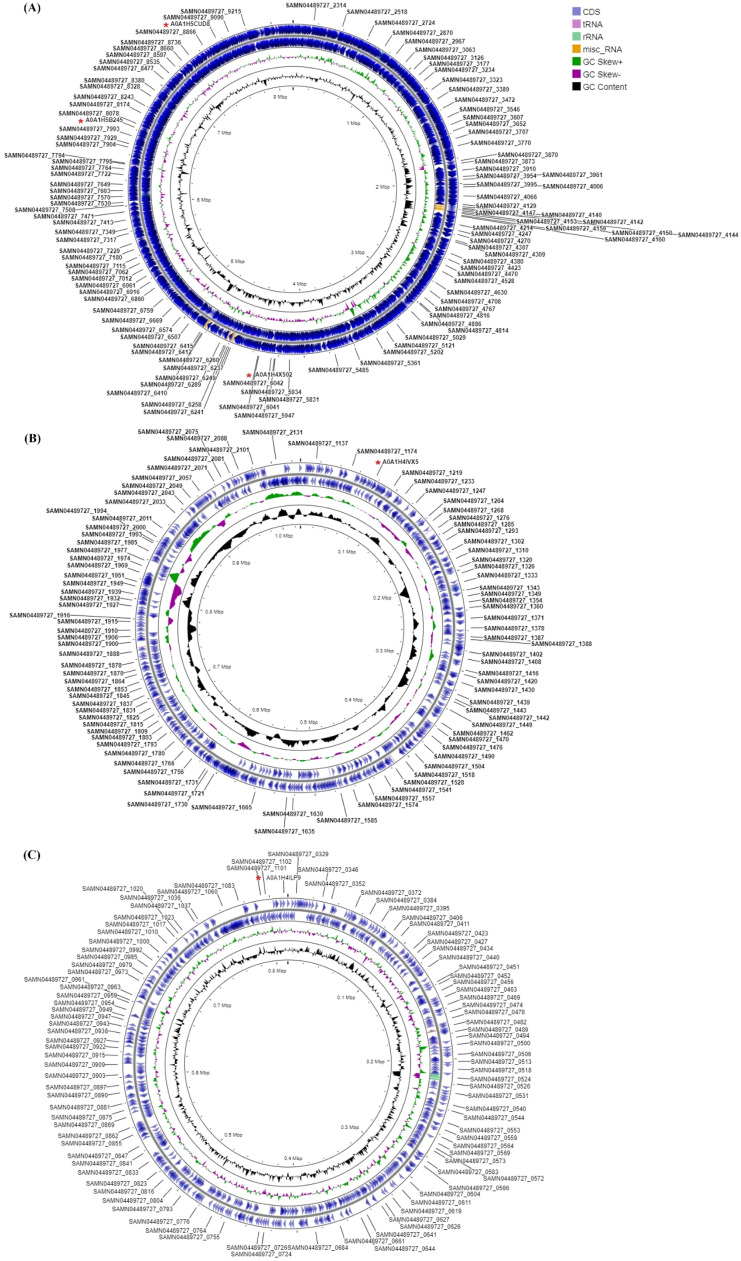
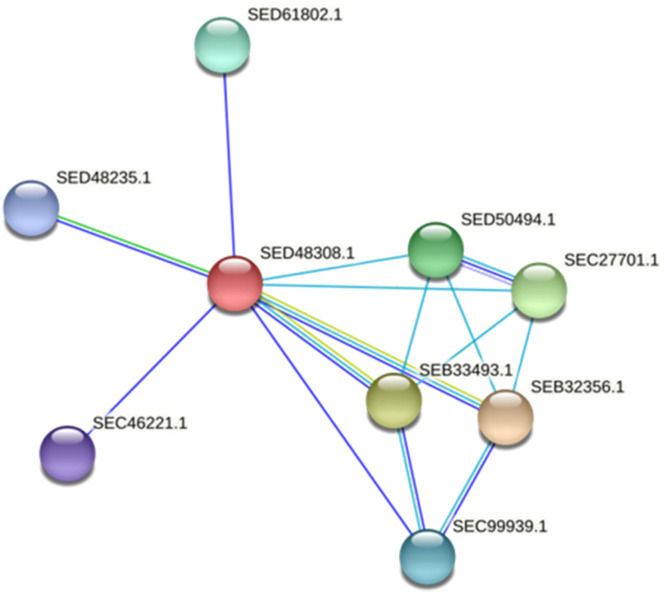
Extracellular triacylglycerol hydrolases (ETH) play a critical role for microorganisms, acting as essential tools for lipid breakdown and survival in challenging environments. The pursuit of more effective ETH genes and enzymes through evolution holds significant potential for enhancing living conditions. This study employs a proteogenomic approach to identify high G+C ETH in a notable Gram-positive bacterium, . Utilizing knowledge from genome and machine learning algorithms, prospective ETH genes/enzymes were identified. Notably, the ETH structural conserved accessibility to solvent clearly indicated the specific sixteen residues (GLY50, PRO93, GLY141, ASP148, GLY151, ASP172, ALA176, GLY195, TYR196, SER197, GLN198, GLY199, GLY200, GLY225, PRO327, ASP336) with no frequency. By pinpointing key residues and understanding their role, this study sets the stage for enhancing ETH performance through computational proteogenomic and contributes to the broader field of enzyme engineering, facilitating the development of more efficient and versatile ETH enzymes tailored to specific industrial or environmental contexts.
细胞外三酰甘油水解酶(ETH)对微生物起着关键作用,是脂质分解和在挑战性环境中生存的重要工具。通过进化寻找更有效的ETH基因和酶在改善生存条件方面具有巨大潜力。本研究采用蛋白质基因组学方法在一种著名的革兰氏阳性细菌中鉴定高G+C含量的ETH。利用基因组知识和机器学习算法,鉴定出潜在的ETH基因/酶。值得注意的是,ETH结构对溶剂的保守可及性清楚地表明了特定的16个残基(GLY50、PRO93、GLY141、ASP148、GLY151、ASP172、ALA176、GLY195、TYR196、SER197、GLN198、GLY199、GLY200、GLY225、PRO327、ASP336)没有频率。通过确定关键残基并了解其作用,本研究为通过计算蛋白质基因组学提高ETH性能奠定了基础,并为酶工程的更广泛领域做出了贡献,促进了针对特定工业或环境背景定制的更高效、多功能的ETH酶的开发。