Wu Yizhong, Ramai Daryl, Smith Eric R, Mega Paulo F, Qatomah Abdulrahman, Spadaccini Marco, Maida Marcello, Papaefthymiou Apostolis
Department of Internal Medicine, Baylor Scott & White Round Rock Hospital, Round Rock, TX 78665, USA.
Division of Gastroenterology, Hepatology and Endoscopy, Brigham and Women's Hospital, Boston, MA 02115, USA.
Cancers (Basel). 2024 Dec 17;16(24):4196. doi: 10.3390/cancers16244196.
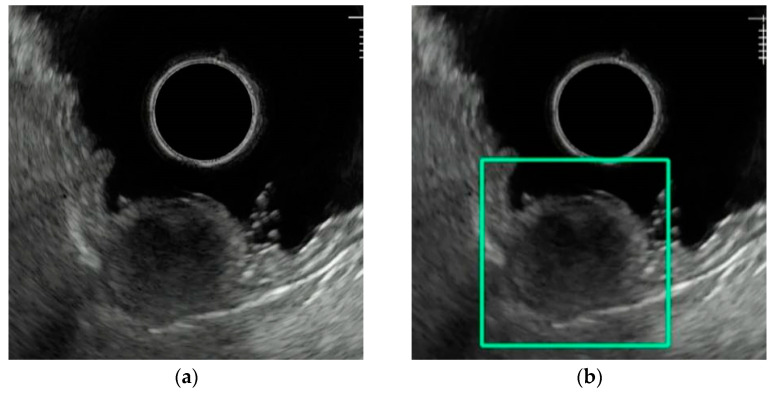
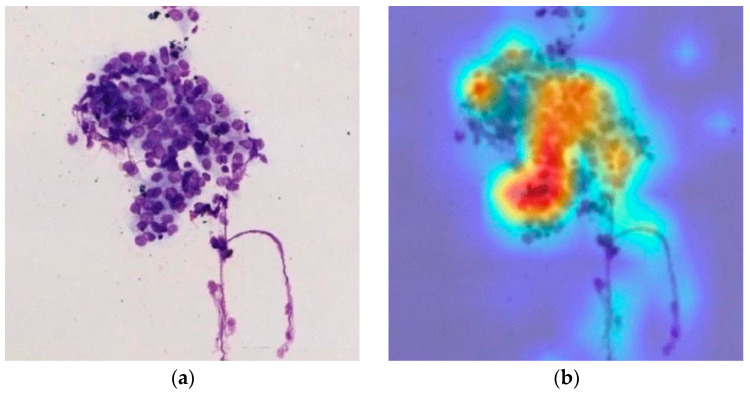
Endoscopic ultrasound (EUS) effectively diagnoses malignant and pre-malignant gastrointestinal lesions. In the past few years, artificial intelligence (AI) has shown promising results in enhancing EUS sensitivity and accuracy, particularly for subepithelial lesions (SELs) like gastrointestinal stromal tumors (GISTs). Furthermore, AI models have shown high accuracy in predicting malignancy in gastric GISTs and distinguishing between benign and malignant intraductal papillary mucinous neoplasms (IPMNs). The utility of AI has also been applied to existing and emerging technologies involved in the performance and evaluation of EUS-guided biopsies. These advancements may improve training in EUS, allowing trainees to focus on technical skills and image interpretation. This review evaluates the current state of AI in EUS, covering imaging diagnosis, EUS-guided biopsies, and training advancements. It discusses early feasibility studies and recent developments, while also addressing the limitations and challenges. This article aims to review AI applications to EUS and its applications in clinical practice while addressing pitfalls and challenges.
内镜超声(EUS)能有效诊断胃肠道恶性和癌前病变。在过去几年中,人工智能(AI)在提高EUS的敏感性和准确性方面显示出了令人鼓舞的结果,特别是对于胃肠道间质瘤(GIST)等上皮下病变(SEL)。此外,AI模型在预测胃GIST的恶性程度以及区分导管内乳头状黏液性肿瘤(IPMN)的良恶性方面也显示出了很高的准确性。AI的效用还被应用于EUS引导活检的实施和评估中涉及的现有及新兴技术。这些进展可能会改善EUS培训,使受训人员能够专注于技术技能和图像解读。本综述评估了AI在EUS中的当前状态,涵盖成像诊断、EUS引导活检和培训进展。它讨论了早期可行性研究和近期发展,同时也解决了局限性和挑战。本文旨在回顾AI在EUS中的应用及其在临床实践中的应用,同时解决陷阱和挑战。