Meng Fei, Cui Jing, Wang Peng, Wang Junhui, Sun Jing, Li Liang
Cardiac Valve Center, Department of Cardiac Surgery, Beijing Anzhen Hospital, Capital Medical University, Beijing 101100, China.
Department of Pathology, School of Basic Medical Sciences, Capital Medical University, Beijing 100069, China.
Brain Sci. 2024 Dec 14;14(12):1256. doi: 10.3390/brainsci14121256.
Dementia is becoming a major health problem in the world, and chronic brain ischemia is an established important risk factor in predisposing this disease. Astrocytes, as one major part of the blood-brain barrier (BBB), are activated during chronic cerebral blood flow hypoperfusion. Reactive astrocytes have been classified into phenotype pro-inflammatory type A1 or neuroprotective type A2. However, the specific subtype change of astrocyte and the mechanisms of chronic brain ischemia are still unknown.
In order to depict the phenotype changes and their possible roles during this process, a rat bilateral common carotid artery occlusion model (BCAO) was employed in the present study. Meanwhile, the signaling pathways that possibly regulate these changes were investigated as well.
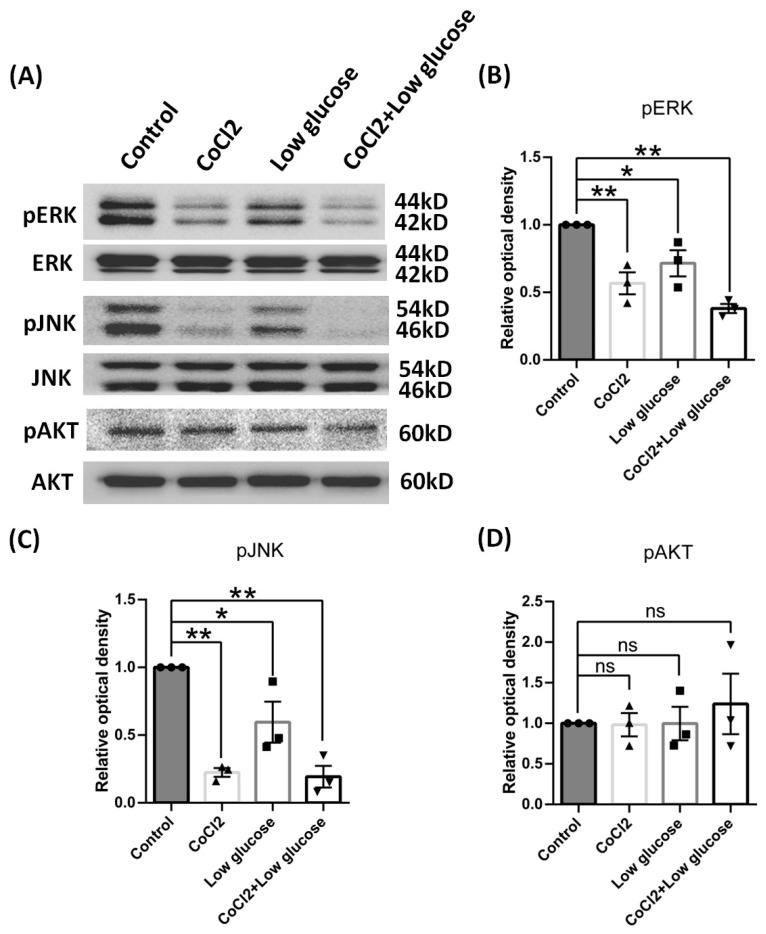
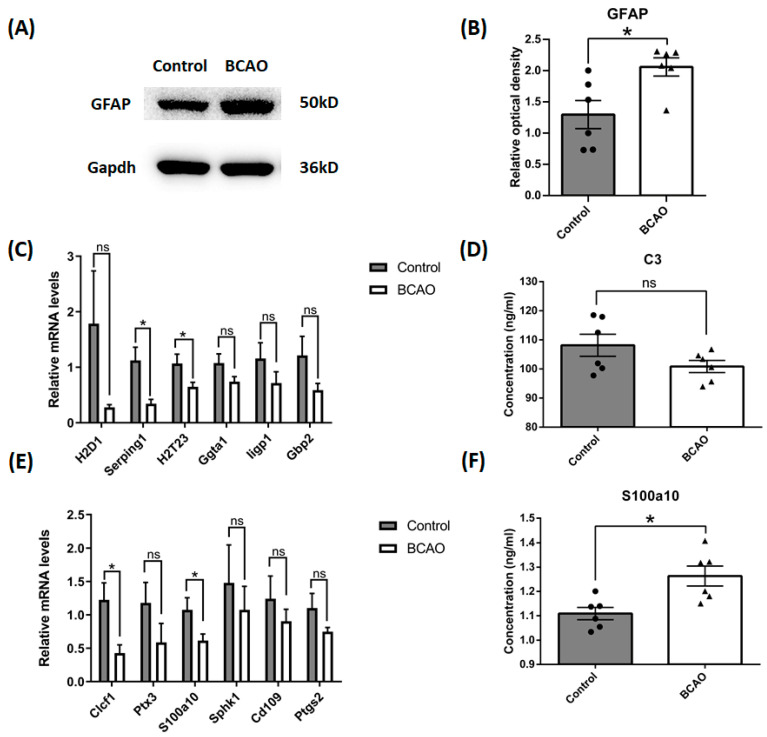
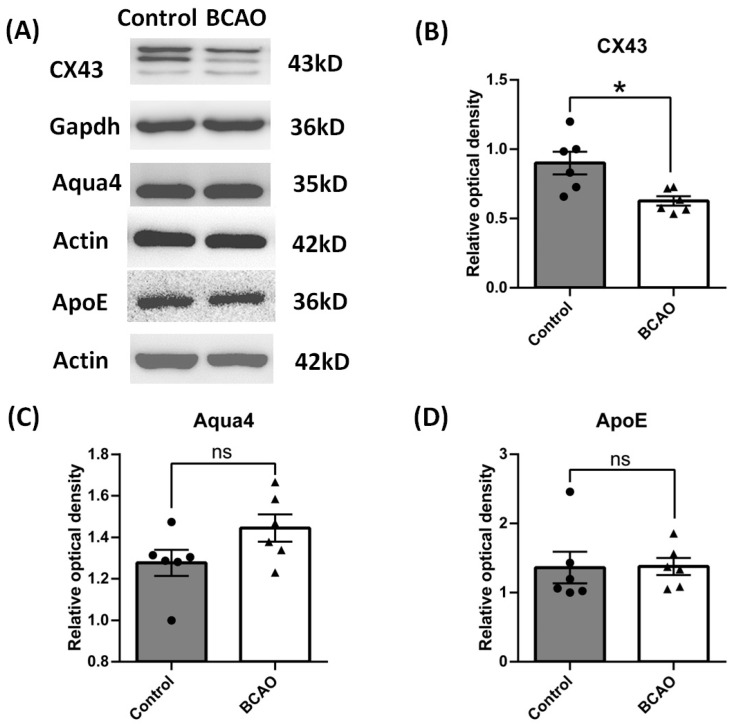
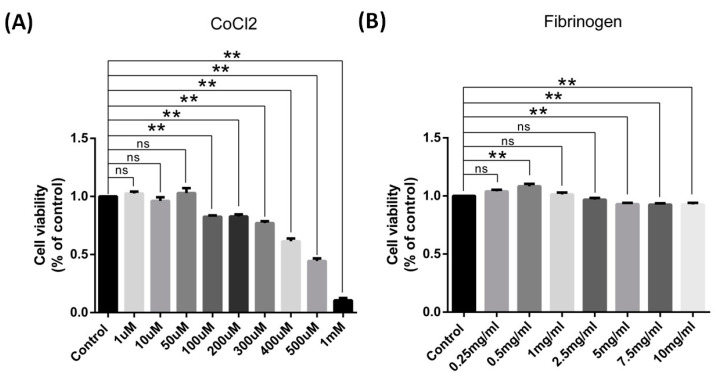
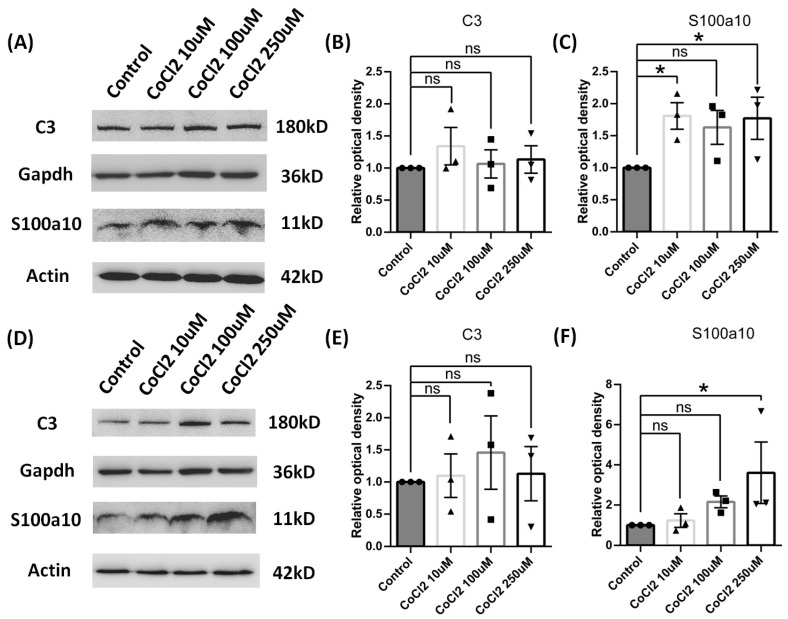
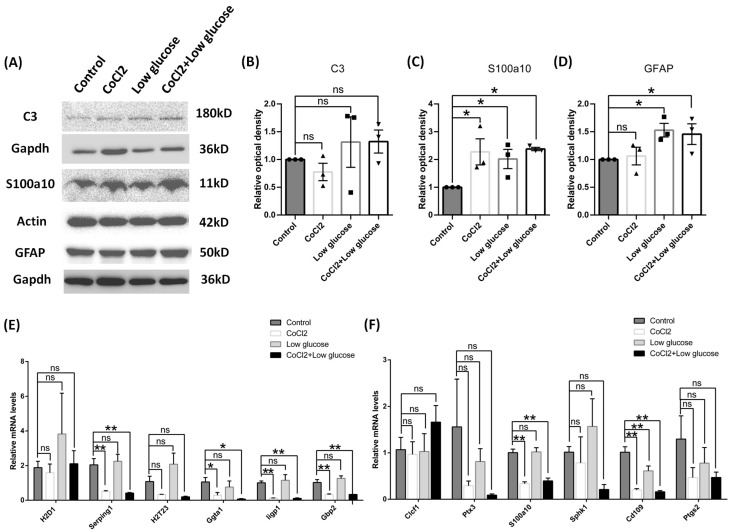
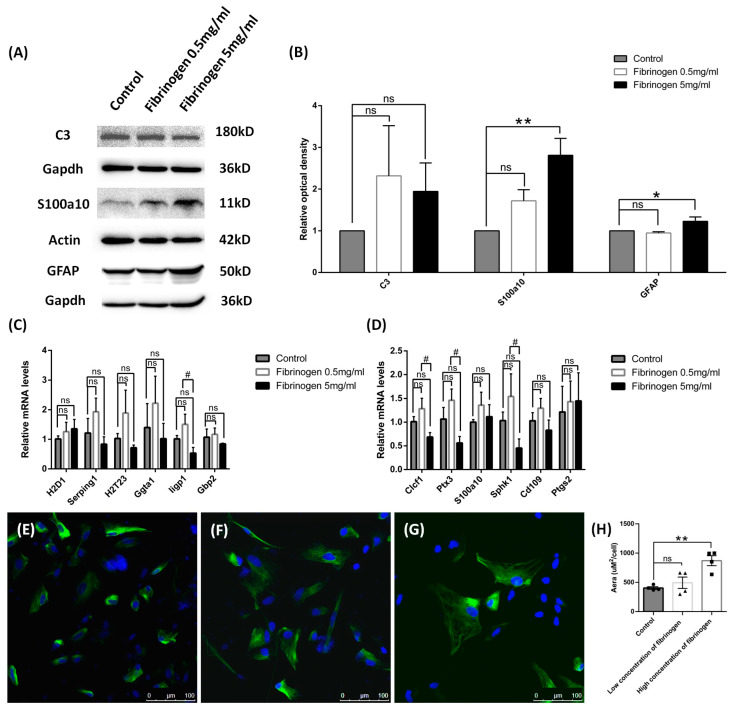
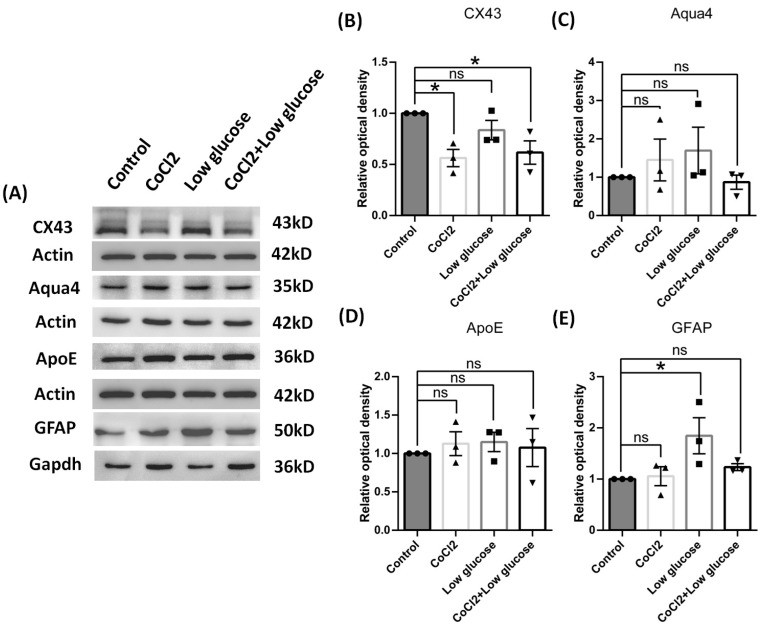
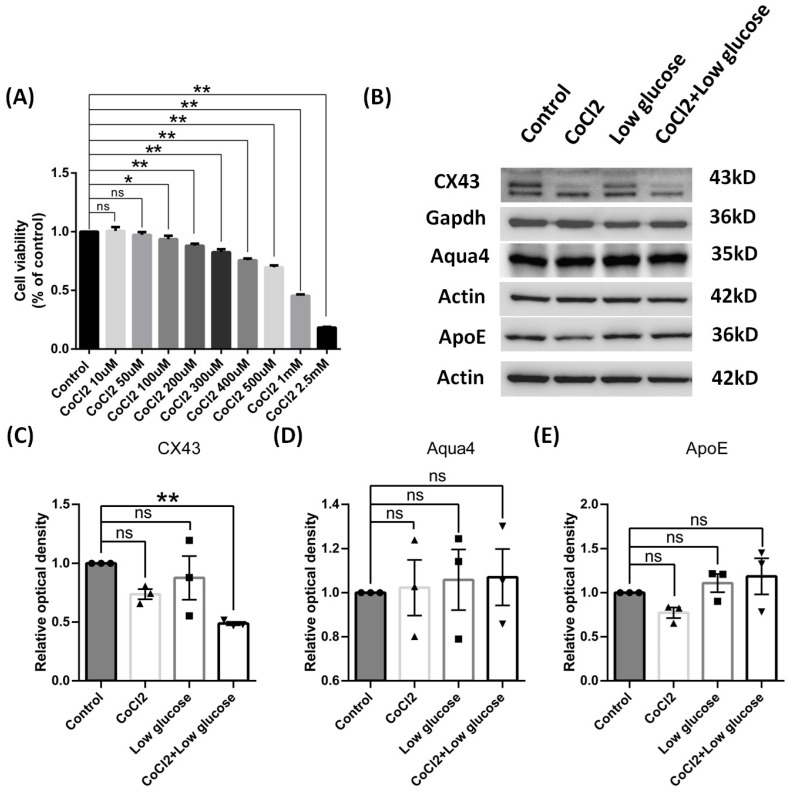
After four-week occlusion, astrocytes in the cortex of BCAO rats were shown to be the A2 phenotype, identified by the significant up-regulation of S100a10 accompanied by the down-regulation of Connexin 43 (CX43) protein. Next, we established in vitro hypoxia models, which were set up by stimulating primary astrocyte cultures from rat cortex with cobalt chloride, low glucose, or/and fibrinogen. Consistent with in vivo data, the cultured astrocytes also transformed into the A2 phenotype with the up-regulation of S100a10 and the down-regulation of CX43. In order to explore the mechanism of CX43 protein changes, C6 astrocyte cells were handled in both hypoxia and low-glucose stimulus, in which decreased pERK and pJNK expression were found.
In conclusion, our data suggest that in chronic cerebral ischemia conditions, the gradual ischemic insults could promote the transformation of astrocytes into A2 type instead of A1 type, and the phosphorylation of CX43 was negatively regulated by the phosphorylation of ERK and JNK. Also, our data could provide some new evidence of how to leverage the endogenous astrocytes phenotype changes during CNS injury by promoting them to be "protector" and not "culprit".
痴呆正成为全球主要的健康问题,慢性脑缺血是引发该疾病的一个公认的重要危险因素。星形胶质细胞作为血脑屏障(BBB)的主要组成部分之一,在慢性脑血流灌注不足时被激活。反应性星形胶质细胞已被分为促炎型A1或神经保护型A2。然而,星形胶质细胞的具体亚型变化以及慢性脑缺血的机制仍不清楚。
为了描述这一过程中的表型变化及其可能的作用,本研究采用大鼠双侧颈总动脉闭塞模型(BCAO)。同时,还研究了可能调节这些变化的信号通路。
闭塞四周后,BCAO大鼠皮质中的星形胶质细胞显示为A2表型,通过S100a10的显著上调以及连接蛋白43(CX43)蛋白的下调得以确定。接下来,我们建立了体外缺氧模型,通过用氯化钴、低糖或/和纤维蛋白原刺激大鼠皮质的原代星形胶质细胞培养物来构建。与体内数据一致,培养的星形胶质细胞也转变为A2表型,S100a10上调,CX43下调。为了探索CX43蛋白变化的机制,对C6星形胶质细胞进行缺氧和低糖刺激处理,发现pERK和pJNK表达降低。
总之,我们的数据表明,在慢性脑缺血条件下,逐渐的缺血性损伤可促进星形胶质细胞向A2型而非A1型转变,并且CX43的磷酸化受到ERK和JNK磷酸化的负调控。此外,我们的数据可为如何利用中枢神经系统损伤期间内源性星形胶质细胞表型变化,促使其成为“保护者”而非“肇事者”提供一些新证据。