Hu Hongyin, Zhao Zhixing, Ma Dongdi, An Lizhe, Zhao Le, Yue Xiule
Ministry of Education Key Laboratory of Cell Activities and Stress Adaptations, School of Life Sciences, Lanzhou University, Lanzhou 730000, China.
State Key Laboratory of Efficient Production of Forest Resources, Beijing Forestry University, Beijing 100083, China.
Int J Mol Sci. 2024 Dec 13;25(24):13381. doi: 10.3390/ijms252413381.
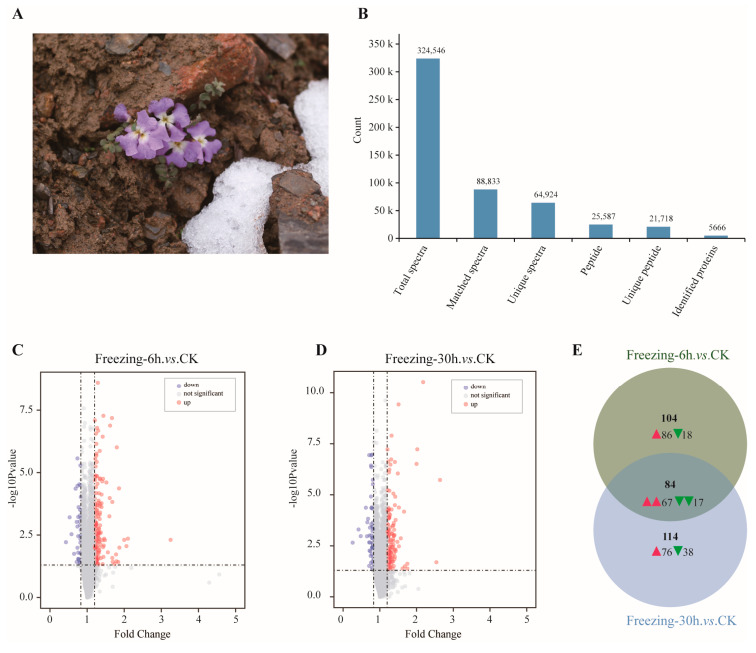
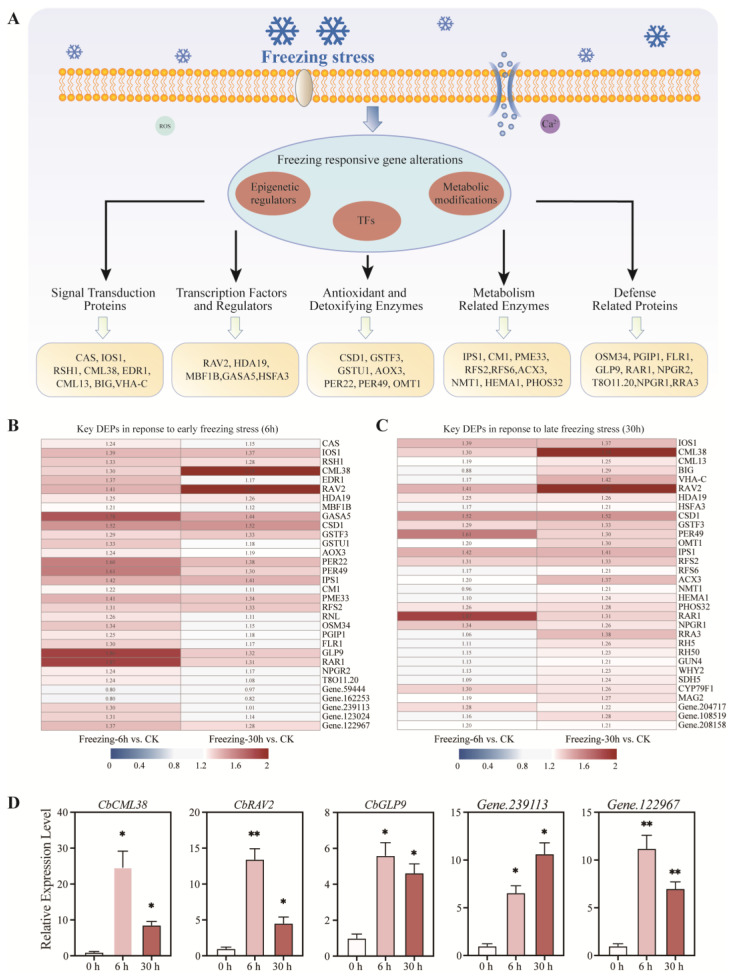
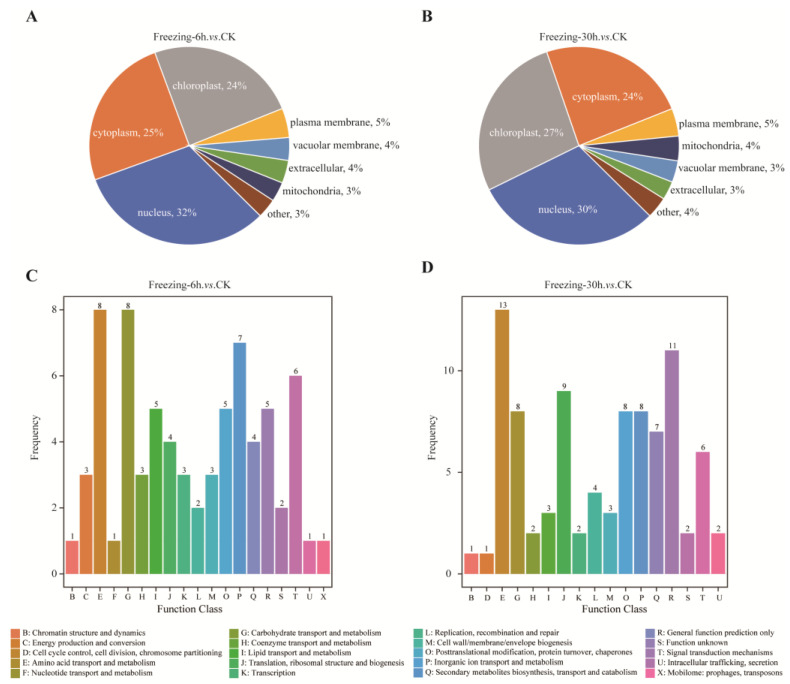
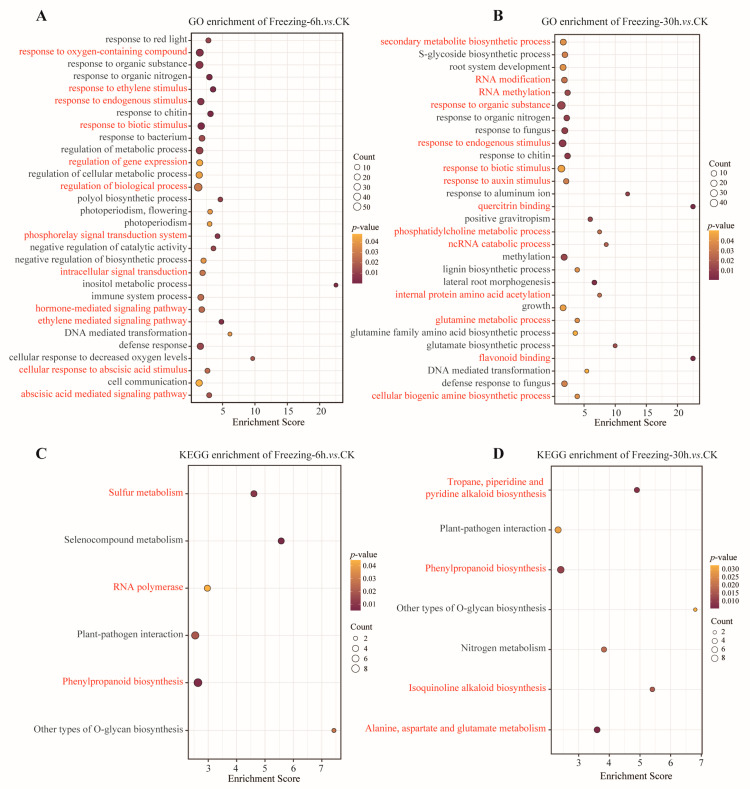
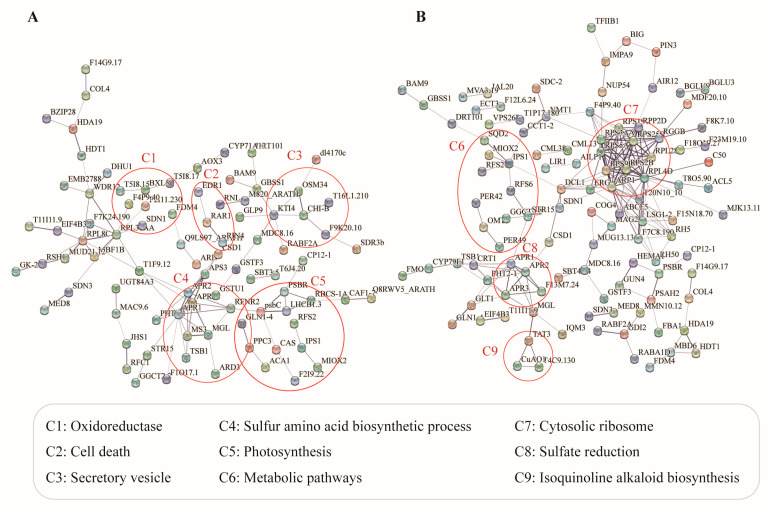
Freezing temperatures impose significant constraints on plant growth and productivity. While cold tolerance mechanisms have been extensively studied in model species, the molecular basis of freezing tolerance in naturally adapted plants remains underexplored. , an alpine plant with a strong freezing tolerance, provides a valuable model for investigating these adaptive mechanisms. In this study, we used Tandem Mass Tag (TMT)-based quantitative proteomics to analyze seedlings subjected to freezing stress (-6 °C) at 6 and 30 h, identifying 302 differentially expressed proteins (DEPs) compared with controls. Our findings capture the dynamic proteomic landscape of under freezing stress, revealing distinct early and prolonged responses. Early responses featured upregulated proteins involved in signaling and stress protection, with no clear involvement of the ICE1-CBF pathway (ICE1: Inducer of CBF Expression 1; CBF: C-repeat Binding Factor) found in cold-acclimating plants, while calcium signaling and epigenetic modifications enabled a rapid response. Extended exposure involved DEPs in RNA modification, glutamine metabolism, and biosynthesis of polysaccharides and flavonoids, highlighting metabolic adjustments crucial for long-term adaptation. By combining protein-protein interaction (PPI) networks and functional analysis, we identified 54 key proteins validated by qRT-PCR. These findings provide comprehensive insight into freezing tolerance mechanisms, identifying candidate proteins for enhancing cold resilience in crops and mitigating agricultural cold stress impacts.
低温对植物生长和生产力施加了重大限制。虽然耐寒机制已在模式物种中得到广泛研究,但自然适应植物中耐冻性的分子基础仍未得到充分探索。高山棘豆是一种具有很强耐冻性的高山植物,为研究这些适应机制提供了一个有价值的模型。在本研究中,我们使用基于串联质谱标签(TMT)的定量蛋白质组学方法,分析了在-6°C冷冻胁迫下6小时和30小时的高山棘豆幼苗,与对照相比,鉴定出302个差异表达蛋白(DEP)。我们的研究结果捕捉了高山棘豆在冷冻胁迫下的动态蛋白质组图谱,揭示了不同的早期和长期反应。早期反应的特征是参与信号传导和应激保护的蛋白质上调,在冷驯化植物中未发现明显涉及ICE1-CBF途径(ICE1:CBF表达诱导因子1;CBF:C-重复结合因子),而钙信号传导和表观遗传修饰促成了快速反应。长时间暴露涉及RNA修饰、谷氨酰胺代谢以及多糖和类黄酮生物合成中的DEP,突出了对长期适应至关重要的代谢调整。通过结合蛋白质-蛋白质相互作用(PPI)网络和功能分析,我们鉴定出54个经qRT-PCR验证的关键蛋白。这些发现为耐冻机制提供了全面的见解,确定了增强作物抗寒能力和减轻农业冷胁迫影响的候选蛋白。