Barik Sailen, Andrews Joel
Department of Biochemistry and Molecular Biology, Frederick P. Whiddon College of Medicine, Mobile, AL 36688, USA.
Int J Mol Sci. 2024 Dec 16;25(24):13459. doi: 10.3390/ijms252413459.
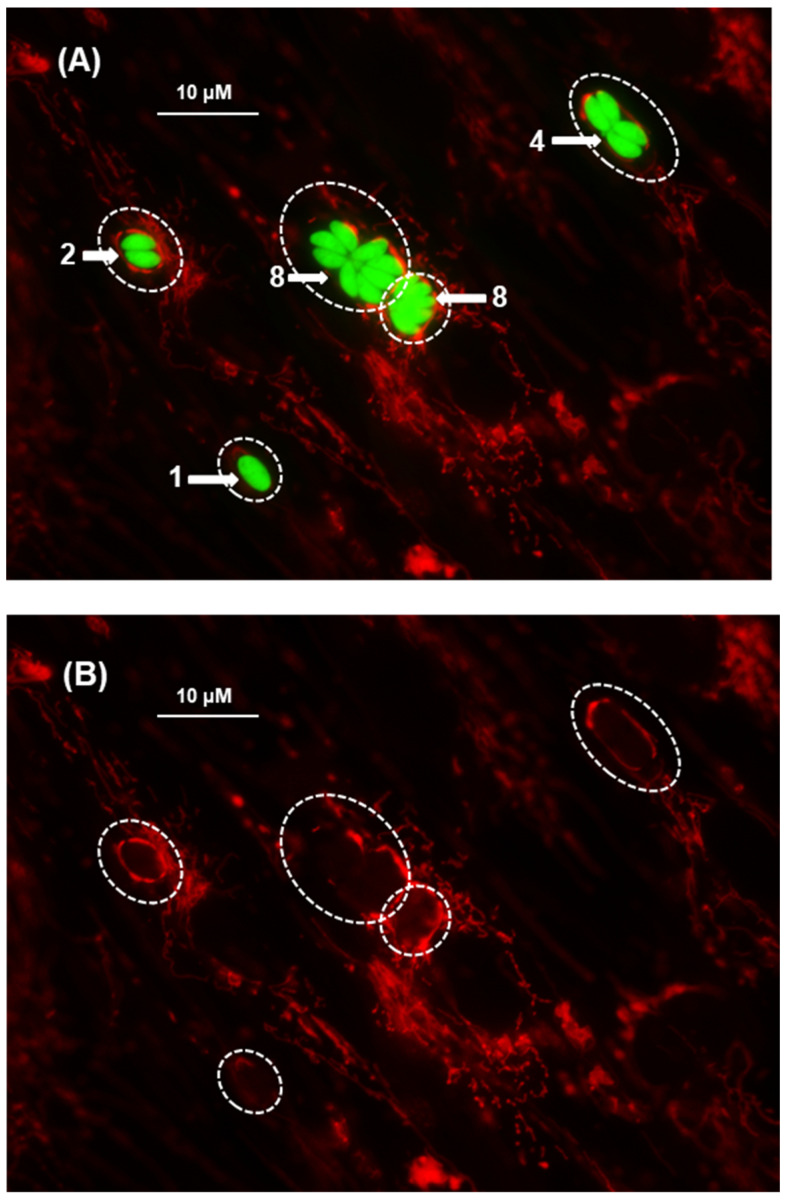
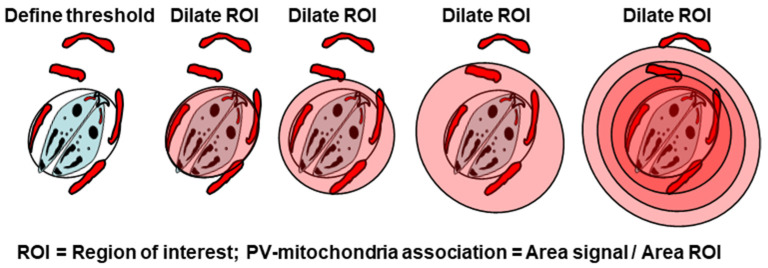
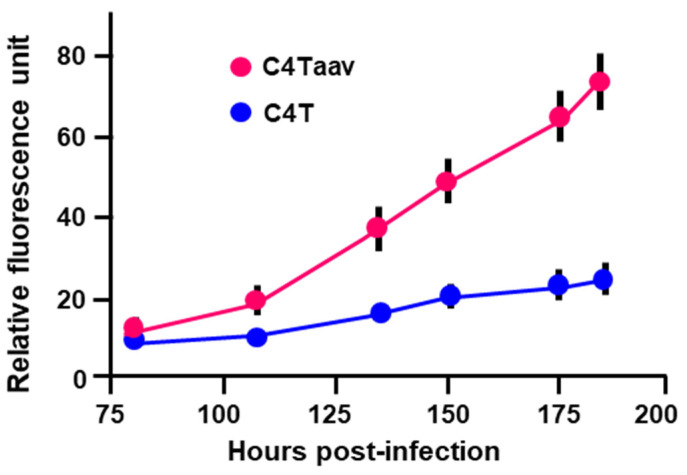
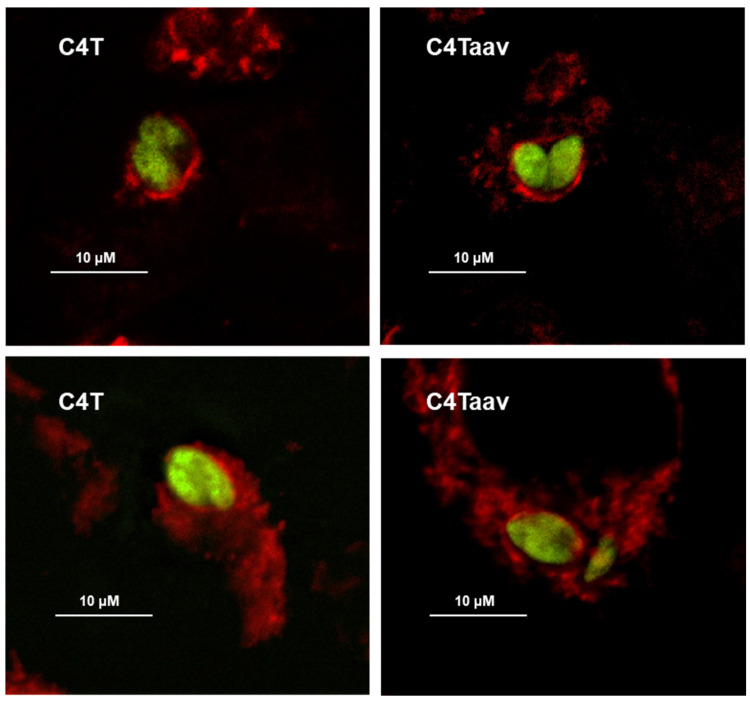
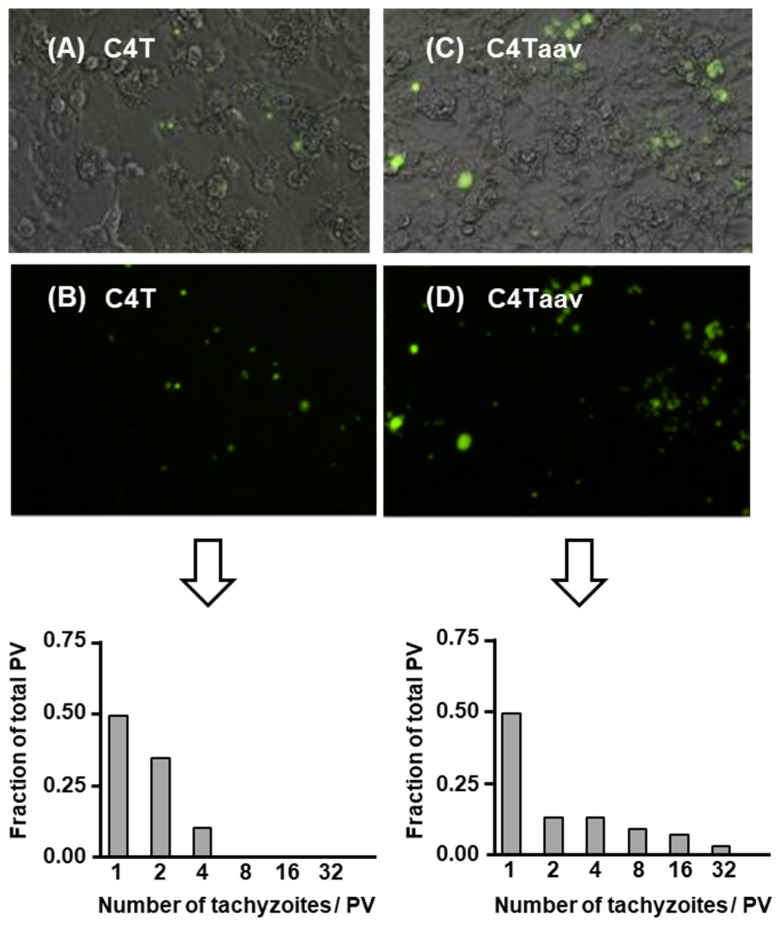
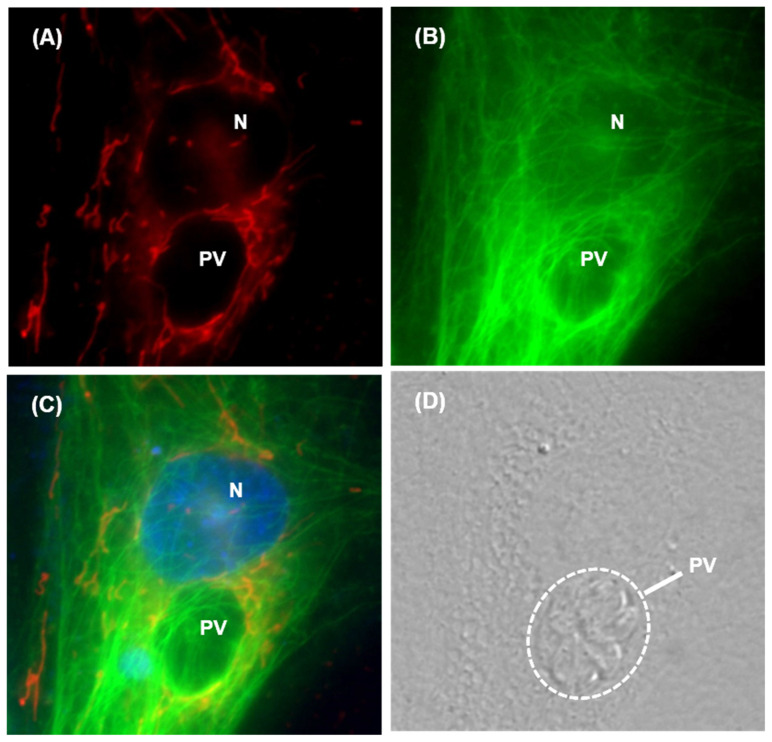
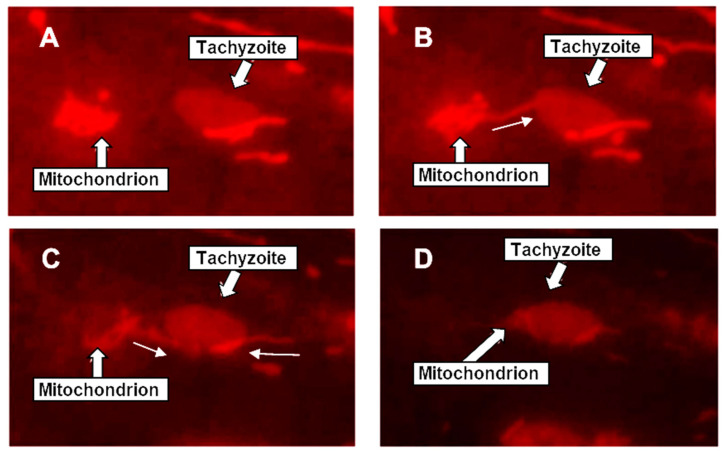
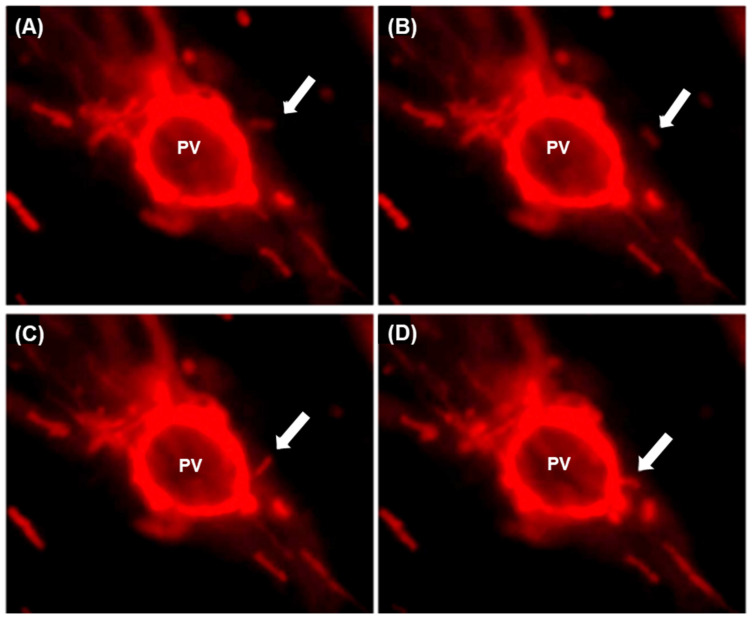
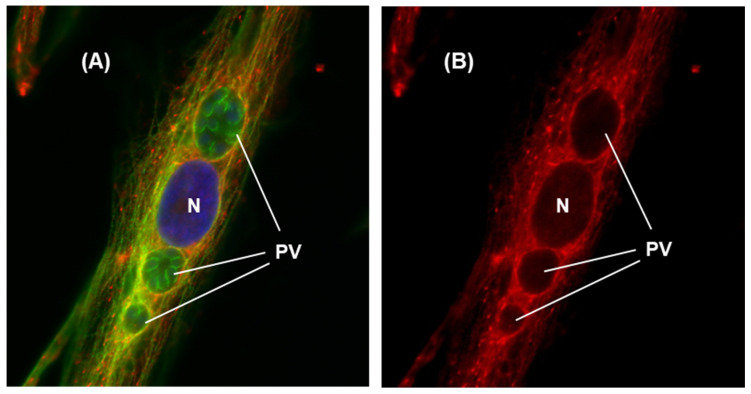
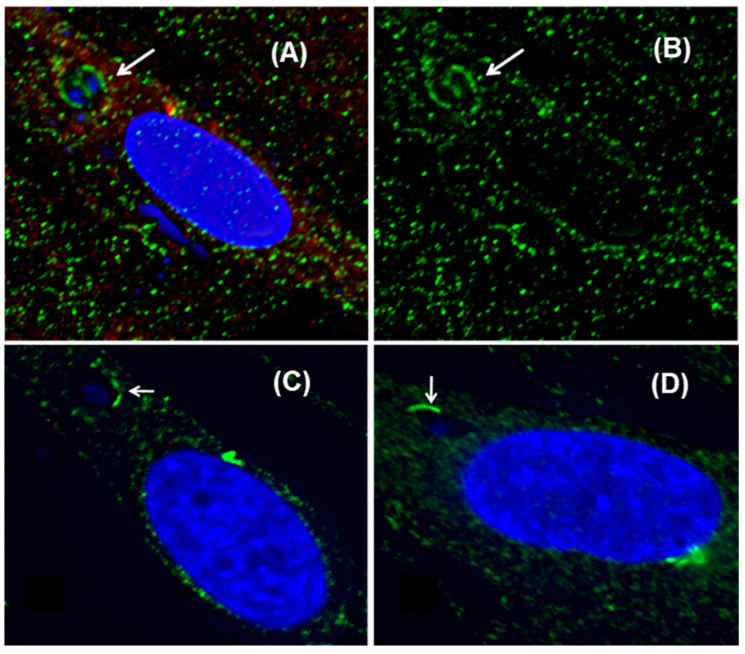
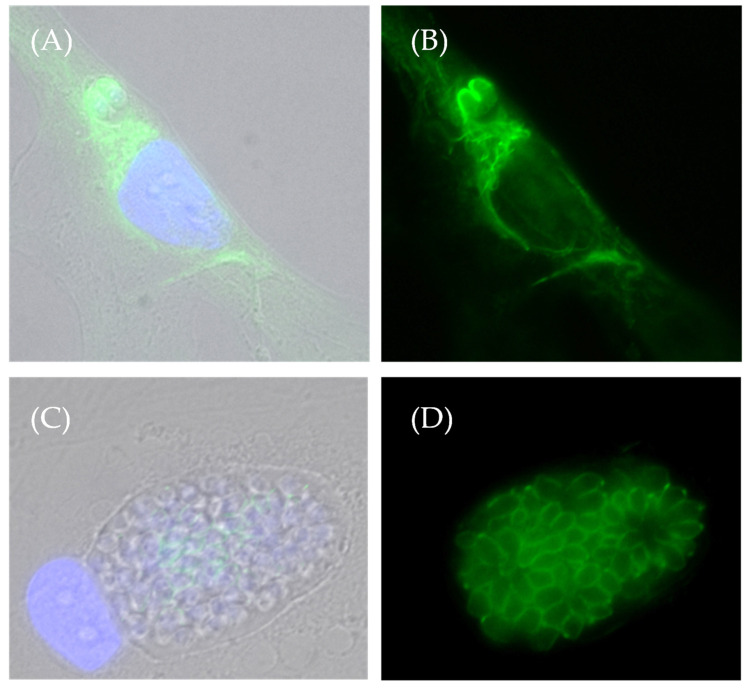
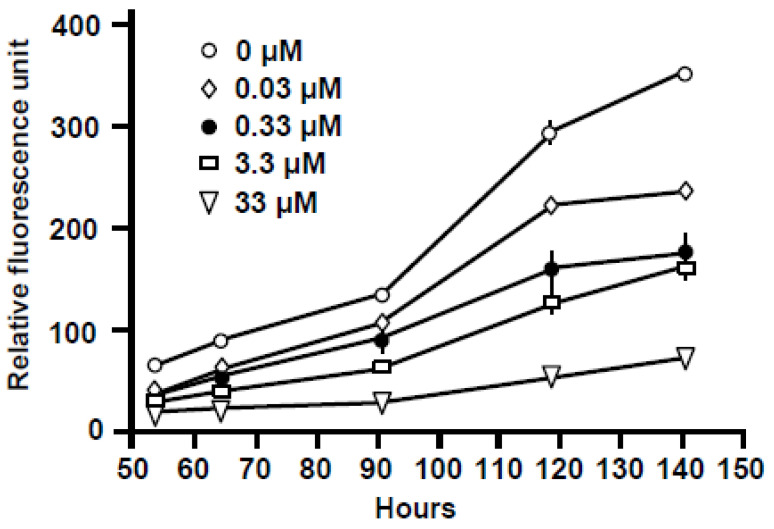
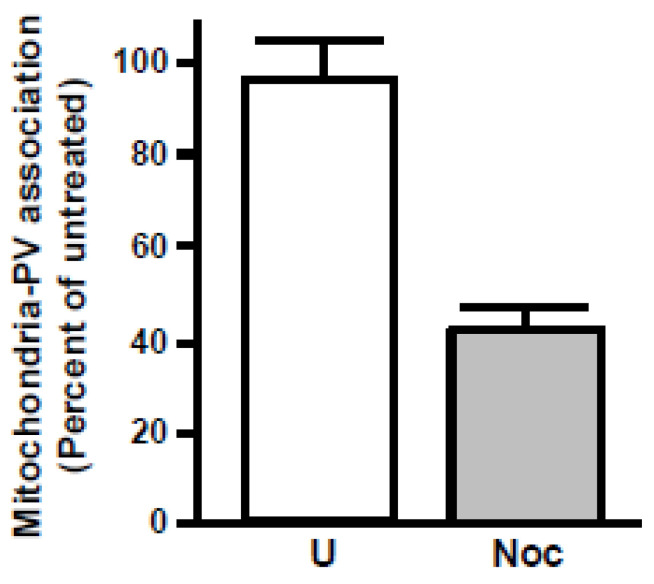
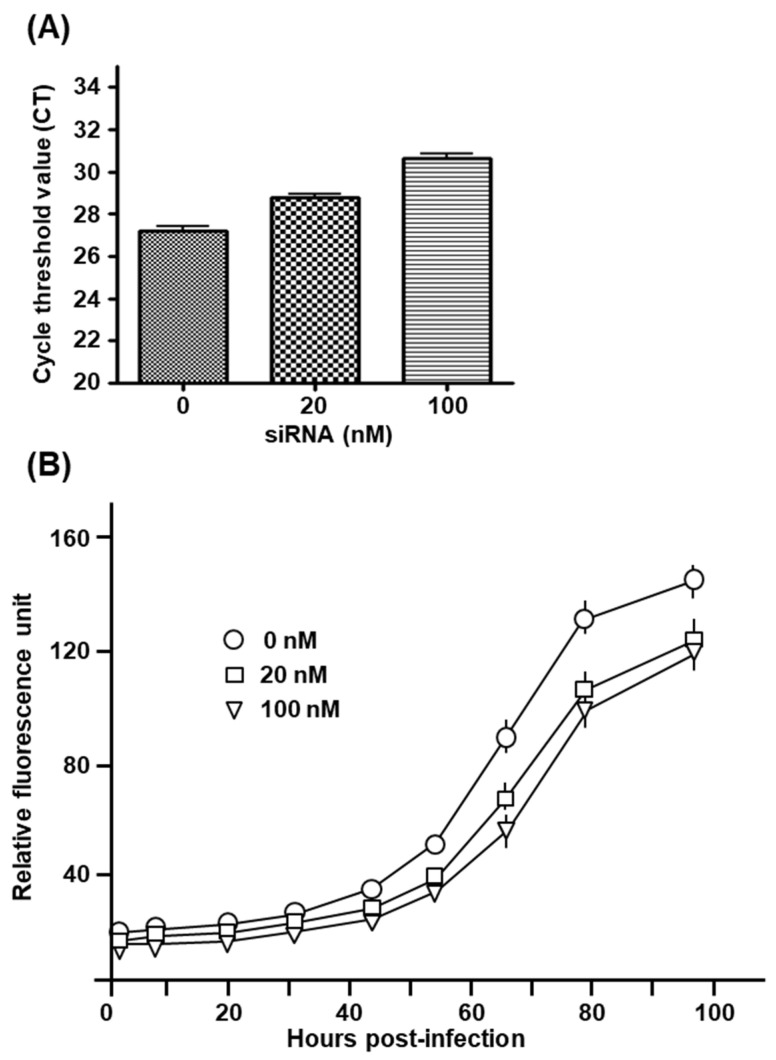
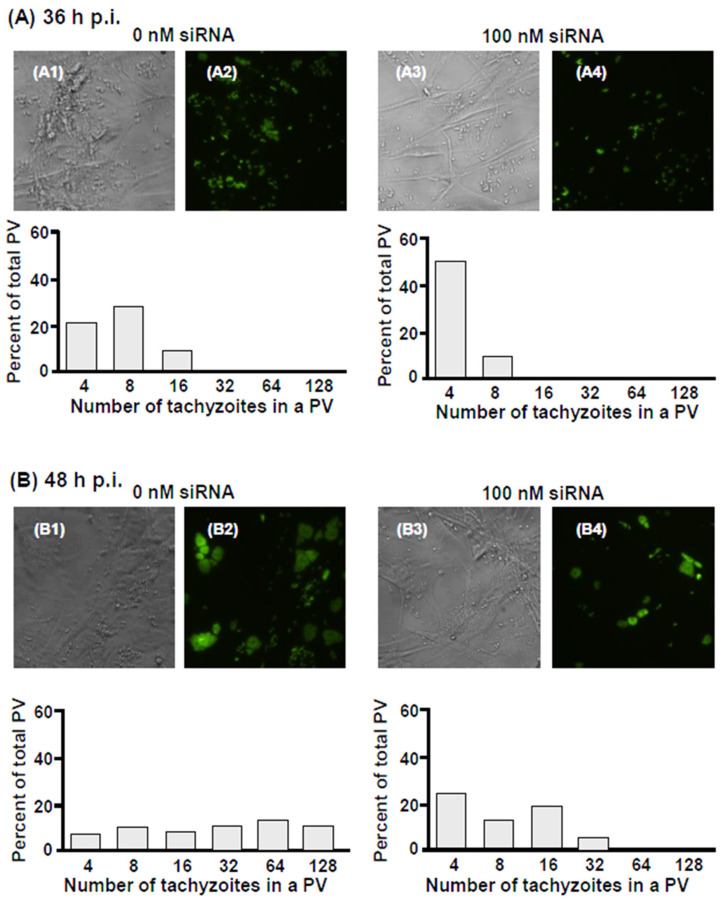
An intracellular protozoan, the Apicomplexan parasite () infects nucleated cells, in which it triggers the formation of a specialized membrane-confined cytoplasmic vacuole, named the parasitophorous vacuole (PV). One of the most prominent events in the parasite's intracellular life is the congregation of the host cell mitochondria around the PV. However, the significance of this event has remained largely unsolved since the parasite itself possesses a functional mitochondrion, which is essential for its replication. Here, we explore several fundamental aspects of the interaction between the PV and the host cell mitochondria. They include the detailed features of the congregation, the nature and mechanism of the mitochondrial travel to the PV, and the potential significance of the migration and congregation. Using a combination of biochemical assays, high-resolution imaging, and RNAi-mediated knockdown, we show that: (i) mitochondrial travel to the PV starts very early in parasite infection, as soon as the smallest PV takes shape; (ii) the travel utilizes the contractile microtubular network of the host cell; and (iii) near the end of the parasitic life cycle, when most PVs have reached their largest sustainable size and are about to lyse in order to release the progeny parasites, the associated mitochondria change their usual elongated shape to small spheres, apparently resulting from increased fission. Intriguingly, despite the well-known mitochondrial role as a major producer of cellular ATP, the parasite does not seem to use cellular mitochondrial ATP. Together, these findings may serve as foundations for future research in host-parasite interaction, particularly in the elucidation of its mechanisms, and the possible development of novel antiparasitic drug regimens.
细胞内原生动物顶复门寄生虫()感染有核细胞,在其中它会触发形成一种特殊的膜包被细胞质泡,称为寄生泡(PV)。寄生虫细胞内生命中最显著的事件之一是宿主细胞线粒体在寄生泡周围聚集。然而,由于寄生虫自身拥有一个对其复制至关重要的功能性线粒体,这一事件的意义在很大程度上仍未得到解决。在这里,我们探讨了寄生泡与宿主细胞线粒体相互作用的几个基本方面。它们包括聚集的详细特征、线粒体向寄生泡移动的性质和机制,以及迁移和聚集的潜在意义。通过结合生化分析、高分辨率成像和RNAi介导的敲低技术,我们发现:(i)线粒体向寄生泡的移动在寄生虫感染的早期就开始了,一旦最小的寄生泡形成;(ii)这种移动利用了宿主细胞的收缩微管网络;(iii)在寄生生命周期接近尾声时,当大多数寄生泡达到其最大可持续大小并即将裂解以释放子代寄生虫时,相关的线粒体将其通常的细长形状变为小球体,这显然是由于裂变增加所致。有趣的是,尽管线粒体作为细胞ATP的主要生产者的作用众所周知,但寄生虫似乎并不利用细胞线粒体产生的ATP。总之,这些发现可能为未来宿主 - 寄生虫相互作用的研究奠定基础,特别是在阐明其机制以及可能开发新型抗寄生虫药物方案方面。