Zhang Peng, Zhou Qing, He Rujie
School of Management, Beijing Institute of Technology, Beijing 100081, China.
Institute of Advanced Structure Technology, Beijing Institute of Technology, Beijing 100081, China.
Materials (Basel). 2024 Dec 13;17(24):6092. doi: 10.3390/ma17246092.
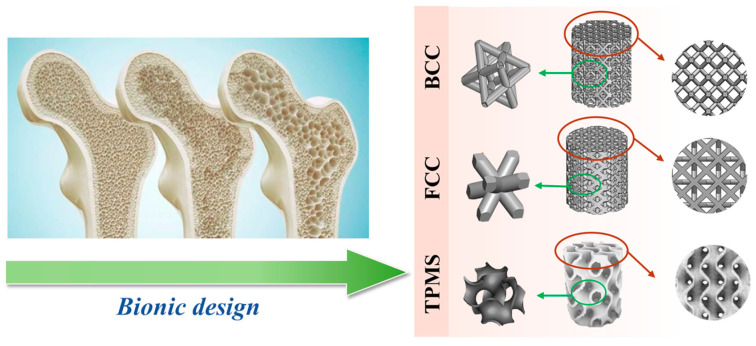
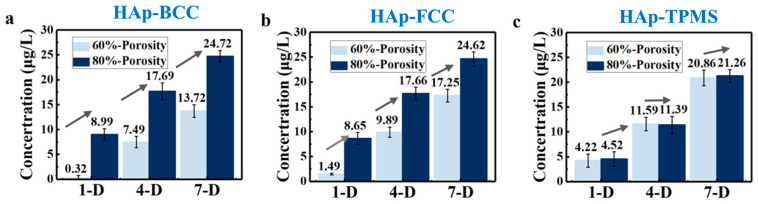
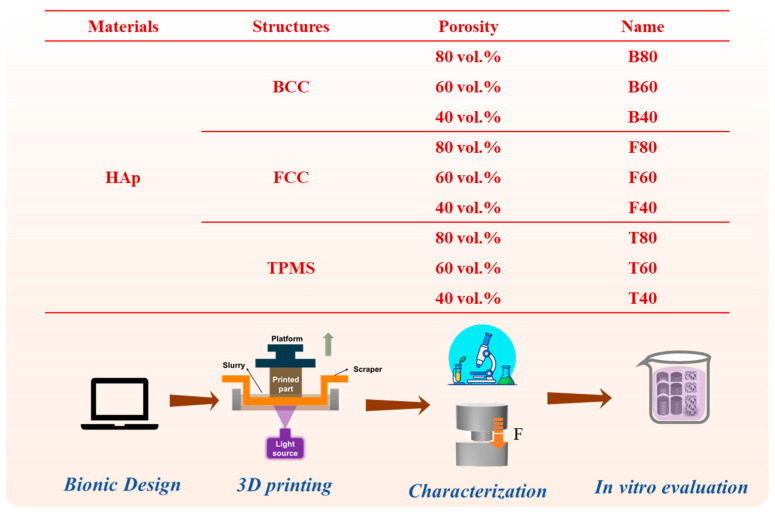
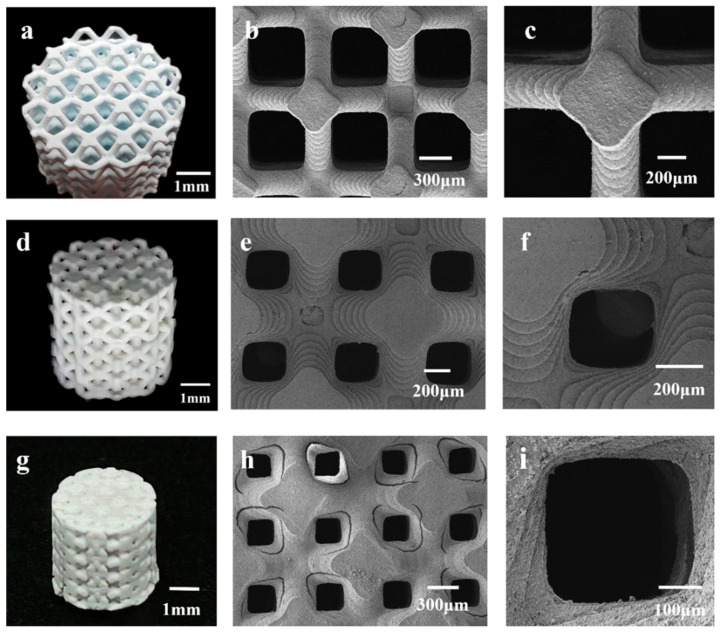
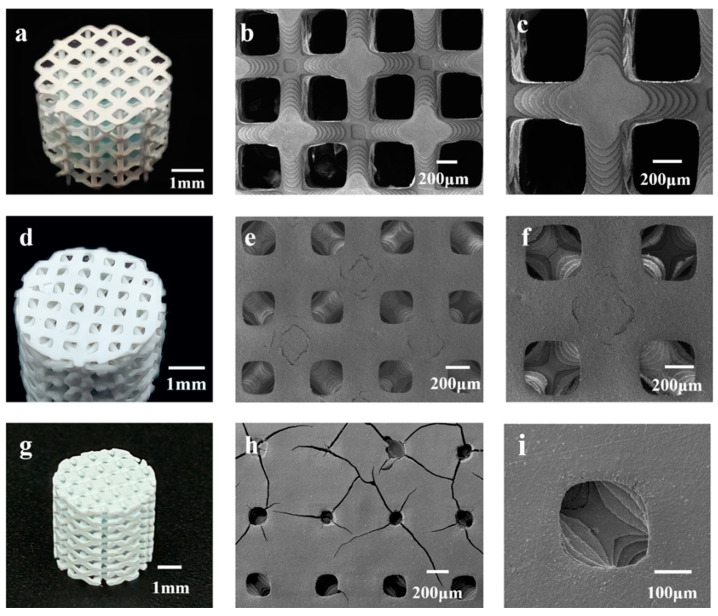
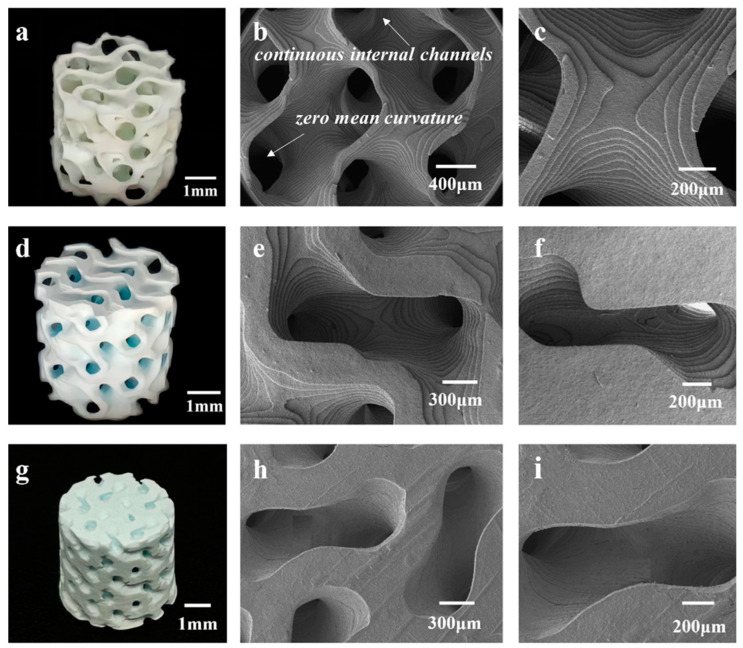
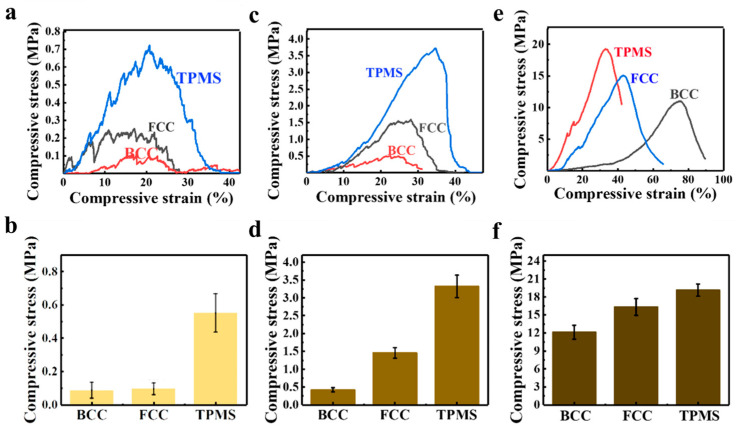
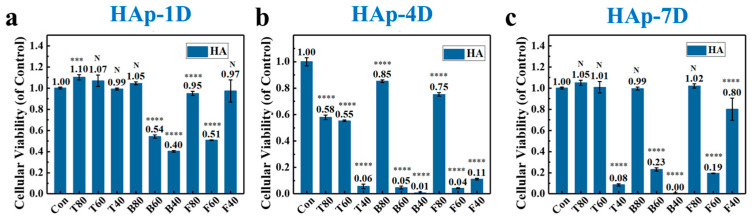
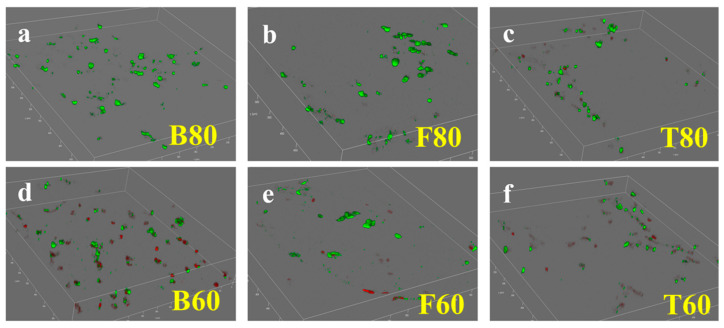
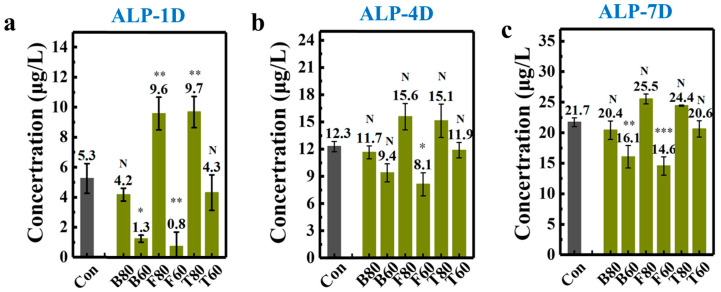
Bionic bioceramic scaffolds are essential for achieving excellent implant properties and biocompatible behavior. In this study, inspired by the microstructure of natural bone, bionic hydroxyapatite (HAp) ceramic scaffolds with different structures (body-centered cubic (BCC), face-centered cubic (FCC), and gyroid Triply Periodic Minimal Surfaces (TPMSs)) and porosities (80 vol.%, 60 vol.%, and 40 vol.%) were designed, 3D-printed, and characterized. The effects of structure and porosity on the morphology, mechanical properties, and in vitro biocompatibility properties of the HAp scaffolds were studied and compared with each other. Interestingly, the HAp scaffold with a porosity of 80 vol.% and a TPMS structure had the best combination of compressive strength and in vitro biocompatibility, and demonstrated a great biomedical application potential for bone repair. We hope this study can provide a reference for the application and development of HAp scaffolds in the field of bone repair engineering.
仿生生物陶瓷支架对于实现优异的植入物性能和生物相容性至关重要。在本研究中,受天然骨微观结构的启发,设计了具有不同结构(体心立方(BCC)、面心立方(FCC)和类螺旋周期性最小表面(TPMS))和孔隙率(80体积%、60体积%和40体积%)的仿生羟基磷灰石(HAp)陶瓷支架,进行了3D打印并表征。研究并比较了结构和孔隙率对HAp支架的形态、力学性能和体外生物相容性的影响。有趣的是,孔隙率为80体积%且具有TPMS结构的HAp支架在抗压强度和体外生物相容性方面具有最佳组合,并显示出在骨修复方面巨大的生物医学应用潜力。我们希望本研究能够为HAp支架在骨修复工程领域的应用和发展提供参考。