Gong Zepeng, Jin Yaodong, Cao Qianqian, Dong Xiaoxing, Shi Yongjie, Huang Fengli, Li Lujuan, Piao Zhongyu
College of Mechanical Engineering, Zhejiang University of Technology, Hangzhou 310023, China.
College of Information Science and Engineering, Jiaxing University, Jiaxing 314001, China.
Micromachines (Basel). 2024 Dec 15;15(12):1497. doi: 10.3390/mi15121497.
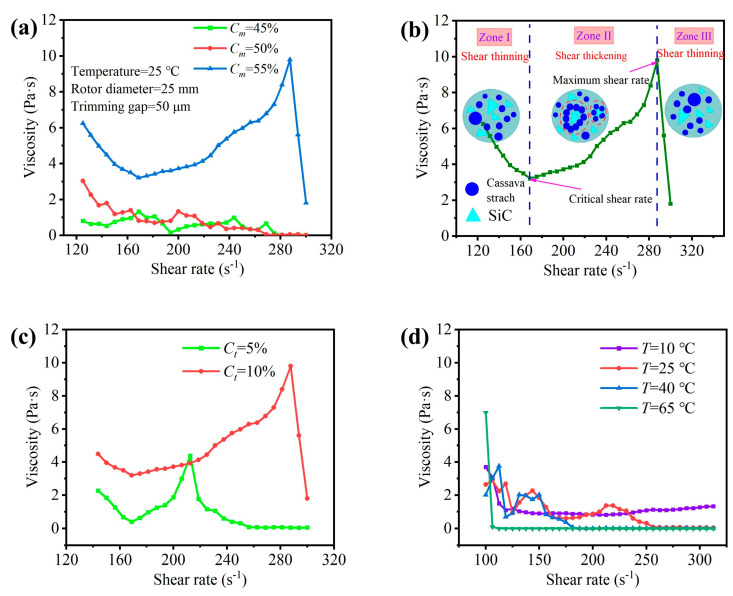
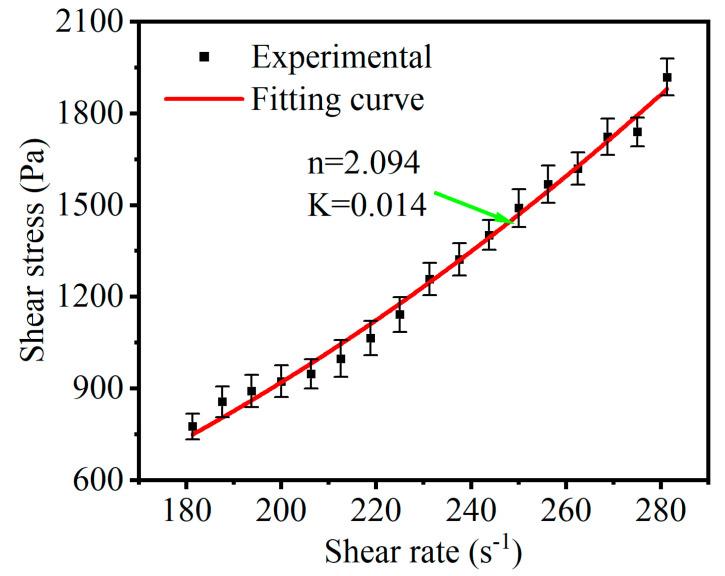
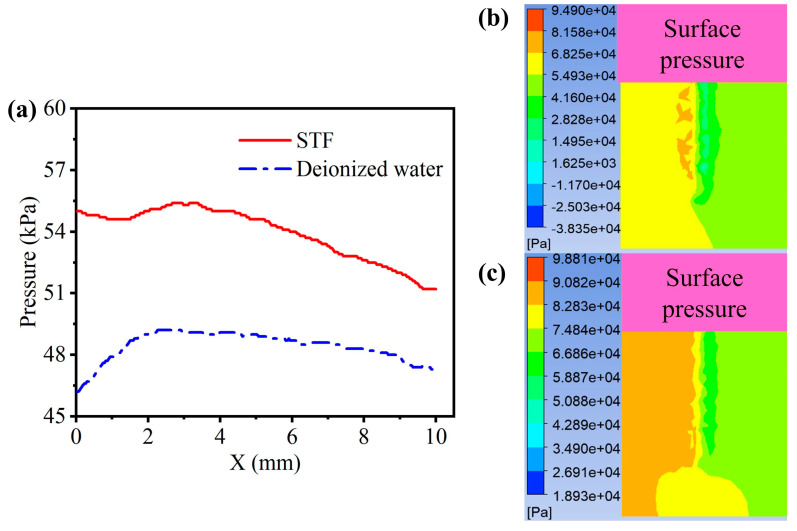
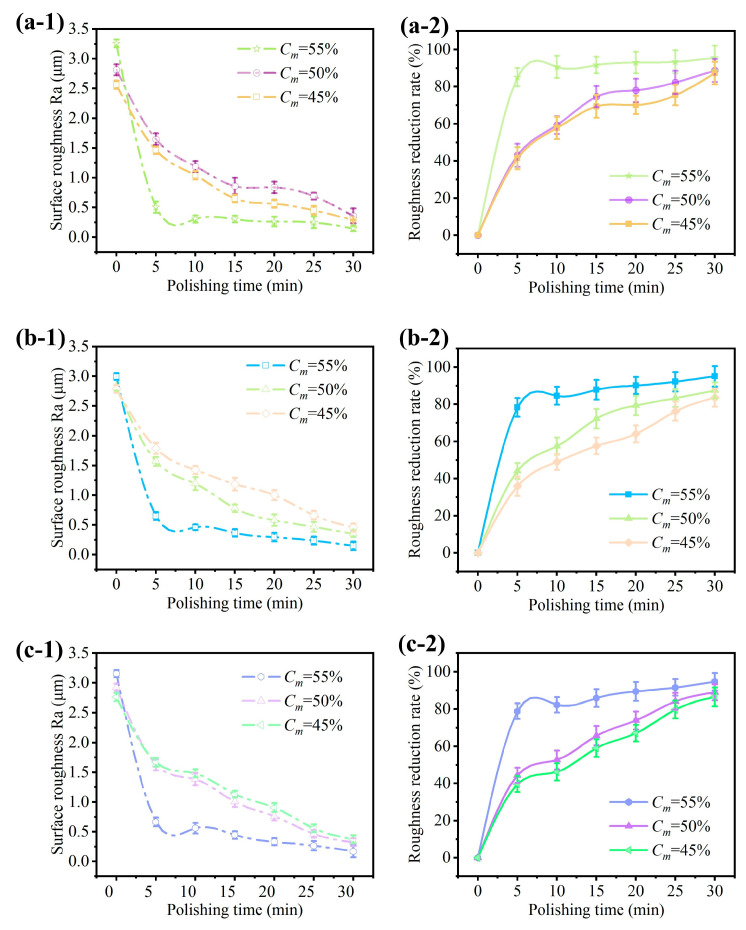
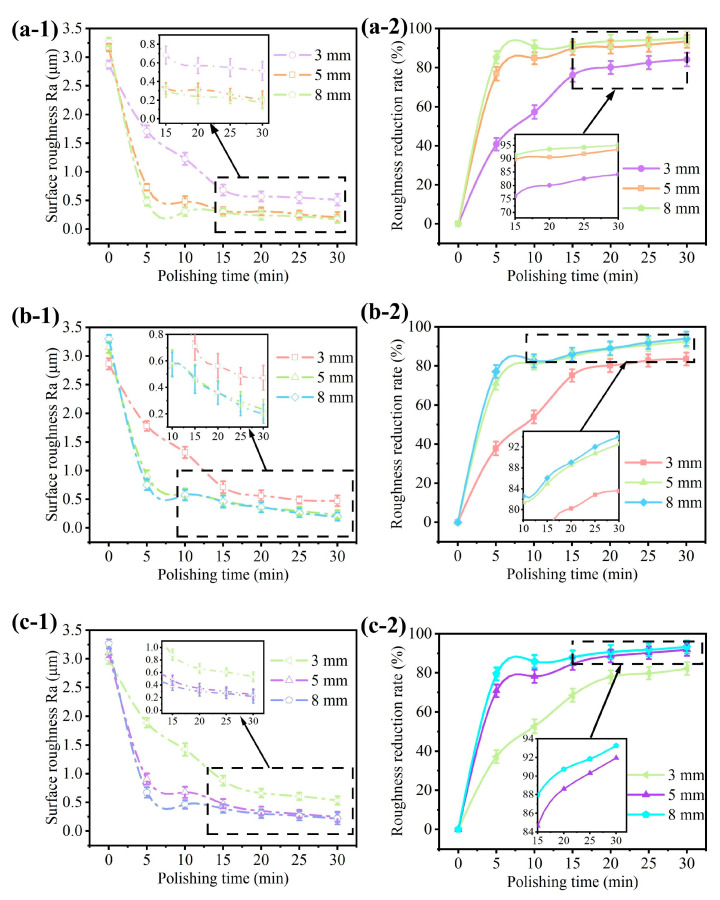
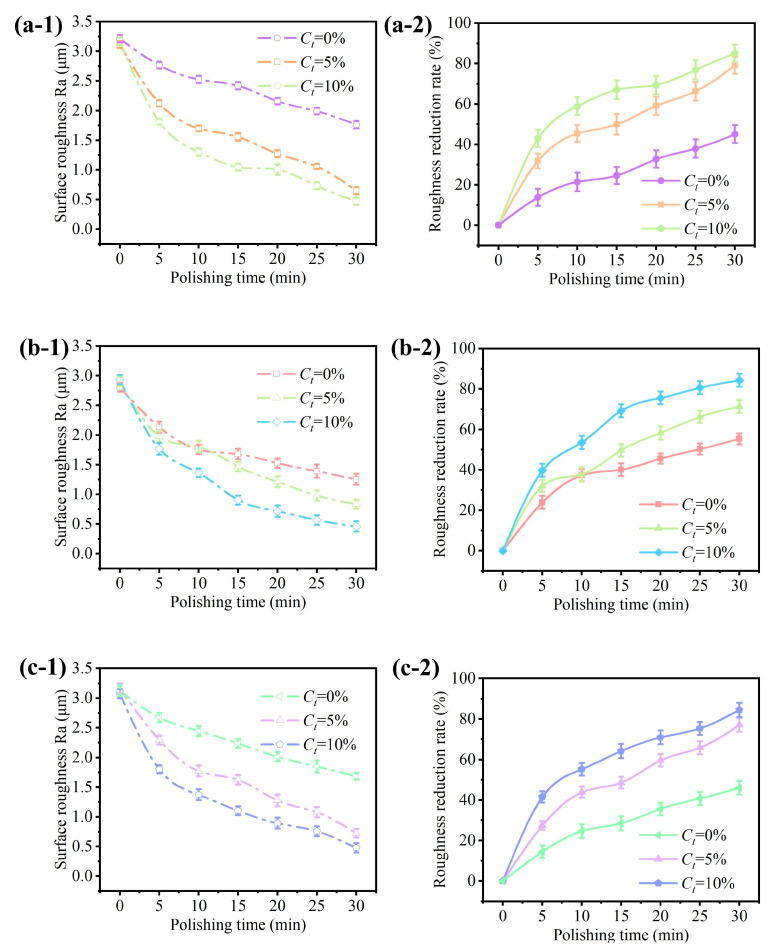
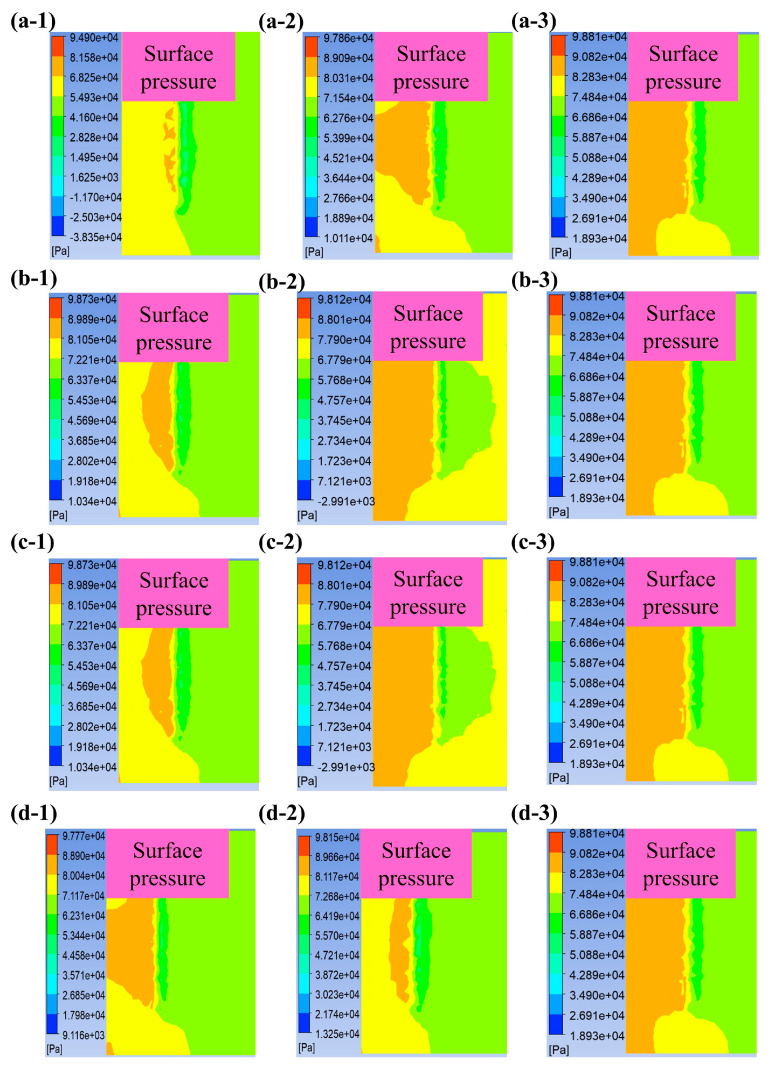
Shear-thickening fluid (STF) is widely applied in various practical engineering fields due to its rheological properties of increased viscosity under load. We investigated the integration of STF with fiber brushes to prepare a novel composite material for polishing applications. The impact of composite material properties is studied in surface finish, specifically roughness and morphology, across flat and uneven surfaces. The effects of the critical variables, including polishing speed, feed depth, and STF concentration, are analyzed through experimentation and simulation. After the STF polishing, the surface roughness of the aluminum alloy sample decreases from 3.125 μm to 0.528 μm, which increases the processing efficiency by 40% compared to Newton polishing slurry. The unique shear-thickening performance of the composite material ensures excellent surface quality and high efficiency in the precision machining of workpieces.
剪切增稠流体(STF)因其在负载下粘度增加的流变特性而被广泛应用于各种实际工程领域。我们研究了STF与纤维刷的结合,以制备一种用于抛光应用的新型复合材料。在平面和不平表面上,研究了复合材料性能对表面光洁度的影响,特别是粗糙度和形貌。通过实验和模拟分析了包括抛光速度、进给深度和STF浓度在内的关键变量的影响。经过STF抛光后,铝合金样品的表面粗糙度从3.125μm降至0.528μm,与牛顿抛光浆料相比,加工效率提高了40%。复合材料独特的剪切增稠性能确保了工件精密加工中的优异表面质量和高效率。