Nappi Francesco
Department of Cardiac Surgery, Centre Cardiologique du Nord, 93200 Saint-Denis, France.
Pathogens. 2024 Nov 26;13(12):1039. doi: 10.3390/pathogens13121039.
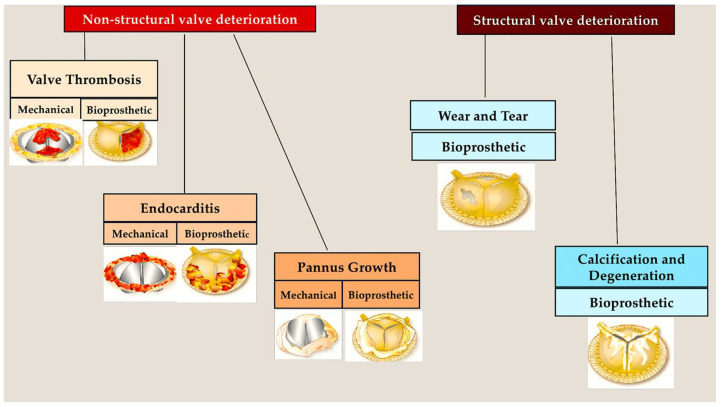
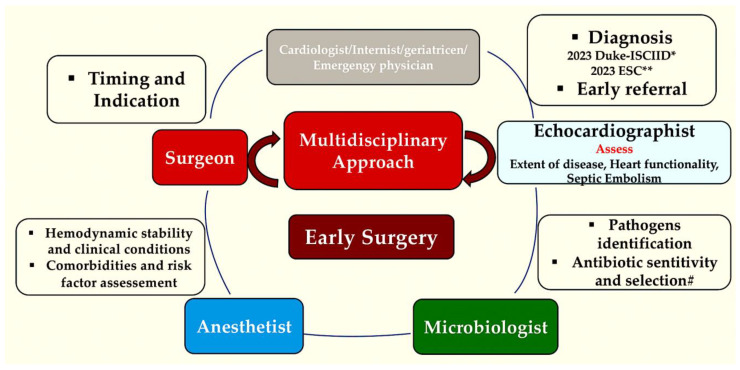
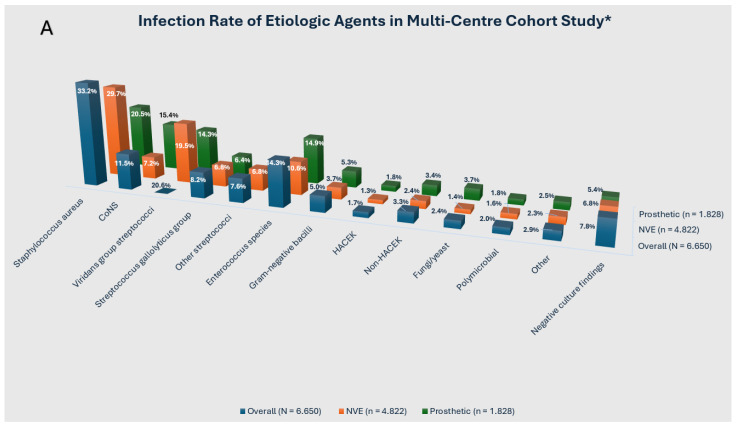
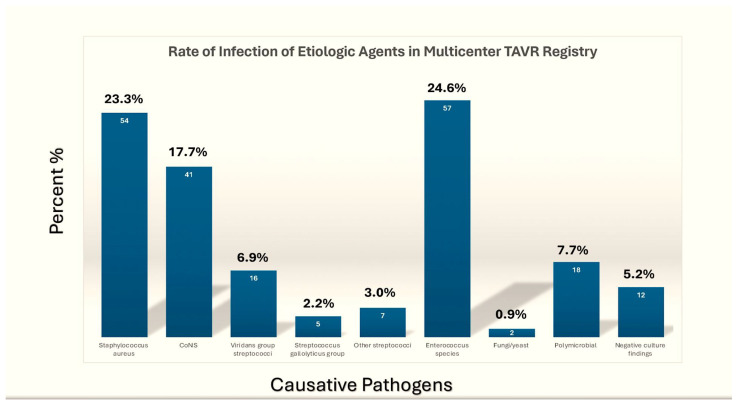
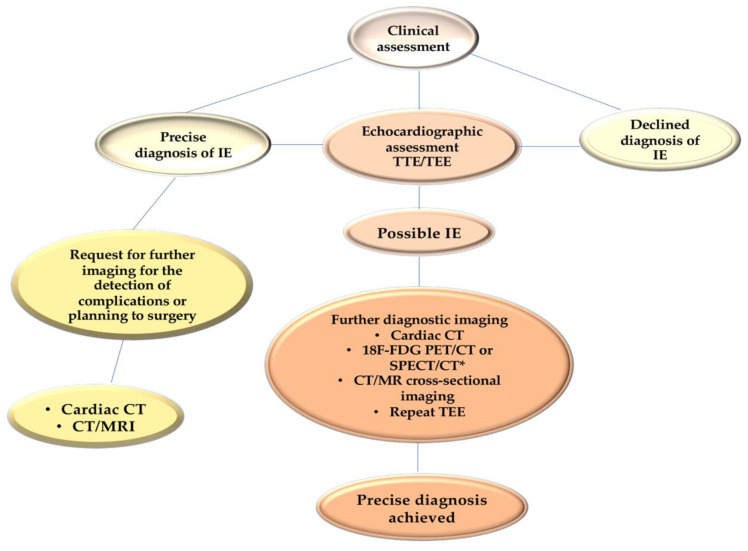
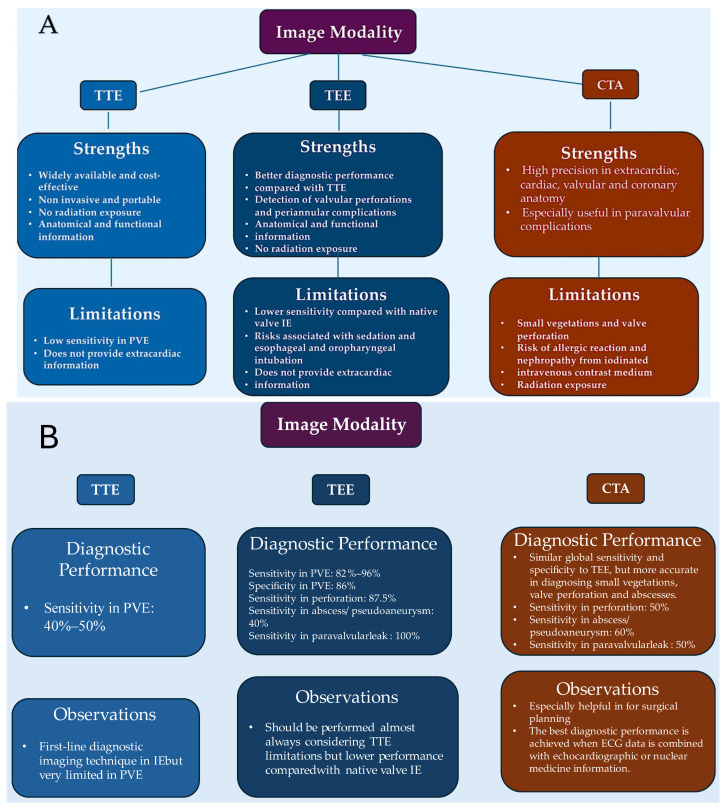
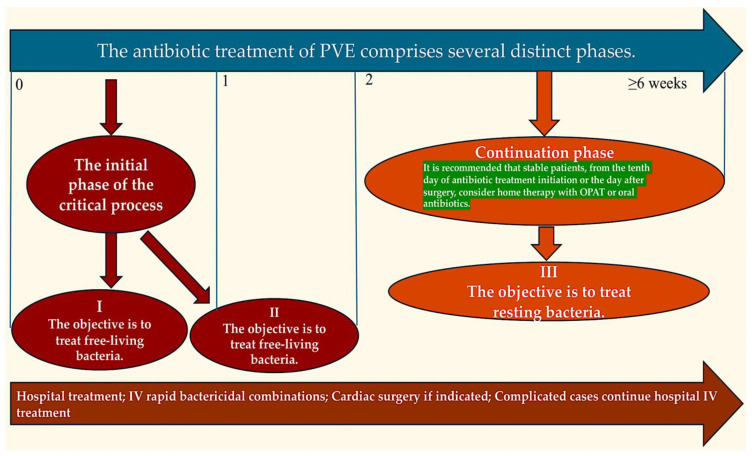
Prosthetic valve endocarditis (PVE) is the medical term used to describe a focus of infection involving a valvular substitute within the heart. It is a significant concern in the field of cardiology, and the epidemiology of PVE has seen notable developments over the last five decades. The disease currently affects an older demographic and is becoming increasingly prevalent in patients with transcatheter-implanted valves. It is imperative that we urgently address the significant challenges posed by PVE. It is a disease that has a wide range of potential aetiologies, clinical presentations, and courses. In developed countries, is now the predominant causative organism, resulting in an aggressive form of disease that frequently afflicts vulnerable or elderly populations. However, it is clear that species present a significant challenge in the context of PVE following TAVR procedures, given their elevated prevalence. The 2023 Duke/International Society for Cardiovascular Infectious Diseases infective endocarditis diagnostic criteria now include significant developments in microbiological and image-based techniques for diagnostic purposes, specifically the incorporation of fluorine-18 fluorodeoxyglucose positron emission tomography and computed tomography. These developments unequivocally enhance the diagnostic sensitivity for PVE, while maintaining the specificity. They do so in accordance with the results of studies conducted specifically for the purpose of validation. The lack of rigorous scientific studies and a shortage of funding and resources for research have led to a significant gap in our understanding. Randomized controlled trials could provide invaluable insight and guidance for clinical practice, but they are missing, which represents a major gap. It is clear that there is an urgent need for more research. PVE is a life-threatening condition that must be handled by a multidisciplinary endocarditis team at a cardiac centre in order to improve outcomes. The emergence of innovative surgical techniques has empowered clinicians to steer more patients away from surgical procedures, despite the presence of clear indications for them. A select group of patients can now complete parenteral or oral antimicrobial treatment at home. Additionally, antibiotic prophylaxis is the best option for individuals with prosthetic valves who are going to have invasive dental procedures. These individuals should be given antibiotics beforehand.
人工瓣膜心内膜炎(PVE)是用于描述涉及心脏内瓣膜替代物的感染灶的医学术语。它是心脏病学领域的一个重大问题,在过去五十年中,PVE的流行病学有了显著发展。目前,该疾病影响的人群年龄更大,并且在经导管植入瓣膜的患者中越来越普遍。我们迫切需要应对PVE带来的重大挑战。这是一种具有广泛潜在病因、临床表现和病程的疾病。在发达国家, 现在是主要的致病微生物,导致一种侵袭性疾病形式,经常折磨弱势群体或老年人群体。然而,鉴于其患病率升高,很明显 菌种在经导管主动脉瓣置换术(TAVR)后的PVE背景下构成了重大挑战。2023年杜克大学/国际心血管传染病学会感染性心内膜炎诊断标准现在包括用于诊断目的的微生物学和基于图像技术的重大进展,特别是氟-18氟脱氧葡萄糖正电子发射断层扫描和计算机断层扫描的纳入。这些进展明确提高了PVE的诊断敏感性,同时保持了特异性。它们是根据专门为验证目的进行的研究结果做到这一点的。缺乏严格的科学研究以及研究资金和资源短缺导致了我们理解上的重大差距。随机对照试验可以为临床实践提供宝贵的见解和指导,但它们缺失了,这是一个重大差距。显然迫切需要更多研究。PVE是一种危及生命的疾病,必须由心脏中心的多学科心内膜炎团队处理,以改善治疗结果。创新手术技术的出现使临床医生能够让更多患者避免手术,尽管存在明确的手术指征。现在有一部分患者可以在家中完成胃肠外或口服抗菌治疗。此外,抗生素预防是将要进行侵入性牙科手术的人工瓣膜患者的最佳选择。这些人应该预先给予抗生素。